Murchison Falls National Park
Murchison Falls National Park: Where the Nile Meets the Wild
There is a place in northern Uganda where the entire volume of the world’s longest river is forced, by a geological accident of extraordinary violence, through a gap in the rock just seven metres wide.
The Victoria Nile — carrying the combined drainage of Lake Victoria, the Rwenzori Mountains, and the vast catchment of the East African plateau — arrives at this point with the unhurried momentum of a river that has been building for thousands of kilometres. And then the rock closes in. The gap narrows. The water has nowhere to go but through — and the result is one of the most powerful, most dramatic, and most awe-inspiring waterfall experiences on earth.
The water drops 45 metres. The spray rises hundreds of metres into the air. The sound is felt as much as heard — a continuous, bone-deep percussion that you carry in your chest for the rest of the day. And on the rocks below the falls, where the water finally releases its extraordinary compressed energy into the pool beneath, Nile crocodiles the size of small boats bask with the prehistoric indifference of animals that have occupied this exact spot for millions of years.
This is Murchison Falls — and it is, by the reckoning of many who have seen it, the most spectacular waterfall in Africa.
But Murchison Falls National Park is considerably more than its namesake waterfall. Uganda’s largest national park — covering approximately 3,893 square kilometres of savannah, woodland, riverine forest, and wetland across the country’s northwestern region — is one of East Africa’s most complete and most rewarding safari destinations: home to the Big Five, an extraordinary Victoria Nile boat safari that is among the finest waterway wildlife experiences on the continent, a significant shoebill stork population, some of the finest chimpanzee tracking in Uganda at the adjacent Budongo Forest, and a landscape of such dramatic, ancient beauty that every visit produces a quality of experience that the word safari barely begins to contain.
A Murchison Falls safari with Ntungo Wildlife Safaris is a journey into one of Africa’s most powerful and most primal landscapes — where the continent’s greatest river carves its way through ancient rock, where elephants and lions and giraffes and hippos exist in numbers and concentrations that remind you what Africa looked like before human pressure began to diminish it, and where the particular quality of wildness that defines the finest safari destinations is present in abundance.
This is Uganda’s crown jewel. And it deserves to be known as such.
The Setting: Uganda’s Ancient North
Murchison Falls National Park occupies the northwestern corner of Uganda’s Albertine Rift — the western branch of Africa’s Great Rift Valley — in a landscape shaped by millions of years of geological drama: the rifting of the continental crust, the volcanic activity of the surrounding highlands, the carving power of the Victoria Nile, and the extraordinary ecological diversity that has developed in the resulting patchwork of habitats.
The park straddles the Victoria Nile — the section of the Nile system that flows from Lake Victoria northward through Lake Kyoga and into Lake Albert — which cuts through the park’s heart from east to west, dividing it into the north bank and the south bank sectors. The river is not merely a geographical feature: it is the park’s ecological spine, the source of the permanent water that sustains the extraordinary concentrations of wildlife during the dry season, the habitat of the park’s famous hippo and crocodile populations, and the setting for the boat safari that is Murchison’s most celebrated visitor experience.
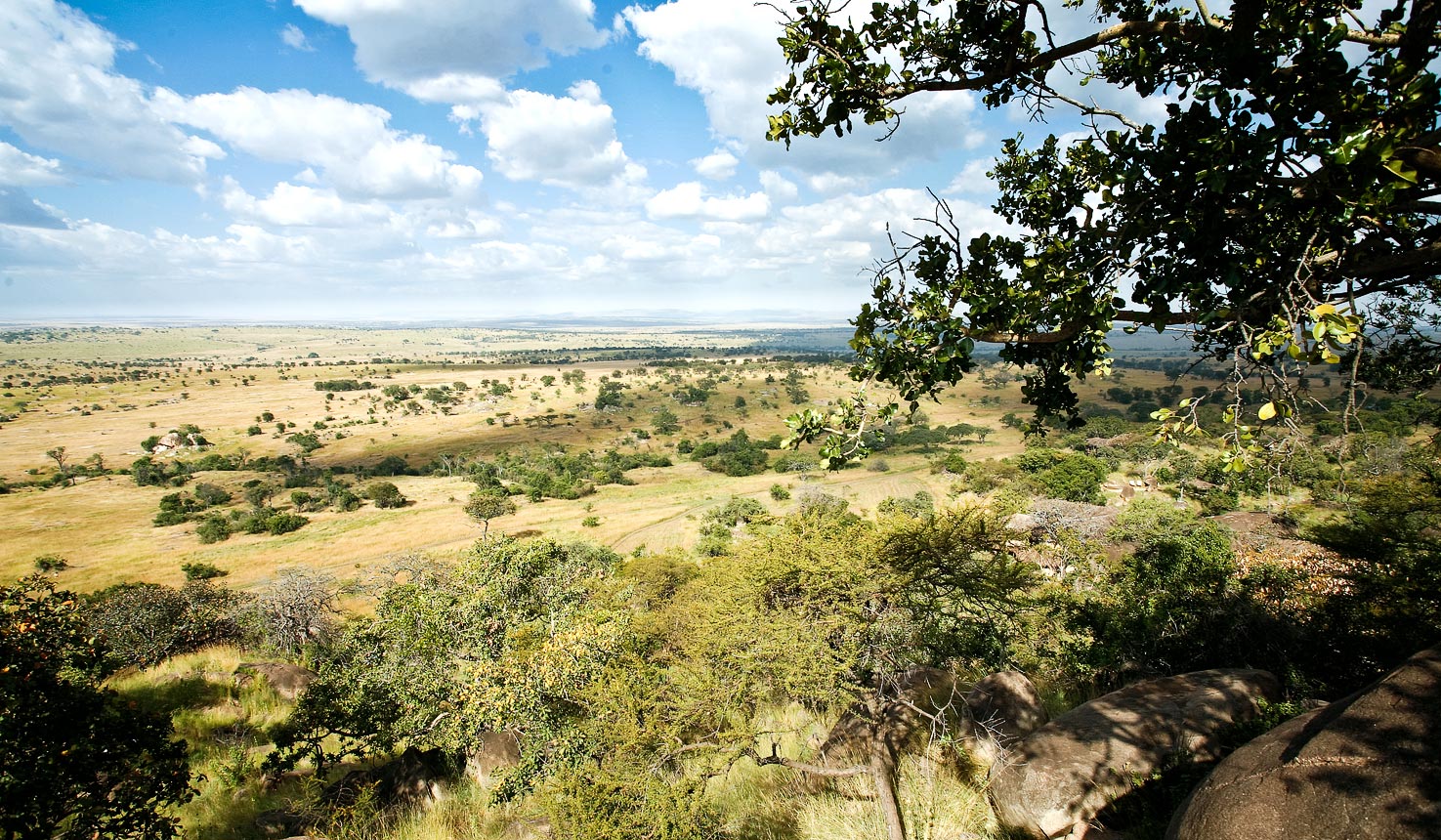
The north bank — the larger and more wildlife-rich of the two sectors — is a mosaic of open savannah grassland, acacia and combretum woodland, and the dense riverine forest along the Nile’s banks. This is the primary big game viewing area: elephants, lions, giraffes, buffaloes, and Uganda kob in extraordinary concentrations, the open terrain allowing long-range visibility and the river providing a permanent wildlife magnet that draws animals from across the surrounding landscape.
The south bank — smaller, more forested, and less visited — encompasses the Rabongo Forest and the approach to the falls themselves, and provides access to the chimp tracking experience at Kaniyo Pabidi and the extraordinary falls viewpoint trail that brings visitors to the dramatic overlook above the thundering narrows.
The Budongo Forest Reserve — a vast mahogany and ironwood forest immediately south of the park — is technically outside the national park boundary but is managed in close conjunction with it and provides one of Uganda’s finest chimpanzee tracking experiences alongside extraordinary forest birding.
Together, these different components of the greater Murchison landscape create a safari destination of remarkable completeness — one that combines the open savannah game drives of the classic East African safari with the river wildlife spectacle of the Nile boat cruise, the forest adventure of chimp tracking, and the geological drama of one of the world’s most powerful waterfalls.
Murchison Falls: The Power of the Nile Constrained
To understand the emotional and physical impact of Murchison Falls, you need to understand the scale of what is happening.
The Victoria Nile is a substantial river by any standard — at the point where it enters the Murchison Gorge, it is carrying an average flow of approximately 300 cubic metres of water per second. This is not a small river encountering a modest drop. This is an enormous body of moving water meeting an obstacle of extraordinary geological violence.
The gorge that creates the falls is a narrow crack in the ancient Precambrian crystalline basement rock of the East African plateau — rock formed over a billion years ago, harder than almost anything in the geological record, and resistant to the erosive power of the river in ways that the softer sedimentary rock of other waterfall systems is not. The result is that the river, instead of gradually widening and lowering its channel over geological time (as most rivers do), has been forced to maintain its passage through an essentially fixed, extremely narrow gap — seven metres at its narrowest point — creating a hydraulic situation of almost incomprehensible energy.
The water does not fall gently. It does not cascade in the broad, spreading curtain of a Victoria Falls or the graceful arc of a Kaieteur. It erupts — forced through the narrows with a pressure that transforms the river’s surface from coherent water to a churning, aerated white mass that moves with terrifying speed, drops 45 metres into the pool below, and explodes upward in a spray cloud that on windless days rises hundreds of metres above the gorge and can be seen from kilometres away.
The sound of Murchison Falls is as extraordinary as the sight — not the roar of a waterfall in the conventional sense but something deeper and more physical, a continuous percussion that resonates in the chest cavity and that at close range makes conversation impossible without shouting. First-time visitors consistently report that the sound is as affecting as the visual spectacle — in some ways more so, because its physicality makes the sheer energy of the event undeniable in a way that even the most dramatic visual impression sometimes does not.
The Falls from Below: The Boat Safari Approach
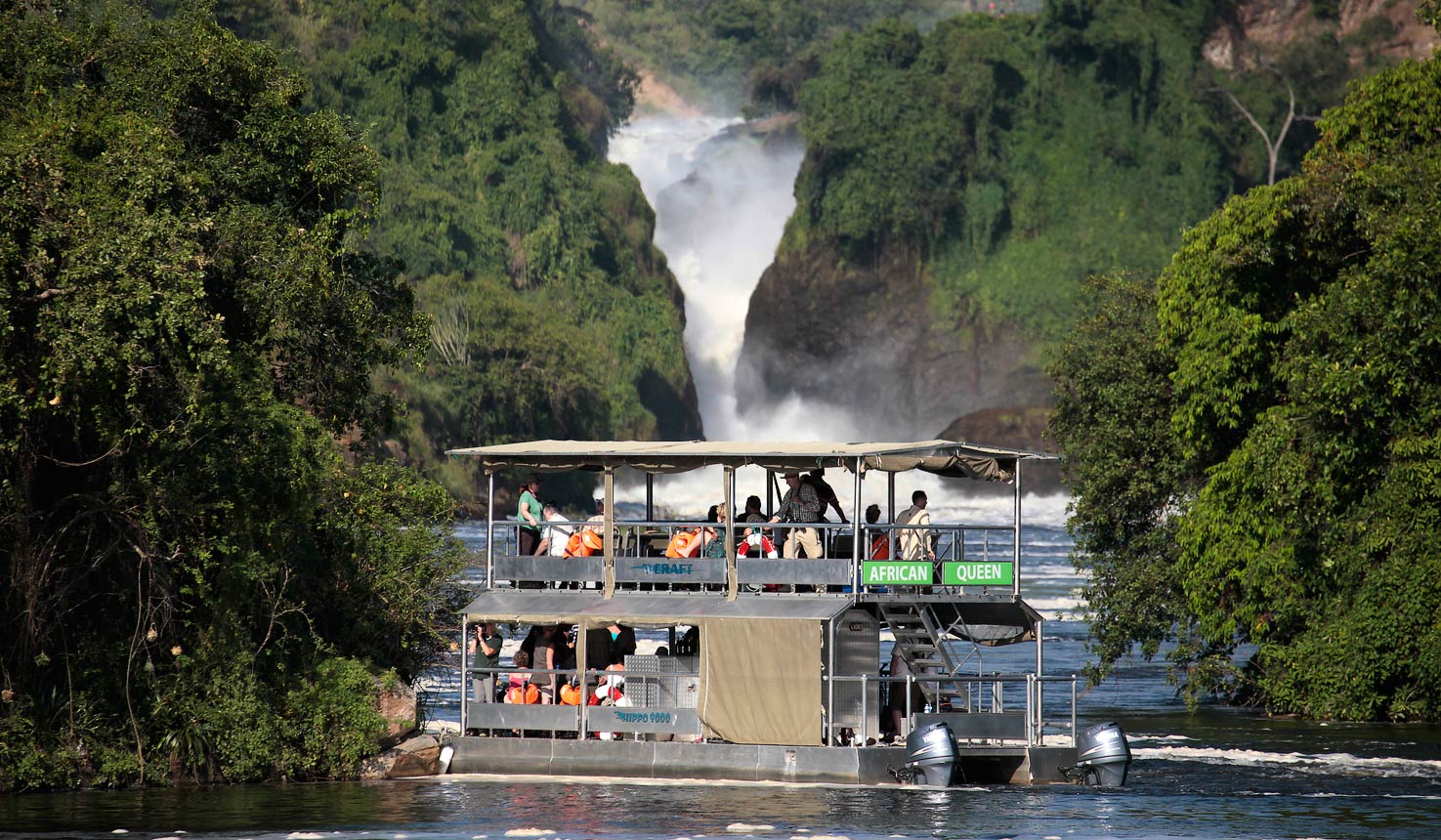
The Victoria Nile boat safari — described in full below — approaches the falls from downstream, bringing visitors progressively closer to the gorge as the boat moves upstream toward the narrows. The approach from below provides a completely different perspective from the viewpoint above: the falls appearing gradually as the boat rounds the final bend, the spray visible first as a white cloud above the treeline, then the sound becoming increasingly audible, then the white water itself visible through the gorge walls, and finally the full spectacle of the falls opening as the boat positions itself in the pool below.
Viewing Murchison Falls from the boat below — the walls of the gorge rising on either side, the falls thundering into the pool just metres ahead, the spray drenching the boat’s upper deck, and the crocodiles basking on the exposed rocks in the falls’ immediate shadow — is one of the most extraordinary waterfall experiences available anywhere in Africa.
The Falls from Above: The Viewpoint Trail
The trail from the top of the falls viewpoint — accessible from the south bank road and involving a short, moderately strenuous walk to the gorge’s edge — provides the aerial perspective that complements the boat approach. From above, the scale of the hydraulic event below is extraordinary: looking down into the narrow crack of the gorge from directly above the falls, watching the entire river’s volume being forced through the gap seven metres wide, and seeing the spray and mist rising from the pool below creates a perspective on the falls’ power that the boat approach, for all its visceral immediacy, cannot provide.
The viewpoint trail also passes smaller waterfalls and rapid sections upstream of the main falls — the river breaking over exposed rock in a series of rapids and cascades that would be significant waterfall events in their own right in any other landscape, but that in the shadow of the main falls appear almost modest by comparison.
A complete Murchison Falls experience involves both the boat approach from below and the viewpoint trail from above — the two perspectives complementing each other and together providing a full understanding of what is happening at this extraordinary geological feature.
The Victoria Nile Boat Safari: Africa’s Finest River Wildlife Experience
If Murchison Falls is the park’s most dramatic single experience, the Victoria Nile boat safari is its most comprehensive and most consistently rewarding — a two to three hour journey upstream from the Paraa ferry crossing toward the base of the falls that provides some of the finest waterway wildlife viewing in East Africa.
The boat safari is conducted on a comfortable craft — typically a double-decked vessel with covered lower deck and open upper viewing deck — that moves upstream along the southern bank of the Nile, the north bank vegetation visible across the river’s 200-metre width, and the wildlife of both banks accessible from the boat’s elevated viewing deck.
Hippopotamus
The Victoria Nile between Paraa and the falls is home to one of the largest and most accessible hippopotamus populations in Uganda — estimates suggest 3,000 to 5,000 hippos in the river system within the park, making encounters not merely likely but essentially continuous throughout the boat safari.
The hippos of the Murchison Nile are encountered in pods of various sizes — from pairs of individuals in the river’s quieter backwaters to aggregations of 50 or more in the deeper pools below the falls, their combined bulk creating an impression of extraordinary biological abundance. From the boat, at water level, the hippos’ interactions — territorial disputes between adult males, mothers with calves staying at the group’s margins, the endlessly entertaining spectacle of hippos yawning at close range and revealing their extraordinary dentition — are observable with a proximity and a detail that shore-based observation cannot provide.
The early morning boat safari — departing before sunrise and moving upstream as the light gradually strengthens — provides the most atmospheric and most photographically productive conditions: the mist lying over the river in the cool pre-dawn air, the hippos most active and most vocal in the low-light conditions before the sun rises, and the quality of light on the water and the vegetation creating a visual environment of extraordinary beauty.
Nile Crocodile
The Nile crocodile (Crocodylus niloticus) is the Murchison Nile’s other defining large resident — and the crocodiles of this section of the river are among the largest in Uganda, some individuals clearly exceeding four metres in length and carrying the particular quality of ancient authority that very large crocodiles accumulate over decades of undisturbed existence.
The crocodiles bask on every exposed sandbank, rock, and low-lying bank along the river — their motionless, sun-warmed forms easily mistaken from a distance for logs or exposed sediment until the boat’s approach causes a head to raise slightly in acknowledgement. At close range, the detail of a large crocodile — the texture of the scales, the extraordinary structure of the jaw, the alert, intelligent quality of the eyes — is revealed with a clarity that shore-based observation rarely achieves.
The falls pool — the deep, turbulent water immediately below Murchison Falls where the river’s compressed energy finally releases — is the most remarkable single crocodile viewing site in the park. Large crocodiles bask on the exposed rocks within the spray zone of the falls themselves — apparently entirely indifferent to the thundering water metres above them — creating one of the most dramatic and most unexpected wildlife compositions available anywhere in East Africa: prehistoric reptiles resting in the immediate shadow of one of Africa’s most powerful waterfalls.
Elephants, Buffaloes & Savannah Wildlife Along the Banks
The north bank of the Victoria Nile along the boat safari route is not merely a riparian habitat — it is one of the most wildlife-rich sections of savannah in the entire park, and the boat provides a unique opportunity to observe savannah mammals from the water in ways that complement the land-based game drive experience.
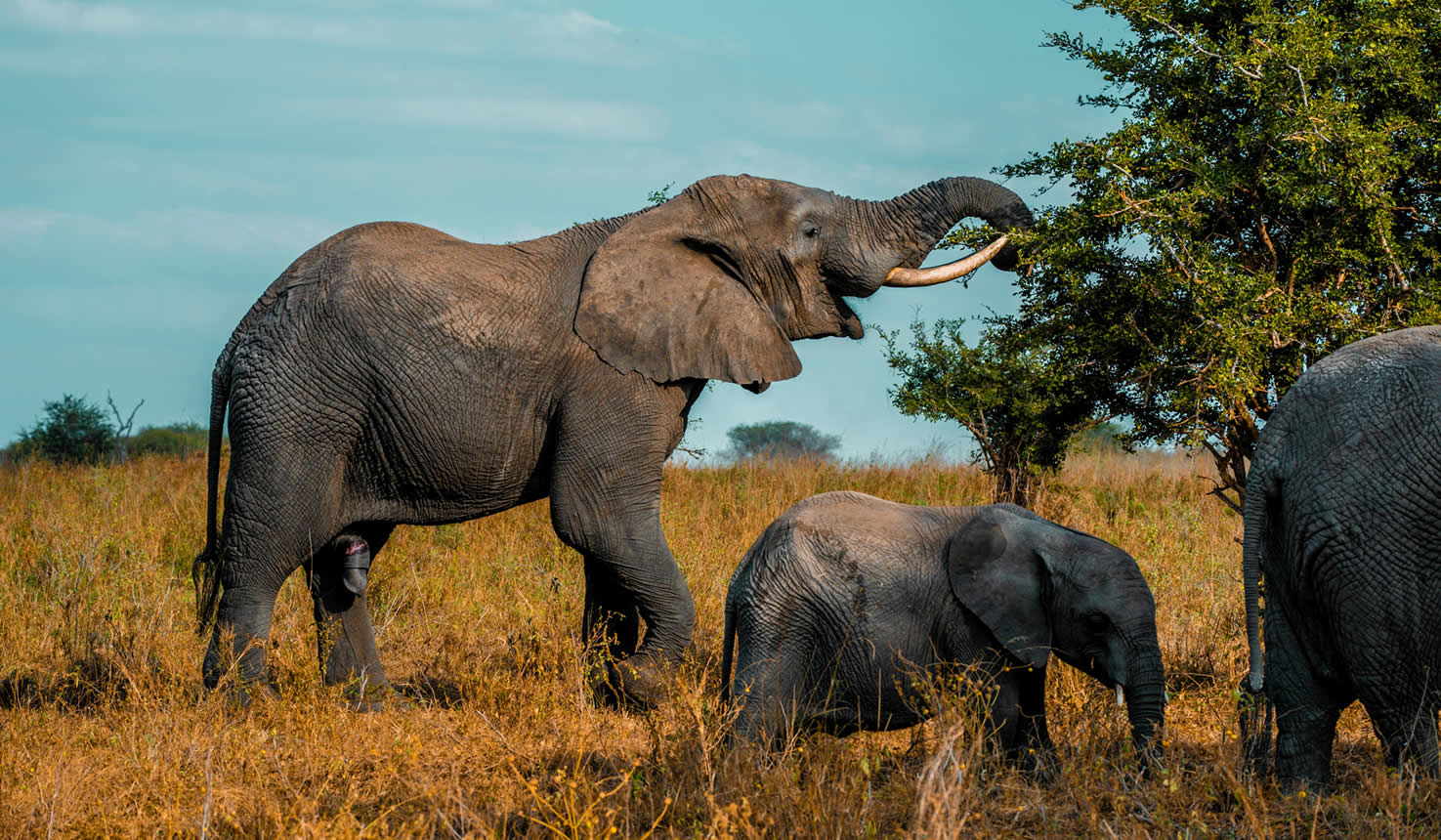
African elephants come to the river to drink and bathe throughout the day, and encounters with family groups — sometimes including very young calves — at the water’s edge from a boat at close range are among the most intimate and most moving elephant experiences available in Uganda. The combination of the river setting, the close proximity from the boat, and the relaxed, unhurried quality of elephants engaged in drinking and bathing creates wildlife photography opportunities of exceptional quality.
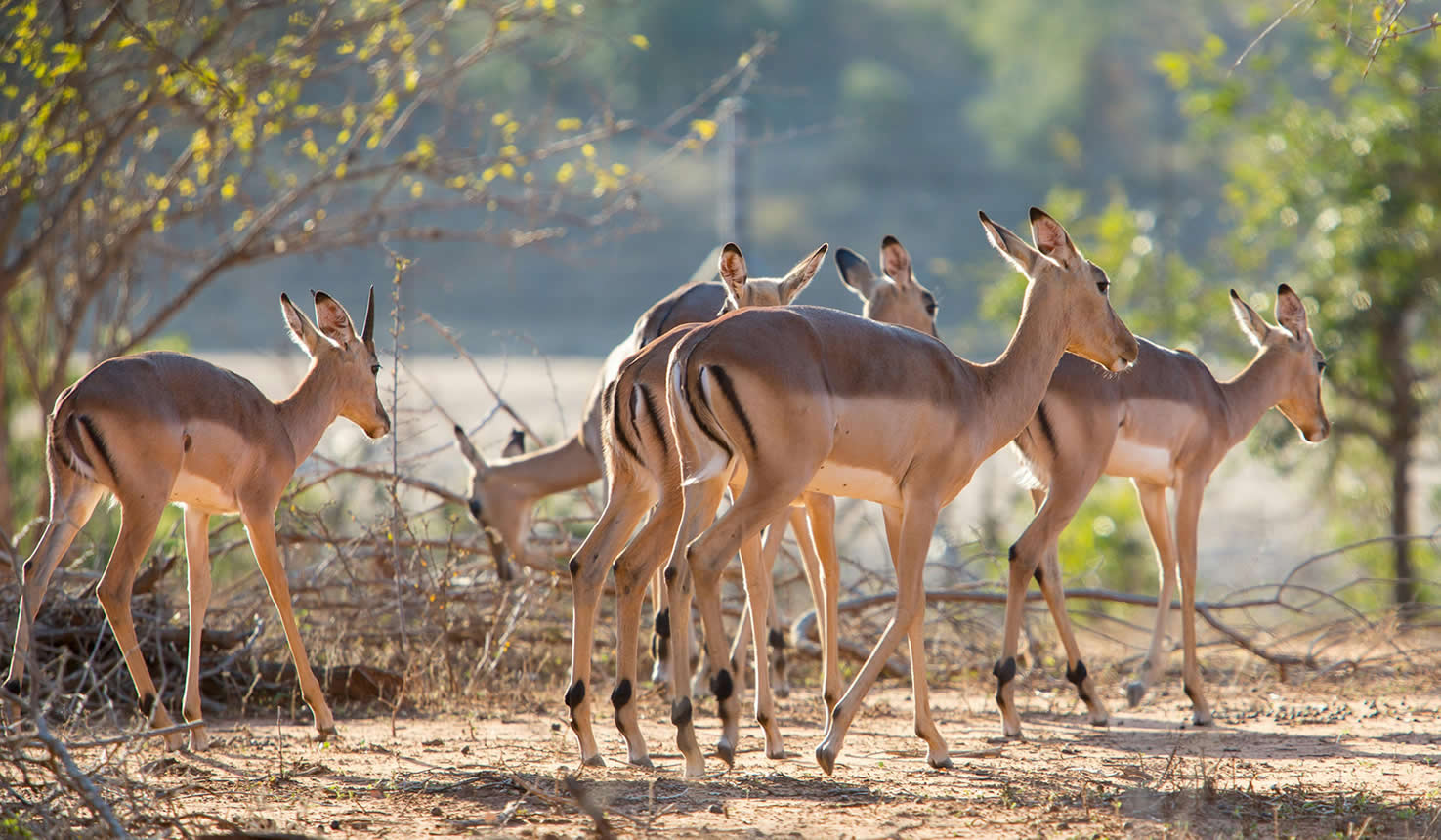
Cape buffalo gather in large herds along the north bank’s grassland margins, moving between the woodland and the river in the morning and evening drinking cycles that define the daily rhythm of large herbivores in a dry-season landscape. Waterbuck — their distinctive white ring marking visible at considerable distance — graze the lakeshore grassland. Ugandan kob — one of Uganda’s most abundant and most emblematic antelope species — are present in large numbers along the bank grassland throughout the safari.
Giraffes — the Nubian giraffe (Giraffa camelopardalis camelopardalis), a subspecies found in Uganda and South Sudan — browse the acacia canopy along the bank with the effortless reach that makes them simultaneously the most visible and most graceful large mammals in the Murchison landscape. The sight of a giraffe feeding from a tall acacia on the river bank, its neck extended to the canopy and the Nile flowing behind it, is one of Murchison’s most characteristic and most beautiful wildlife compositions.
Birdlife on the Boat Safari
The Victoria Nile boat safari is one of Uganda’s finest birding experiences — the combination of permanent water, diverse bankside habitat, and the boat’s slow movement providing observation conditions of exceptional quality for the river’s extraordinary bird community.
African fish eagle — its call the definitive sound of African wilderness — calls from the overhanging trees along both banks throughout the safari, and the frequency of sightings makes every boat passenger’s day a rich fish eagle experience regardless of prior birdwatching interest.
Pied kingfisher — hovering above the river surface in its characteristic helicopter-like suspension before plunging — is present in extraordinary numbers along the Murchison Nile, its abundance making it one of the most consistently visible and most entertaining bird species on the safari. During the dry season, aggregations of dozens of pied kingfishers can be observed at single productive fishing locations along the bank.
Goliath heron — the world’s largest heron, standing nearly 150 centimetres tall — wades in the shallows with the stately deliberation of a bird entirely at ease with its own extraordinary size. The Murchison Nile supports a significant goliath heron population and multiple individuals are typically observed on a single boat safari.
Rock pratincole (Glareola nuchalis) — one of Uganda’s most distinctive and most sought-after waterway birds — nests on exposed midstream rocks and boulders throughout the Murchison Nile, its habit of sitting in the spray zone of the falls and rapids creating some of the most dramatic bird photography compositions available anywhere in East Africa. The rock pratincole’s combination of elegant form, dramatic setting, and relative rarity in comparable accessibility make it one of the boat safari’s most prized bird encounters.
African skimmer (Rynchops flavirostris) — one of Africa’s most graceful waterbirds, hunting by skimming its elongated lower mandible through the water’s surface — nests on the Nile’s sandbanks and is regularly observed in flight along the river, its extraordinary aerobatic hunting technique one of the most beautiful sights in African birding.
Shoebill stork — described in detail below — is the boat safari’s most sought-after bird encounter, encountered in the papyrus marshes of the Nile Delta where the river enters Lake Albert.
The Big Five at Murchison Falls
Murchison Falls National Park is one of Uganda’s only destinations where all five members of the Big Five — lion, elephant, Cape buffalo, leopard, and rhinoceros — can potentially be encountered, making it one of the most complete safari destinations in the country.
Lion
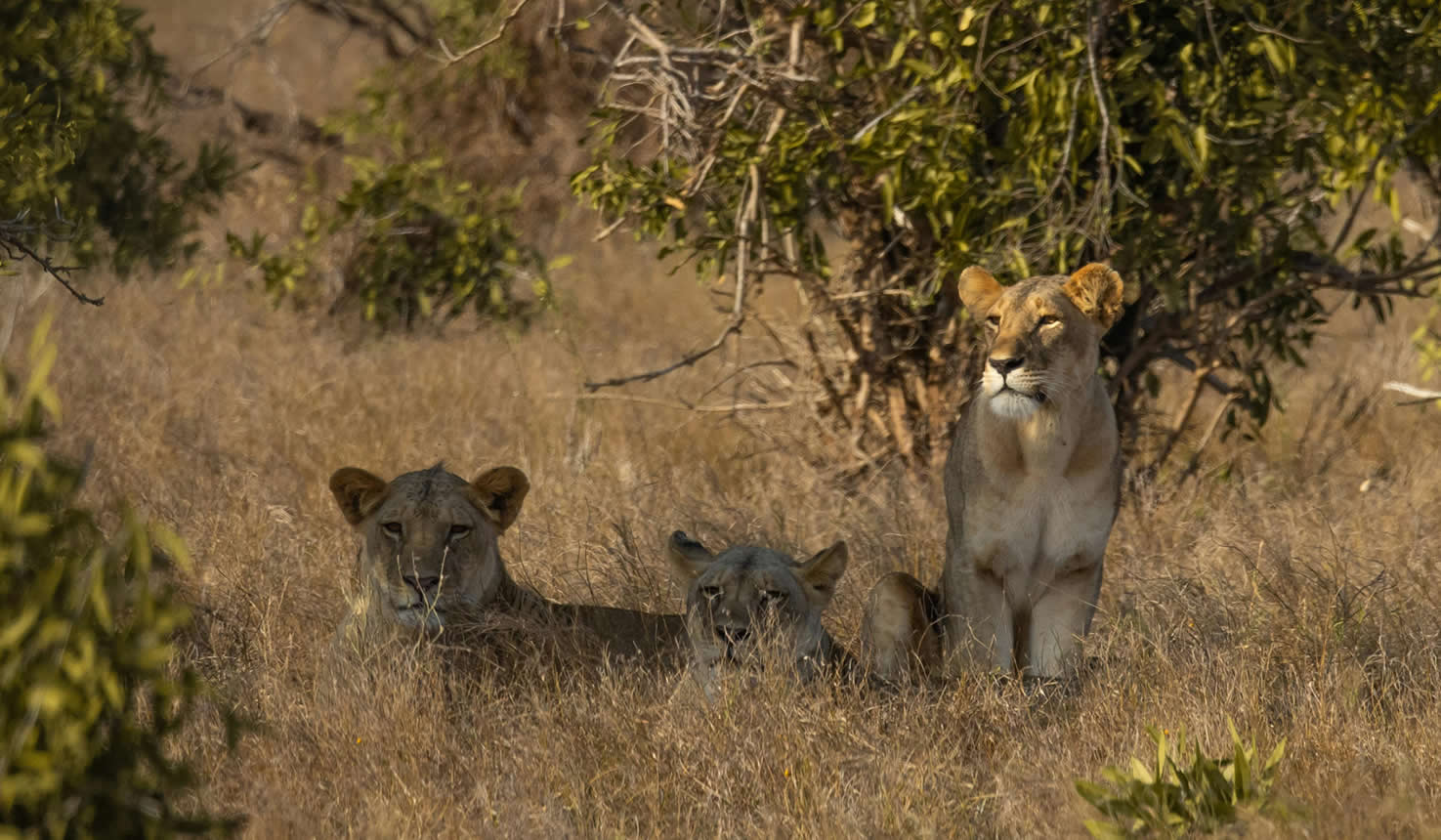
The park’s lion population is concentrated primarily on the north bank savannah — the open grassland and acacia woodland of the Pakwach and Kasenyi Plains providing the combination of prey abundance and habitat structure that lion prides require. Murchison’s lions are well-habituated to vehicle presence and are encountered with considerable regularity on morning and afternoon game drives — resting in shade during the midday heat, hunting in the open grassland at dawn and dusk, and occasionally visible in the trees of the riverine forest along the Nile’s north bank.
The north bank lion population has benefited significantly from the park’s recovery over the past two decades — following a period of severe decline in the 1970s and 1980s when the park’s wildlife was devastated by the combined effects of Idi Amin’s regime, civil war, and rampant poaching, the recovery of prey populations (particularly Uganda kob and buffalo) has driven a corresponding recovery in the lion population that has produced one of Uganda’s most significant predator communities.
Elephant
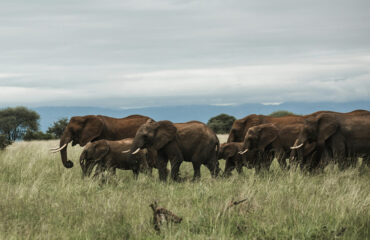
African elephants are one of Murchison’s most abundant and most consistently encountered large mammals — the park supports a population of approximately 1,500 elephants that move across both the north and south bank sectors, concentrating along the Nile margins during the dry season and dispersing more widely across the park during the rains.
North bank elephant encounters are among Uganda’s finest — the open savannah terrain allows extended observation at close range, the elephants’ habituation to vehicles is excellent, and the combination of family groups, bachelor herds, and the enormous solitary bulls that roam the north bank’s woodland margins creates a diversity of elephant social situations that rewards extended observation.
The riverine forest along the Nile’s north bank is particularly productive for elephant encounters in the early morning — family groups that have spent the night in the forest’s cover emerging onto the open bank to drink and bathe as the sun rises, creating wildlife photography opportunities of exceptional quality in the extraordinary morning light of the Murchison Nile.
Rothschild’s Giraffe
The Rothschild’s giraffe (Giraffa camelopardalis rothschildi) — one of the world’s most endangered giraffe subspecies, with fewer than 2,000 individuals remaining in the wild — is the form of giraffe present at Murchison Falls National Park, and the park’s population is one of the most important remaining wild populations of this critically threatened subspecies.
Distinguished from other giraffe subspecies by its paler, more clearly defined coat pattern, its lack of markings below the knee (the characteristic white stockings that make it immediately recognisable), and the presence of five ossicones (the horn-like protrusions on the head), the Rothschild’s giraffe is a conservation priority of the highest order and its presence at Murchison adds a significant conservation dimension to the wildlife experience.
Giraffes are encountered throughout the north bank savannah — browsing the acacia canopy, moving in characteristic slow-motion gait between feeding areas, and occasionally coming to the river bank to drink in the extraordinarily awkward, vulnerable splayed-leg posture that is the price these extraordinary animals pay for having evolved the longest neck in the animal kingdom. The sight of a Rothschild’s giraffe at the Nile bank — its extraordinary neck extended to reach the water, its improbably long legs splayed wide — is one of Murchison’s most characteristic and most photographic wildlife moments.
Cape Buffalo
Cape buffalo are abundant throughout the north bank savannah — large herds of hundreds moving across the open grassland in the classic formation of a species that relies on collective vigilance for survival in a landscape with significant lion pressure. The north bank’s buffalo herds are among Uganda’s largest and most consistently visible, and their interactions with the park’s lion prides — played out regularly in the open savannah — provide some of the most dramatic predator-prey encounters in the country.
Leopard
The leopard inhabits the north bank’s woodland and the riverine forest along the Nile — present throughout the park but, as always, the most challenging of the Big Five to locate reliably. North bank leopard sightings are most productive on dawn game drives along the forest-woodland transition zones, where leopards are occasionally encountered in the trees or moving through the undergrowth in the last hour before they withdraw to their daytime resting sites.
Rhinoceros
The rhinoceros at Murchison Falls is not a wild population — the Ziwa Rhino and Wildlife Ranch, located approximately 170 kilometres south of the park on the Kampala-Gulu highway and typically visited as an en-route stop on the drive to Murchison, is the only location in Uganda where wild rhinoceros can be seen. The ranch’s southern white rhinoceros population — introduced as part of Uganda’s national rhino reintroduction programme — is the cornerstone of the country’s effort to restore this species to its former Ugandan range, and a guided rhino tracking walk at Ziwa (typically taking 1 to 2 hours on foot) completes the Big Five experience for visitors travelling between Kampala and Murchison by road.
The Shoebill Stork: Murchison’s Most Sought-After Bird
The shoebill stork (Balaeniceps rex) is one of Africa’s most extraordinary, most prehistoric-looking, and most sought-after birds — and Murchison Falls National Park and its surrounding wetland habitats are among the most reliable sites in Uganda for encountering this remarkable species.
The shoebill is a bird of almost surreal appearance: standing up to 145 centimetres tall, with a massive, hook-tipped bill of extraordinary width (up to 20 centimetres at the base), slate-grey plumage, and enormous yellow eyes that fix the observer with an expression of unblinking, ancient authority. It is a solitary hunter of papyrus swamp and shallow marsh environments — specialising in lungfish, catfish, and other large aquatic prey that it captures with an explosive lunge from a motionless stalking position, the bill closing with a force and speed that is startling to witness at close range.
The shoebill is found in Murchison’s papyrus swamps — particularly in the vast wetland complex of the Nile Delta where the Victoria Nile broadens and slows before entering Lake Albert, and in the papyrus margins of the river’s quieter backwater sections accessible from the boat safari. The Nile Delta wetlands — accessible by boat extension from the standard Paraa to falls route — are one of Uganda’s most important shoebill habitats, and the flat, open papyrus landscape of the delta provides viewing conditions of exceptional clarity when the birds are located.
Shoebill encounters at Murchison are most reliably achieved in the early morning hours when the birds are most active and most visible before the midday heat drives them into the denser papyrus. The boat safari’s upstream journey provides the most consistent access to the shoebill’s preferred habitat, and your guide’s knowledge of the birds’ current locations — gathered from daily ranger reports and personal experience of the river’s shoebill population — maximises the probability of encounter.
Game Drives: The North Bank Savannah
The north bank savannah game drive is Murchison Falls’ classic big game experience — a circuit of tracks through the park’s most wildlife-rich terrain that, at dawn and dusk when wildlife activity is at its peak, is among the finest game driving environments in Uganda.
The north bank’s Buligi Circuit — the most productive game drive route in the park — passes through a mosaic of open grassland, acacia and combretum woodland, and the dense riverine forest along the Nile’s northern bank, accessing the full range of the park’s savannah wildlife in a single extended loop. Uganda kob in their thousands graze the open grassland. Oribi — small, delicate antelope — move in pairs and small groups through the shorter grass sections. Warthogs kneel to graze with the cheerful indignity of animals that have made complete peace with their own appearance. And in the woodland margins, the Rothschild’s giraffes browse the acacia canopy with the effortless reach that makes them the most visually distinctive inhabitants of the north bank landscape.
Dawn game drives — departing at or before sunrise — are the most productive for predator sightings: lions active from overnight hunts, leopards occasionally visible in the last moments before they withdraw to their daytime resting sites, and the extraordinary quality of the early morning light on the savannah creating photographic conditions of exceptional beauty.
Evening game drives — departing approximately two hours before sunset — provide a second window of predator activity and the opportunity to witness the dramatic quality of Murchison’s late afternoon light: the long, warm shadows of the acacia canopy, the golden grass of the open savannah, and the distant shimmer of the Nile catching the last direct sunlight of the day.
Budongo Forest: Chimpanzees at Murchison’s Edge
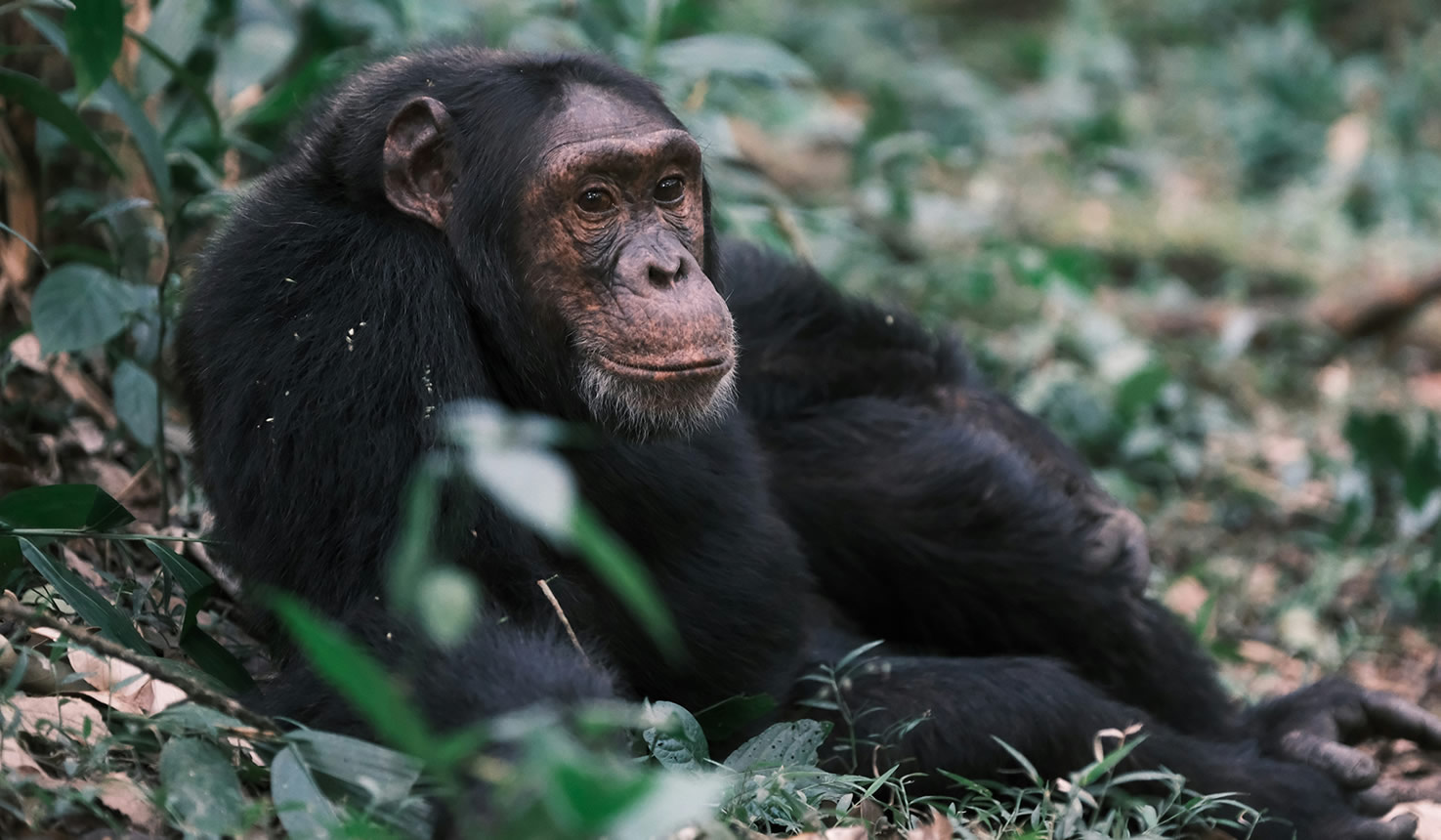
Immediately south of Murchison Falls National Park, the vast Budongo Forest Reserve — covering approximately 793 square kilometres of mature mahogany, ironwood, and mixed tropical forest — is one of Uganda’s most important forest conservation areas and home to one of the country’s finest chimpanzee tracking experiences.
Budongo’s chimpanzee population is estimated at approximately 800 individuals — one of the largest remaining chimpanzee populations in Uganda — organised into communities that have been studied by researchers at the Budongo Conservation Field Station since 1990, making Budongo one of the longest-running chimpanzee research sites in Africa and the source of important insights into chimpanzee behaviour, ecology, and social organisation.
The Royal Mile — Budongo’s most famous birding trail, a historically managed forest road through spectacular mature mahogany forest — is also the primary access route for chimpanzee tracking and forest birding. The combination of the trail’s relatively open forest structure, the chimpanzee community’s high degree of habituation (the product of over three decades of daily research contact), and the exceptional forest bird community — including the rare Puvel’s illadopsis, Ituri batis, yellow-footed flycatcher, and the much sought nahan’s francolin — makes the Royal Mile one of Uganda’s most productive single wildlife walking experiences.
Chimpanzee tracking at Budongo is typically offered as a morning or afternoon activity combining with the Murchison game drives and boat safari into a comprehensive Murchison experience that covers both the open savannah and the forest ecosystem.
Birdwatching at Murchison Falls
With over 450 recorded bird species, Murchison Falls National Park is one of Uganda’s most important and most rewarding birding destinations — a park whose combination of Nile riverway, open savannah, tropical woodland, and riverine forest creates conditions of exceptional avian diversity across a range of habitats accessible in a single visit.
Savannah and Woodland Birds
The north bank savannah supports an outstanding community of open-country and woodland birds: the Abyssinian ground hornbill — one of Africa’s most extraordinary birds, a large, turkey-sized hornbill that stalks the open savannah in small groups — is regularly encountered on north bank game drives, its vivid red and blue facial skin and deep, booming call making it one of the most dramatic and most immediately recognisable birds in the park.
Northern red-billed hornbill, African grey hornbill, and Hemprich’s hornbill are all present in the woodland. Northern carmine bee-eater — one of Africa’s most spectacular birds — is a seasonal visitor (September–November) that nests in erosion banks along the Nile and is present in extraordinary numbers during its breeding season, their vivid carmine and turquoise plumage creating one of the most visually spectacular bird concentrations available anywhere in Uganda.
Standard-winged nightjar (Caprimulgus longipennis) — one of Africa’s most extraordinary birds in breeding plumage, the male carrying elongated inner primary feathers that extend to 38 centimetres beyond the wingtip and are displayed in an extraordinary undulating flight — is a seasonal presence in the north bank grassland and is one of the most sought-after species on any Murchison birding list.
Waterway and Wetland Birds
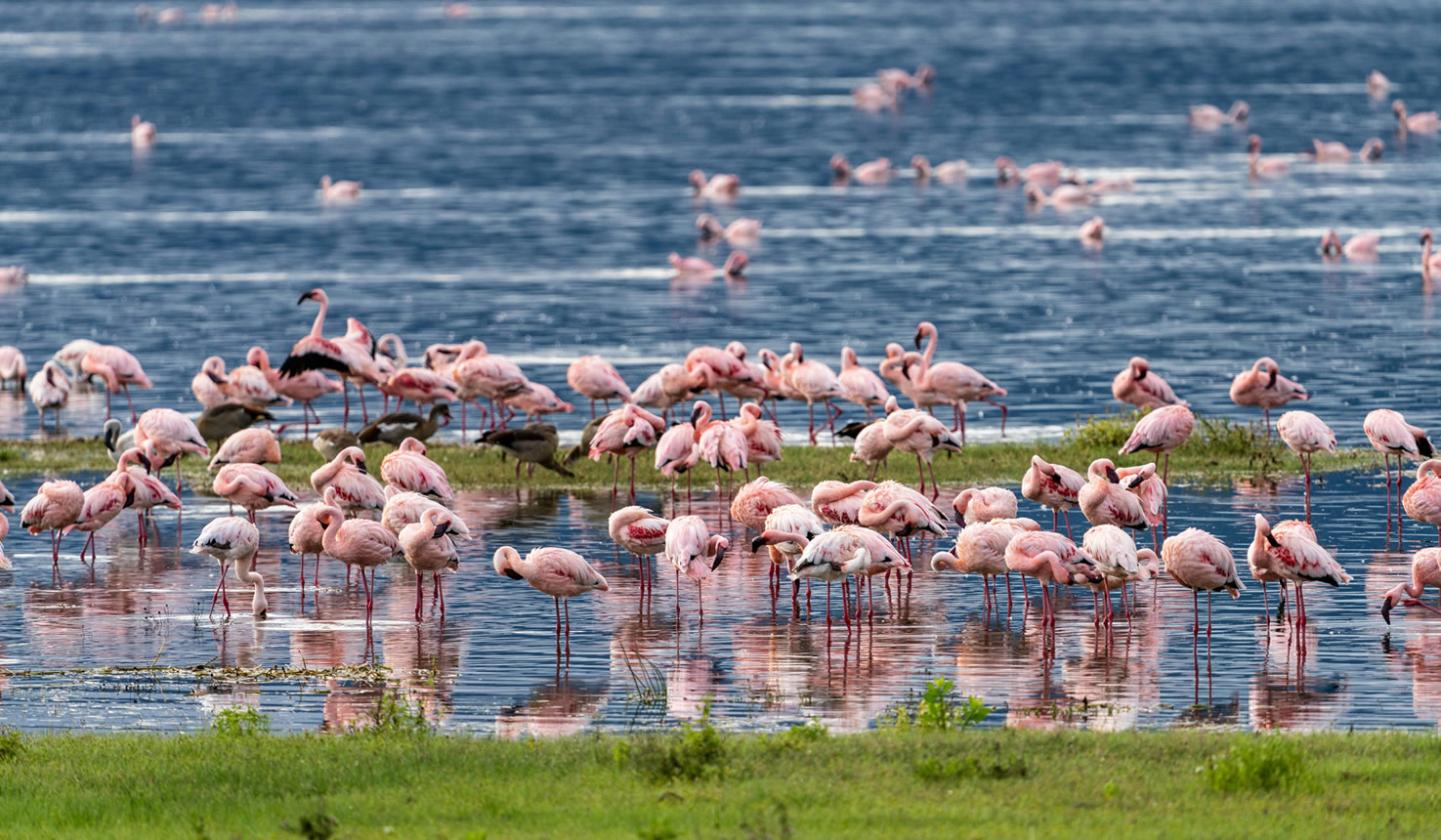
Beyond the species described in the boat safari section above, the Murchison Nile and its associated wetlands support an extraordinary diversity of waterbirds: saddle-billed stork — one of Africa’s most beautiful large birds, its combination of black and white plumage, enormous red and yellow bill, and extraordinary upright bearing making it immediately unmistakeable — is regularly encountered along the river margins. Yellow-billed stork, African openbill stork, marabou stork, woolly-necked stork, and Abdim’s stork (seasonal) complete an outstanding stork community.
Whale-headed stork (shoebill) in the papyrus, African darter perching with wings spread in the sun on exposed branches above the river, long-tailed cormorant diving in the river’s deeper sections, and the extraordinary African finfoot — one of Uganda’s most localised and most secretive waterway birds — in the quieter, vegetated backwaters complete the waterway bird picture.
Accommodation at Murchison Falls
Midrange
Paraa Safari Lodge — The most established and most strategically positioned lodge in Murchison Falls National Park, situated directly on the Nile bank at Paraa — the ferry crossing point and boat safari departure location. The lodge’s position provides immediate access to both the north bank game drives (via the ferry) and the south bank boat safari departure, making it the most logistically convenient base for experiencing the full range of Murchison’s wildlife activities.
Nile Safari Lodge — A comfortable lodge on the south bank of the Nile below the falls, with beautiful views across the river and excellent access to both the boat safari and the south bank wildlife areas.
Baker’s Lodge — A well-appointed lodge on the south bank named after the British explorer Samuel Baker, who first documented the falls in 1864 and named them after the then-President of the Royal Geographical Society. Baker’s Lodge offers comfortable accommodation, good food, and a connection to the park’s remarkable exploration history.
Midrange Murchison Falls safari from USD 700 per person for 2 nights, including accommodation, boat safari, north bank game drives, and park entrance fees.
Luxury
Chobe Safari Lodge — One of Murchison’s finest luxury properties, situated on the north bank of the Nile with extraordinary river views and direct access to the north bank game drive circuit. Chobe offers outstanding accommodation, exceptional food, and the most comprehensive wildlife guiding programme of any luxury property in the park.
Wildwaters Lodge — Built on a private island in the Nile itself — accessible only by boat — Wildwaters offers a genuinely unique accommodation experience: the river flowing around the island on all sides, the sounds of the water and the surrounding wildlife creating a constant natural soundtrack, and the lodge’s extraordinary position making it perhaps the most immersively situated property in Uganda. The lodge offers exceptional guiding, superb food, and the extraordinary privilege of sleeping literally on the Victoria Nile.
Apoka Safari Lodge — In Kidepo Valley National Park, Uganda’s most remote and most spectacular national park in the far northeast, Apoka represents the apex of Uganda’s luxury lodge landscape — but for visitors specifically focused on Murchison, the lodges above represent the finest available options within the park.
Luxury Murchison Falls safari from USD 1,600 per person for 2 nights at Chobe Safari Lodge or Wildwaters Lodge, including accommodation, private guiding, boat safari, north bank game drives, and all park fees.
Samuel Baker and the Discovery of Murchison Falls
The history of Murchison Falls is inseparable from the story of Sir Samuel Baker — the British explorer, hunter, and geographer who became the first European to document both the falls and Lake Albert in 1864, during an extraordinary expedition that he undertook with his wife Florence through the then-unknown territories of central Africa.
Baker arrived at the falls after months of gruelling travel through disease, political obstruction, and physical hardship that had claimed the lives of several expedition members and brought both him and Florence to the brink of death on multiple occasions. His description of the falls — which he named after Sir Roderick Murchison, then-President of the Royal Geographical Society — was the first written account of the feature that gives the park its name, and his broader documentation of the Nile’s course through this region contributed significantly to the resolution of the great Victorian geographical controversy over the Nile’s source.
Baker’s account of arriving at the falls — the sound heard first from kilometres away, the spray visible above the trees, the gradual revelation of the full spectacle as he approached on foot through dense vegetation — reads today as a description of an experience that has changed very little in the 160 years since he first made it. The falls are exactly as he found them: unchanged, unchanging, and as overwhelming to the first-time visitor today as they were to the Victorian explorer who gave them their European name.
A visit to Baker’s Track on the south bank — the historical route that Baker and Florence followed to the falls viewpoint — adds a layer of historical and human significance to the geological and natural drama of the falls experience that rewards the visitor with an awareness of the extraordinary human story woven into this landscape.
The Conservation Story: Murchison’s Recovery
The current abundance and diversity of wildlife at Murchison Falls National Park is not inevitable. It is the product of remarkable conservation effort following a period of catastrophic decline that came within a generation of eliminating the park’s wildlife almost entirely.
During the regime of Idi Amin (1971–1979) and the subsequent civil war and instability of the 1980s, Murchison Falls National Park was devastated. The park’s infrastructure was destroyed. The ranger force collapsed. Poaching — by military units, by armed civilians, and by communities desperate for food and income in a collapsing economy — reduced wildlife populations across the park to a fraction of their former levels. The elephant population — estimated at over 14,000 individuals in the early 1970s — was reduced to approximately 250 animals by the late 1980s. Lions, leopards, and most other predator species were dramatically reduced. Buffalo herds that had numbered in the tens of thousands were shot out across large sections of the park.
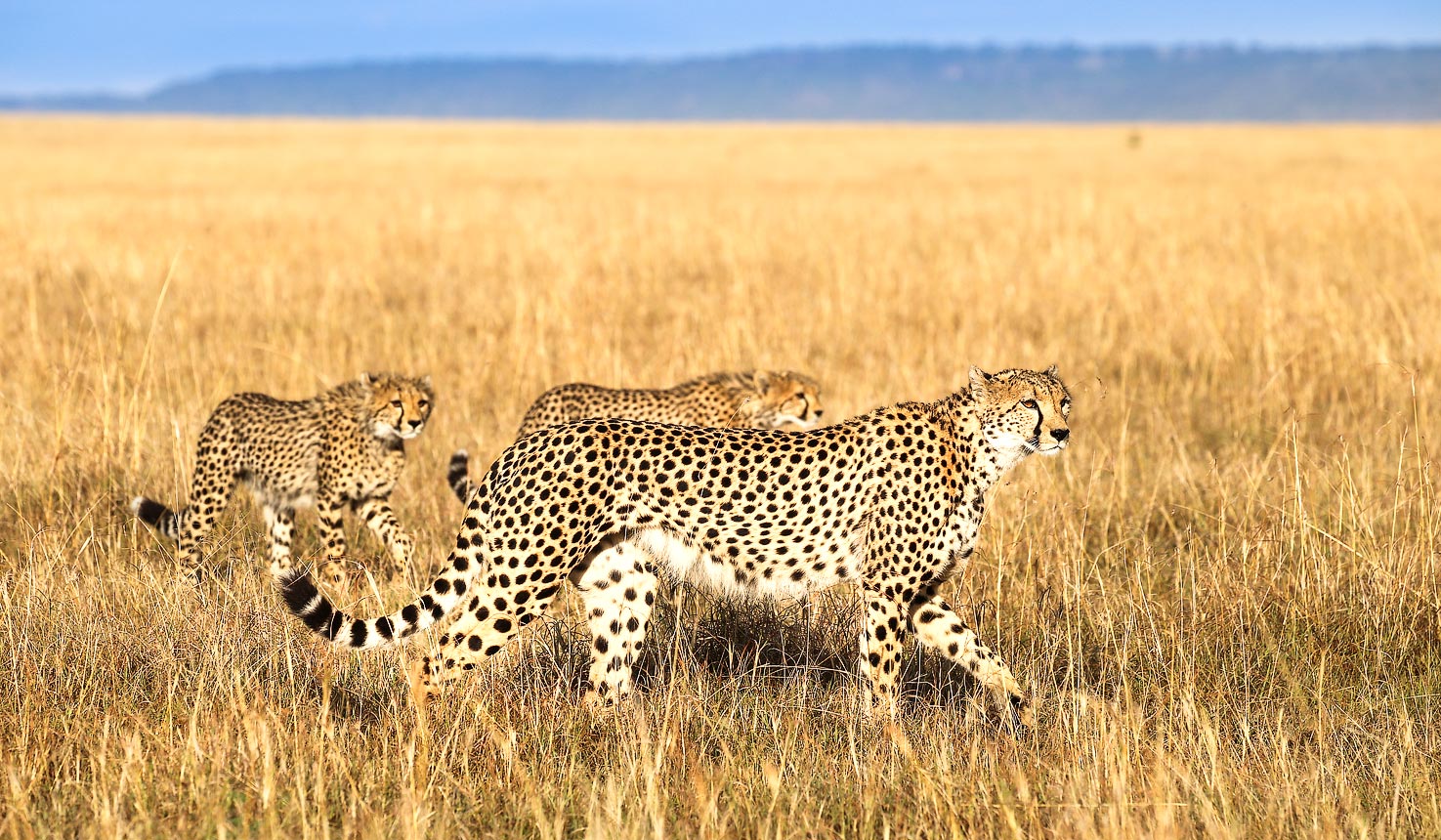
The recovery — driven by sustained investment in ranger training and equipment, anti-poaching enforcement, community benefit-sharing programmes, and the gradual return of political stability to Uganda — has been one of the most remarkable conservation success stories in East African history. The elephant population has recovered from 250 to over 1,500. Buffalo herds number in the thousands. Lions, leopards, and cheetahs have all returned to significant population levels. And the Uganda Wildlife Authority’s management of the park today — while facing ongoing challenges from encroachment, human-wildlife conflict, and the economic pressures of the surrounding communities — represents a genuine commitment to maintaining and expanding the recovery that the past three decades have achieved.
Visiting Murchison Falls today — witnessing the abundance of the north bank savannah, the extraordinary concentration of hippos in the river, the return of the lions to the open grassland — is to witness the rewards of that commitment. And every visitor’s conservation fee, every permit purchased, and every night spent in a park lodge contributes directly to the ongoing work of maintaining it.
Practical Information
Getting There:
By Road: Murchison Falls National Park is approximately 305 kilometres north of Kampala — a journey of 4 to 5 hours via the Kampala-Gulu highway, passing through Ziwa Rhino and Wildlife Ranch (strongly recommended as an en-route stop for rhino tracking). The road is good tarmac to the park boundary and reasonable graded track within the park. A 4WD vehicle is recommended for game drives within the park.
By Air: Pakuba Airstrip within the park and Bugungu Airstrip at the park’s western boundary both receive scheduled and charter light aircraft flights from Entebbe International Airport — flight time approximately 1 hour 15 minutes. Flying to Murchison is strongly recommended for visitors with limited time and is the most efficient way to maximise time in the field.
Best Time to Visit: Murchison Falls can be visited year-round. The dry seasons (June–September and December–February) offer the most concentrated wildlife viewing and the most reliable game drive conditions. The wet seasons (March–May and October–November) bring lush green landscapes, excellent birdlife including migratory species, and fewer visitors — the park at its most peaceful and most atmospheric.
Duration: A minimum of 2 nights (allowing one full day with morning game drive, afternoon boat safari, and optional falls walk) provides a satisfying introduction to the park. 3 nights allows more comprehensive coverage including a Budongo Forest chimpanzee tracking excursion and a full second day of north bank game drives.
Park Fees: Uganda Wildlife Authority park fees and boat safari fees are included in all Ntungo Wildlife Safaris Murchison Falls packages.
Why Murchison Falls Belongs at the Heart of Every Uganda Safari
There is a temptation in planning a Uganda safari to focus exclusively on the gorillas of Bwindi, the chimpanzees of Kibale, and the tree-climbing lions of Queen Elizabeth — the headline experiences that have made Uganda famous in the global safari market.
These are extraordinary experiences. They belong in any Uganda itinerary.
But Murchison Falls National Park offers something that none of Uganda’s other parks can provide: the combination of the Nile — the world’s longest river, carrying the drainage of a continent through a landscape of ancient savannah — with the most powerful waterfall in Africa, an extraordinary boat safari of three hours along one of the finest waterway wildlife corridors on the continent, and a savannah big game experience of genuine world-class quality.
The falls are unlike anything else in Uganda. The boat safari is unlike anything else in East Africa. The north bank game drives — the giraffes browsing the acacia canopy, the elephants drinking at the river, the lions resting in the woodland shade — are among Uganda’s finest wildlife experiences.
Murchison Falls is not a compromise destination. It is not a second-tier experience for visitors who cannot reach the gorillas. It is one of the great safari destinations of East Africa — a park of extraordinary scale, extraordinary wildlife, and extraordinary natural drama that deserves to be known, visited, and celebrated as the crown jewel of Uganda’s wildlife heritage that it genuinely is.
The Nile is waiting. The falls are thundering. The hippos are in the river.
Come and witness it.
Contact Ntungo Wildlife Safaris to plan your Murchison Falls National Park safari — as a standalone experience, combined with Kibale, Bwindi, and Queen Elizabeth on a complete Uganda circuit, or extended with a Rwanda gorilla trekking addition. We offer itineraries across all accommodation tiers with private guiding, light aircraft transfers, and seamless logistics from Entebbe to departure.
📩 info@ntungosafaris.com 🌐 www.ntungosafaris.com 📞 +256 771 399299 / +256 706 772990
Light aircraft seats to Murchison Falls during peak season (June–September) book up in advance. Early reservation is strongly recommended for preferred travel dates.