
Guide to Kibale Forest National Park: The Primate Capital of the World
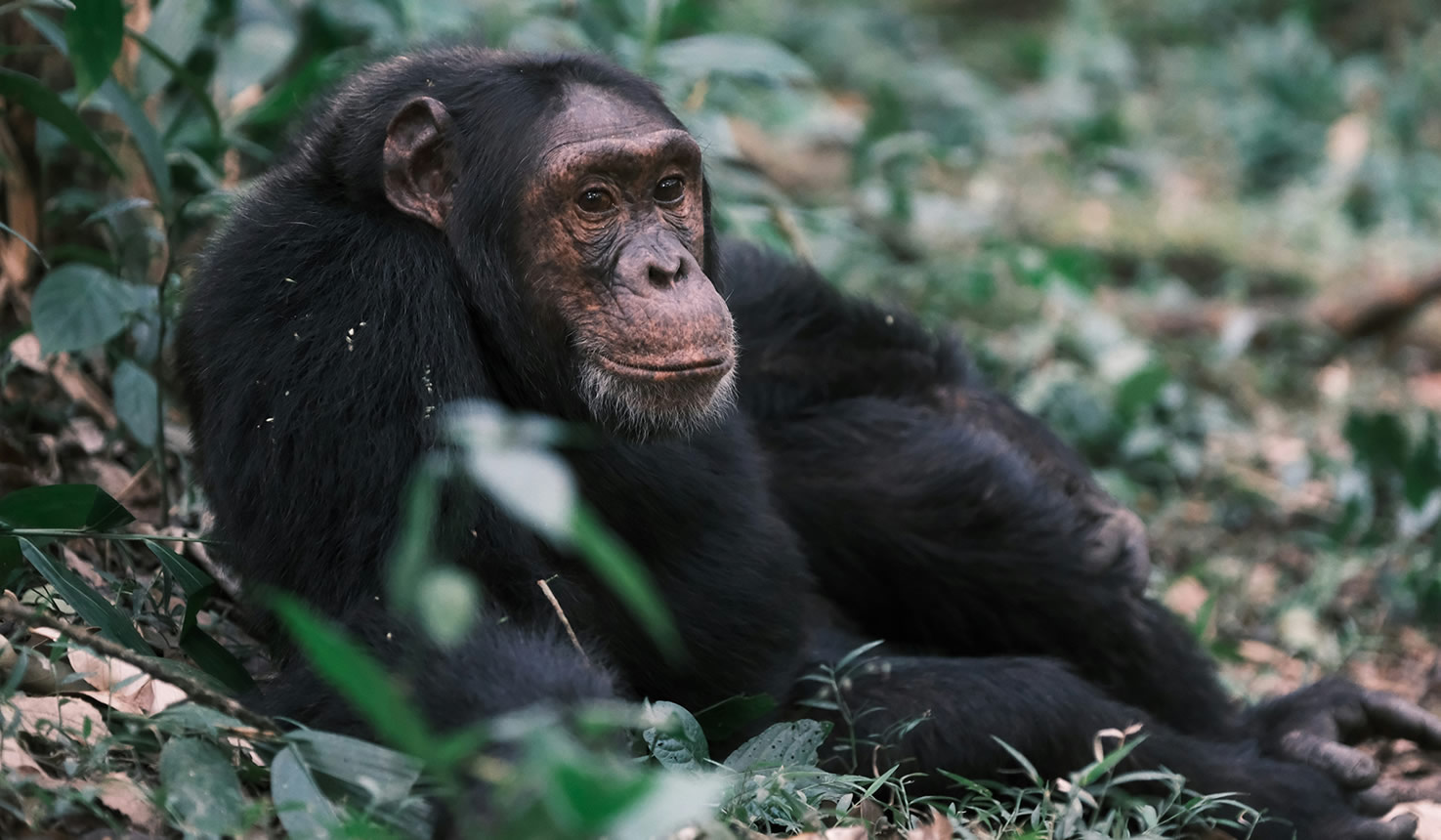
In the heart of western Uganda lies one of Africa’s most remarkable rainforest ecosystems—Kibale National Park. Known as the “Primate Capital of the World,” this lush tropical forest is home to the highest concentration of primates in East Africa, making it one of the best destinations for chimpanzee tracking.
From the moment you step into Kibale’s dense forest, you are immersed in a world of towering trees, vibrant birdlife, and the distant calls of chimpanzees echoing through the canopy. Whether you are a wildlife enthusiast, a nature lover, or an adventure seeker, Kibale offers an experience that is both thrilling and deeply enriching.
Introduction to Kibale National Park
Kibale National Park covers approximately 795 square kilometers of tropical rainforest, stretching across districts such as Kabarole and Kamwenge. The park is part of a larger ecosystem that includes Queen Elizabeth National Park, forming a wildlife corridor that supports diverse species.
The forest itself is ancient, with some areas believed to have existed for thousands of years. Its dense vegetation includes hardwood trees, swampy areas, and open grasslands, creating a rich and varied habitat for wildlife.
However, what truly sets Kibale apart is its primate population.
Why Kibale Is Famous
Kibale National Park is best known for its large population of chimpanzees, with over 1,500 individuals living in the forest. In addition, the park hosts 12 other primate species, including:
Red colobus monkeys
Black-and-white colobus monkeys
L’Hoest’s monkeys
Grey-cheeked mangabeys
Olive baboons
This incredible diversity makes Kibale one of the top primate tracking destinations in the world.
Chimpanzee Tracking in Kibale
What Is Chimpanzee Tracking?
Chimpanzee tracking is the highlight of any visit to Kibale National Park. It involves guided treks through the forest in search of habituated chimpanzee groups.
How the Experience Works
Your day begins early with a briefing at the park headquarters. Experienced guides explain the rules and what to expect before assigning you to a group.
Once inside the forest, the adventure begins. You walk along narrow trails, listening carefully for chimpanzee calls and watching for signs such as nests or broken branches.
The trek can take anywhere from 1 to 4 hours, depending on the location of the chimps.
The Encounter
When you finally find them, the experience is unforgettable.
Chimpanzees are highly active and social animals. You may see them:
Swinging through trees
Feeding on fruits
Grooming each other
Communicating with loud calls
Visitors are allowed one hour with the chimpanzees, during which you can observe and photograph their behavior.
Chimpanzee Habituation Experience
For those seeking a deeper experience, Kibale offers a chimpanzee habituation experience.
Unlike standard tracking, this allows you to spend up to four hours with chimpanzees that are still getting used to human presence. You will join researchers and trackers, gaining insight into chimpanzee behavior and conservation.
Other Activities in Kibale National Park
Kibale is not just about chimpanzees—it offers a variety of activities that showcase its rich biodiversity.
- Guided Nature Walks
Nature walks provide an opportunity to explore the forest at a slower pace. Accompanied by a guide, you will learn about:
Medicinal plants
Forest ecology
Animal tracks and signs
These walks are perfect for those interested in botany and conservation.
- Bigodi Wetland Sanctuary
Located just outside the park, the Bigodi Wetland Sanctuary is a must-visit.
This community-run conservation area is famous for:
Birdwatching (over 200 species)
Primates such as colobus monkeys
Scenic boardwalk trails
It also offers a chance to support local communities through tourism.
- Birdwatching
Kibale National Park is a paradise for bird lovers, with over 375 bird species recorded.
Notable Birds:
African pitta
Green-breasted pitta
Great blue turaco
Hornbills and kingfishers
The forest’s diverse habitats make it ideal for year-round birdwatching.
- Cultural Experiences
Visitors can engage with local communities around Kibale to learn about traditional lifestyles.
Activities include:
Visiting local farms
Traditional dances and storytelling
Craft-making demonstrations
These experiences add cultural depth to your safari.
Wildlife and Biodiversity
Beyond primates, Kibale is home to a variety of wildlife.
Mammals:
Forest elephants
Bush pigs
Duikers
Though less commonly seen, these animals contribute to the park’s ecological richness.
Best Time to Visit Kibale
Kibale National Park can be visited year-round, but the best time for chimpanzee tracking is during the dry seasons:
June to September
December to February
During these months, trails are less muddy and trekking is easier.
However, the wet season offers lush scenery and excellent birdwatching opportunities.
Accommodation Options
Kibale offers a range of accommodations to suit all budgets:
Luxury Lodges
Forest lodges with premium amenities
Stunning views and personalized service
Mid-Range Lodges
Comfortable and well-located
Great value for money
Budget Options
Guesthouses and campsites
Most lodges are located near the park entrance for easy access to activities.
Combining Kibale with Other Destinations
Kibale is often included in longer safari itineraries, combined with:
Queen Elizabeth National Park for wildlife safaris
Bwindi Impenetrable National Park for gorilla trekking
Murchison Falls National Park for waterfalls and game drives
This creates a diverse and enriching Uganda safari experience.
Why Visit Kibale National Park?
Kibale stands out as one of the best destinations in Uganda because of:
Exceptional chimpanzee tracking experiences
High concentration of primates
Rich biodiversity and forest ecosystems
Variety of activities beyond trekking
Easy combination with other parks
It offers a unique blend of adventure, education, and conservation.
For travelers exploring Uganda, Kibale National Park is an essential destination—one that offers not just memories, but a deeper appreciation of the natural world.
[…] Lake Manyara Tree Lodge — Built within the national park’s groundwater forest itself — the only lodge with this privilege — the Tree Lodge offers nine treehouses elevated […]