
Kidepo Valley National Park
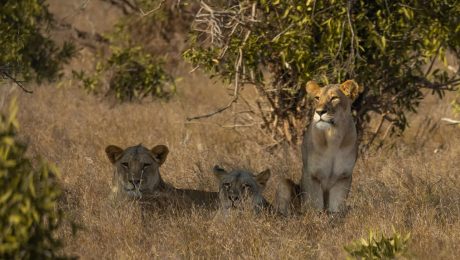
Guide to Kidepo Valley National Park: Uganda’s Untamed Wilderness
Hidden in the far northeastern corner of Uganda, bordering South Sudan and Kenya, lies one of Africa’s most untouched and spectacular safari destinations—Kidepo Valley National Park. Remote, rugged, and incredibly beautiful, Kidepo is often described as Uganda’s best-kept secret.
Unlike the more visited parks in the country, Kidepo offers a raw and authentic wilderness experience. Vast open plains stretch to the horizon, dramatic mountain ranges frame the landscape, and wildlife roams freely with little human interference. For travelers seeking solitude, adventure, and a true connection with nature, Kidepo Valley National Park is unmatched.
Introduction to Kidepo Valley National Park
Established in 1962, Kidepo Valley National Park covers approximately 1,442 square kilometers of semi-arid savannah, rocky outcrops, and seasonal rivers. It is one of the most isolated national parks in East Africa, which has helped preserve its pristine condition and unique ecosystem.
The park is named after the seasonal Kidepo River, which flows through the northern valley, creating a dramatic dry riverbed during most of the year. Another key feature is the Narus Valley, a permanent water source that attracts large concentrations of wildlife.
Kidepo’s remoteness is part of its charm—it offers an exclusive safari experience far from the crowds.
Location and How to Get There
Kidepo Valley National Park is located in the Karamoja region of northeastern Uganda, one of the most culturally rich and least explored parts of the country.
By Road
The journey from Kampala takes approximately 10–12 hours, passing through Gulu or Moroto. Though long, the drive offers a fascinating glimpse into rural Uganda and the unique Karamoja landscape.
By Air
Domestic flights from Entebbe to Apoka Airstrip provide a quicker and more comfortable option, with stunning aerial views of the terrain.
Landscape and Scenery
Kidepo Valley National Park is widely regarded as one of the most scenic parks in Africa.
The park is framed by rugged mountain ranges, including the Morungole Mountains, which rise dramatically above the plains. The vast savannah is dotted with acacia trees, rocky kopjes, and seasonal rivers.
During the dry season, the Kidepo River transforms into a dry, sandy riverbed lined with palm trees—a striking and almost surreal landscape.
In contrast, the Narus Valley remains green year-round, attracting wildlife and providing excellent game viewing opportunities.
Wildlife in Kidepo Valley National Park
Kidepo boasts one of the richest wildlife populations in Uganda, including species not commonly found in other parts of the country.
Key Wildlife Highlights:
- Lions, often seen resting on الصخور or hunting in the plains
- Leopards and cheetahs (rare elsewhere in Uganda)
- Elephants and buffaloes
- Giraffes and zebras
- Ostriches, unique to this region in Uganda
- Hyenas, jackals, and various antelope species
The park is home to over 75 mammal species, making it a top destination for wildlife enthusiasts.
Game Drives in Kidepo
Game drives are the primary way to explore the park, particularly in the Narus Valley where animals gather around water sources.
Best Game Drive Times:
- Early morning for predators
- Late afternoon for general wildlife viewing
Because of the park’s low visitor numbers, game drives in Kidepo feel exclusive and intimate. You may go hours without seeing another vehicle, enhancing the sense of wilderness.
Birdwatching in Kidepo
Kidepo Valley National Park is also a paradise for birdwatchers, with over 470 recorded bird species.
Notable Birds:
- Ostriches
- Secretary birds
- Kori bustards
- Abyssinian ground hornbills
The park’s diverse habitats—from savannah to river valleys—support a wide variety of birdlife.
Cultural Encounters with the Karamojong
A visit to Kidepo is not complete without experiencing the culture of the Karamojong people, one of Uganda’s most traditional communities.
Cultural Experiences Include:
- Visiting traditional manyattas (homesteads)
- Learning about pastoral lifestyles
- Traditional dances and storytelling
The nearby Ik people, living in the Morungole Mountains, offer another unique cultural experience, providing insight into one of Uganda’s smallest ethnic groups.
Best Time to Visit
Kidepo Valley National Park can be visited year-round, but the best time is during the dry seasons:
- September to March
During this period, wildlife gathers around water sources, making it easier to spot animals.
The wet season, while more challenging for travel, brings lush greenery and dramatic skies.
Accommodation Options
Despite its remote location, Kidepo offers a range of accommodations:
Luxury Lodges
- Stunning views of the savannah
- High-end comfort in the wilderness
Mid-Range Lodges
- Comfortable and well-located
- Ideal for most travelers
Budget Options
- Campsites and basic bandas
Most accommodations are located near Apoka, the park’s main tourism hub.
Why Visit Kidepo Valley National Park?
Kidepo stands out for its authenticity and untouched beauty. It offers:
- A true off-the-beaten-path safari
- Unique wildlife not found elsewhere in Uganda
- Stunning and dramatic landscapes
- Rich cultural experiences
It is a destination for travelers who want more than just a safari—it is for those seeking adventure and discovery.
Combining Kidepo with Other Destinations
While remote, Kidepo can be combined with other Ugandan destinations:
- Murchison Falls National Park for classic wildlife and waterfalls
- Bwindi Impenetrable National Park for gorilla trekking
- Queen Elizabeth National Park for diverse ecosystems
This creates a comprehensive safari itinerary across Uganda.
- Published in Destinations, National Parks