
Day 1: Kampala to Queen Elizabeth National Park
Your adventure begins in Kampala, Uganda's sprawling, energetic capital, perched across seven hills above Lake Victoria. After a hearty breakfast at your hotel, your driver-guide — knowledgeable, experienced, and your companion for the days ahead — will collect you and load the vehicle for the journey southwest. From the moment you leave the city, Uganda begins to reveal itself in layers.
The drive out of Kampala takes you through the suburban sprawl of Entebbe Road before the city gradually gives way to open countryside. The landscape transforms quickly — red laterite roads branch off the tarmac into villages where children wave from doorways and women balance bright loads on their heads. This is rural Uganda at its most authentic, and it sets the tone for everything that follows.
Roughly an hour south of Kampala, you reach the Equator crossing at Kayabwe — one of the most visited stops on the western circuit. Here, a painted monument straddles the invisible line that divides the Earth's hemispheres, and local guides perform the famous Coriolis demonstration, showing how water drains in opposite directions just metres apart on either side of the line. It's a popular photo stop and a satisfying reminder of just how far from home you've ventured.
Back on the road, the highway climbs into the highlands of Mpigi and Masaka districts, where the air is noticeably cooler and the hills are stitched with tea estates and banana groves. Uganda is one of the world's leading banana producers, and nowhere is this more apparent than along this route — entire hillsides disappear beneath the broad, flat leaves of matooke plantations, the starchy cooking banana that forms the foundation of Ugandan cuisine.
By midday you arrive in Mbarara, the largest city in western Uganda and the undisputed heartland of the Ankole people. Lunch here offers a chance to stretch your legs, try local food, and absorb the pace of a city that blends traditional pastoral culture with modern commerce. Mbarara is the gateway to Ankole country, and as you continue westward after lunch, the landscape opens up into sweeping grasslands where herds of the magnificent long-horned Ankole cattle graze in the golden afternoon light. These animals are more than livestock — they are a symbol of wealth, identity, and prestige in Banyankole culture, and the sight of them moving slowly across the hillsides, their enormous curved horns catching the sun, is one you won't easily forget.
The road continues through smaller trading centres and increasingly wild terrain as you approach the Albertine Rift Valley — the deep geological scar that runs along Uganda's western border and hosts an extraordinary concentration of biodiversity. Queen Elizabeth National Park comes into view as the land flattens and the distant blue silhouette of the Rwenzori Mountains — the fabled Mountains of the Moon — rises along the horizon. You arrive at your lodge in the late afternoon, just in time to settle in, pour a cold drink, and watch the sun descend over the park in a blaze of orange and purple.
Meals: Lunch & Dinner Luxury: Mweya Safari Lodge | Midrange: Parkview Safari Lodge

Day 2: Game Drive & Kazinga Channel Boat Cruise
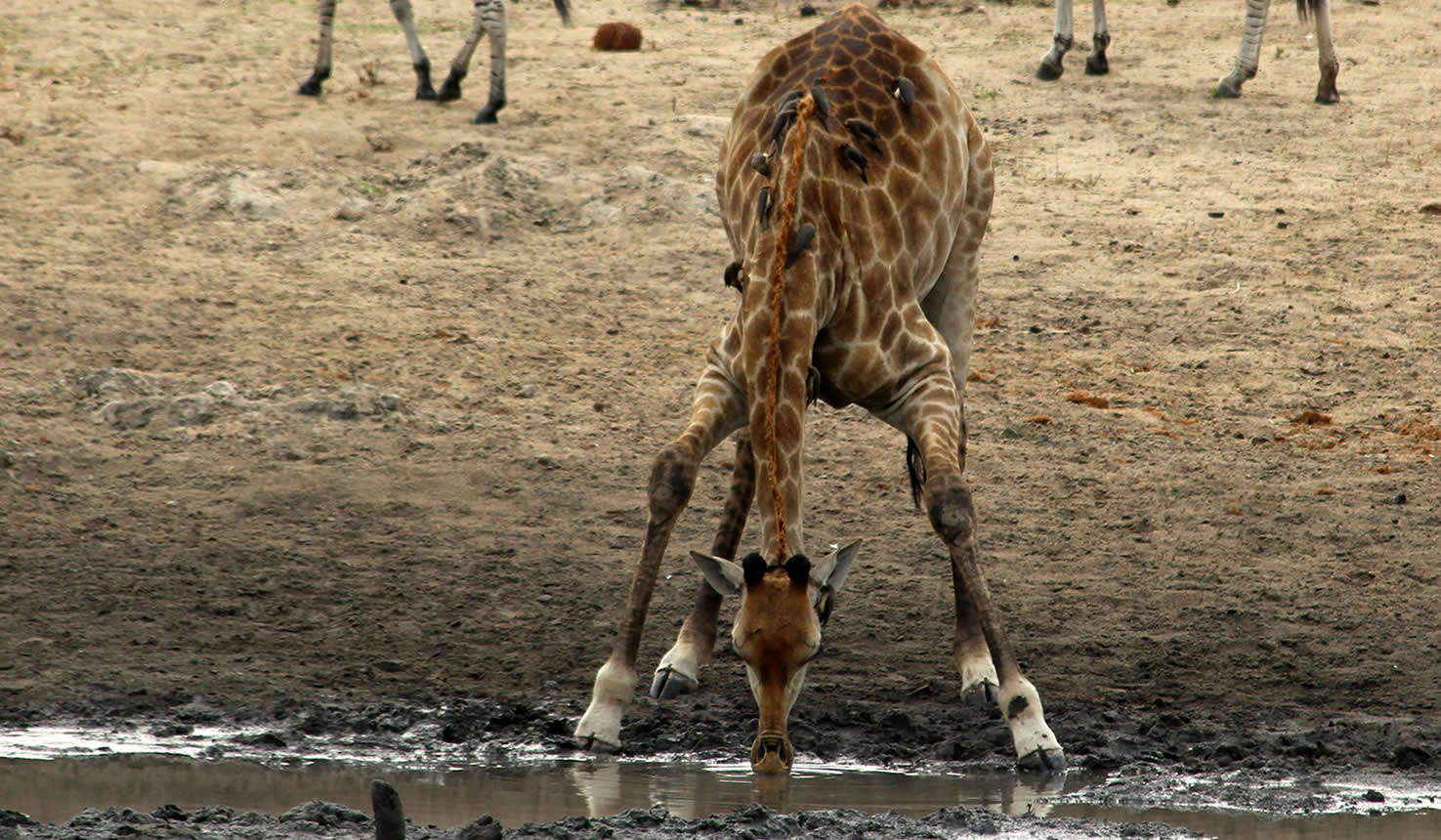
Queen Elizabeth National Park is Uganda's most visited and arguably most diverse national park — a mosaic of savannah, wetlands, crater lakes, and tropical forest spread across 1,978 square kilometres along the floor of the Albertine Rift. It is home to over 95 mammal species and more than 600 bird species, making it one of the richest ecosystems on the African continent. Today you explore it from two very different vantage points: the open plains at dawn, and the water at midday.
You're on the road before the sun is fully up, driving out to the Kasenyi Plains in the northern section of the park as the sky shifts from indigo to gold. The Kasenyi area is renowned for its lion population — prides here are large and relatively accustomed to vehicles, making for outstanding viewing. In the early morning light, you might find them stretched out on termite mounds, cubs tumbling over sleeping adults, or a coalition of males patrolling the edge of their territory. Leopards are also present, though considerably more elusive, and a dedicated tracker with sharp eyes and patience sometimes turns one up in the acacia scrub.
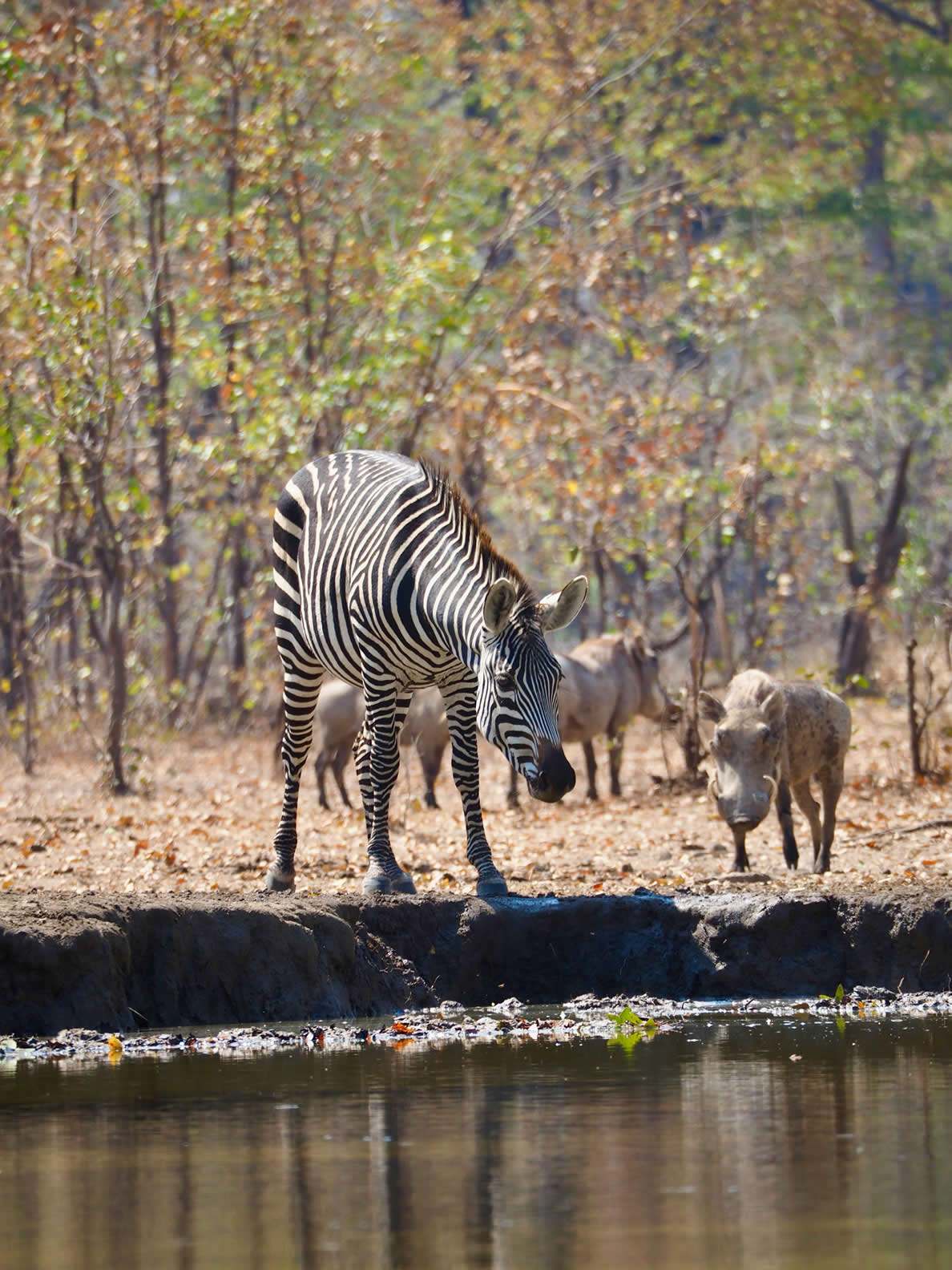
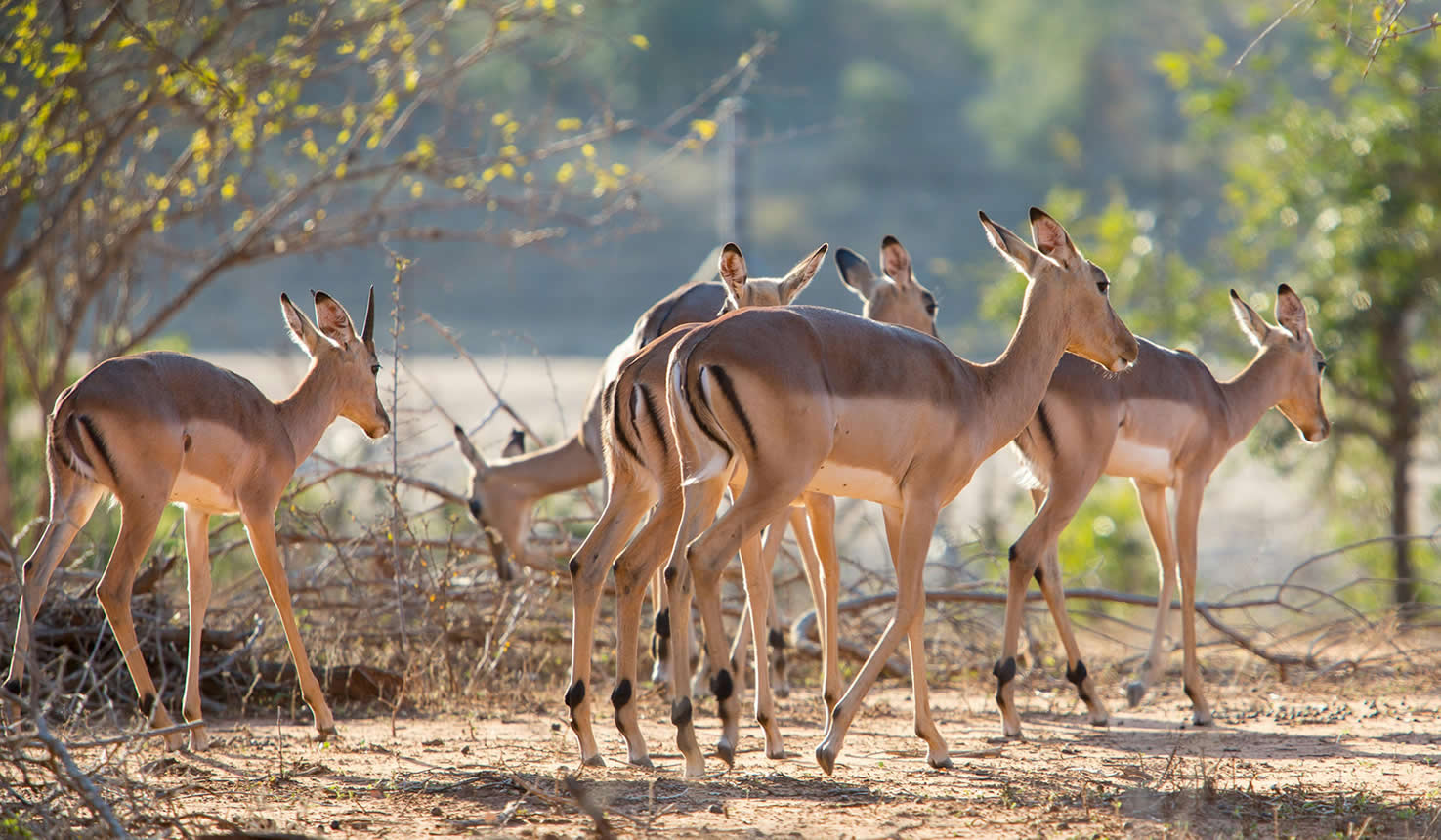
As the morning warms up, the plains come alive with Uganda kob — the graceful antelope that features on the Ugandan coat of arms — along with topi, oribi, and warthog families trotting with their tails raised like small flags. Elephant herds move through the open ground between the park's many crater lakes, pausing to drink and bathe, while giant forest hogs — the world's largest pig species — crash through the undergrowth at the forest edges. Birding along the way is exceptional: the African fish eagle, grey crowned crane (Uganda's national bird), malachite kingfisher, and the comically oversized shoebill stork have all been spotted in this area.
You return to the lodge for a late breakfast or brunch and a chance to rest during the heat of the day before reconvening at the waterfront for the afternoon's main event.
The Kazinga Channel is a natural waterway 32 kilometres long that connects Lake George to the east with the much larger Lake Edward to the west. It is not a river — there is no current — and its calm, warm, papyrus-fringed waters are among the most wildlife-dense in Africa. Your wooden-hulled boat pulls away from the jetty as the afternoon sun hangs low over the water, and within minutes the spectacle begins.
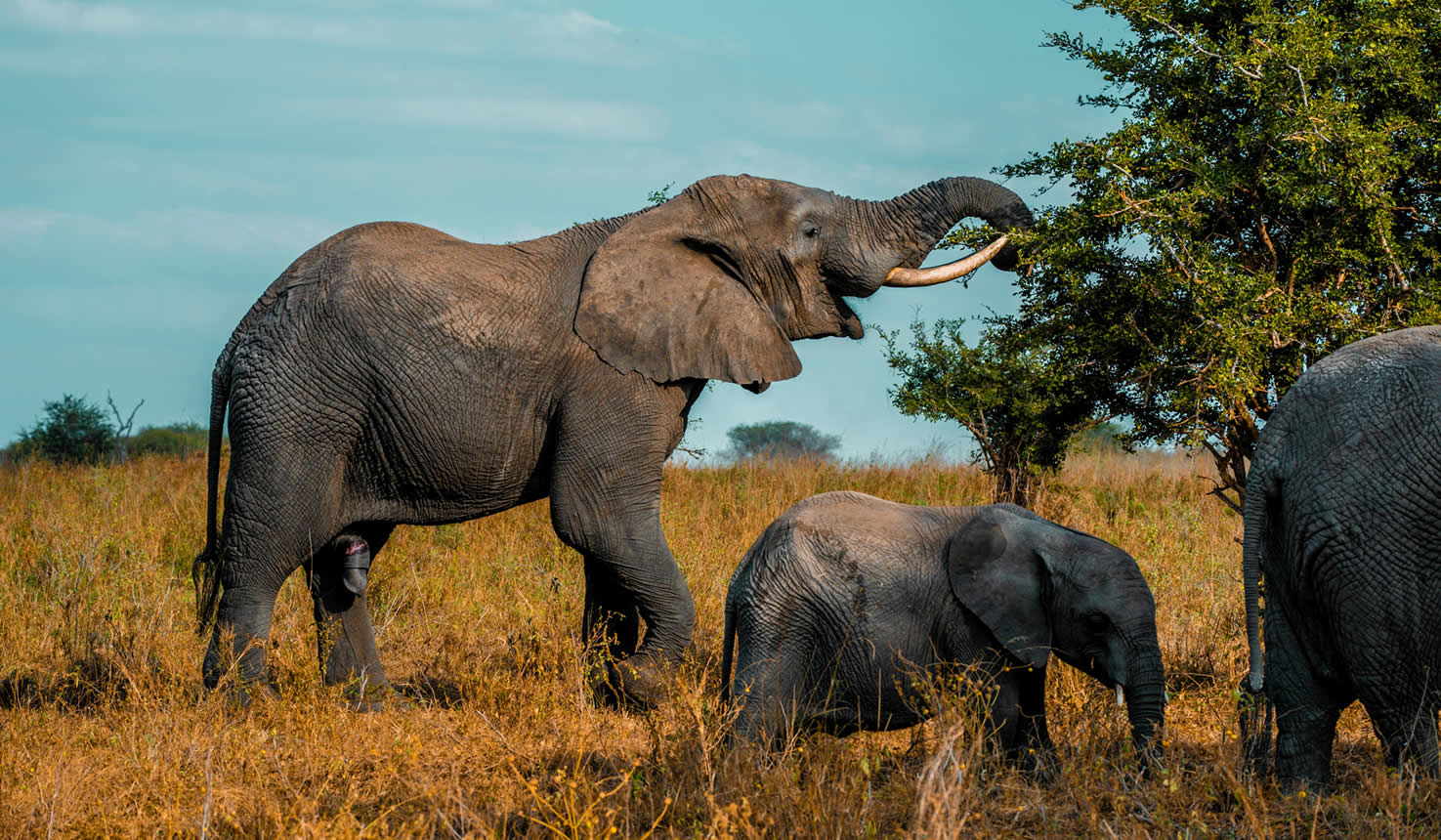
The channel banks are lined, almost without interruption, by hippopotami. Uganda is estimated to hold one of the largest hippo populations in Africa, and nowhere is this more apparent than the Kazinga Channel, where pods of fifty or more animals grunt and splash in the shallows. Enormous Nile crocodiles are draped on every available sandbank, and as you drift past, water monitors slip silently into the water and disappear. Buffalo herds come down to drink in their hundreds in the late afternoon, standing chest-deep in the channel as oxpeckers pick parasites from their hides. Elephant families wade in from the northern bank, spraying water over their backs and tumbling calves into the shallows.
Above the water, the birdlife is staggering — African skimmers skim the surface with their elongated lower mandibles trailing the water, while pied and malachite kingfishers dart like jewels between the reeds. Pink-backed pelicans, yellow-billed storks, African spoonbills, and great white egrets crowd the fishing spots, and the rare Goliath heron — standing nearly 1.5 metres tall — stalks the margins with prehistoric gravity.
After three hours on the water you return to the jetty as the light fades, the choice ahead being a final evening game drive or a quiet dinner on the lodge terrace with the sounds of the African night rising around you.
Meals: Breakfast, Lunch & Dinner Luxury: Mweya Safari Lodge | Midrange: Parkview Safari Lodge
Day 3: Ishasha Sector & Transfer to Bwindi Impenetrable Forest
This morning marks a shift in the journey — from the open savannahs of Queen Elizabeth to the ancient montane forests of the south. After an early breakfast, you load the vehicle and head south along a road that traces the western edge of the park through increasingly remote and beautiful country.
The Ishasha Sector occupies the southern tip of Queen Elizabeth National Park, separated from the main park by the Ishasha River and far less visited than the northern areas around Mweya. This relative isolation gives Ishasha a wilder, more untouched feel — the landscape here is characterised by wide, open floodplains cut through by seasonal rivers and dotted with enormous fig trees whose broad canopies spread like natural umbrellas over the grassland.
It is in these fig trees that Ishasha's most celebrated residents make their home. The tree-climbing lions of Ishasha are one of Uganda's most extraordinary wildlife phenomena — lions worldwide are ground-dwellers by nature, but the Ishasha prides have developed the unusual habit of hauling themselves into the branches of fig and acacia trees, sometimes five or six metres off the ground, where they drape themselves across the boughs with supreme indifference to the laws of physics. The behaviour is thought to offer relief from insects, better vantage points, or simply cooler air — no one is entirely certain. Whatever the reason, watching a fully grown lion climb a tree with languid ease, or finding a pride of eight animals distributed across the branches of a single fig tree, is one of the most surreal and memorable wildlife sights in Africa.
Your 2-hour game drive through Ishasha winds along the floodplains and beneath the tree lines, your guide scanning the canopy as intently as the ground. Alongside the lions, the sector supports healthy populations of Uganda kob, topi, African buffalo, hippopotamus along the river, and an impressive checklist of birds including the striking black-and-white casqued hornbill and the yellow-throated coucal. The Congo basin lies just across the Ishasha River to the west, and on clear days its dense forest wall is visible from the plains — a reminder of how close you are to one of the world's great wilderness areas.
After the game drive, you settle in for a picnic lunch in the bush — sandwiches, fruit, and cold drinks consumed in the shade of an acacia while birds argue overhead — before the vehicle climbs away from the valley floor and begins the long ascent into the highlands.
The drive to Bwindi takes you through landscapes that feel increasingly dramatic as the altitude rises. The road winds through small highland trading posts where eucalyptus trees crowd the roadside and farmers tend terraced plots of sorghum and sweet potato on near-vertical hillsides. The air cools noticeably as you climb, and mist begins to gather in the valleys below. Then, suddenly, the forest appears — a wall of dark, ancient green rising from the ridge line, denser and more impenetrable-looking than anything encountered so far. This is Bwindi.
Bwindi Impenetrable National Park is a UNESCO World Heritage Site covering 331 square kilometres of montane and lowland rainforest in southwestern Uganda. It is one of the oldest forests in Africa — estimated to have existed continuously for over 25,000 years, surviving the climatic shifts that stripped much of the continent of its forest cover during the last Ice Age. As a result, it harbours an almost incomprehensible diversity of life: over 1,000 plant species, 350 bird species, 120 mammal species, and more than half of the world's remaining mountain gorillas. You arrive at your lodge on the forest edge as darkness falls, the sounds of the night forest already beginning — the chirp of tree frogs, the distant hoot of an owl, the wind moving through the canopy far above.
Meals: Breakfast, Lunch & Dinner Luxury: Kiho Gorilla Lodge | Midrange: Gorilla Mist Camp
Day 4: Gorilla Tracking & Transfer to Lake Bunyonyi
There is no gentle way to describe what today holds: it is, for most people who make this journey, the most extraordinary wildlife experience of their lives.
Rise early. The forest is already awake — a chorus of birds and insects fills the cool air as you dress and sit down to a hot breakfast. By 7:30am you are at the park headquarters, joining the small group of visitors assigned to your gorilla family for a briefing with the Uganda Wildlife Authority rangers who will lead the trek. The rangers explain what to expect: the gorillas are habituated to human presence but they are wild animals, and the forest is their world, not yours. You'll walk in single file, follow instructions quietly, maintain a distance of seven metres, and limit your time with the animals to exactly one hour. No exceptions.
The trailhead is just beyond the park boundary fence. The moment you step into Bwindi, the world changes. Sunlight filters through gaps in the canopy sixty feet above, illuminating columns of mist and the extraordinary tangle of vegetation below — ancient hardwood trees wrapped in strangler figs, their roots like collapsed staircases; enormous tree ferns that seem to belong to a prehistoric age; mosses, lichens, and liverworts covering every surface in a continuous green carpet. The forest floor is steep, muddy, and root-riddled, and progress is slow. Porters are available to carry bags and offer support on difficult sections — a worthwhile consideration, and one that provides direct employment for local community members.
The trek itself can take anywhere from forty-five minutes to four hours depending on where the gorillas have settled overnight. Rangers receive radio updates from trackers who have been following the family since dawn, so the route adjusts in real time. You might traverse a ridge, descend into a ravine, push through dense undergrowth with gloved hands, and emerge into a small clearing — and there they are.
The Bwindi mountain gorillas. A silverback, perhaps 200 kilograms of muscle and calm authority, sitting with his back to a tree and pulling apart a stem of wild celery with his fingers. Around him, females groom one another, juveniles wrestle and chase through the undergrowth, and an infant clings to its mother's chest and stares at you with enormous dark eyes. The silence in the group of visitors is instinctive — not required, just inevitable. You are standing in the presence of something ancient and profound, and the body responds before the mind can find words.
For one hour you watch, photograph, and simply witness. The gorillas ignore you almost entirely, going about the business of their morning — eating, resting, playing, nursing — with a degree of self-possession that is deeply humbling. The silverback occasionally glances in your direction, a brief, calm assessment, before returning to his celery. Then the rangers signal that time is up, and you walk back through the forest in something close to silence.
After returning to the lodge for a final lunch in the highlands, you make the short transfer east to Lake Bunyonyi. The lake sits at 1,962 metres above sea level and is one of the deepest in Africa, its surface scattered with 29 forested islands and ringed by the steep, terraced hillsides that have earned this region comparison with the Swiss Alps. The light on the water in the late afternoon is extraordinary — soft, golden, utterly still — and after the intensity of the gorilla trek, the calm of the lake is a perfect counterpoint. The evening is yours entirely.
Meals: Breakfast, Lunch & Dinner Luxury: Birdnest Resort | Midrange: Arcadia Cottages
Day 5: Return to Kampala / Entebbe
The final morning comes gently. Breakfast is taken without urgency — perhaps on a veranda facing the water, watching the morning mist lift from the lake's surface as fishermen in dugout canoes move silently between the islands. Lake Bunyonyi has a way of making departure feel premature, and that feeling is worth sitting with for a while before the bags are loaded.
The return drive to Kampala or Entebbe covers roughly 400 kilometres and takes between six and seven hours with stops. The route retraces much of the outward journey in reverse, though the landscape seems to reveal different details on the return — a village market that was quiet on the way out now buzzing with colour and noise, the tea estates catching a different light, the Ankole countryside looking somehow both familiar and new.
Lunch is served at a comfortable restaurant en route, a chance to rest, reflect, and compare notes on five days of extraordinary experience. The conversation at the table will inevitably return to the gorillas — it always does — but there is plenty else to revisit: the hippo that surfaced two metres from the boat on the Kazinga Channel, the lion sleeping twenty feet up in a fig tree in Ishasha, the grey crowned cranes lifting off from the Kasenyi Plains in the early morning light.
The Equator crossing at Kayabwe offers a final stop — a last photo, a last spin of water in opposite directions, a last look at the monument that marks the middle of the Earth. It is a fittingly theatrical bookend to the journey.
From there, the road descends back toward Kampala, the city announcing itself first in the thickening traffic, then in the familiar spread of boda-bodas and roadside vendors and the distant shimmer of Lake Victoria. Your driver-guide delivers you to your hotel in the city or directly to Entebbe International Airport, depending on your onward plans. There will be handshakes, possibly photographs, and the particular quiet that comes at the end of a journey that has genuinely moved you.
Uganda is called the Pearl of Africa — a title coined by Winston Churchill over a century ago and one that the country, for all the complexity of its modern history, continues to earn. In five days you have crossed the Equator twice, watched lions in trees and gorillas in mist, cruised a channel alive with hippos, and driven through some of the most beautiful highland landscapes on the continent. Take it all home with you.
Meals: Breakfast & Lunch
What's Included
-
- All accommodation for 4 nights on a full-board basis (as per the lodge options listed)
-
- Airport/hotel pick-up and drop-off in Kampala or Entebbe
-
- All ground transportation in a private 4WD safari vehicle with pop-up roof
-
- Services of an English-speaking driver-guide throughout
-
- All park entry fees for Queen Elizabeth National Park and Bwindi Impenetrable National Park
-
- One gorilla trekking permit (Bwindi, Day 4)
-
- Morning game drive in Kasenyi Plains (Day 2)
-
- 3-hour Kazinga Channel boat cruise (Day 2)
-
- 2-hour game drive in Ishasha Sector (Day 3)
-
- All meals as specified in the daily itinerary (meals marked per day)
-
- Drinking water in the vehicle throughout the safari
-
- Equator stop at Kayabwe (both directions)
-
- Picnic lunch on Day 3 (Ishasha)
-
- Porter fees for gorilla trekking (Day 4)
What's Not Included
-
- International flights to and from Entebbe International Airport
-
- Uganda tourist visa (currently USD 50 for most nationalities — apply online at visas.immigration.go.ug)
-
- Travel insurance (required — must cover emergency medical evacuation)
-
- Meals not specified in the itinerary
-
- Alcoholic and soft drinks at lodges
-
- Gratuities and tips for driver-guide, lodge staff, rangers, and porters (recommended)
-
- Any additional activities not listed in the programme
-
- Personal items, laundry, and telephone charges at lodges
-
- COVID-19 or any other medical testing requirements
-
- Any costs arising from flight delays, cancellations, or itinerary changes beyond our control
-
- Anything not explicitly listed under "What's Included"
Where to Visit
-

Karibu KiliFair Experience
0 comments -
Nyungwe Forest National Park Rwanda
1 comments -
Ngorongoro Crater Tanzania
0 comments -
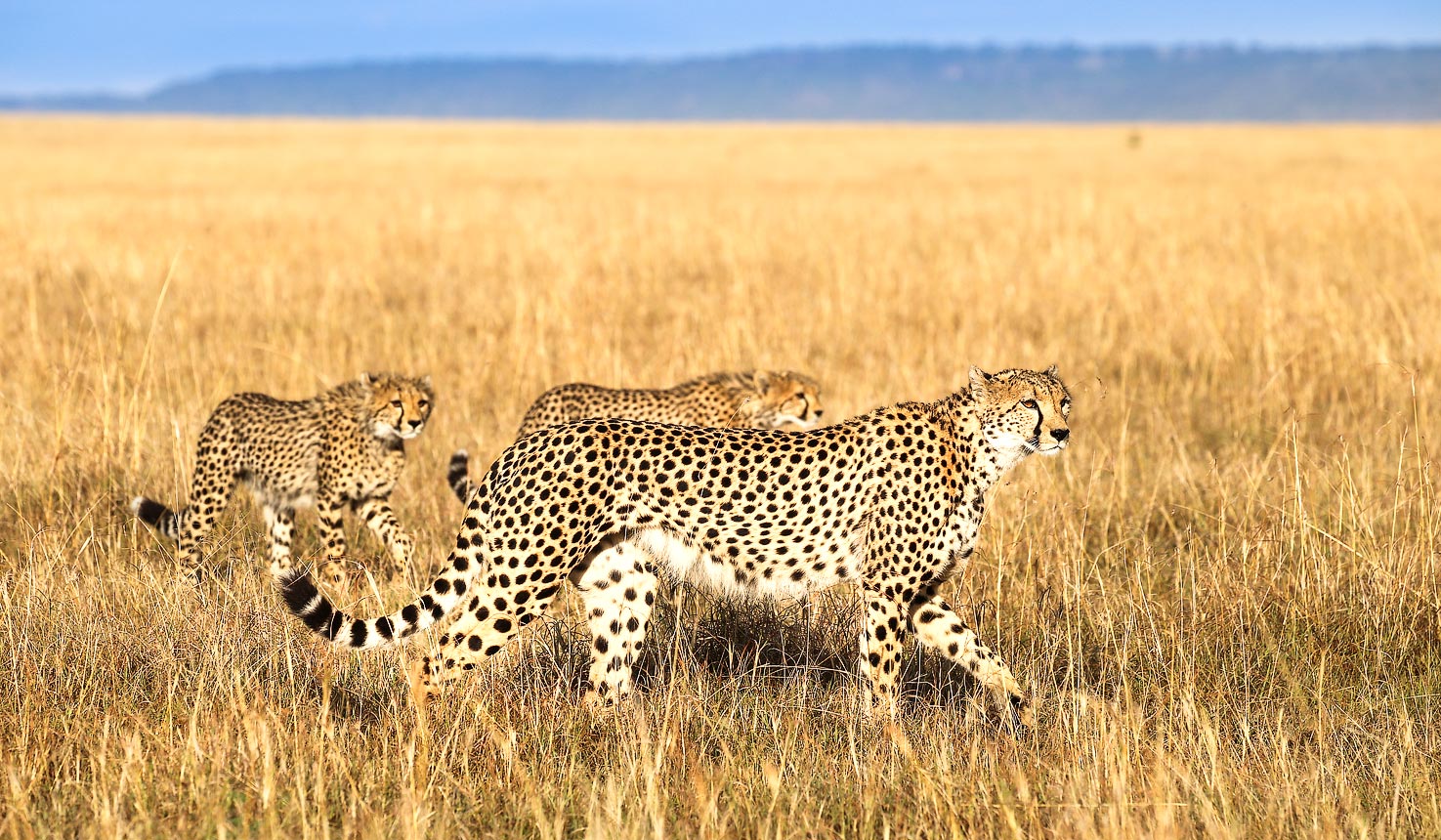
Serengeti National Park Tanzania
0 comments -
Mombasa
0 comments -
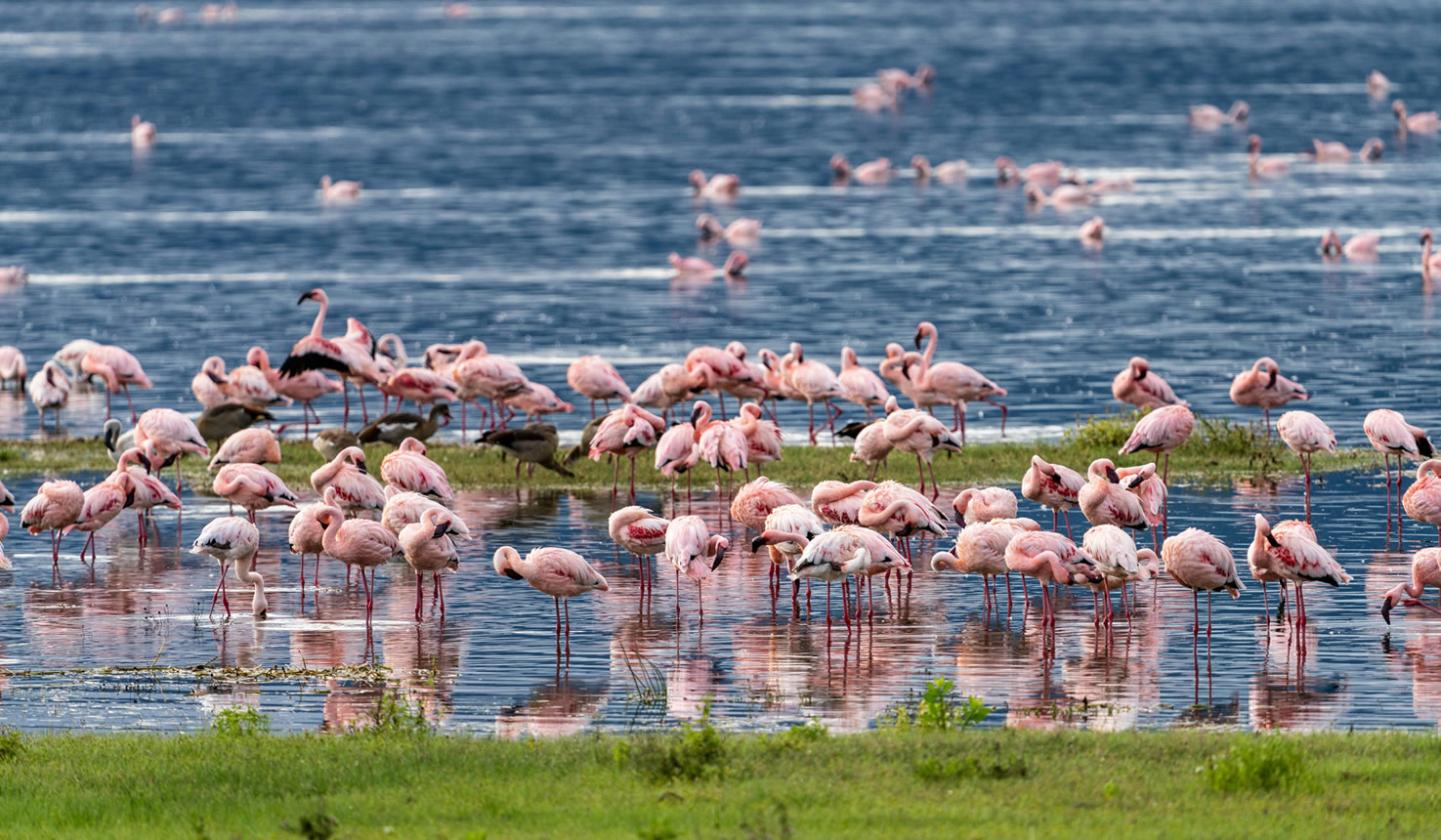
Lake Nakuru National Park
0 comments -
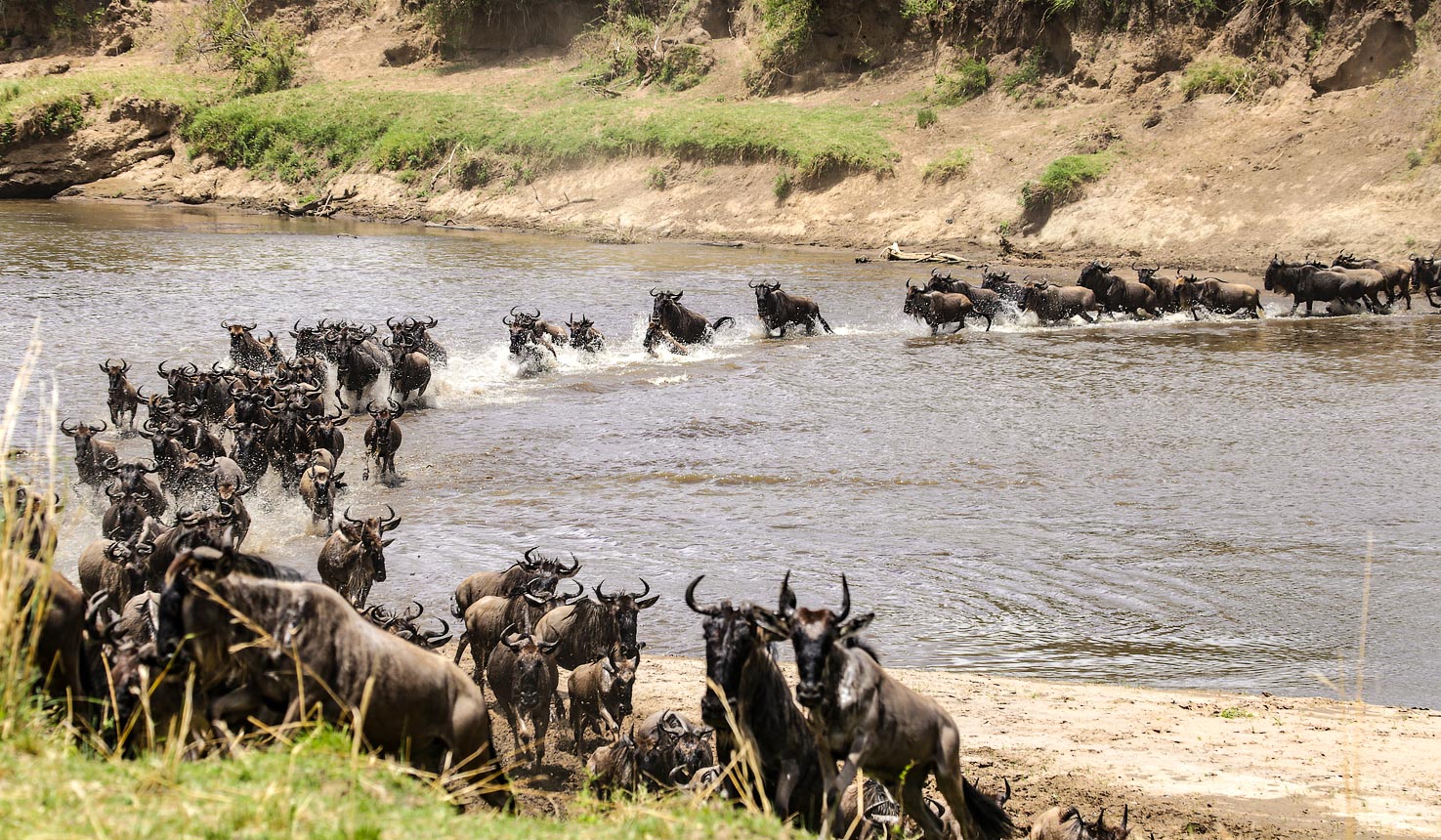
Masai Mara Safari Kenya
0 comments -
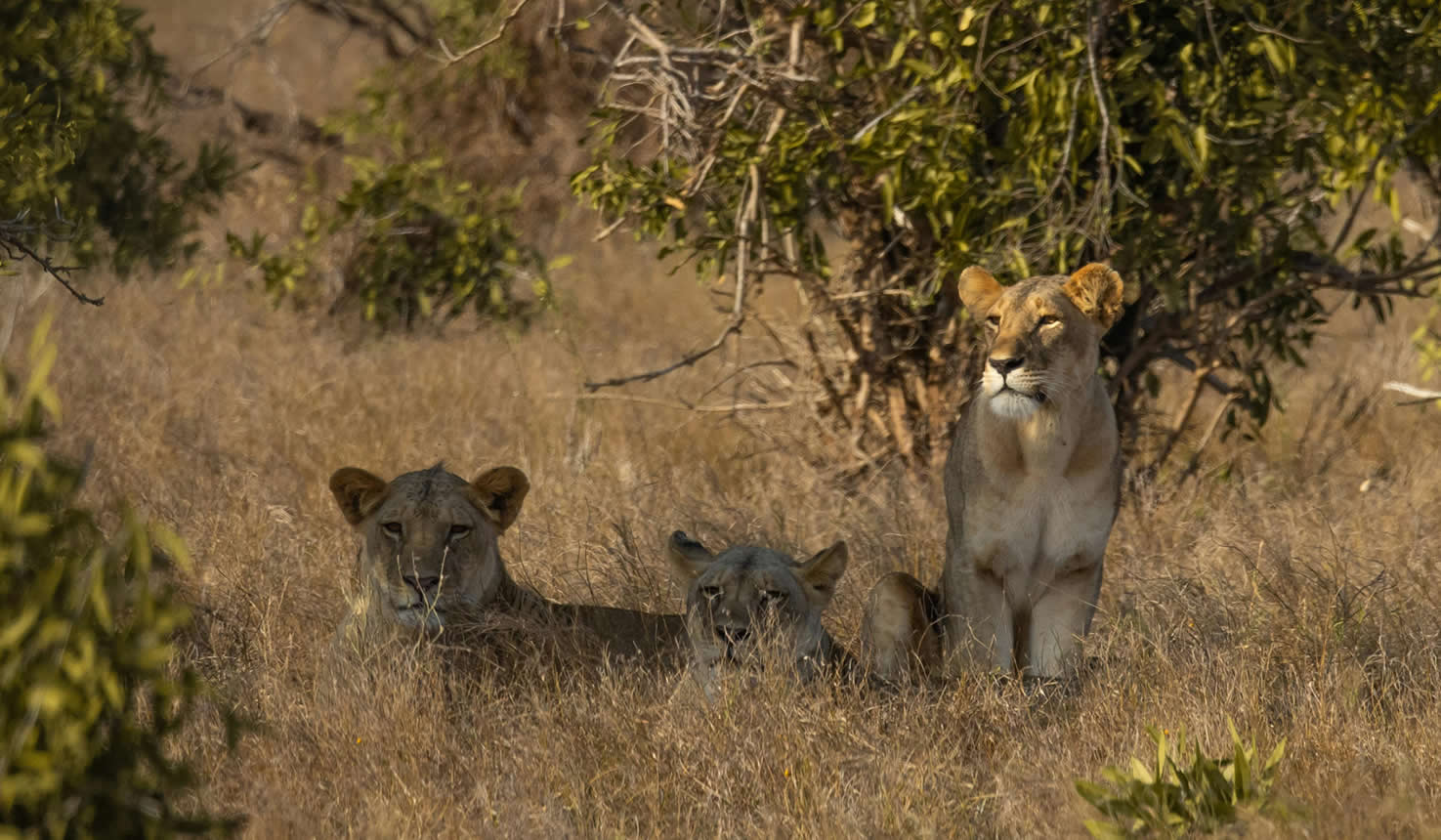
Kidepo Valley National Park
0 comments -
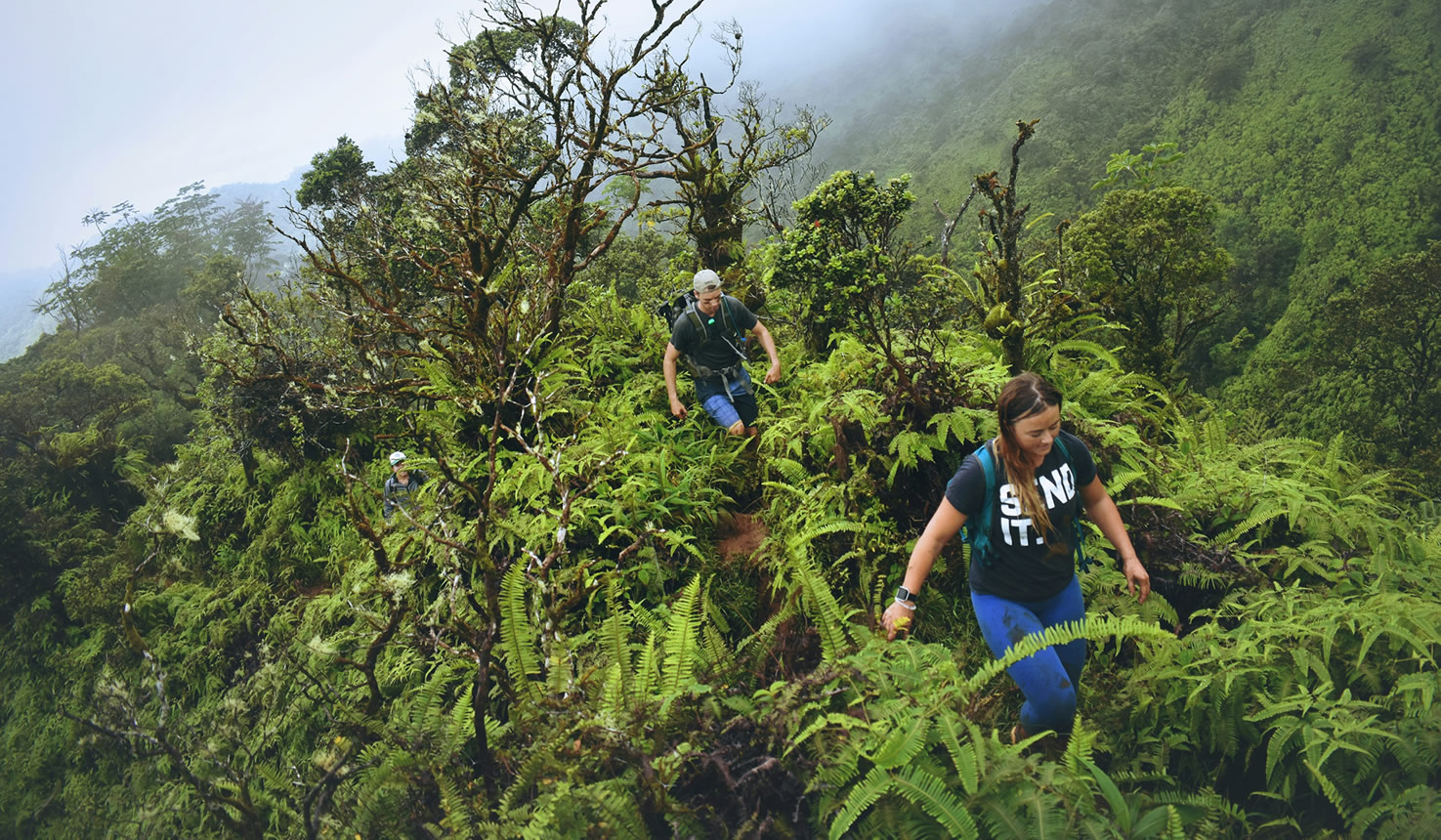
Bwindi Impenetrable National Park
0 comments -
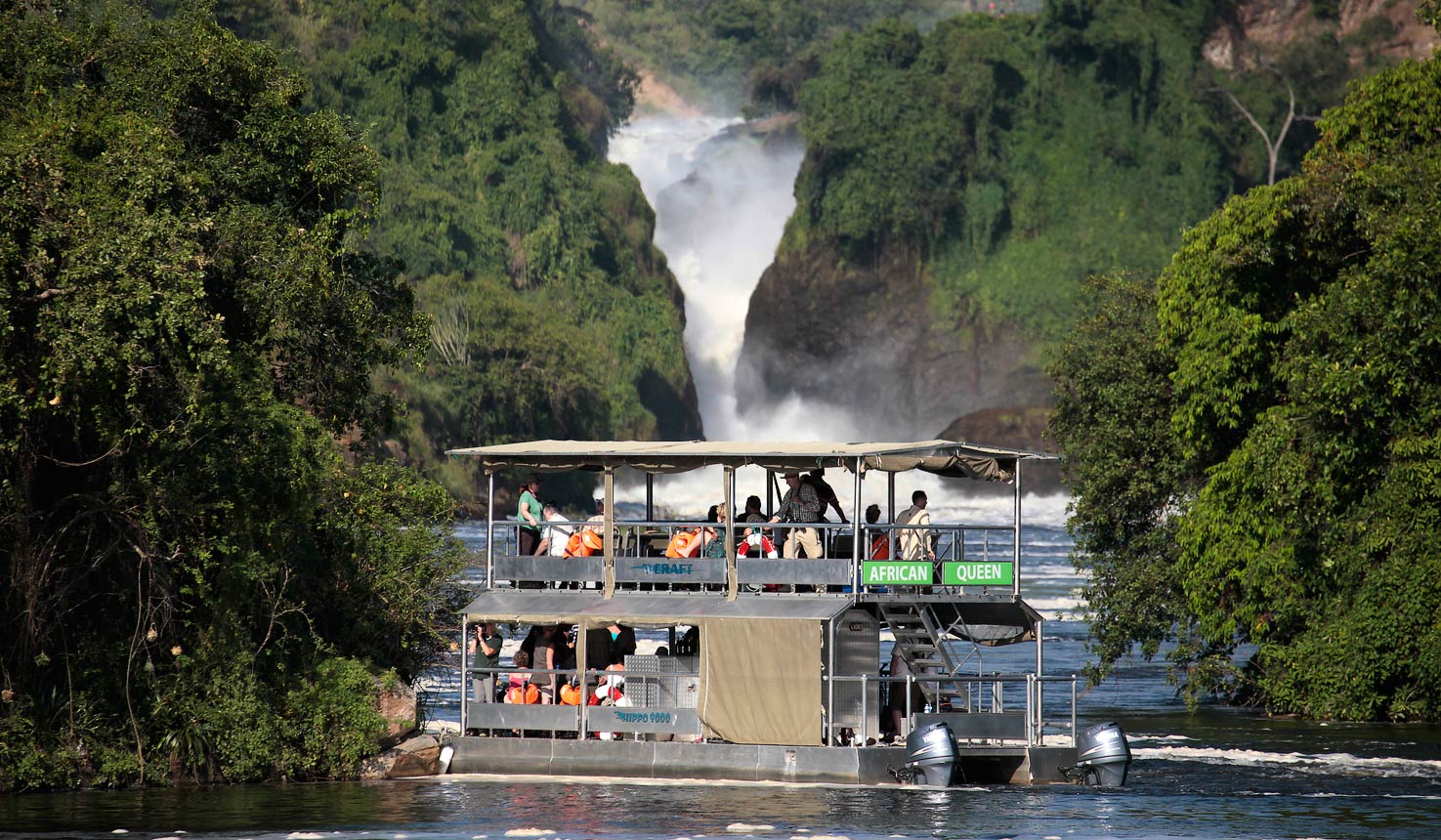
Murchison Falls National Park
1 comments -
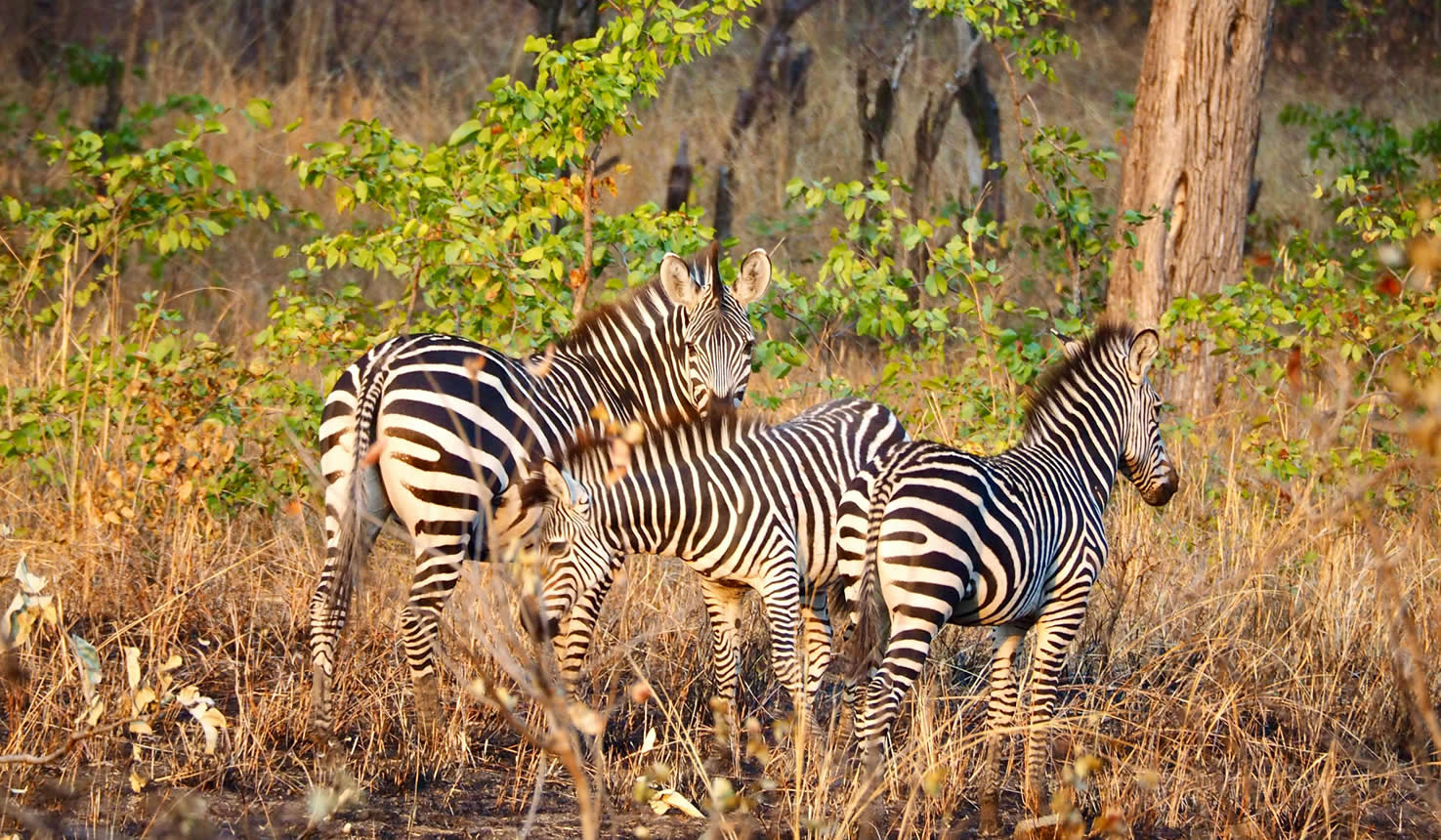
Lake Mburo national park
0 comments -
Akagera National Park
0 comments -
Queen Elizabeth National Park
1 comments