
11 Day Uganda Robusta Coffee Route
Ntungo Wildlife Safaris · Uganda Coffee Origin Journeys · 11 Days
Uganda's Robusta Coffee Is the World's Best-Kept Secret — I Spent 11 Days Finding Out Why
A journey through the farms, cooperatives, and gorilla forests of Uganda's Robusta heartland
Robusta gets a bad reputation in specialty coffee circles. Rich, earthy, bold — too bold, some say. I used to say it too. And then I went to Uganda, where Robusta grows wild in ancient forests and farmers have tended it across generations, and I stopped saying it entirely.
Let me tell you something that surprises most people in the coffee world: Uganda is Africa's largest coffee exporter. Not Ethiopia. Not Kenya. Uganda. And the vast majority of what it exports is Robusta — a coffee species that grows wild in the country's forest ecosystems, that has been cultivated here for centuries by smallholder families, and that is the quiet, underappreciated backbone of nearly every great espresso blend in Europe and Asia.
I knew these facts before I went. What I didn't know was what they felt like on the ground — in the farms, in the cooperative meeting rooms, in the homes of the farming families who grow this coffee with a care and pride that the commodity market almost never rewards. That's what the 11-Day Uganda Robusta Coffee Origin Safari gave me. Here's the story.
Day 1 Entebbe: The Gentlest Possible Beginning
Entebbe International Airport sits on a green, forested peninsula jutting into Lake Victoria — Africa's largest lake — and the drive from the terminal to your hotel takes you through avenues of mature trees draped with weaver bird nests, past colonial-era botanical gardens, and along the lake's papyrus-fringed shore. It is a quietly beautiful arrival, low-key and lush, and it does not prepare you at all for the scale of what Uganda contains.
Your Ntungo Safaris guide meets you in arrivals and drives you to your hotel. You drink a cup of Ugandan Robusta on the terrace as the last of the daylight fades over the lake. It tastes, in context, unlike any Robusta you have ever drunk before. You make a note of that.
Days 2 & 3 Kampala: Learning the Language of the Industry
The first two full days are spent in Kampala's boardrooms and warehouses, and I say that with zero irony — these are genuinely fascinating days that reconfigure everything you think you know about how coffee gets from a Ugandan farm to a European roastery.
Day 2 is industry briefings: Uganda's production volumes, the regulatory landscape, quality grading systems, sustainability certifications, specialty market opportunities, and the challenges facing smallholder farmers in a market that has historically undervalued their work. The people presenting these sessions are sharp, candid, and deeply invested in Uganda's coffee future. The conversations are the kind you'd pay a consultant a lot of money for.
Day 3 moves to exporter meetings and warehouse visits. This is where theory meets reality — where you walk through coffee grading lines, peer into moisture analysis equipment, understand what the difference between FAQ (Fair Average Quality) and Screen 15 means in commercial practice, and sit across a table from an export manager who can move 500 containers of Ugandan Robusta a year and wants to know what you need.
The thing nobody tells you about Ugandan Robusta: It has some of the world's most biodiverse wild coffee genetics. Researchers from across the globe come to Uganda's forests to study Coffea canephora in its natural habitat. The coffee growing in farmers' fields here is descended from trees that have been evolving in Ugandan forests for thousands of years. That is not something you can say about Robusta from anywhere else.
Day 4 The Logistics Day: How Coffee Actually Crosses the Ocean
This is the day that buyers and importers tell me was the single most practically useful day of the entire journey — and I believe them.
You meet the freight forwarding companies that move Uganda's coffee to the port of Mombasa and onto ships bound for Rotterdam, Hamburg, New York, and beyond. The conversations cover shipping routes, container availability, export documentation, transit times, and what happens when something goes wrong — because in global coffee logistics, something sometimes does. This is unglamorous, essential knowledge, and having it face-to-face with the people who do it daily is worth more than any amount of email correspondence.
By the end of Day 4, you have a complete mental map of Uganda's coffee value chain from farm to foreign market. Days 5 and 6 are going to fill in the beginning of that chain. The juxtaposition is deliberately designed, and it works.
Day 5 The Equator, Then the Farms
You leave Kampala after breakfast heading southwest and within an hour you're stopping at the equator monument on the Masaka highway — a slightly touristy but genuinely satisfying geographical moment where you can stand with one foot in the Northern Hemisphere and one in the Southern. Your guide demonstrates the Coriolis effect with a funnel and a bowl of water, and even if you've seen it before, there's something about doing it literally on the line that makes it land differently.
Then: the farms. The Masaka region is one of Uganda's most important Robusta-producing areas — rolling red-earth hills covered in the characteristically robust, full-canopied Robusta trees that grow lower and wider than Arabica, with larger leaves and a different, earthier energy to the whole plant. Your farm guide walks you through the agronomy, the variety selection, the pest and disease pressures that Robusta farmers navigate, and the harvesting process — which here means strip harvesting the entire branch at once, a faster and more practical method than the selective picking used for Arabica at altitude.
It's a different system. Different requirements, different rhythms, different economics. And equally fascinating.
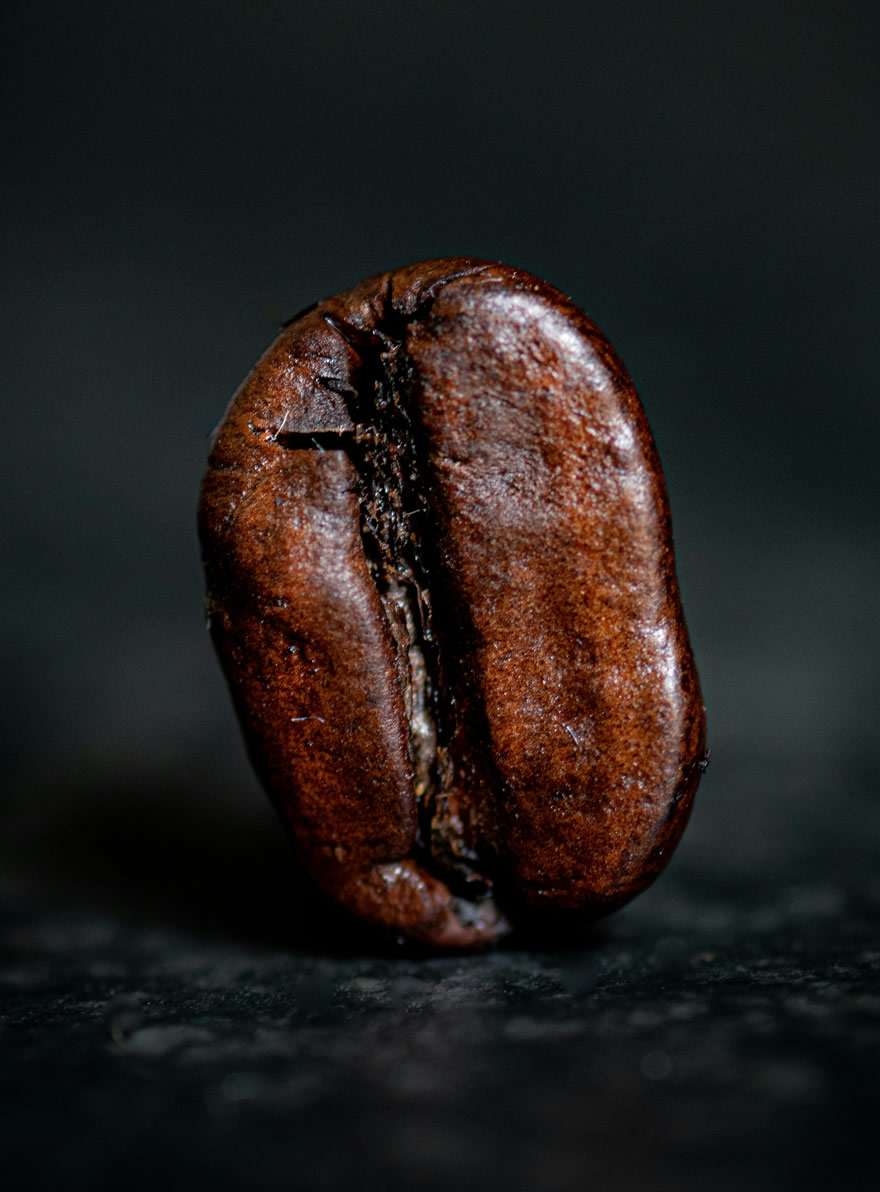

Day 6 The Farmer Day: The One I'll Never Stop Talking About
If you take one thing away from this account, let it be this: put Day 6 in your calendar and protect it fiercely. Because the day you spend sitting with farming families in the Masaka region — in their compounds, around their fire, in the shade of their coffee trees — is the day that makes every other day on this journey make sense.
There's a woman I met — I'll call her Rose, which isn't her name — who has farmed coffee on her two-hectare plot for thirty years. Her husband died twelve years ago. She raised five children on what the coffee brings. When I ask what a good harvest year means for her family, she lists it without drama: school fees, a new iron roof for the house, medicine when someone is sick, a little left over. A bad year is those same things, in deficit.
"The coffee is my partner now. It has never left me."
You visit three or four households like this across the day, watching on-farm processing — the hand-pulpers, the simple drying tables, the hand-sorting of dried beans in the afternoon shade — and listening to stories that will fundamentally alter the way you think about commodity pricing, about what "fair trade" actually means at the household level, about the human stakes of the cup you drink every morning without thinking.
It is the most important day of the journey. It is also the most ordinary-looking one on paper. Don't be fooled by that.
Day 7 Lake Mburo: Uganda's Most Intimate Safari
After the emotional intensity of the farmer day, Lake Mburo National Park arrives like a long, cleansing breath. It's Uganda's smallest national park — compact, accessible, and utterly charming — and it offers something none of the country's larger parks can: the particular intimacy of a small wild place where the animals feel close and the landscape doesn't overwhelm.
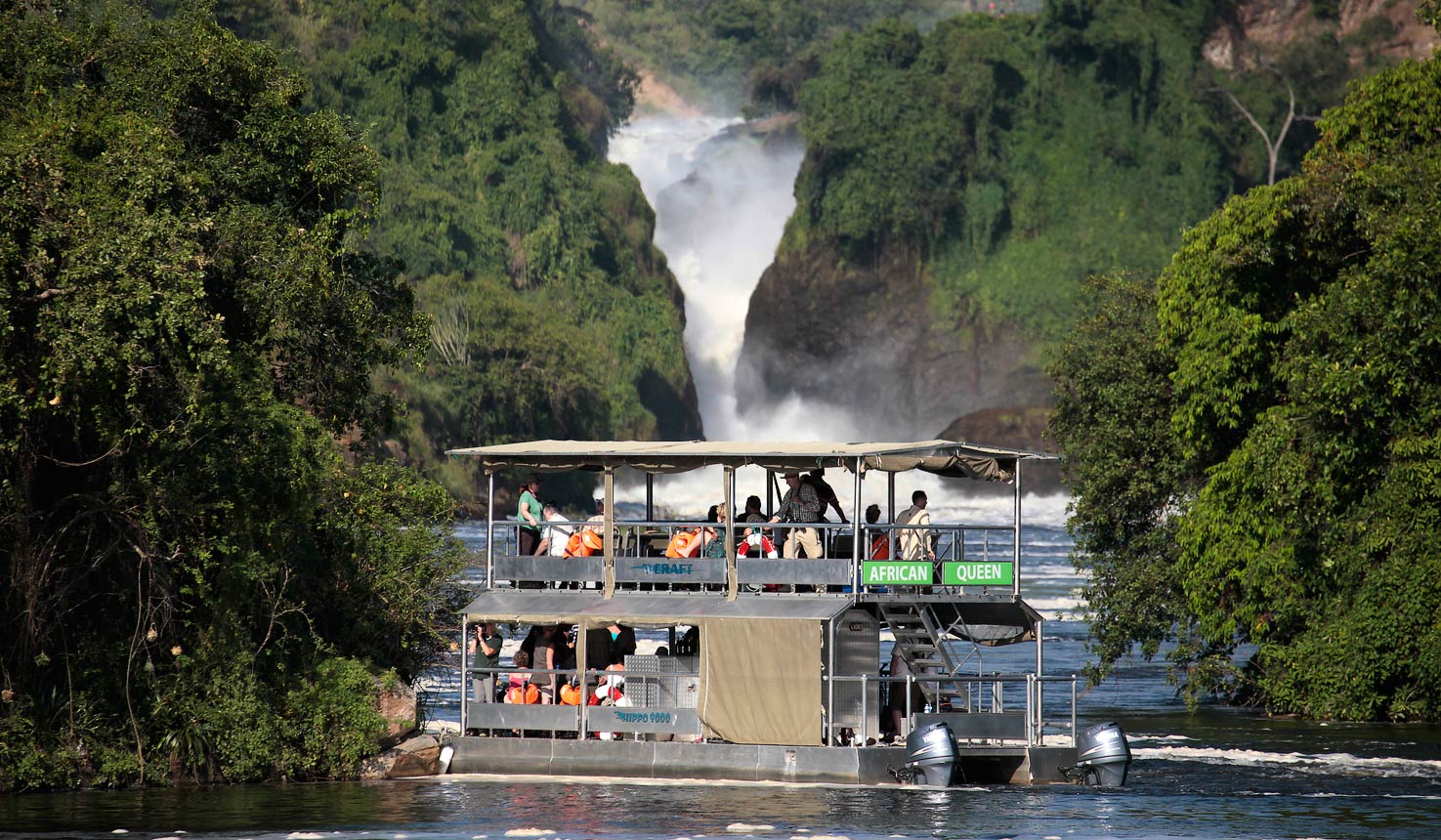
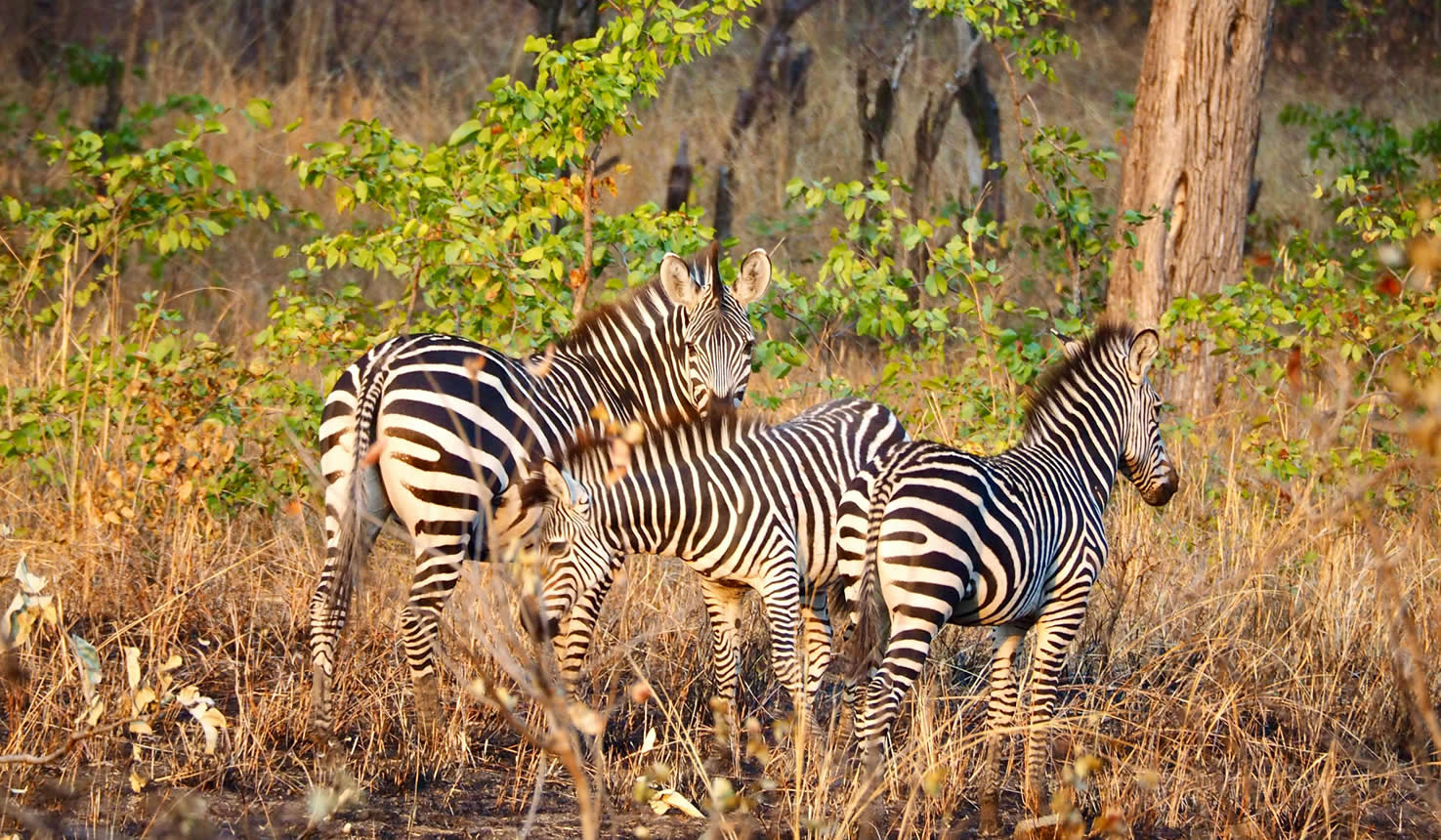
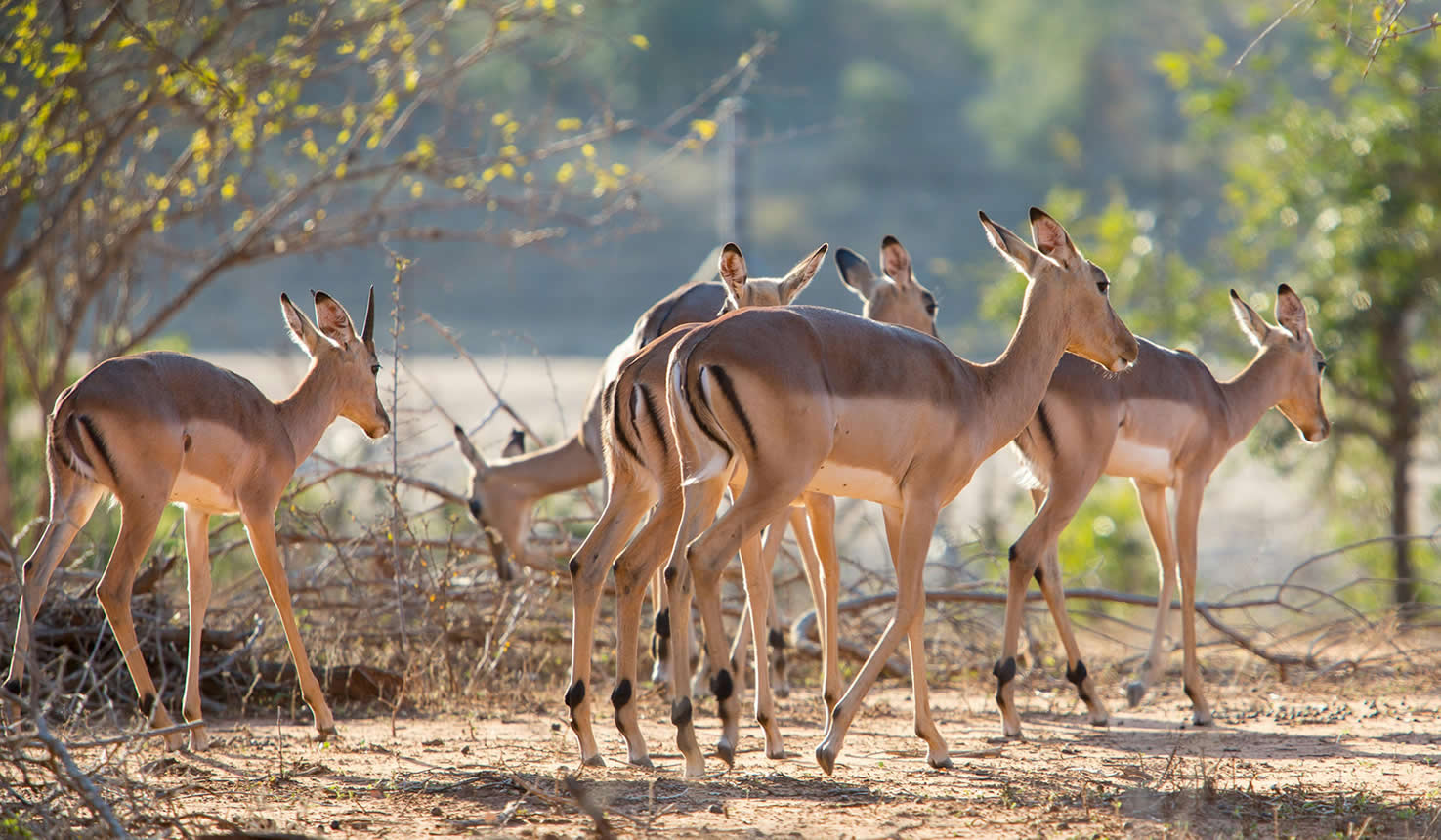
This is the only park in Uganda where you'll see zebras. It's also home to impalas, topis, reedbuck, Cape buffalo, enormous hippos, and more birds than your binoculars will be able to keep up with. The afternoon boat cruise on Lake Mburo is an hour and a half of close, calm wildlife watching — hippos surfacing metres from the boat, crocodiles sliding off sandbanks as you approach, African jacanas walking on the lily pads, and a malachite kingfisher sitting on a reed so still and so jewel-bright that it looks like something someone has placed there deliberately.
Day 8 Through the Mountains to Bwindi
The drive to Bwindi Impenetrable National Park is an event in itself. The road climbs into the Kigezi highlands — known as the Switzerland of Africa — through terraced hillsides, Ankole cattle with their extraordinary wide-spread horns grazing the roadside, and crater lakes appearing suddenly and unexpectedly in the valley floors below the road. The landscape is so extravagantly beautiful that you stop taking photographs because photographs are not going to capture it.
You arrive in the Bwindi area in the afternoon and visit Ride 4 A Woman — a community organisation supporting vulnerable women through tourism and skills development. The basket weaving demonstration is genuinely skilled and the food preparation session produces one of the best meals of the trip, but what stays with you is something harder to describe: the easy, grounded confidence of women who have built something real from very little, and who share it without sentimentality or performance.
Day 9 The Gorillas: An Hour That Earns Its Clichés
Every piece of writing about gorilla trekking in Bwindi eventually reaches for the same superlatives, and I've always been a little sceptical of that. Having done it now, I understand. Some experiences simply are what people say they are.
The trek takes two hours through dense, steep, beautiful forest. And then your tracker stops and points — and there, fifteen metres away, a silverback is sitting against a tree trunk eating breakfast with the calm, unhurried authority of something that has absolutely no predators and knows it. His group moves around him: females, juveniles, an infant that keeps climbing a sapling and falling off and climbing it again.
The one hour you're permitted passes in the way that hours only pass when you're completely, unreservedly present. Nobody checks their phone. Nobody whispers unnecessary things. Everyone is simply there, in that forest, with those animals, in one of those moments that reminds you what being alive actually feels like when you're paying full attention to it.
Day 10 A Day to Breathe and Think
The day after the gorilla trek is deliberately unhurried, and if you're a roaster or a coffee brand thinking about origin storytelling, this is where the journey pays a different kind of dividend. The Bwindi highlands are extraordinary in stillness — mist drifting through the forest canopy in the morning, the afternoon light turning the hillsides a green so saturated it almost looks unreal. You have time to organise your photographs, draft your notes, record voice memos with your guide about what you've seen and heard.
The farmers you met in Masaka, the export managers in Kampala, the cooperative leaders, the woman who said the coffee is her partner — these are the stories your customers have never heard. Today is for turning them into something you can bring home.
Day 11 The Cupping Session: When It All Lands in the Cup
You sit in front of the cupping table in Kampala and you lift the first spoon of Ugandan Robusta to your lips and something has changed. Not the coffee. You. The "earthy depth" you're tasting now has a specific geography attached to it — the red soil of the Masaka hills, the morning mist over the valley, the farmer's hand on the branch. The "intense body" is the cooperative's wet mill, running on a good harvest day. The "natural crema" is what happens when coffee is grown in the right soil, by people who know what they're doing, and cared for across its entire journey.
It still tastes like Robusta. But it doesn't taste like "just" Robusta anymore. It never will again.
Discover Uganda's Robusta for Yourself
The 11-Day Robusta Coffee Origin & Gorilla Safari is designed for buyers, roasters, importers, and coffee professionals ready to go beyond the cupping table.Enquire Now →
Where to Visit
-

Karibu KiliFair Experience
0 comments -
Nyungwe Forest National Park Rwanda
1 comments -
Ngorongoro Crater Tanzania
0 comments -
Serengeti National Park Tanzania
0 comments -

Mombasa
0 comments -
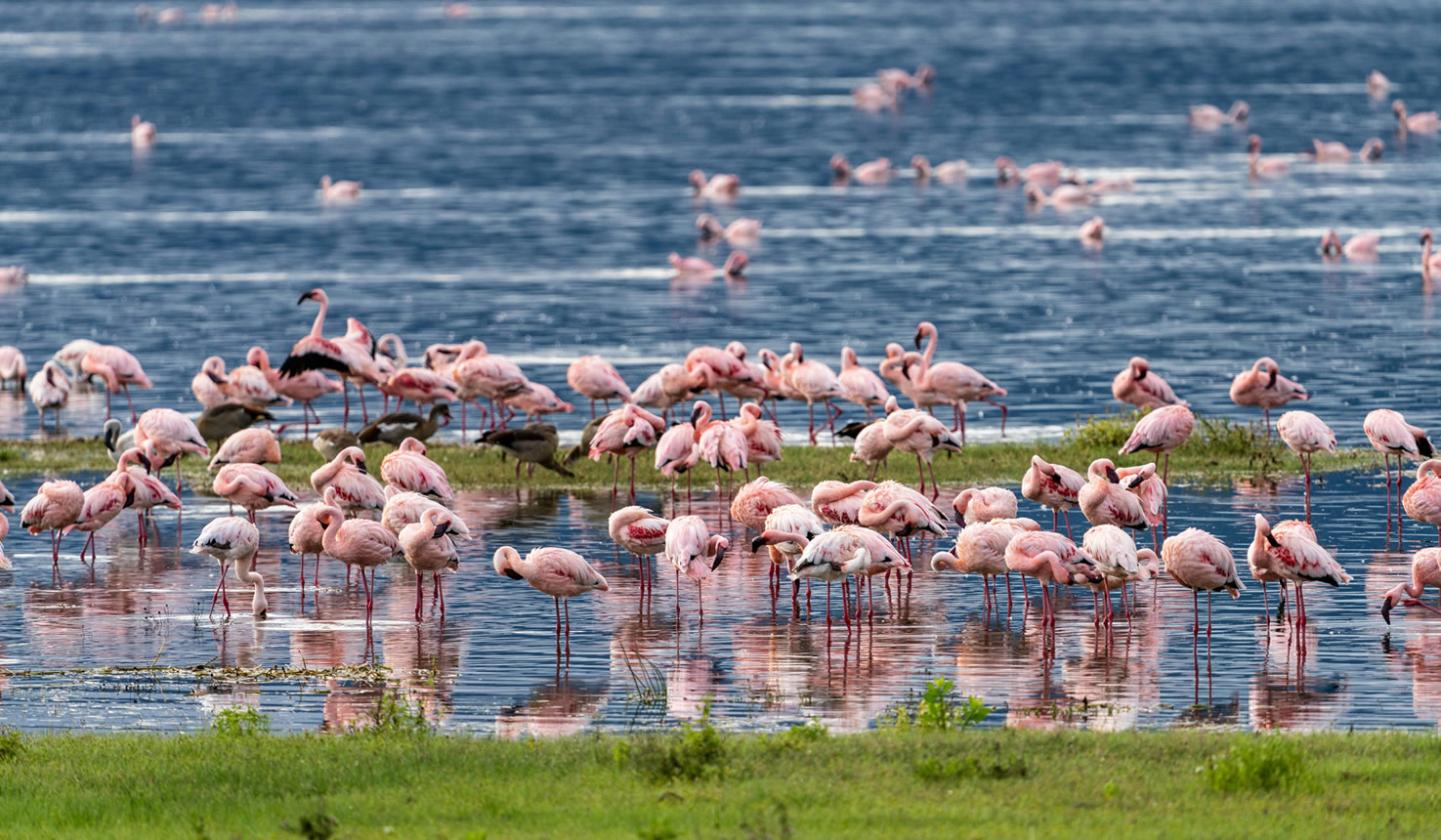
Lake Nakuru National Park
0 comments -
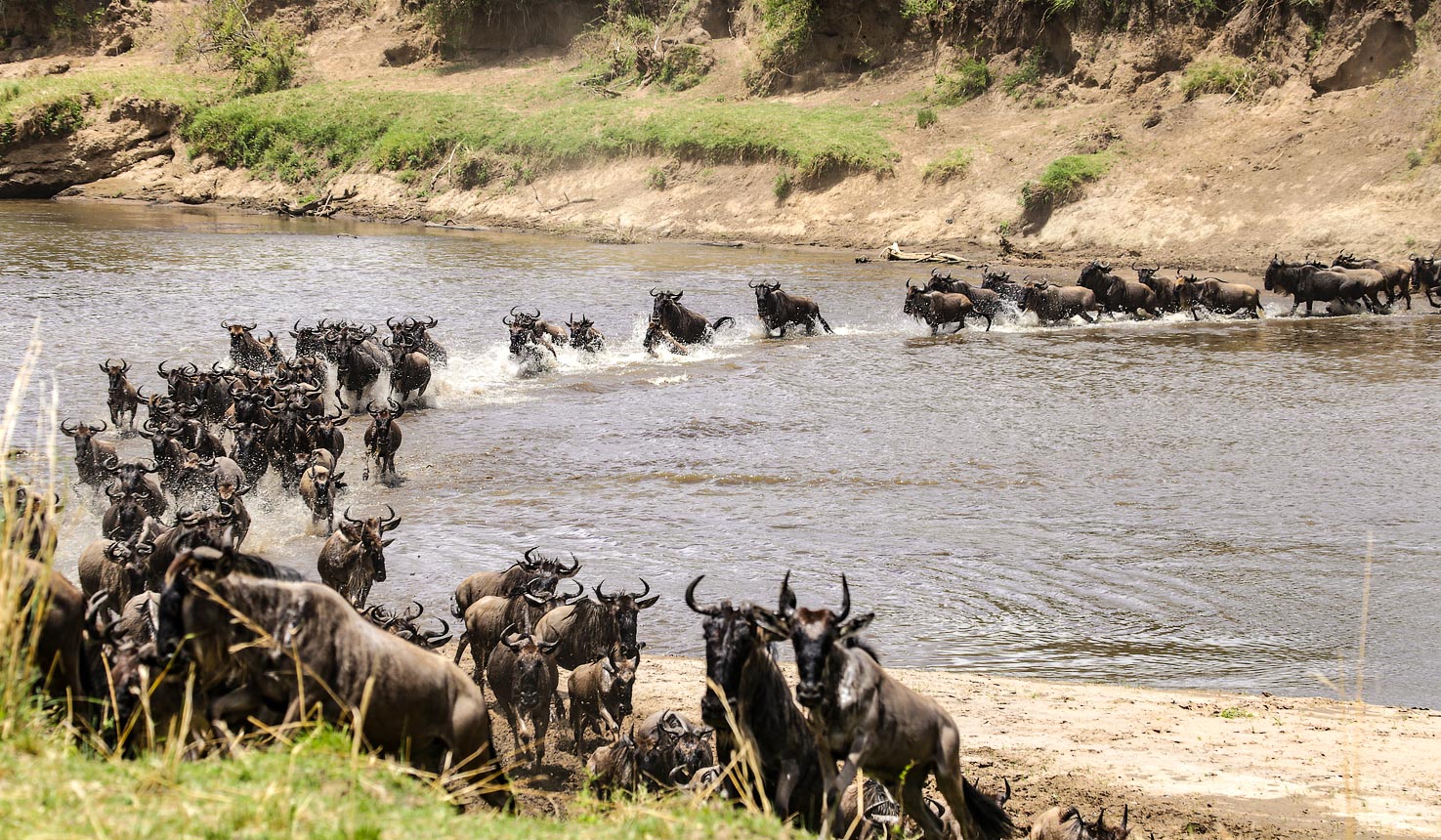
Masai Mara Safari Kenya
0 comments -
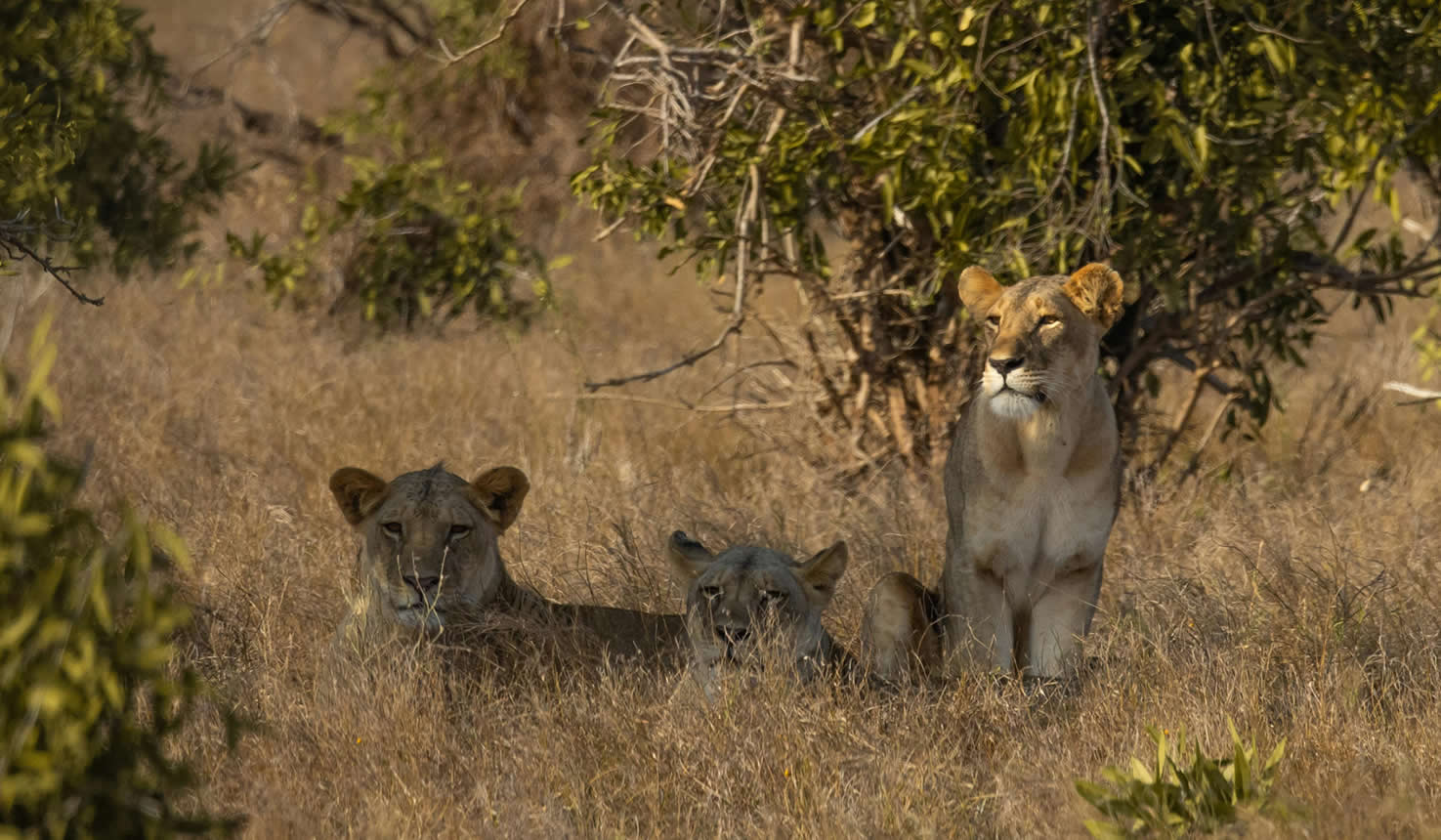
Kidepo Valley National Park
0 comments -
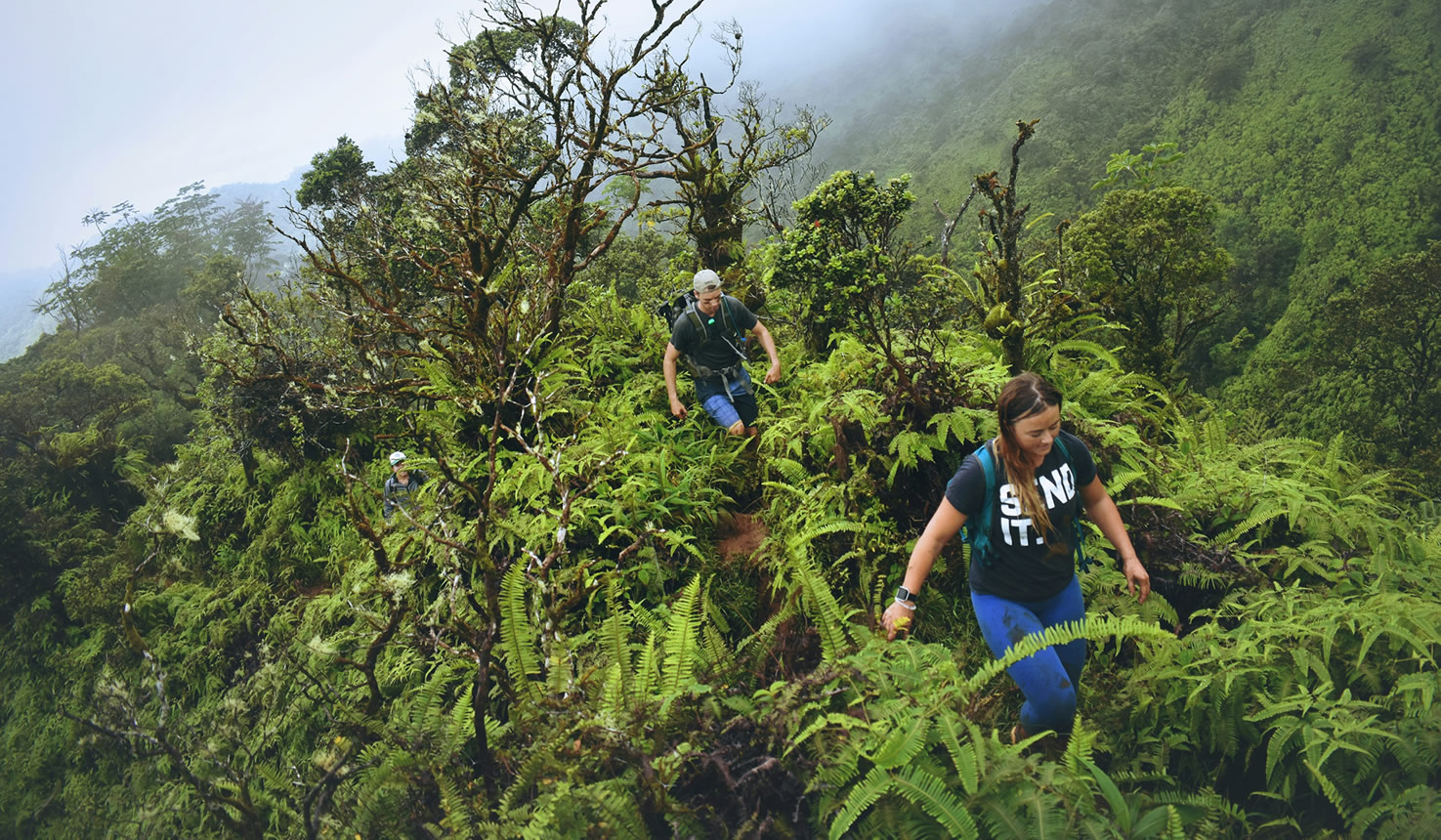
Bwindi Impenetrable National Park
0 comments -
Murchison Falls National Park
1 comments -
Lake Mburo national park
0 comments -
Akagera National Park
0 comments -
Queen Elizabeth National Park
1 comments