
Ngamba Island: Where Rescued Chimpanzees Roam Free on Lake Victoria
Forty-five minutes by boat from the shores of Entebbe, across the glittering expanse of Lake Victoria, lies one of Uganda’s most heartwarming wildlife destinations. Ngamba Island Chimpanzee Sanctuary is a 100-acre forested island that serves as a permanent home for over 50 orphaned and rescued chimpanzees — our closest living relatives, sharing approximately 98% of human DNA. What began in 1998 as a refuge for chimps confiscated from poachers and the illegal pet trade has grown into one of Africa’s most respected primate conservation projects, visited by thousands of wildlife lovers every year.

A visit to Ngamba Island is unlike anything else on Uganda’s safari circuit. There are no vehicles, no dusty game tracks, and no distance between you and the action. Visitors watch from a raised viewing platform as the sanctuary’s resident chimps — each with a name, a personality, and a story of survival — burst from the forest at feeding time in a spectacular, noisy rush of motion and social theatre. The dominant males assert themselves, juveniles tumble and chase, and caregivers who have raised these animals from infancy move among them with quiet familiarity. It is, by turns, deeply moving and wildly entertaining.
Located just 23 kilometres from Entebbe International Airport and easily combined with a Kampala city stay or a stopover between safari legs, Ngamba Island is the ideal introduction to Uganda’s extraordinary primate heritage. Whether you’re arriving on a morning day trip, signing up for a behind-the-scenes caregiver experience, or spending the night in the island’s lakeside camp under a canopy of stars, this guide covers everything you need to plan an unforgettable visit to Ngamba Island Chimpanzee Sanctuary.
Kibale Forest National Park
Guide to Kibale Forest National Park: The Primate Capital of the World
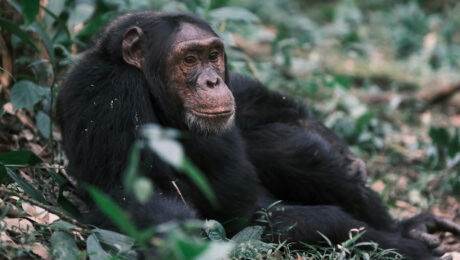
In the heart of western Uganda lies one of Africa’s most remarkable rainforest ecosystems—Kibale National Park. Known as the “Primate Capital of the World,” this lush tropical forest is home to the highest concentration of primates in East Africa, making it one of the best destinations for chimpanzee tracking.
From the moment you step into Kibale’s dense forest, you are immersed in a world of towering trees, vibrant birdlife, and the distant calls of chimpanzees echoing through the canopy. Whether you are a wildlife enthusiast, a nature lover, or an adventure seeker, Kibale offers an experience that is both thrilling and deeply enriching.
Introduction to Kibale National Park
Kibale National Park covers approximately 795 square kilometers of tropical rainforest, stretching across districts such as Kabarole and Kamwenge. The park is part of a larger ecosystem that includes Queen Elizabeth National Park, forming a wildlife corridor that supports diverse species.
The forest itself is ancient, with some areas believed to have existed for thousands of years. Its dense vegetation includes hardwood trees, swampy areas, and open grasslands, creating a rich and varied habitat for wildlife.
However, what truly sets Kibale apart is its primate population.
Why Kibale Is Famous
Kibale National Park is best known for its large population of chimpanzees, with over 1,500 individuals living in the forest. In addition, the park hosts 12 other primate species, including:
Red colobus monkeys
Black-and-white colobus monkeys
L’Hoest’s monkeys
Grey-cheeked mangabeys
Olive baboons
This incredible diversity makes Kibale one of the top primate tracking destinations in the world.
Chimpanzee Tracking in Kibale
What Is Chimpanzee Tracking?
Chimpanzee tracking is the highlight of any visit to Kibale National Park. It involves guided treks through the forest in search of habituated chimpanzee groups.
How the Experience Works
Your day begins early with a briefing at the park headquarters. Experienced guides explain the rules and what to expect before assigning you to a group.
Once inside the forest, the adventure begins. You walk along narrow trails, listening carefully for chimpanzee calls and watching for signs such as nests or broken branches.
The trek can take anywhere from 1 to 4 hours, depending on the location of the chimps.
The Encounter
When you finally find them, the experience is unforgettable.
Chimpanzees are highly active and social animals. You may see them:
Swinging through trees
Feeding on fruits
Grooming each other
Communicating with loud calls
Visitors are allowed one hour with the chimpanzees, during which you can observe and photograph their behavior.
Chimpanzee Habituation Experience
For those seeking a deeper experience, Kibale offers a chimpanzee habituation experience.
Unlike standard tracking, this allows you to spend up to four hours with chimpanzees that are still getting used to human presence. You will join researchers and trackers, gaining insight into chimpanzee behavior and conservation.
Other Activities in Kibale National Park
Kibale is not just about chimpanzees—it offers a variety of activities that showcase its rich biodiversity.
- Guided Nature Walks
Nature walks provide an opportunity to explore the forest at a slower pace. Accompanied by a guide, you will learn about:
Medicinal plants
Forest ecology
Animal tracks and signs
These walks are perfect for those interested in botany and conservation.
- Bigodi Wetland Sanctuary
Located just outside the park, the Bigodi Wetland Sanctuary is a must-visit.
This community-run conservation area is famous for:
Birdwatching (over 200 species)
Primates such as colobus monkeys
Scenic boardwalk trails
It also offers a chance to support local communities through tourism.
- Birdwatching
Kibale National Park is a paradise for bird lovers, with over 375 bird species recorded.
Notable Birds:
African pitta
Green-breasted pitta
Great blue turaco
Hornbills and kingfishers
The forest’s diverse habitats make it ideal for year-round birdwatching.
- Cultural Experiences
Visitors can engage with local communities around Kibale to learn about traditional lifestyles.
Activities include:
Visiting local farms
Traditional dances and storytelling
Craft-making demonstrations
These experiences add cultural depth to your safari.
Wildlife and Biodiversity
Beyond primates, Kibale is home to a variety of wildlife.
Mammals:
Forest elephants
Bush pigs
Duikers
Though less commonly seen, these animals contribute to the park’s ecological richness.
Best Time to Visit Kibale
Kibale National Park can be visited year-round, but the best time for chimpanzee tracking is during the dry seasons:
June to September
December to February
During these months, trails are less muddy and trekking is easier.
However, the wet season offers lush scenery and excellent birdwatching opportunities.
Accommodation Options
Kibale offers a range of accommodations to suit all budgets:
Luxury Lodges
Forest lodges with premium amenities
Stunning views and personalized service
Mid-Range Lodges
Comfortable and well-located
Great value for money
Budget Options
Guesthouses and campsites
Most lodges are located near the park entrance for easy access to activities.
Combining Kibale with Other Destinations
Kibale is often included in longer safari itineraries, combined with:
Queen Elizabeth National Park for wildlife safaris
Bwindi Impenetrable National Park for gorilla trekking
Murchison Falls National Park for waterfalls and game drives
This creates a diverse and enriching Uganda safari experience.
Why Visit Kibale National Park?
Kibale stands out as one of the best destinations in Uganda because of:
Exceptional chimpanzee tracking experiences
High concentration of primates
Rich biodiversity and forest ecosystems
Variety of activities beyond trekking
Easy combination with other parks
It offers a unique blend of adventure, education, and conservation.
For travelers exploring Uganda, Kibale National Park is an essential destination—one that offers not just memories, but a deeper appreciation of the natural world.
- Published in Destinations, National Parks
Tarangire National Park
While Serengeti often steals the spotlight, Tarangire National Park offers a quieter yet equally rewarding safari experience. In fact, many seasoned travelers consider it one of Tanzania’s best-kept secrets.
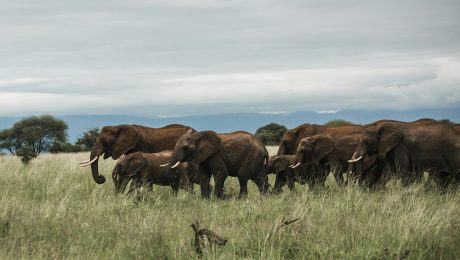
Known for its massive elephant herds and ancient baobab trees, Tarangire combines dramatic landscapes with exceptional wildlife viewing.
Where Is Tarangire National Park?
Tarangire is located in northern Tanzania, approximately 2–3 hours from Arusha. Because of its proximity, it is often included in the Northern Circuit safari route.
Moreover, its accessibility makes it an ideal destination for both short and extended safaris.
Why Visit Tarangire?
To begin with, Tarangire is famous for its elephants. During the dry season, thousands gather near the Tarangire River.
In addition, the park’s baobab trees create a unique and iconic African landscape. These ancient trees not only add beauty but also serve as water storage for wildlife.
Furthermore, Tarangire is less crowded than other parks. Therefore, visitors can enjoy a more peaceful safari experience.
Wildlife in Tarangire
Tarangire’s wildlife is particularly impressive during the dry season.
As water becomes scarce elsewhere, animals migrate into the park. Consequently, wildlife concentrations become incredibly high.
Visitors can expect to see:
- Large elephant herds
- Lions and leopards
- Zebras and wildebeests
- Rare species like kudu
Additionally, over 500 bird species have been recorded, making it a birdwatcher’s paradise.
The Iconic Baobab Trees
One of Tarangire’s defining features is its baobab trees. These massive trees can live for thousands of years.
Because of their unique shape, they are often referred to as “upside-down trees.” Moreover, they create stunning photographic opportunities.
Best Time to Visit Tarangire
Dry Season (June to October)
This is the best time for wildlife viewing. Animals gather around water sources, making sightings easier.
Wet Season (November to May)
Although wildlife is more dispersed, the park becomes lush and green. Additionally, birdwatching is excellent during this time.
Safari Activities
Tarangire offers a variety of safari experiences.
Game Drives
The most popular activity, offering close wildlife encounters.
Night Drives
Unlike many parks, Tarangire allows night safaris.
Walking Safaris
Explore the park on foot for a more immersive experience.
How to Get There
Most visitors travel from Arusha by road. Alternatively, charter flights are available.
Where to Stay
Tarangire offers a range of accommodations, from budget camps to luxury lodges.
Travel Tips
- Visit during the dry season for best wildlife
- Stay at least two nights
- Bring a good camera
In summary, Tarangire National Park is a hidden gem that offers incredible wildlife, stunning landscapes, and fewer crowds.
Therefore, if you are looking for an authentic safari experience, Tarangire should definitely be on your list.
- Published in National Parks, Wildlife Safaris