
There is an island off the coast of Tanzania that seems, from the moment you arrive, to exist slightly outside the ordinary rules of the world. The air smells of cloves and frangipani. The water is a colour that has no adequate name in English — somewhere between turquoise and aquamarine and the particular translucent blue of shallow tropical seas at their most perfect. The beaches are white and fine and long, fringed by coconut palms that lean with casual elegance over the sand. The streets of the old city are a labyrinth of carved wooden doors, coral stone walls, and the layered history of a place that has been, at various times, the centre of the Indian Ocean spice trade, the capital of the Omani sultanate's East African empire, and one of the most cosmopolitan port cities in the pre-colonial world.
This is Zanzibar — officially the Zanzibar Archipelago, a semi-autonomous region of Tanzania comprising the main island of Unguja (universally known simply as Zanzibar), the smaller Pemba Island to the north, and numerous smaller coral islets scattered across the warm waters of the Indian Ocean between 25 and 50 kilometres off Tanzania's coast. It is East Africa's most celebrated beach destination, the natural and perfect complement to a Tanzania mainland safari, and a place of such layered beauty — natural, cultural, historical, and culinary — that travellers who arrive for a week consistently find themselves reluctant to leave.
A Zanzibar beach holiday with Ntungo Wildlife Safaris combines the finest beaches, the most rewarding cultural experiences, and the best marine wildlife encounters the island offers — woven into a seamless extension of your East African safari or as a standalone Indian Ocean escape.
The Beaches of Zanzibar: A Coastline of Extraordinary Beauty
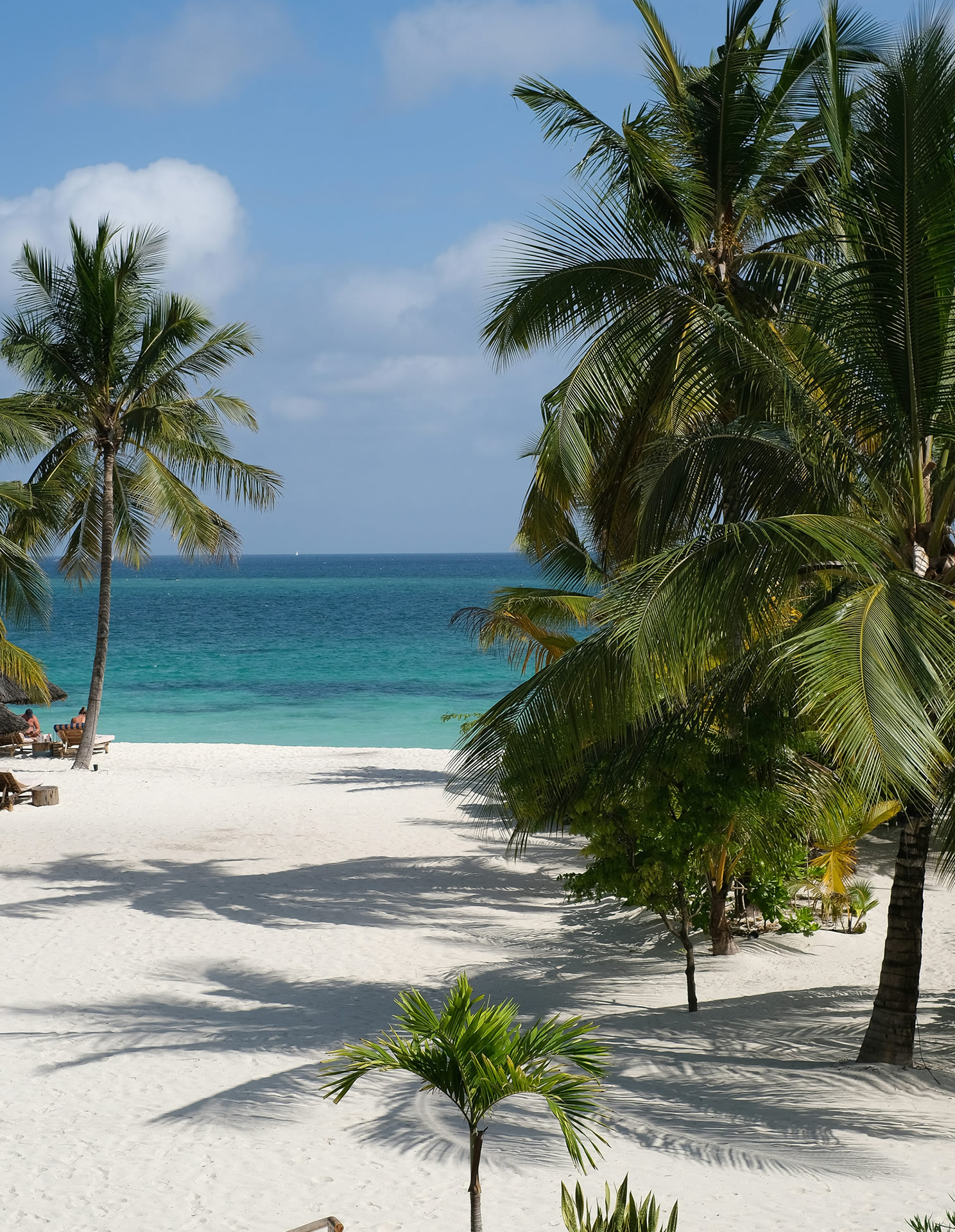
Zanzibar's coastline varies dramatically by geography and orientation, and choosing the right beach for your style of holiday is one of the most important decisions in planning your Zanzibar stay.
The East Coast — Paje, Jambiani & Bwejuu
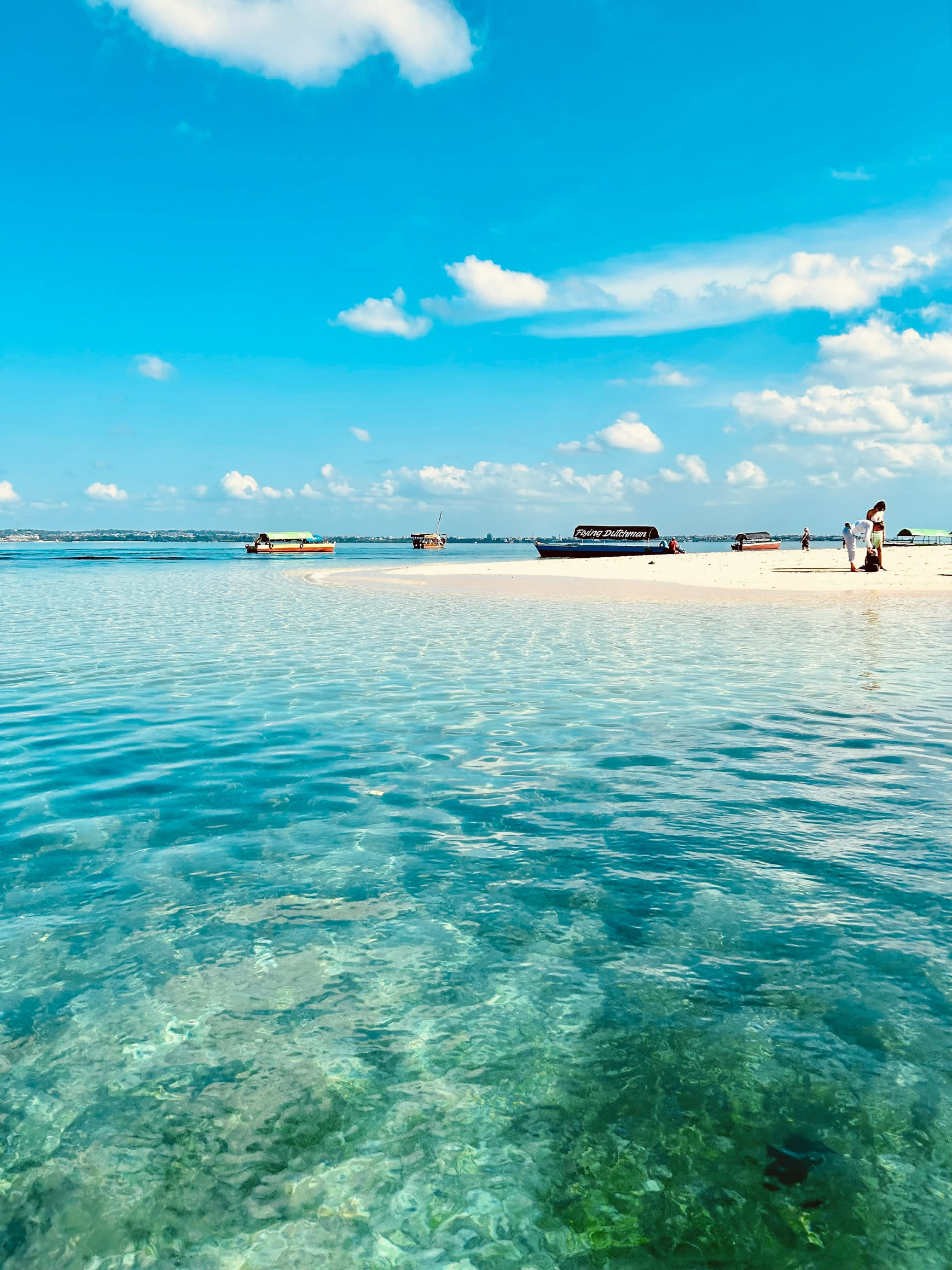
The east coast of Zanzibar is defined by vast, flat tidal flats that extend hundreds of metres from the shoreline at low tide, exposing a seascape of coral rock, seagrass meadows, and shallow turquoise lagoons that is unlike any other beach environment in East Africa. The villages of Paje, Jambiani, and Bwejuu sit along this coast, each with its own character — Paje is the liveliest, with a thriving kitesurfing culture driven by the reliable southeast and northeast trade winds that make this one of the finest kitesurfing destinations in the world. Jambiani is quieter and more traditional, its village life and fishing culture more visible alongside the tourism infrastructure. Bwejuu is perhaps the most peaceful of the three, with a long, uncrowded beach and a relaxed atmosphere that rewards the genuinely unhurried visitor.
The east coast's tidal rhythm shapes the day in a way that visitors quickly come to appreciate — low tide reveals a vast, explorable world of rock pools, seagrass, and wading birds, while high tide brings the water right to the beach edge and conditions ideal for swimming, snorkeling, and floating.
The North Coast — Nungwi & Kendwa
Nungwi and Kendwa at Zanzibar's northern tip offer the island's most reliably swimmable beaches year-round — the deep water close to shore means the dramatic tidal variation of the east coast is largely absent, and the beaches here maintain good swimming depth at most states of the tide. Nungwi is Zanzibar's largest resort area — lively, well-serviced, with a wide range of accommodation from budget guesthouses to luxury boutique hotels — and its beach is genuinely beautiful: long, white, and backed by palm and casuarina trees. The town itself retains an active fishing community, with traditional dhow building still practised on the beach, providing a cultural dimension that the more resort-oriented sections of coast sometimes lack.
Kendwa, just a short distance west of Nungwi, is quieter and more refined — a smaller beach with fewer visitors and a more intimate character, particularly well-suited to couples and honeymooners seeking a degree of seclusion alongside the social energy of the northern coast.
The Southeast — The Wild Coast
The southeastern tip of Zanzibar, around Kizimkazi and the areas south of Jambiani, is the island's quietest and most remote coastal area — characterised by traditional fishing communities, uncrowded beaches, and the presence of Indo-Pacific bottlenose dolphins and spinner dolphins that inhabit the offshore waters year-round. Dolphin swimming excursions from Kizimkazi are among Zanzibar's most popular marine wildlife experiences, and the early morning boat trips to meet the dolphin pods in open water — watching them bow-ride and leap in the sunrise light — are genuinely memorable.
Stone Town: UNESCO World Heritage & the Soul of Zanzibar
No Zanzibar experience is complete without time in Stone Town — the historic core of Zanzibar City and a UNESCO World Heritage Site since 2000, recognised for its outstanding universal value as a living example of Swahili coastal trading culture and its extraordinary physical testimony to centuries of Indian Ocean commerce, cultural exchange, and political complexity.
Stone Town is one of the few genuinely historic cities in East Africa that has preserved its urban fabric largely intact — a dense, organic maze of narrow coral-stone streets, overhanging balconies, and the famous carved wooden doors that are Zanzibar's most iconic architectural feature. These doors — hundreds of them, each one unique — represent a living tradition of craft and status: the more elaborate the carving, the more significant the household behind it. Brass studs, chains, fish, lotus flowers, and Quranic inscriptions all carry specific meanings, and a guided walk through Stone Town's streets becomes an education in a visual language that has been spoken here for centuries.
Key sites within Stone Town include the House of Wonders (Beit-el-Ajaib) — the largest building in Zanzibar's old city, built in 1883 as a ceremonial palace and now housing the Museum of History and Culture. The Old Fort (Ngome Kongwe) — built by Omani Arabs in the early 18th century on the site of a Portuguese chapel — now hosts a cultural centre, craft market, and open-air amphitheatre. The Palace Museum (Beit-el-Sahel) tells the story of the Omani sultanate that ruled Zanzibar from the mid-17th century until the 1964 Revolution. And the Anglican Christ Church Cathedral — built in 1879 on the precise site of Zanzibar's former slave market, with an altar positioned directly over the whipping post — stands as one of the most historically powerful and emotionally moving sites in East Africa: a place where the horror of the East African slave trade and the humanity that eventually ended it are preserved in permanent, confronting proximity.
The Darajani Market — Stone Town's central covered market, alive from early morning with the noise, colour, and scent of fresh produce, spices, fish, and flowers — is a sensory experience of the first order. The rooftop terrace of the Emerson Spice Hotel at sunset, with the call to prayer rising from the mosques below and the Indian Ocean glinting in the last light, is among East Africa's most beautiful urban moments.
The Spice Tour: Zanzibar's Aromatic Heritage
Zanzibar's historical identity as the Spice Islands is not merely a romantic sobriquet — it reflects a genuine and remarkable agricultural heritage that shaped the global spice trade for centuries and made Zanzibar one of the wealthiest and most strategically significant islands in the Indian Ocean world.
The spice tour of Zanzibar's central interior plantations is one of the island's most rewarding half-day experiences — a guided walk through working spice gardens where cloves, nutmeg, cinnamon, cardamom, vanilla, black pepper, lemongrass, turmeric, ginger, and dozens of other spices and tropical fruits are grown, harvested, and processed. Your guide introduces each plant through its smell, taste, and appearance before explaining its historical significance and contemporary use. Tasting fresh nutmeg, rubbing cinnamon bark between your palms, and biting into a freshly picked clove are genuinely surprising experiences for visitors accustomed to these spices only in dried, processed form — and the tour typically concludes with a beautifully prepared spiced lunch in a traditional setting surrounded by the plantation.
Marine Wildlife & Ocean Activities
The warm, clear waters of the Indian Ocean surrounding Zanzibar support an extraordinary diversity of marine life, and the island offers some of the finest snorkelling, diving, and marine wildlife experiences in East Africa.
Snorkelling & Scuba Diving: Zanzibar's offshore coral reefs are rich, colourful, and home to an abundance of reef fish, sea turtles, rays, and invertebrate life. The Mnemba Atoll — a small coral atoll off Zanzibar's northeast coast and one of the most celebrated dive sites in East Africa — offers exceptional visibility and marine diversity, with green turtles, hawksbill turtles, spinner dolphins, reef sharks, whale sharks (seasonally), and a spectacular density of reef fish all present within the protected area. Several dive centres based on the north and east coast offer PADI-certified dive courses and guided reef dives for all experience levels.
Whale Sharks: Between October and March, whale sharks (Rhincodon typus) — the world's largest fish, reaching up to 12 metres in length — congregate in the waters around Zanzibar and the surrounding coastline, feeding on plankton blooms in the warm Indian Ocean. Snorkelling alongside a whale shark — an entirely harmless filter feeder whose enormous size and slow, deliberate movements create an experience of overwhelming scale and serenity — is among the most extraordinary marine wildlife encounters available anywhere in the world, and Zanzibar is one of the most reliable locations on earth for this experience.
Sea Turtles: Nungwi Turtle Sanctuary — a community-run conservation initiative on the north coast — protects green and hawksbill turtles in a natural lagoon environment and allows visitors to observe them at close range and, in the right season, participate in supervised release of hatchlings into the ocean. It is a genuinely moving conservation experience that connects beach tourism with marine wildlife protection in a direct and meaningful way.
Dhow Cruises: The traditional Swahili dhow — a wooden sailing vessel with a distinctive lateen sail whose design has barely changed in a thousand years of Indian Ocean navigation — offers one of Zanzibar's most evocative experiences: a sunset cruise along the Stone Town waterfront, with the city's minarets and old buildings silhouetted against the fading sky and the warm equatorial wind filling the sail. Dhow cruises typically include fresh seafood, cold drinks, and the unhurried pleasure of a vessel moving with the wind across one of the world's great trading seas.
Zanzibar Cuisine: The Taste of the Spice Islands
Zanzibar's food culture is one of its greatest and most underappreciated pleasures — a cuisine shaped by the same Indian Ocean trading connections that produced the island's architectural and cultural character, blending Swahili coastal cooking with Arab, Indian, Persian, and Portuguese culinary traditions into something entirely its own.
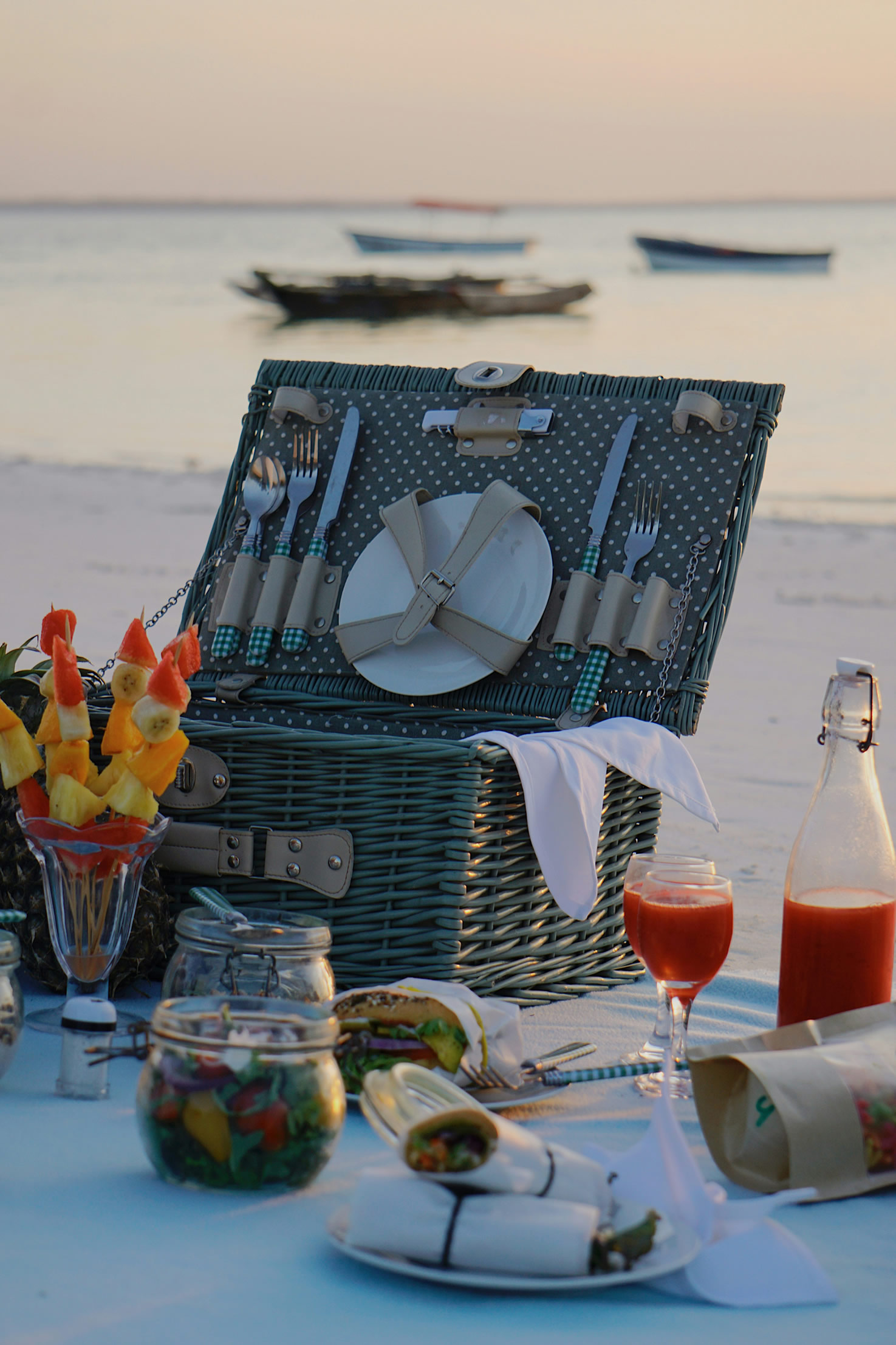
The Forodhani Gardens Night Market on Stone Town's waterfront is the most accessible introduction to Zanzibar street food — a nightly gathering of vendors offering Zanzibar pizza (a thin, filled crepe-style street food unique to the island), grilled seafood, sugarcane juice, urojo (Zanzibar mix soup — a tangy, spiced broth loaded with fritters, mango, and potato), and a variety of Indian-influenced snacks that reflect the island's Gujarati trading community heritage. The combination of fresh seafood, locally grown spices, and centuries of culinary cross-pollination produces food of extraordinary flavour and variety, and eating at Forodhani under the stars with the old fort lit behind you is one of Zanzibar's most pleasurable evening rituals.
Combining Zanzibar with a Tanzania Safari
Zanzibar is the natural and perfect complement to a Tanzania mainland safari — and the combination of wildlife drama on the northern circuit with the relaxed, sensory richness of a Zanzibar beach extension creates one of the finest complete travel experiences in the world.
Ntungo Wildlife Safaris offers seamlessly connected Tanzania safari and Zanzibar beach holiday combinations across all durations and accommodation tiers. A typical combination might involve 5–10 days on the northern circuit (Tarangire, Serengeti, Ngorongoro) followed by 4–7 days in Zanzibar — but we are happy to design any combination that matches your interests, timeline, and budget.
Flights between Arusha or Dar es Salaam and Zanzibar's Abeid Amani Karume International Airport are frequent, short (approximately 20–45 minutes), and easily incorporated into the overall itinerary.
Contact Ntungo Wildlife Safaris to plan your Zanzibar beach holiday — as a standalone Indian Ocean escape or combined with a Tanzania mainland safari.
Where to Visit
-

Karibu KiliFair Experience
0 comments -

Nyungwe Forest National Park Rwanda
1 comments -
Ngorongoro Crater Tanzania
0 comments -
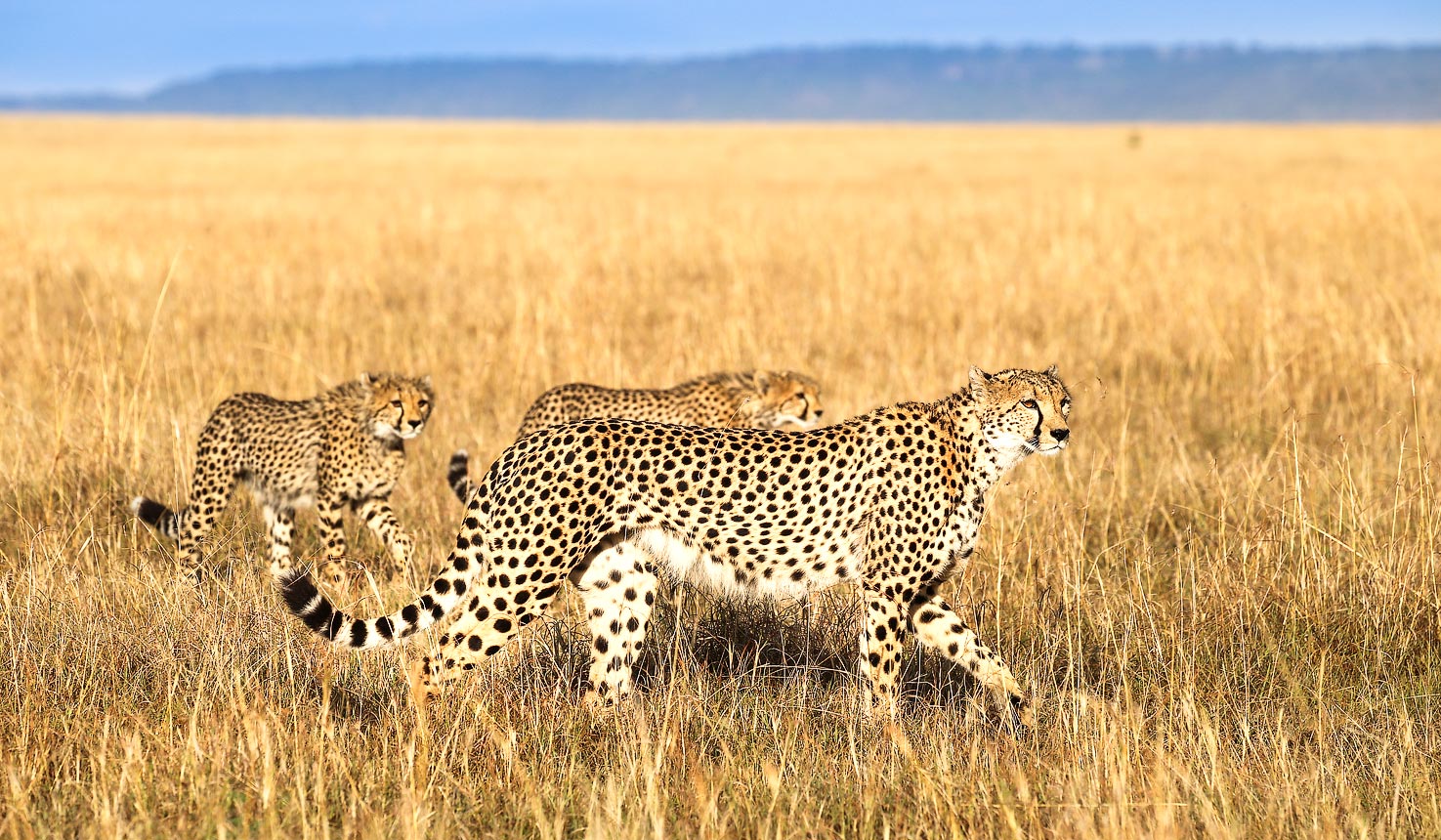
Serengeti National Park Tanzania
0 comments -
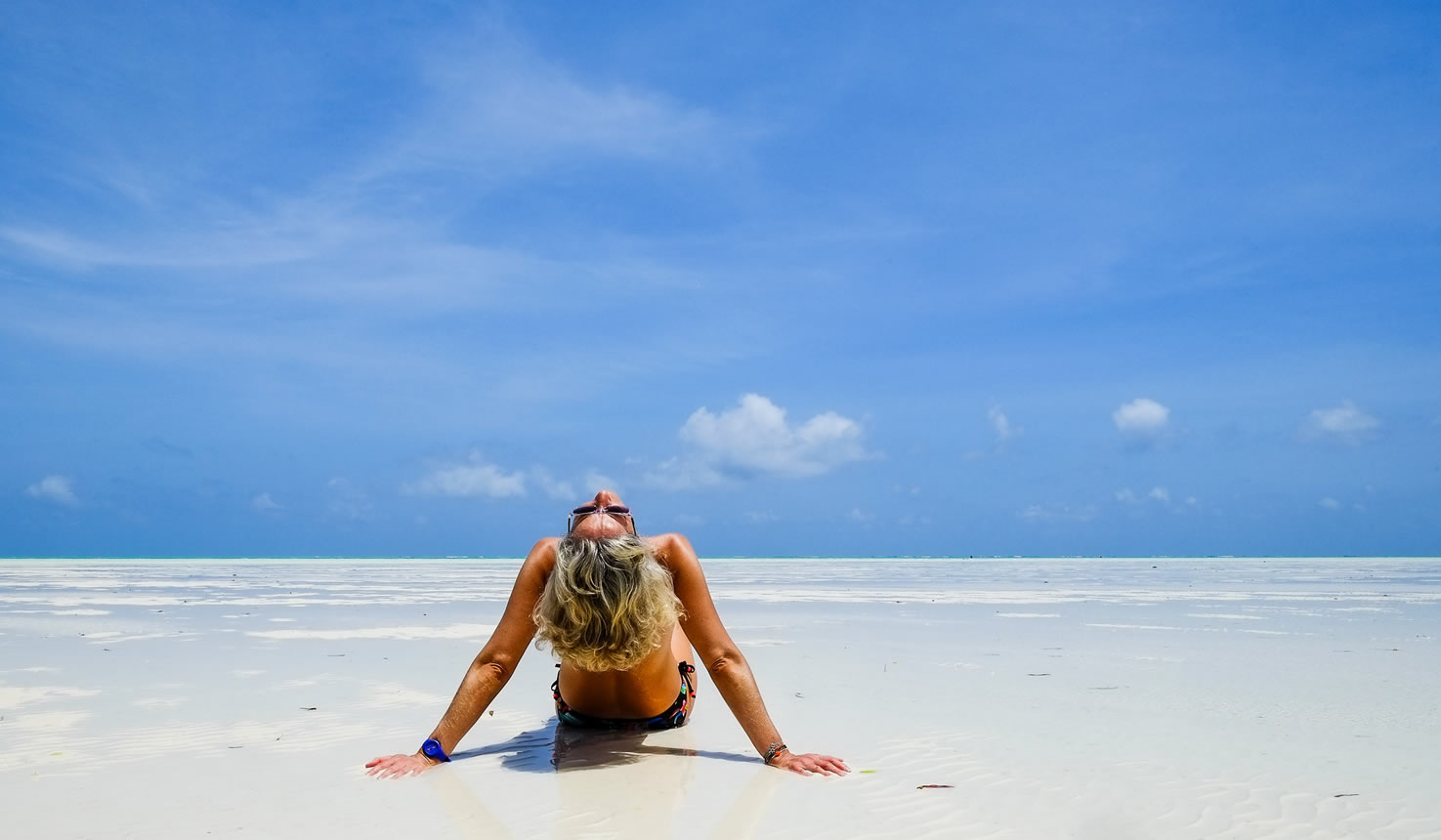
Mombasa
0 comments -
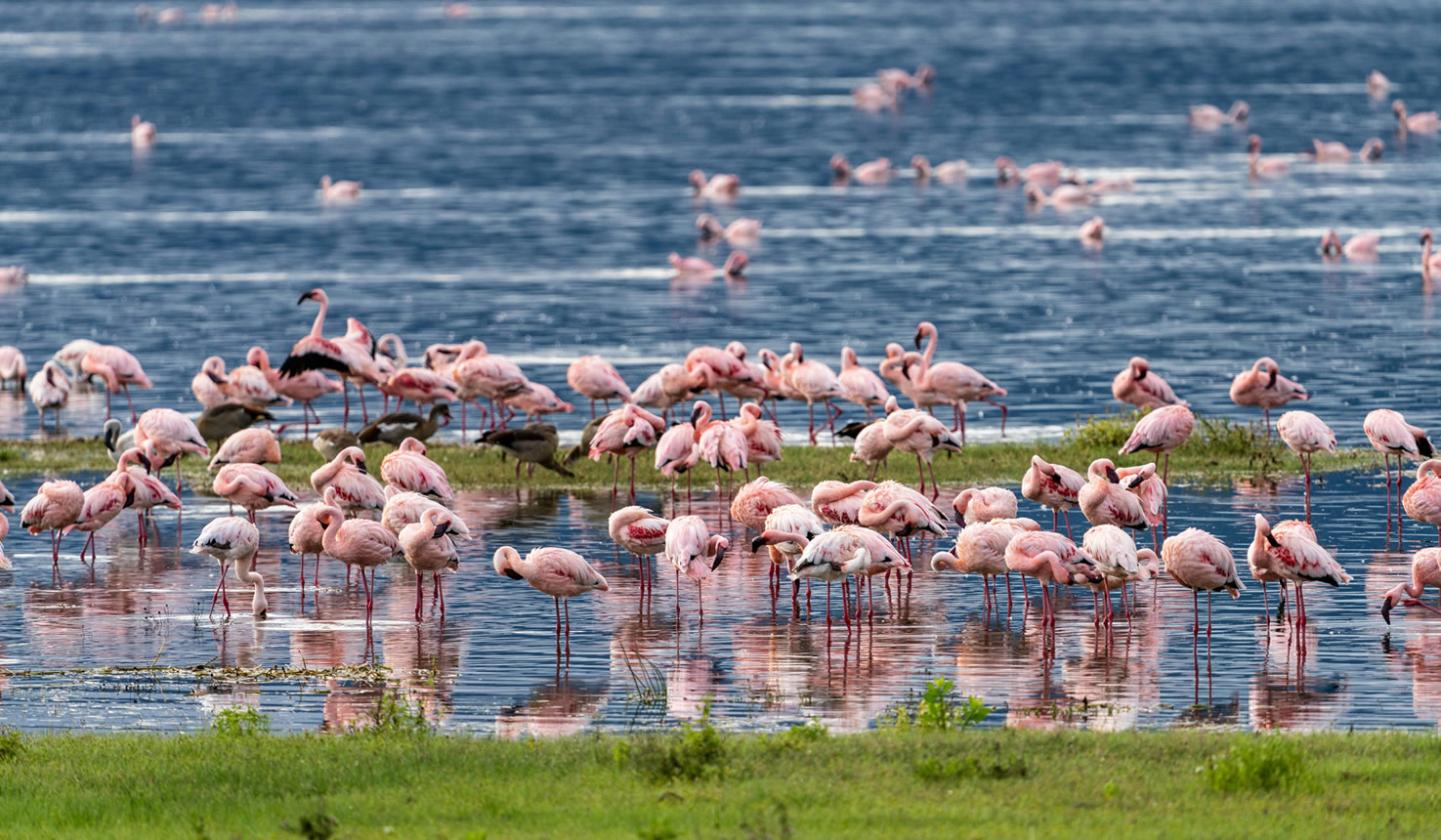
Lake Nakuru National Park
0 comments -
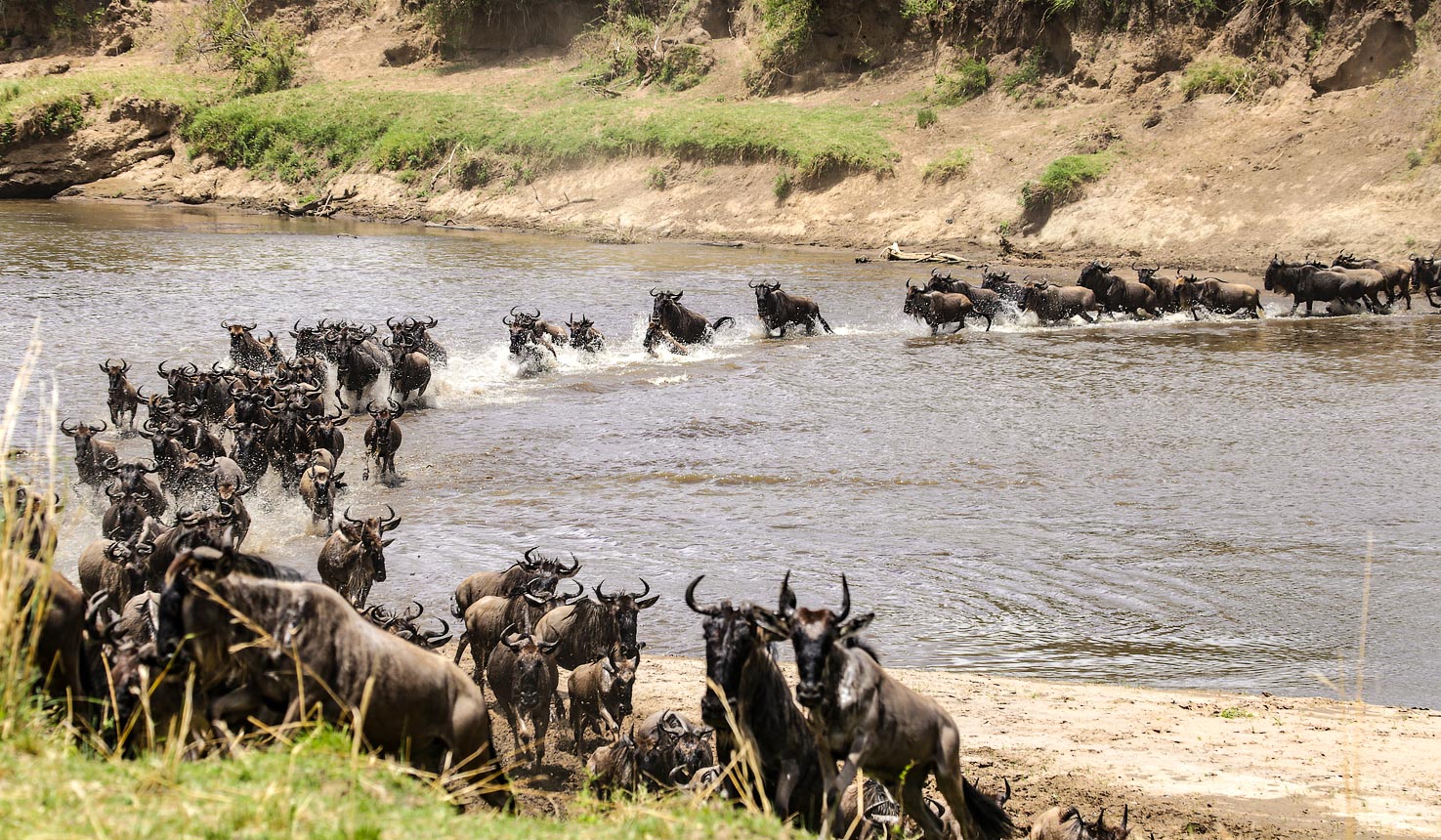
Masai Mara Safari Kenya
0 comments -
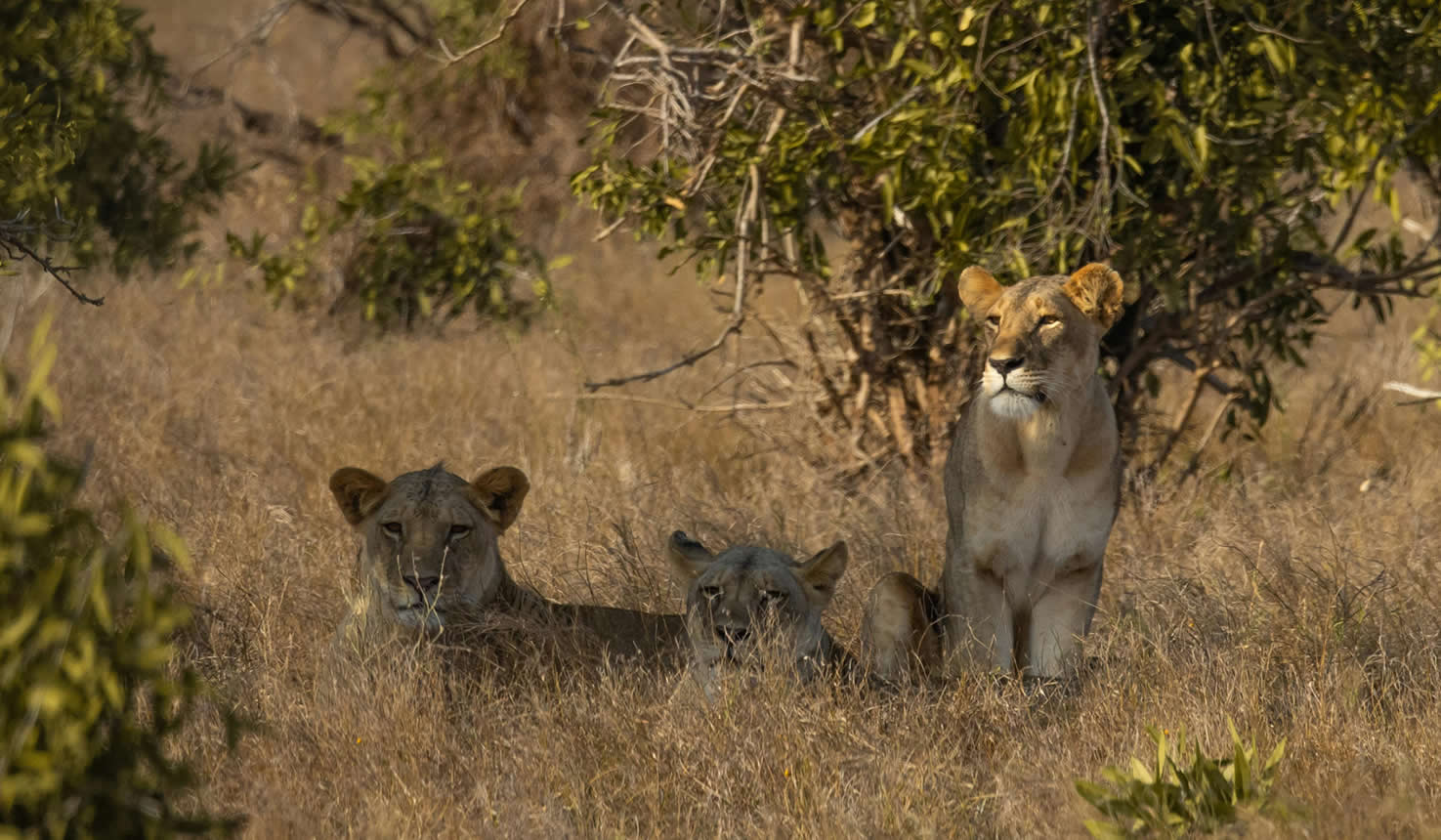
Kidepo Valley National Park
0 comments -
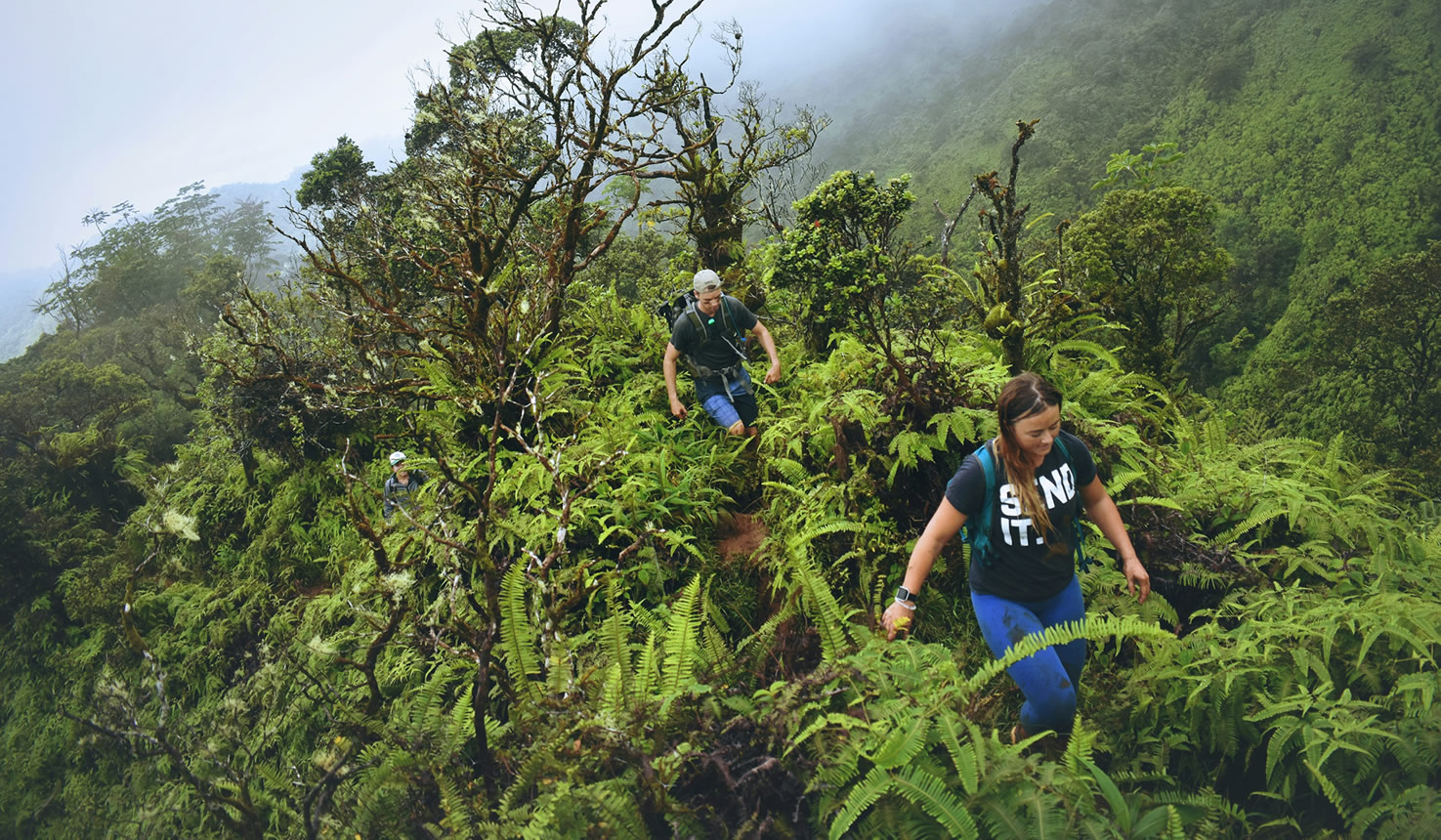
Bwindi Impenetrable National Park
0 comments -
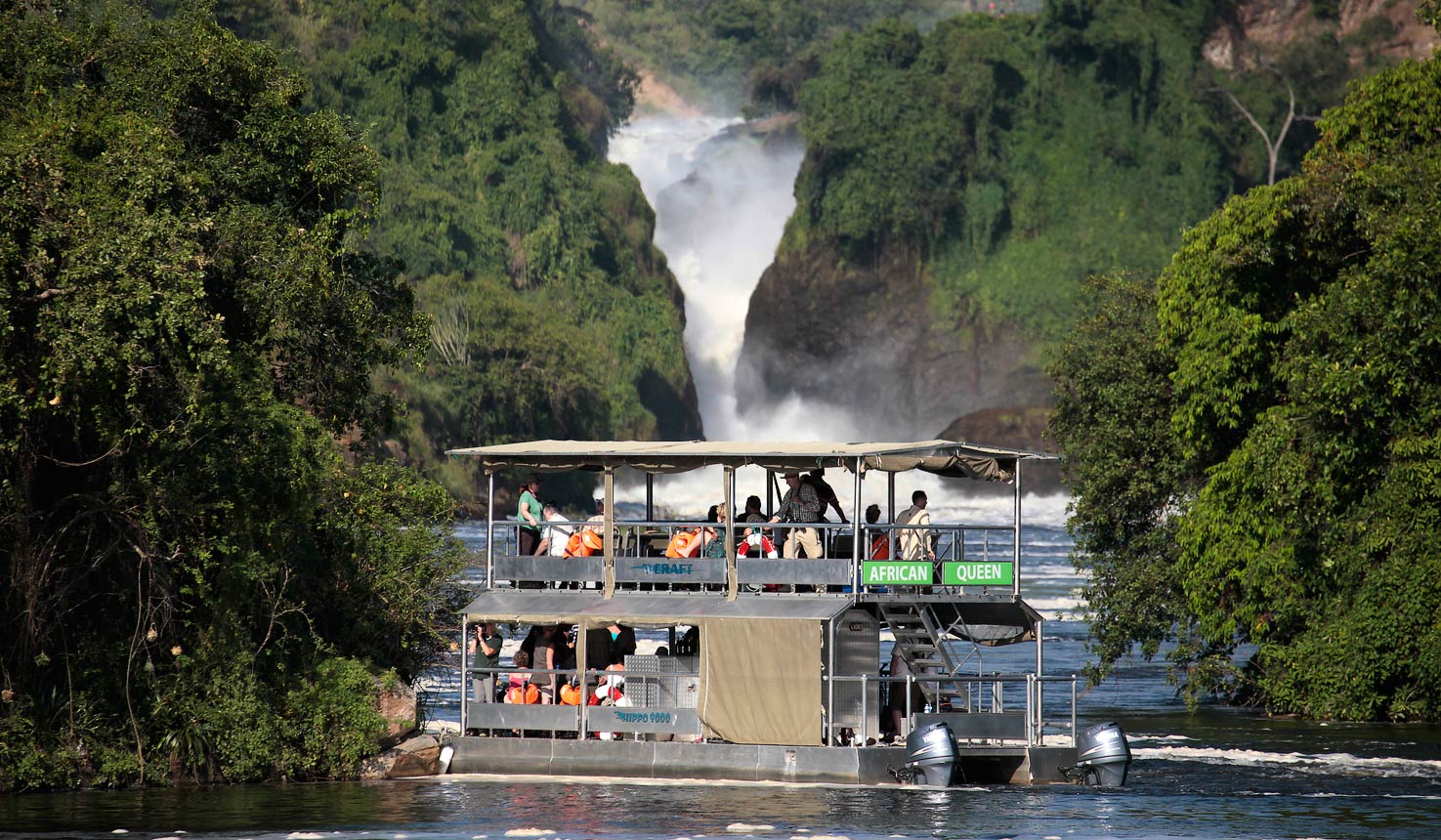
Murchison Falls National Park
1 comments -
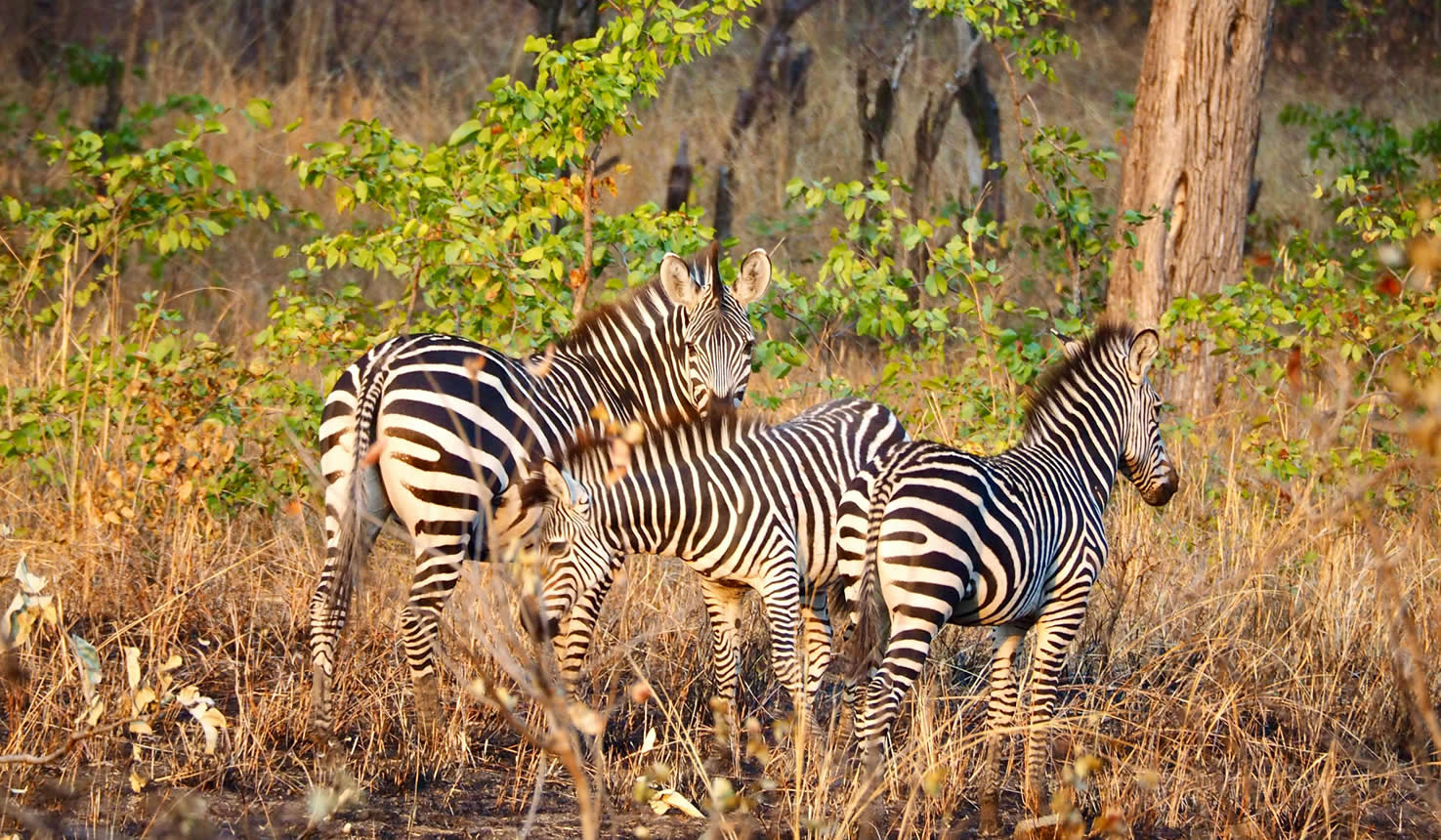
Lake Mburo national park
0 comments -
Akagera National Park
0 comments -
Queen Elizabeth National Park
1 comments