
Arabica Robusta Coffee Sourcing and Gorilla Safari
Ntungo Wildlife Safaris · Uganda Coffee Origin Journeys · 13 Days
13 Days, Two Coffees, One Country — The Most Complete Origin Journey I've Ever Done
How Uganda's Arabica highlands, Robusta heartlands, gorilla forests, and wildlife parks added up to something I wasn't expecting
Uganda is one of the only countries on Earth where both Arabica and Robusta coffee grow wild. This 13-day journey goes to both. It starts on the volcanic slopes of Mount Elgon and ends in a cupping room in Kampala — and in between, there are gorillas, waterfalls, the Nile, farmers who will make you rethink everything, and a domestic flight that crosses the whole country in fifty minutes.
When Ntungo Safaris first described the 13-Day Arabica and Robusta Coffee Origin Safari to me, I thought it sounded like a lot. Thirteen days. Two coffee species. Three national parks. Exporters, logistics meetings, farm walks, cooperative visits, a gorilla trek, and a final cupping session. I wondered if it might be too much — too packed, too ambitious, too exhausting to absorb properly.
I was wrong about that. It wasn't too much. It was exactly enough — structured with a logic that only becomes fully apparent on Day 12, when you sit in front of a flight of coffees from farms you visited with your own feet and realise that for the first time in your professional life you are not guessing at the story behind the cup. You know it. You were there.
Here's what thirteen days in Uganda looks like from the inside.
Day 1 Entebbe: First Light, First Coffee
You arrive at Entebbe International Airport and Uganda begins immediately — warmly, greenly, with a sense of unhurried welcome that sets the tone for everything that follows. Your Ntungo Safaris guide meets you, transfers you to your hotel on the lake shore, and leaves you to the particular pleasure of a first evening in a new country: the unfamiliar birdsong, the smell of tropical vegetation, the way the light falls differently this close to the equator.
Drink the coffee. Order another one. The journey starts tomorrow.
Day 2 & 3 Kampala: The Full Picture Before the Fields
Before you see a single coffee tree, you spend two days in Kampala understanding the system those trees feed into. This sequencing matters more than it might seem.
Day 2 is a comprehensive industry briefing — Uganda's position in the global market, its production volumes (consistently among Africa's highest), the distinction between its Arabica and Robusta sectors, quality grading systems, sustainability certifications, and the specialty market opportunities that a country of this quality and this history has only recently begun to fully develop. The people you meet here are not presenting marketing material. They are sharing a sophisticated, sometimes uncomfortable, always candid picture of an industry at an important inflection point.
Day 3 moves to exporters, warehouse visits, and freight forwarding sessions. By the end of it, you have a complete commercial map of Uganda's coffee value chain — from harvest through processing and grading, through the export container, across the Indian Ocean, to a roastery door in Europe or Asia. That map is the frame you carry with you for the next ten days, and every farm visit, every farmer conversation, every cooperative discussion fits neatly and meaningfully into it.
The framing effect: Most origin trips take you to the farms first and the industry briefings later, or skip the commercial layer entirely. Starting with the full commercial context — before the romance of the farm visits — means that when you meet a farmer on Day 5, you already understand exactly where their coffee goes after it leaves their drying bed. That understanding transforms the conversations you're able to have.
Day 4 & 5 Mount Elgon: Where Arabica Gets Serious
The drive east from Kampala toward Uganda's Arabica heartland is a journey upward in every sense. As the road climbs and the temperature drops and the coffee trees multiply across every hillside, you feel the altitude doing something to the air — sharpening it, cooling it, loading it with the mineral freshness that Arabica farmers will tell you is the single most important ingredient in a great cup.
Sipi Falls — your base for two nights — is one of Uganda's most spectacular highland destinations: a series of three waterfalls cascading off the escarpment above the Karamoja plains, with a lodge perched on the rim that gives you a sunrise view so absurdly beautiful you consider, briefly, not going home.
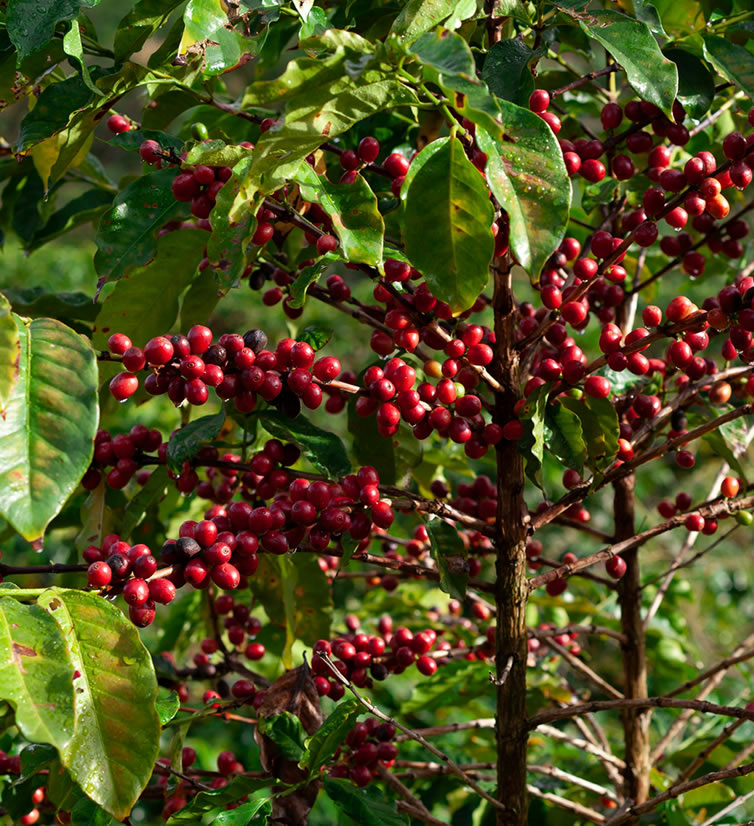
Day 5 is when the Arabica education happens in full. You walk through a working plantation at nearly 2,000 metres with a farmer who has been growing coffee on this specific hillside since before you were born. He shows you selective harvesting — how only the perfectly ripe red cherries are picked, how the green ones wait for a second pass, how this slower, more labour-intensive approach is a large part of what gives Mount Elgon Arabica its clarity and complexity. He shows you the wet mill — the pulper, the fermentation tank, the washing channels, the drying beds. And he tells you, without drama, that his children's education depends on whether buyers like you understand what this process is worth.
"Every cherry I pick, I pick knowing it has to be worth something to someone who will never see this mountain."
The afternoon Sipi Falls hike is magnificent — coffee farms and volcanic caves and waterfalls and viewpoints that make you feel like you're standing at the edge of the world. Uganda has a habit of doing that.

Day 6 Crossing the Country: From Arabica East to Murchison Northwest
A long, rewarding drive through Uganda's heartland. This is one of those travel days that earns its length — the landscape is too varied and too interesting to waste on sleep, and your guide's commentary fills the hours with context about the communities, the agricultural systems, the wildlife corridors, and the history of the regions you're passing through. You cross the Nile at Karuma and slow down to look over the bridge: hippos in the river below, the brown water churning around the sandbars, Africa's most famous river doing what it does, indifferently and magnificently.
You arrive at your Murchison Falls lodge as the savannah light goes gold and the hippos begin their nightly migration out of the river onto the bank. Dinner is on a terrace above the Nile. The Southern Cross is directly overhead. You are very far from the office.
Day 7 Murchison Falls: The Wild That Puts Everything in Perspective
A full day in Uganda's largest national park, and it delivers in every direction.
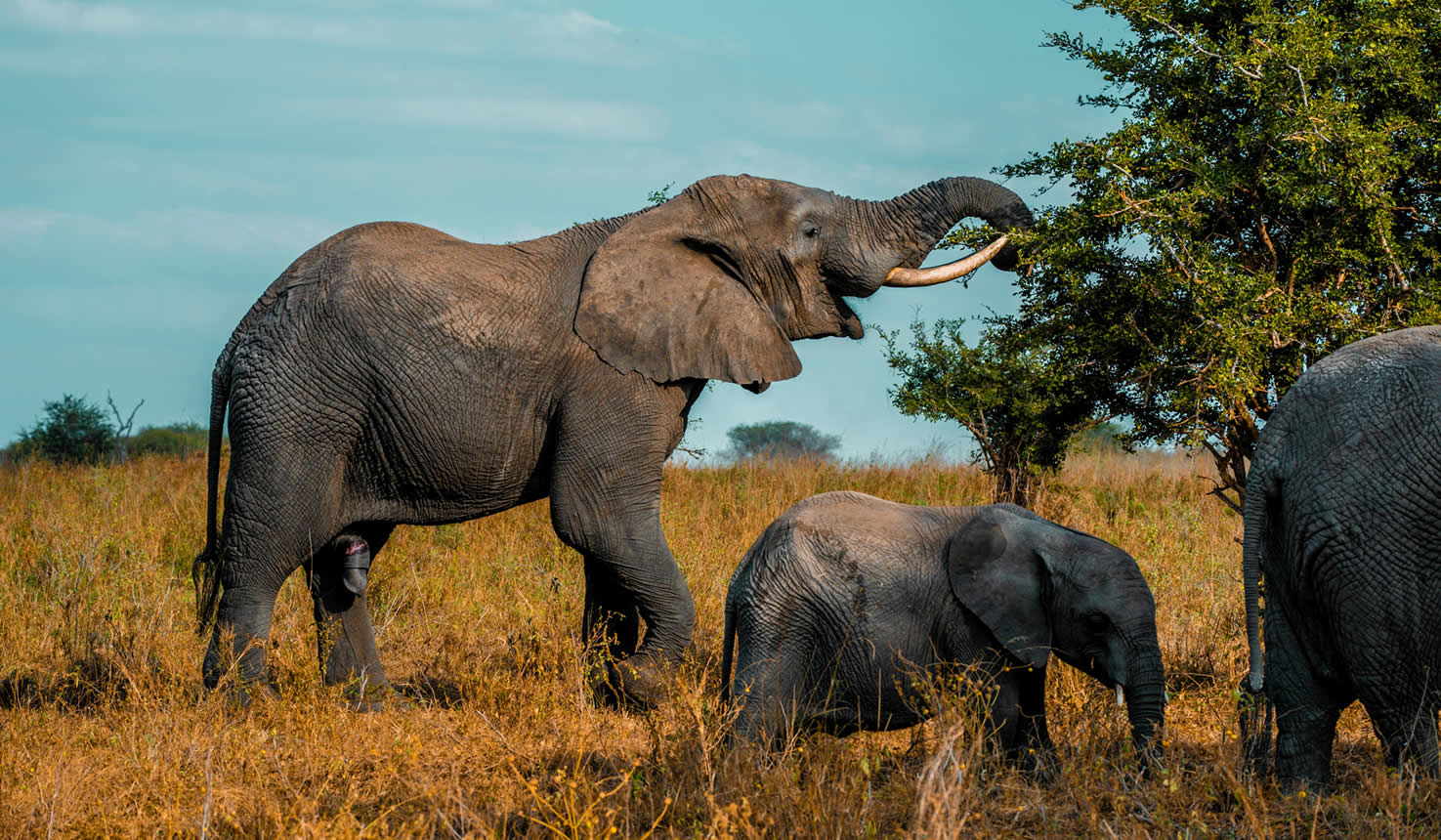
The morning game drive across the northern savannah is the kind of wildlife experience that recalibrates your sense of scale. A breeding herd of fifty elephants moving through acacia woodland at dawn. Rothschild's giraffes — one of the world's rarest giraffe subspecies — grazing the treetop canopy against a sky that is turning from grey to pink to gold. Cape buffalo in herds of hundreds. Lions. Uganda kob. Warthogs trotting with their tails straight up like aerials. It is genuinely overwhelming, and you find yourself grateful for the binoculars and slightly disappointed by the limits of your own eyes.
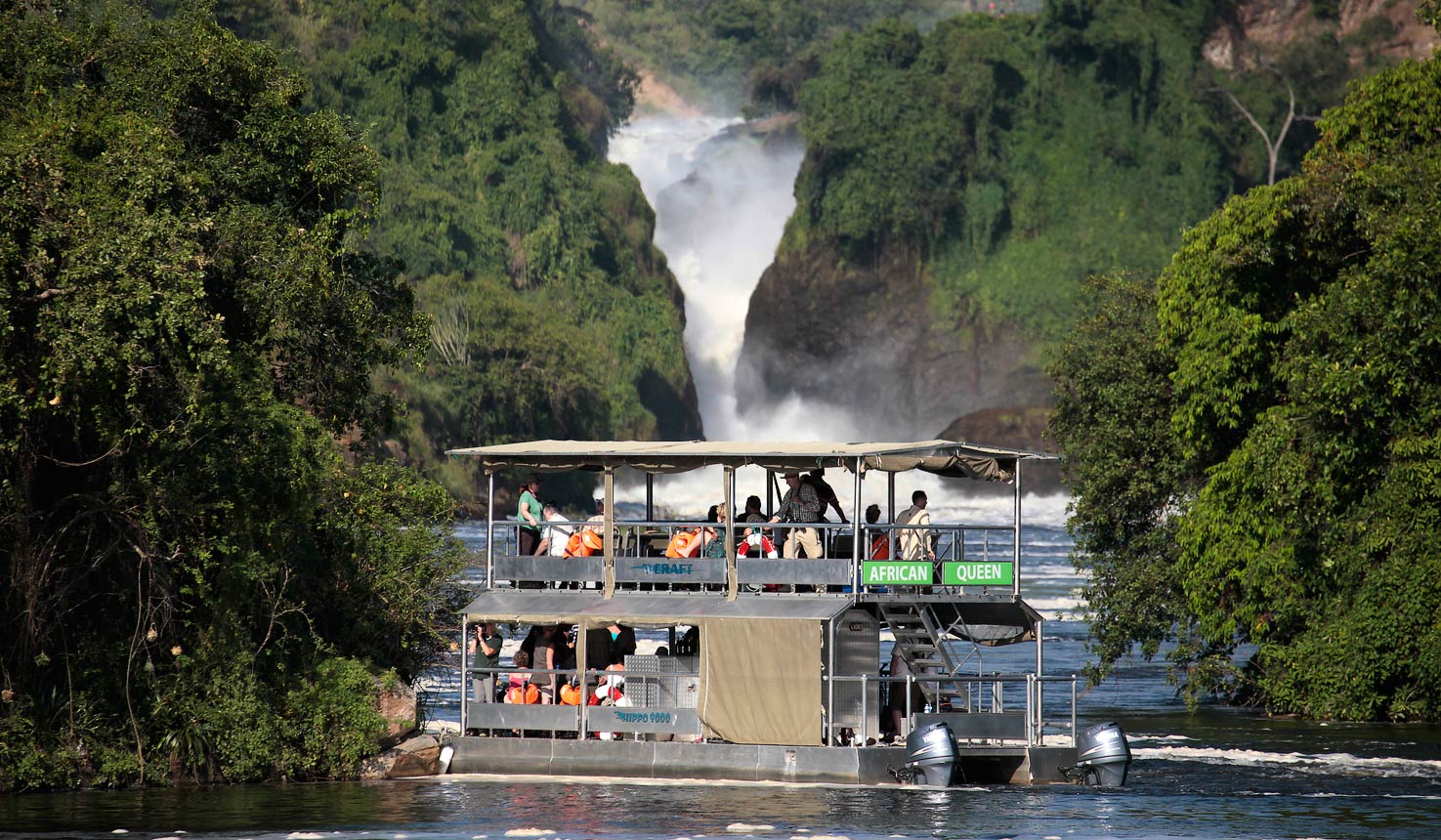
The afternoon boat cruise toward Murchison Falls is its own category of extraordinary. The Nile here is wide and languid and thick with life — hippos surfacing in clusters around the bow, Nile crocodiles armoured and ancient on every sandbank, elephants drinking at the riverbank, and a continuous parade of birds that your guide identifies with the ease of someone reading a familiar street. The falls themselves, visible from the water as a white explosion of mist and sound against the dark rock, are one of those natural phenomena that require no commentary. You sit and watch them and feel very small and very privileged to be here.
Day 8 Into the Sky, Then the Forest
The domestic flight from Murchison to Kihihi near Bwindi is one of the best fifty minutes of the entire journey. From the window of the small aircraft, Uganda unfolds below you in its entirety — the Nile, the lakes, the tea estates, the crater-dotted highlands — and then, on the horizon to the southwest, Bwindi's forest canopy appears: dark, dense, unbroken, ancient. Nothing about it looks approachable. Everything about it looks extraordinary.
You land. Transfer to your lodge. The forest is close enough to hear. You sleep well.
Day 9 Bwindi: The Trek, the Hour, the Gorillas
I've written about gorilla trekking before. Every time I try, I end up with the same problem: the experience is larger than the language available for it.
What I can tell you is this. You walk into Bwindi Impenetrable National Park before dawn with Uganda Wildlife Authority rangers and a tracker who reads the forest floor the way a scholar reads a text. You push through undergrowth and negotiate steep terrain and follow signs — flattened vegetation, knuckle prints, fresh dung, the faint, distinctive musk of gorilla — until the forest opens into a clearing and there they are.
Half of the world's remaining mountain gorillas live in Bwindi. The habituated families have spent years being slowly, carefully acclimatised to human presence, and the result is a wildlife encounter of almost unnerving intimacy. The silverback ignores you in the specific way that only something truly enormous and truly confident can ignore you. A juvenile tries to climb a sapling, fails, tries again. A female nurses her infant a few metres away, glancing at you occasionally with an expression of mild, calm curiosity.
One hour. Then the ranger says it's time. You turn and walk back into the forest and nobody says anything for quite a while.
The afternoon at Ride 4 A Woman is a different kind of extraordinary — the extraordinary of human warmth and community and creativity in difficult circumstances — and it rounds the day into something complete and humane and hard to forget.
Day 10 The Bridge Day: From Gorilla Forest to Robusta Heartland
This day has a specific structural purpose in the itinerary, and it's one of Ntungo Safaris' cleverest design choices. After five days in the Arabica highlands and the wildlife parks of the north and west, Day 10 transitions you from the gorilla highlands of Bwindi toward the Robusta farming communities of Central Uganda — and it does so through some of Uganda's most beautiful countryside.
The Kigezi highlands through which you drive are vertiginously terraced and extraordinarily green, dotted with crater lakes that appear without warning in valley floors and disappear equally suddenly as the road climbs again. Tea estates. Long-horned Ankole cattle. Children walking to school on red-earth roads. It is a living, densely inhabited, deeply beautiful landscape — the Uganda that most safari itineraries never show you because they're in too much of a hurry to get between the wildlife parks.
You arrive in the Masaka area in the evening. The Robusta country begins in the morning.
Day 11 Masaka: The Other Coffee, Just as Important
If Day 5 on the Arabica farms was about complexity and altitude and the careful artisanship of mountain coffee production, Day 11 in the Robusta heartland is about something different — about volume and resilience and the deep, generations-long relationship between Central Ugandan farming communities and the coffee that has sustained them since before anyone was keeping records.
The Robusta farms feel different from Arabica farms. The trees are larger and more vigorous, growing at a lower altitude with less shade and a more open canopy. The harvesting is strip-harvesting rather than selective-picking — faster, more practical, suited to the larger yields and different quality economics of the Robusta market. The farming families you spend the day with are — like the Arabica farmers you met at Mount Elgon — proud, candid, and deeply invested in their crop. Their reasons for growing coffee are the same: school fees, medical bills, household resilience. The coffee is different. The stakes are identical.
By the end of this day you have something genuinely rare in the coffee world: first-hand, embodied knowledge of both major Ugandan coffee production systems. You have walked both farms. You have met both sets of farmers. You understand both economies. That knowledge is yours now, and nobody can take it back.
Day 12 Kampala: The Cupping That Makes It All Real
The professional cupping session on Day 12 is the moment the entire 13-day itinerary reveals its design. In front of you on the cupping table: a flight of Ugandan Arabica coffees from Mount Elgon, and a flight of Ugandan Robusta coffees from the Masaka region. Some of them are from farms you walked. The cupping analysts leading the session are experienced, precise, and generous with their knowledge.
You work through the flight — fragrance, aroma, break, taste, aftertaste, body, acidity, balance — and the contrast between the two species, experienced in sequence from coffees of known provenance, is revelatory. The Arabica is bright and complex and clean: the altitude and the volcanic soil and the careful wet processing all present in the cup in ways you can now trace back through every step you observed. The Robusta is dense and earthy and intense: the lowland warmth, the wild genetics, the strip-harvested cherry and the sun-dried parchment all present in their own unmistakable way.
Two coffees. One country. One cup each. Both extraordinary. Both yours to tell a story about that almost nobody else can tell.
Day 13 The Last Morning: What You Take Home
The transfer to Entebbe Airport on the final morning gives you an hour or two of stillness — in the car, or on the hotel terrace with a last cup of Ugandan coffee — to sit with what thirteen days in this country has given you.
You take home commercial knowledge: the exporter contacts, the logistics intelligence, the quality benchmarks, the pricing context. You take home sensory knowledge: the specific character of Uganda's Arabica and Robusta in the cup, now anchored to places and people rather than abstractions. And you take home something harder to quantify — the face of the woman in Masaka who said the coffee is her partner, the sound of Murchison Falls heard from a boat on the Nile, the particular quality of silence in a clearing in Bwindi when a silverback is three metres away and the whole forest holds its breath.
Uganda is not the world's most famous coffee origin. That gap between its actual quality and its current reputation is, depending on how you look at it, either a problem or an opportunity. After thirteen days, I know which one it looks like to me.
Experience Both Arabica and Robusta in One Complete Journey
The 13-Day Arabica & Robusta Coffee Origin & Gorilla Safari — the most comprehensive Uganda coffee experience available, designed for buyers, roasters, and serious coffee professionals.
Where to Visit
-

Karibu KiliFair Experience
0 comments -
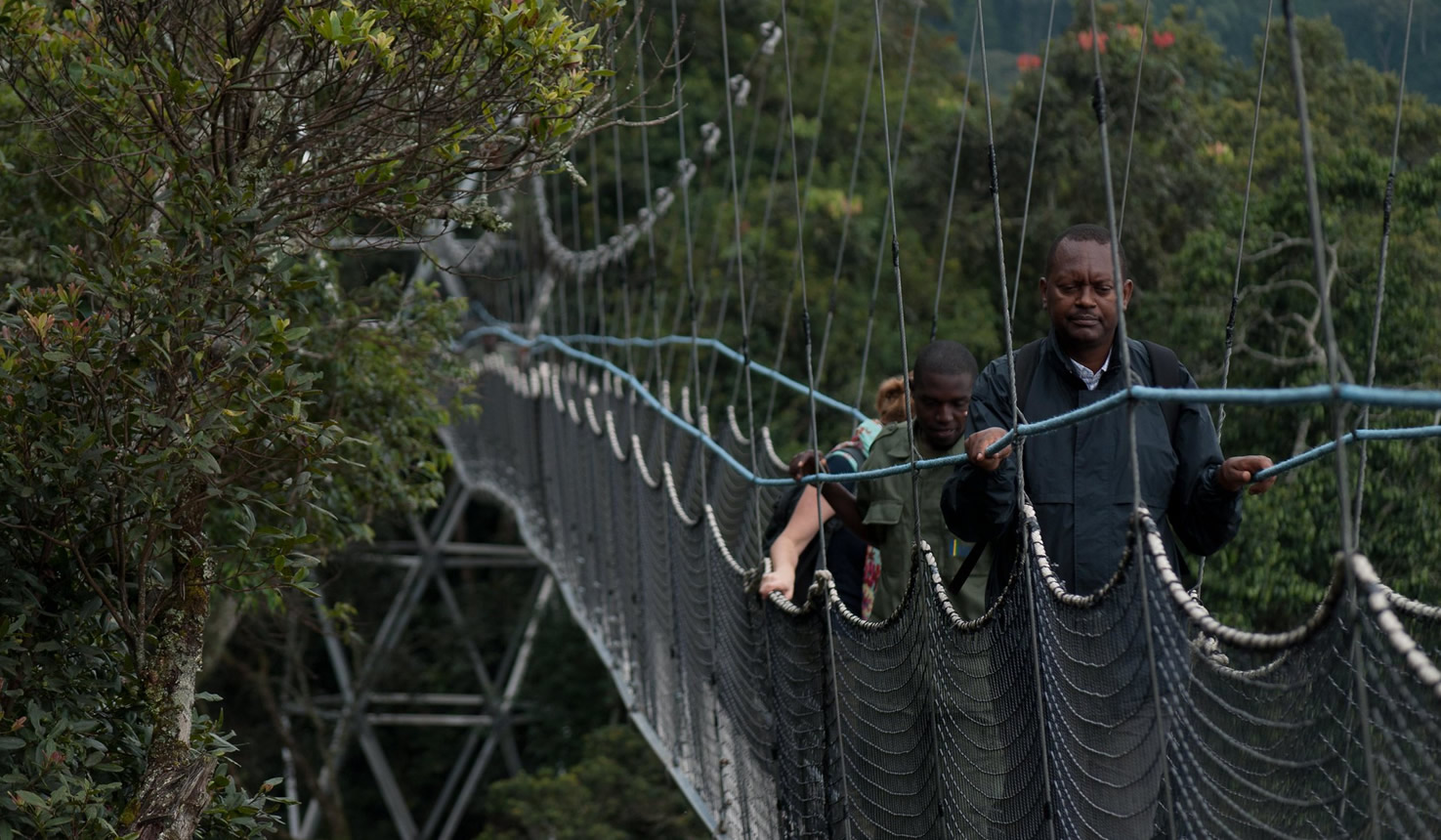
Nyungwe Forest National Park Rwanda
1 comments -
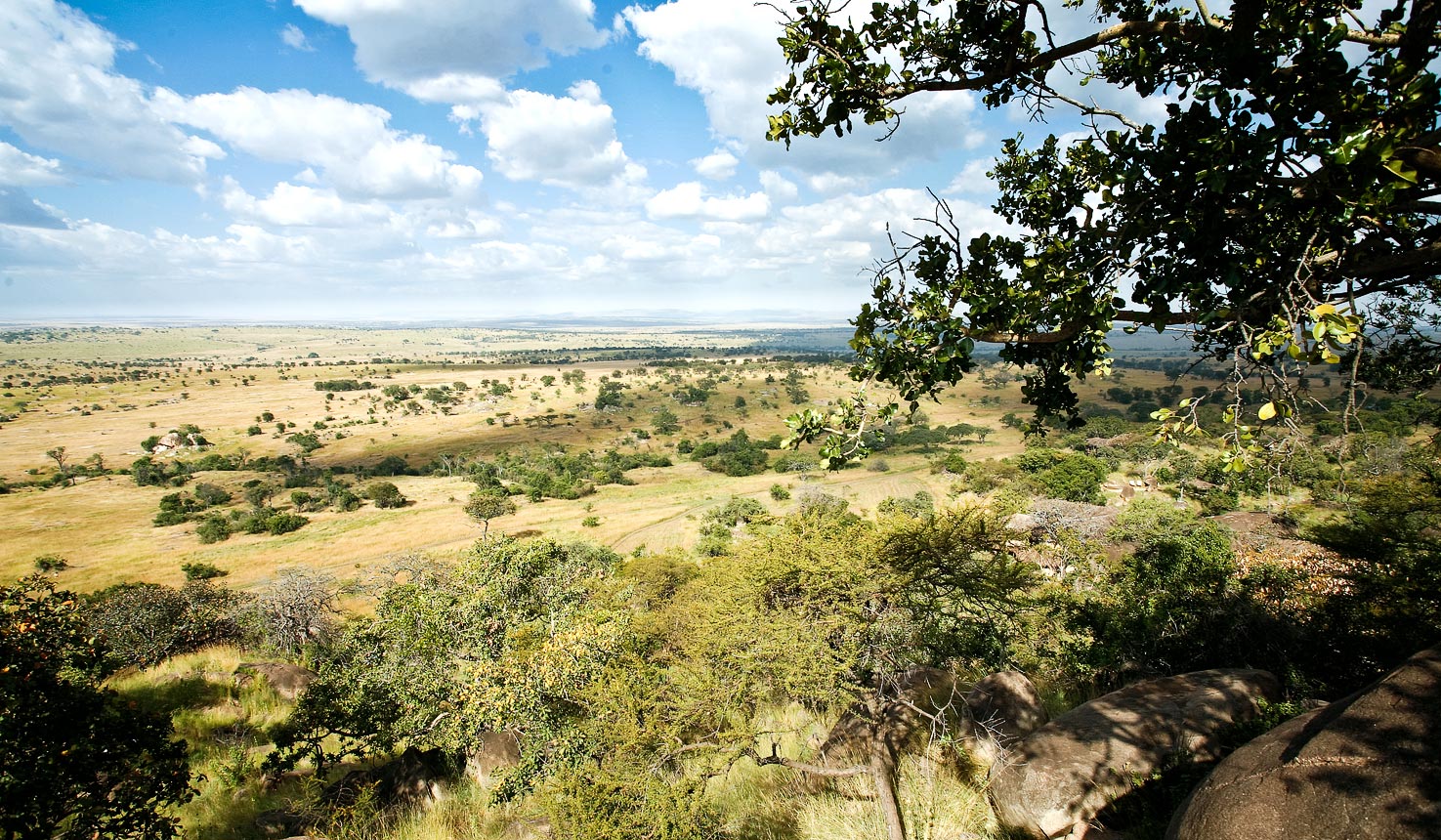
Ngorongoro Crater Tanzania
0 comments -
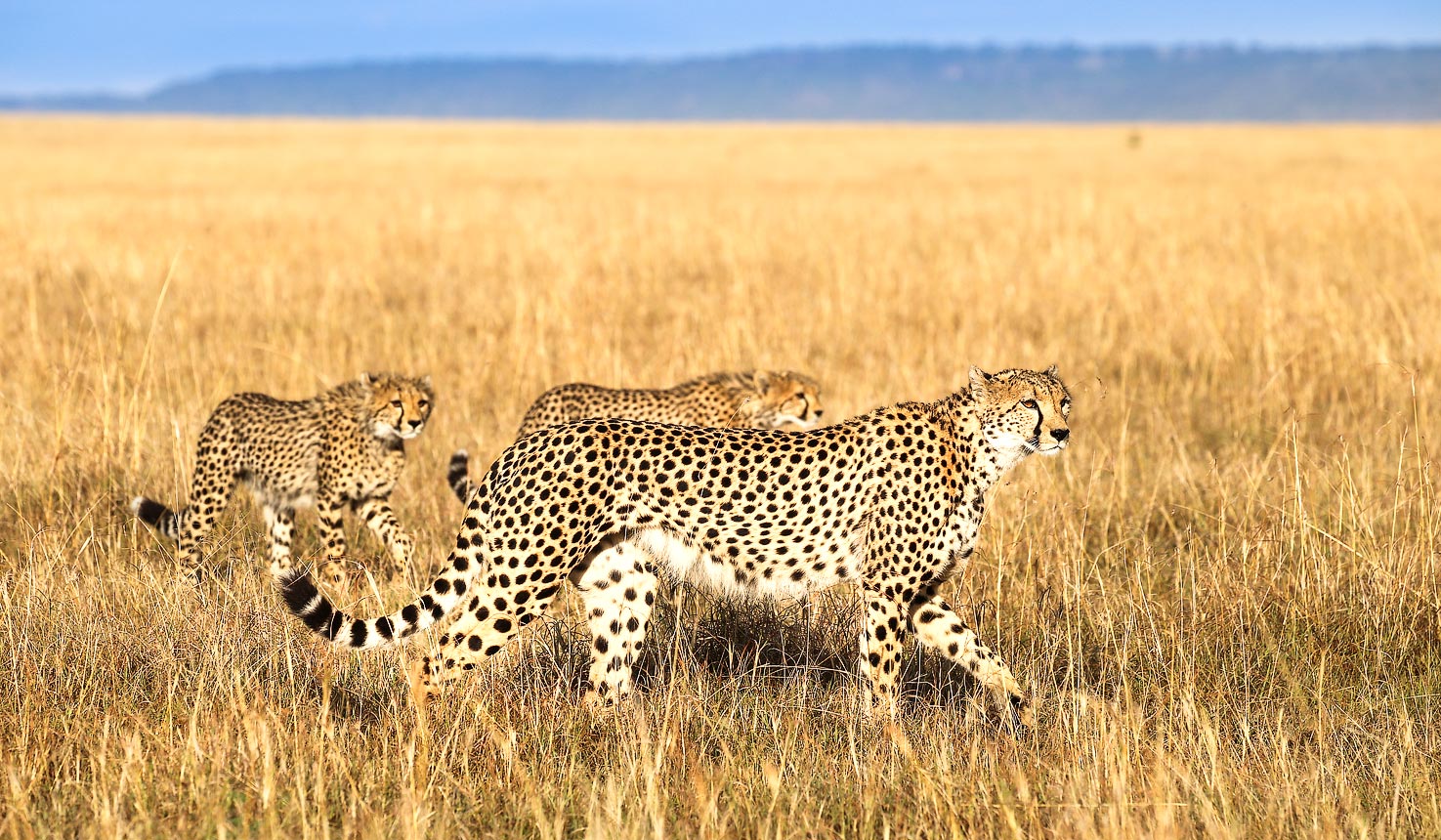
Serengeti National Park Tanzania
0 comments -

Mombasa
0 comments -
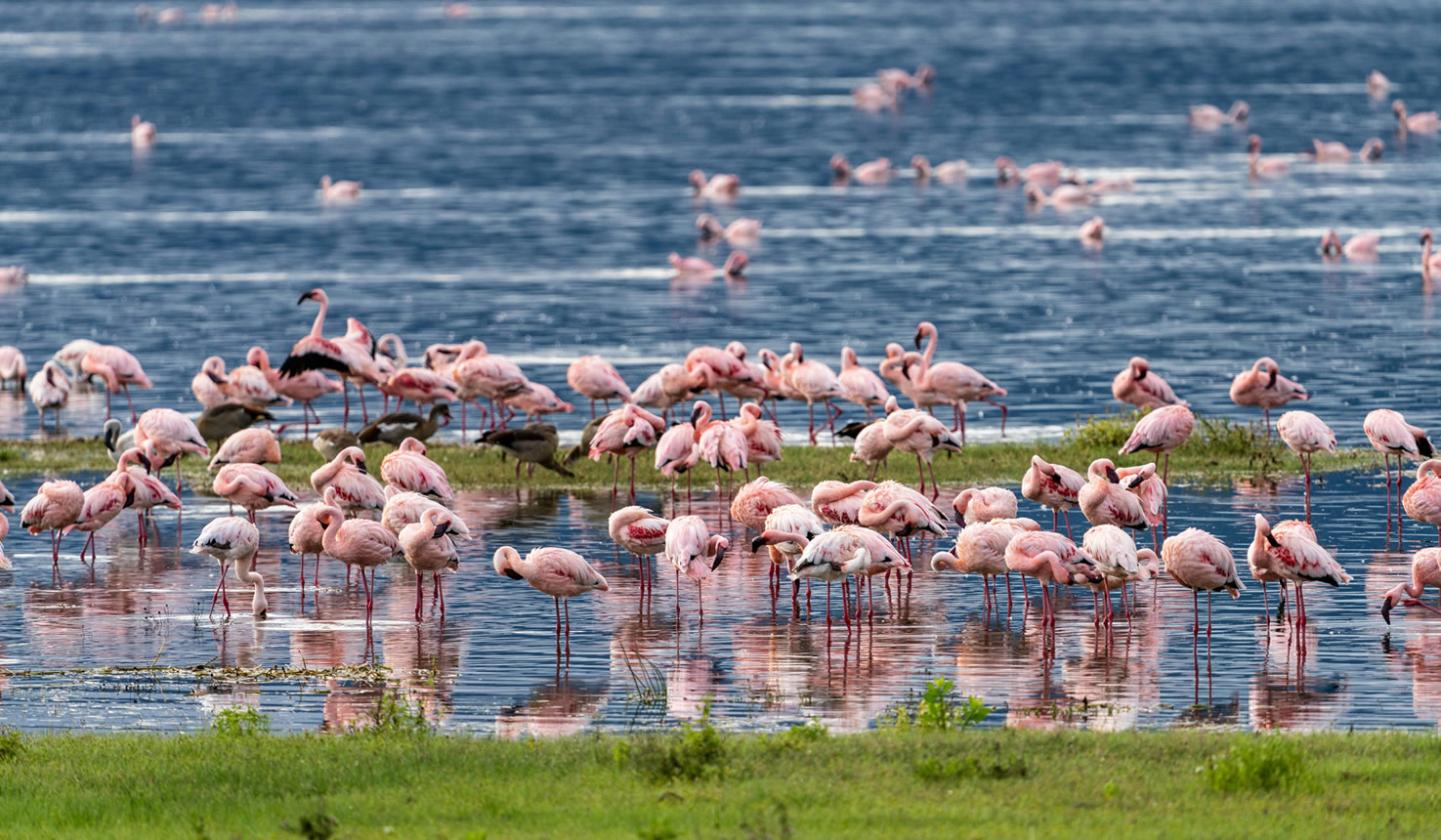
Lake Nakuru National Park
0 comments -
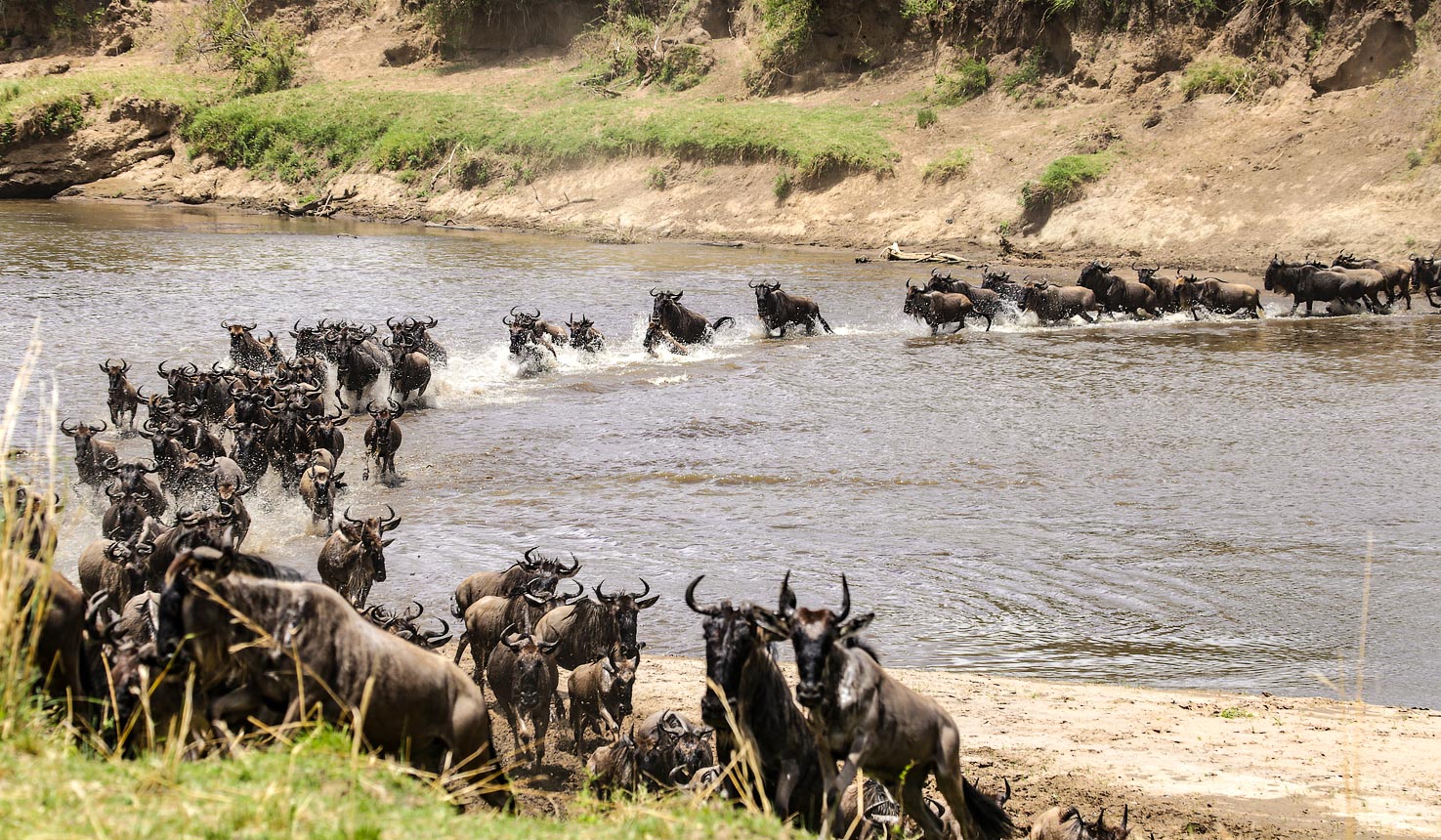
Masai Mara Safari Kenya
0 comments -
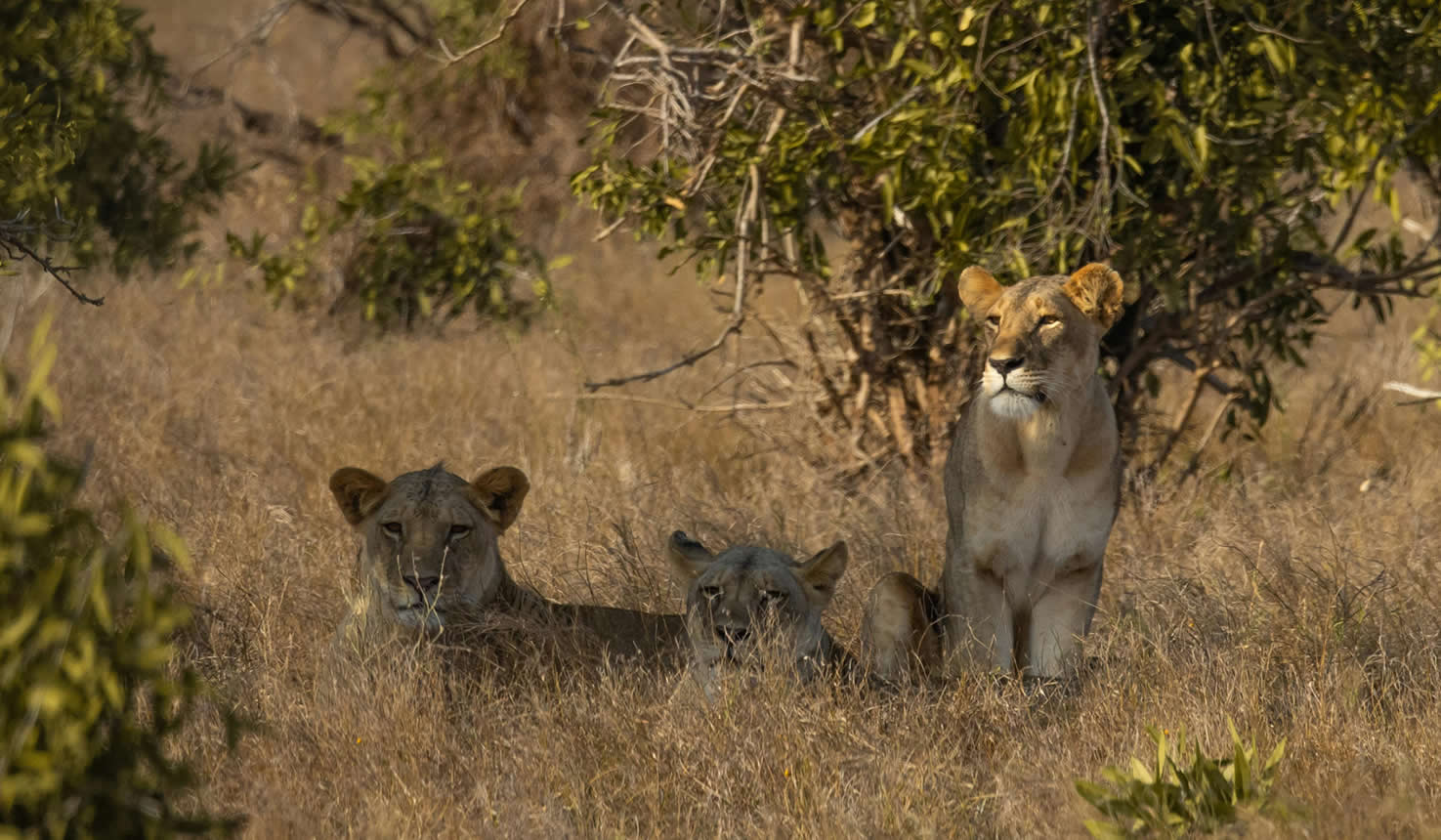
Kidepo Valley National Park
0 comments -
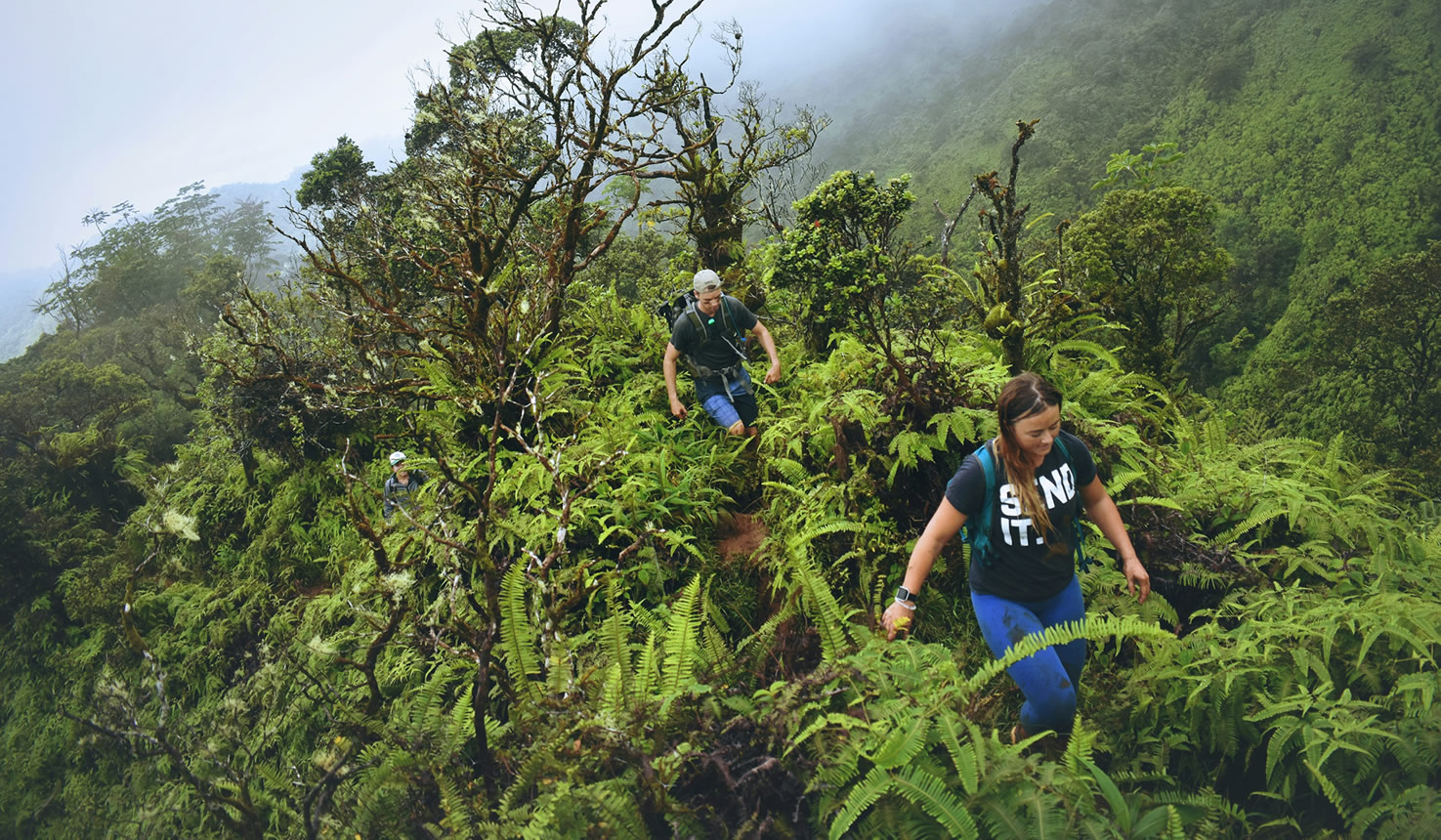
Bwindi Impenetrable National Park
0 comments -
Murchison Falls National Park
1 comments -
Lake Mburo national park
0 comments -
Akagera National Park
0 comments -
Queen Elizabeth National Park
1 comments