
The Source of the Nile is one of Africa’s most iconic natural landmarks, marking the starting point of the world’s longest river.
Located in the vibrant town of Jinja, this historic site is where the mighty River Nile begins its long journey northward to the Mediterranean Sea.
The source is fed by the vast waters of Lake Victoria, the largest lake in Africa. It gained global recognition in 1862 when British explorer John Hanning Speke identified it as the Nile’s origin, solving one of the greatest geographical mysteries of the time.

Today, the Source of the Nile is a major tourist attraction, offering scenic views, boat rides, and opportunities for adventure activities such as white-water rafting nearby. Visitors can enjoy the peaceful surroundings while learning about the river’s historical, cultural, and ecological importance.
Beyond its beauty, the Nile plays a crucial role in supporting millions of people across multiple countries, making its source not just a landmark, but a symbol of life and connectivity in Africa.
Tarangire National Park
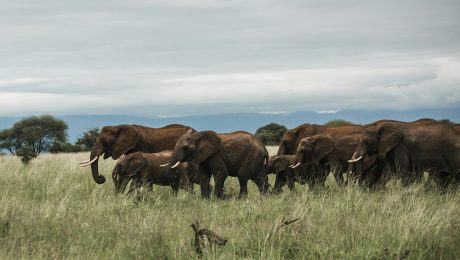
While Serengeti often steals the spotlight, Tarangire National Park offers a quieter yet equally rewarding safari experience. In fact, many seasoned travelers consider it one of Tanzania’s best-kept secrets.
Known for its massive elephant herds and ancient baobab trees, Tarangire combines dramatic landscapes with exceptional wildlife viewing.
Where Is Tarangire National Park?
Tarangire is located in northern Tanzania, approximately 2–3 hours from Arusha. Because of its proximity, it is often included in the Northern Circuit safari route.
Moreover, its accessibility makes it an ideal destination for both short and extended safaris.
Why Visit Tarangire?
To begin with, Tarangire is famous for its elephants. During the dry season, thousands gather near the Tarangire River.
In addition, the park’s baobab trees create a unique and iconic African landscape. These ancient trees not only add beauty but also serve as water storage for wildlife.
Furthermore, Tarangire is less crowded than other parks. Therefore, visitors can enjoy a more peaceful safari experience.
Wildlife in Tarangire
Tarangire’s wildlife is particularly impressive during the dry season.
As water becomes scarce elsewhere, animals migrate into the park. Consequently, wildlife concentrations become incredibly high.
Visitors can expect to see:
- Large elephant herds
- Lions and leopards
- Zebras and wildebeests
- Rare species like kudu
Additionally, over 500 bird species have been recorded, making it a birdwatcher’s paradise.
The Iconic Baobab Trees
One of Tarangire’s defining features is its baobab trees. These massive trees can live for thousands of years.
Because of their unique shape, they are often referred to as “upside-down trees.” Moreover, they create stunning photographic opportunities.
Best Time to Visit Tarangire
Dry Season (June to October)
This is the best time for wildlife viewing. Animals gather around water sources, making sightings easier.
Wet Season (November to May)
Although wildlife is more dispersed, the park becomes lush and green. Additionally, birdwatching is excellent during this time.
Safari Activities
Tarangire offers a variety of safari experiences.
Game Drives
The most popular activity, offering close wildlife encounters.
Night Drives
Unlike many parks, Tarangire allows night safaris.
Walking Safaris
Explore the park on foot for a more immersive experience.
How to Get There
Most visitors travel from Arusha by road. Alternatively, charter flights are available.
Where to Stay
Tarangire offers a range of accommodations, from budget camps to luxury lodges.
Travel Tips
- Visit during the dry season for best wildlife
- Stay at least two nights
- Bring a good camera
In summary, Tarangire National Park is a hidden gem that offers incredible wildlife, stunning landscapes, and fewer crowds.
Therefore, if you are looking for an authentic safari experience, Tarangire should definitely be on your list.
- Published in National Parks, Wildlife Safaris