
Tanzania's northern safari circuit is one of the great wildlife journeys of the world. It encompasses landscapes of staggering variety, ecosystems of extraordinary biological richness, and wildlife encounters that rank among the most spectacular available anywhere on earth. This 5-day Tanzania safari connects four of the circuit's most celebrated destinations — Tarangire National Park, Ngorongoro Crater, Serengeti National Park, and Lake Manyara National Park — into a single, seamlessly flowing itinerary that delivers the very best of Tanzania's wild north in just five days.
Starting and finishing in Arusha, the safari capital of East Africa, this journey is designed for the traveller who wants an authentic, immersive, and expertly guided encounter with Tanzania's iconic wildlife without needing weeks to do it. From the elephant-thronged banks of the Tarangire River to the predator-rich floor of the Ngorongoro Crater, from the vast, shimmering plains of the Serengeti to the flamingo-pink shores of Lake Manyara, every day of this itinerary offers something genuinely remarkable.
Ntungo Wildlife Safaris provides private guiding, comfortable accommodation, and expert knowledge of Tanzania's northern circuit — ensuring that your five days in the field deliver memories that last a lifetime.
Day 1: Arrival in Arusha — The Safari Begins
Your 5-day Tanzania safari begins the moment you land at Kilimanjaro International Airport or Arusha Airport, both of which serve Tanzania's northern safari gateway. Your Ntungo Wildlife Safaris representative will be waiting in the arrivals hall to welcome you with a warm greeting and assist with your luggage before transferring you comfortably to your accommodation in Arusha.
Arusha is a city of remarkable energy and cosmopolitan character, set at approximately 1,400 metres above sea level on the lower slopes of Mount Meru — a dormant 4,566-metre volcano whose forested flanks provide a dramatic green backdrop to the city's skyline. Long established as the headquarters of Tanzania's safari industry, Arusha buzzes with the organised excitement of a place that exists at the intersection of wilderness and the world — tour operators, curio markets, specialty coffee shops, and excellent restaurants all jostle for space in its lively streets.
Check into the Mount Meru Hotel, a well-regarded property that offers comfortable, well-appointed rooms and pleasant gardens that on clear mornings frame views of the great mountain itself. This evening is yours entirely — rest after your journey, enjoy a relaxed dinner at the hotel, and let the anticipation of the days ahead settle pleasantly over you.
Your guide will connect with you this evening or early the following morning to brief you on the day's schedule, confirm timings, and ensure you are equipped for the game drives ahead. Early nights are well rewarded on safari — the best wildlife viewing happens in the first hours of the morning.
Highlights: Arrival in Arusha, Mount Meru views, safari orientation Meal Plan: Dinner Accommodation: Mount Meru Hotel, Arusha
Day 2: Tarangire National Park — Elephants, Baobabs & the Savannah in Full Colour
The alarm sounds early today — and on safari, early mornings are a gift, not an inconvenience. After breakfast at the hotel, your private Ntungo Wildlife Safaris guide collects you in a customised 4WD safari vehicle fitted with a pop-up roof hatch for open-air wildlife viewing and photography, and sets course southwest toward Tarangire National Park, approximately two hours from Arusha.
The drive across the Maasai Plains is an experience in itself. The road cuts through wide, gently rolling grassland scattered with flat-topped acacia trees — a landscape that is quintessentially East African in character and extraordinarily photogenic in the early morning light. Alongside and across the road, Maasai pastoralists move with the unhurried rhythm of a people entirely at home in their landscape: warriors striding in red shukas, women balancing loads with effortless grace, young boys herding goats and long-horned cattle, and families cycling between villages. It is a living portrait of a culture that has coexisted with and shaped this landscape for centuries, and it sets the context for everything you are about to witness inside the park.
Tarangire National Park covers 2,850 square kilometres of diverse habitat — open savannah, seasonal swamp, riverine forest, and rocky kopjes — anchored by the permanent waters of the Tarangire River, the single most important dry-season water source for wildlife across a vast surrounding ecosystem. This river-centred ecology makes Tarangire one of Africa's most reliable and rewarding wildlife destinations, particularly during the dry season when animals converge on the water in extraordinary numbers.
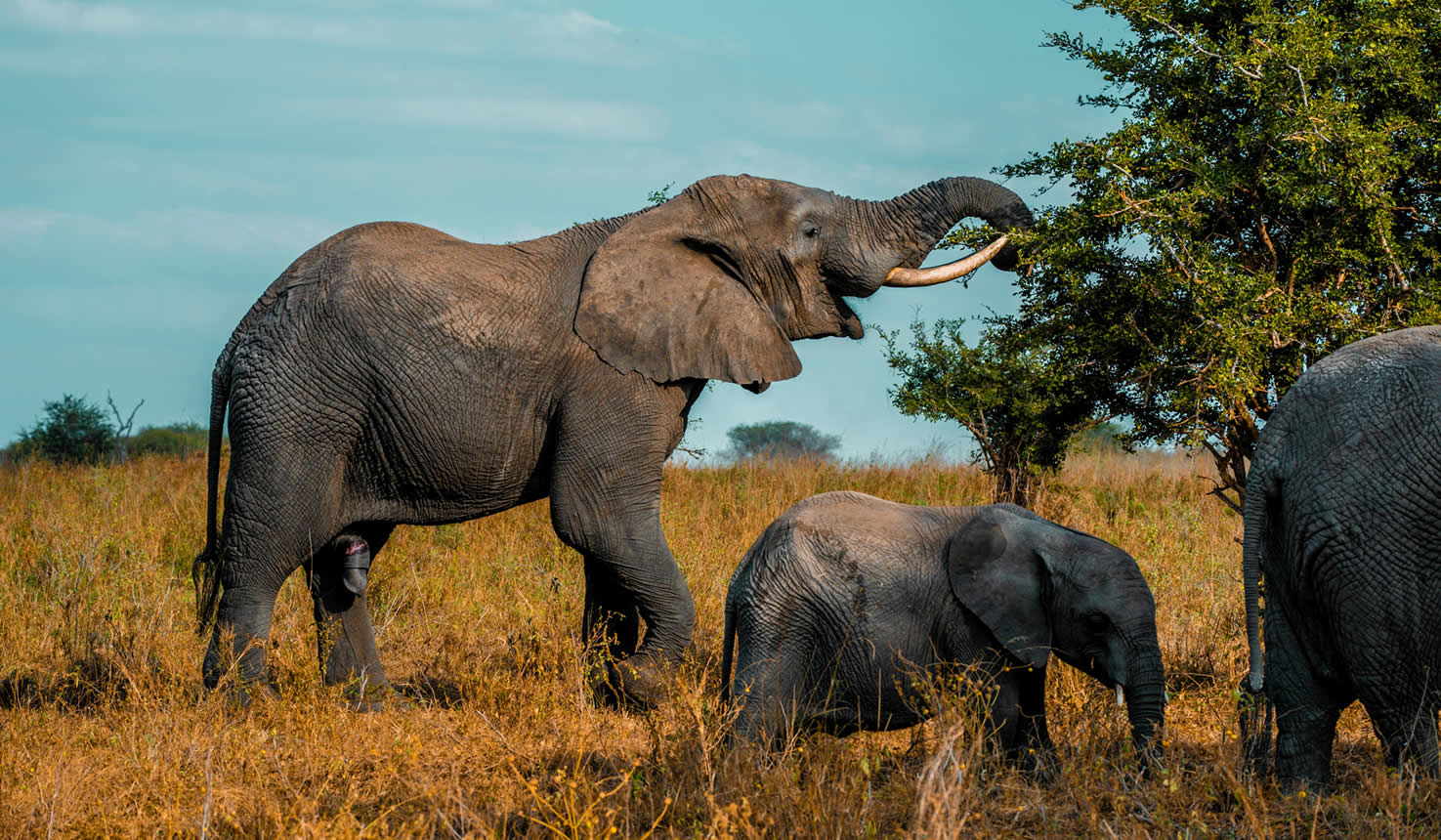
The park's most celebrated residents are its elephants — Tarangire supports one of the largest elephant populations of any park in Tanzania, and encounters with family groups, bachelor herds, and solitary old bulls are virtually guaranteed throughout the year. These are elephants in their full ecological context: digging for water in dry riverbeds, stripping bark from ancient baobabs, crossing the river in long, slow processions, and interacting with the complex social bonds that make elephant family life one of the animal kingdom's most moving spectacles.
The baobab tree is Tarangire's other signature — these ancient, gravity-defying giants, some estimated to be over 3,000 years old, punctuate the landscape with their swollen, bottle-shaped trunks and twisted canopies. Standing beside one is a genuinely humbling experience of scale and time.
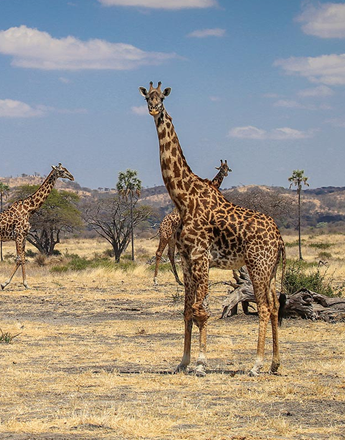
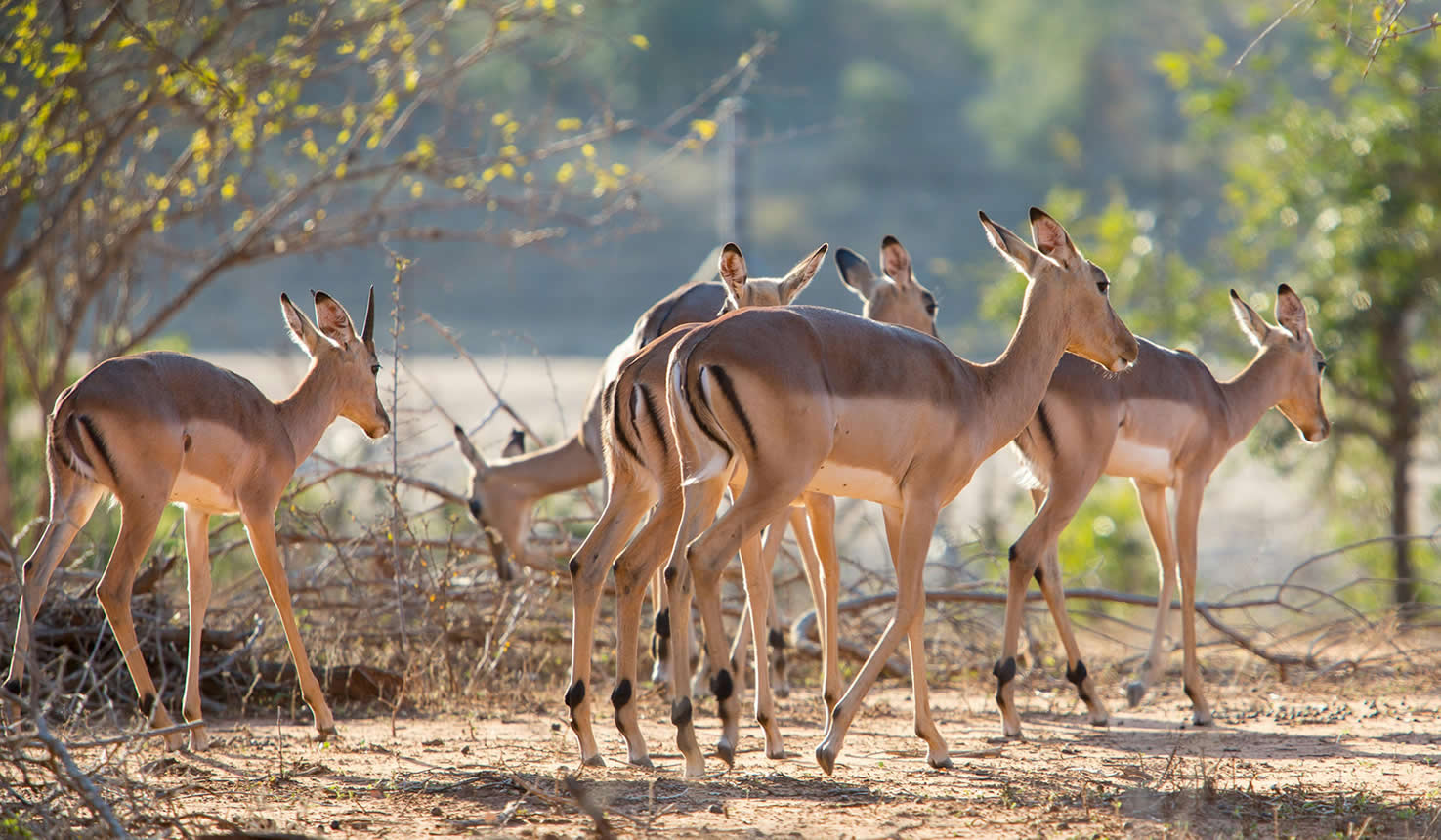
Beyond elephants, the park's wildlife diversity is remarkable. Large herds of zebra, wildebeest, buffalo, giraffe, eland, and impala roam the open plains, while the riverine forest shelters leopards — occasionally visible draped with languid elegance across the branches of sausage trees — and lions that hunt the plains at dawn and dusk with practised efficiency. African wild dogs are sometimes encountered, as are pythons, monitor lizards, and the endearing dwarf mongoose colonies that inhabit the termite mounds scattered across the savannah floor.
With over 550 bird species recorded, Tarangire is also one of Tanzania's premier birding destinations. The yellow-collared lovebird explodes from trees in vivid green flocks, the kori bustard stalks the grassland with prehistoric grandeur, lilac-breasted rollers perch brilliantly in the acacia canopy, and ostriches stride across the open plains in pairs and family groups. Your guide's birdwatching knowledge adds a rewarding additional dimension to the day.
A picnic lunch is enjoyed in the field — either at a designated site or wherever the wildlife and the light conspire to make the moment perfect. In the late afternoon, depart Tarangire for the drive to the Karatu Highlands and Kitela Lodge — a beautifully situated property on a coffee estate at the foot of the Ngorongoro escarpment, surrounded by indigenous forest and offering warm hospitality, excellent food, and cool highland air.
Highlights: Maasai Plains drive, Tarangire elephant herds, baobab landscape, Tarangire River wildlife, 550+ bird species Meal Plan: Breakfast, Lunch, Dinner Accommodation: Kitela Lodge, Karatu
Day 3: Ngorongoro Crater & Transfer to the Serengeti
Today combines two of Tanzania's most iconic destinations — the ancient volcanic wonder of Ngorongoro Crater in the morning, and the boundless wilderness of the Serengeti by evening. It is a day of superlatives.
Rise before dawn and depart in the early morning darkness for the short drive from Kitela Lodge to the Ngorongoro Conservation Area — a UNESCO World Heritage Site and UNESCO Biosphere Reserve that represents one of the most important wildlife conservation areas in Africa. The road climbs steadily to the crater rim at approximately 2,300 metres, and as the first light of morning touches the escarpment, the view across the caldera opens in a revelation of extraordinary scale.
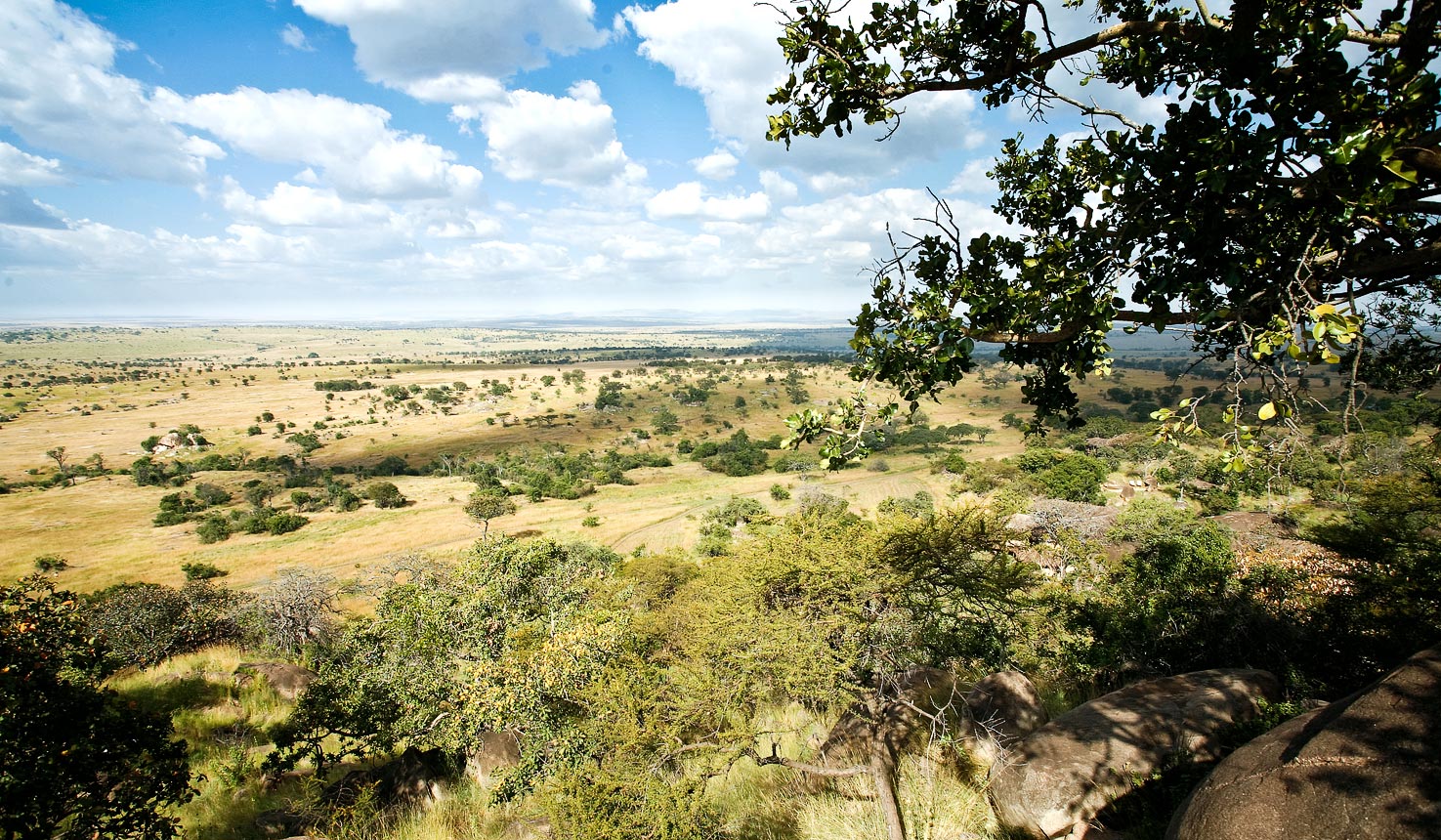
Ngorongoro Crater is the world's largest intact and unflooded volcanic caldera, approximately 19 kilometres across and 600 metres deep, with a floor area of roughly 260 square kilometres. It was formed between two and three million years ago when a massive volcano — geologists believe it may have once stood taller than Kilimanjaro at over 5,800 metres — erupted and collapsed catastrophically inward, creating this vast, perfectly bounded natural amphitheatre. The caldera is self-contained and self-sustaining: its walls trap water, its springs feed permanent pools and the alkaline Lake Magadi, and its floor supports a year-round resident wildlife population of approximately 25,000 large mammals.
The descent into the crater on the steep, winding access road is dramatic and thrilling — the forest of the crater rim gives way to open grassland as the floor expands around you, and within minutes of reaching the bottom, wildlife appears in every direction.
The Big Five are all present in the crater year-round. Lion prides are frequently encountered in the open grassland, hunting or simply commanding the landscape with the effortless authority of apex predators who have no real competition here. African elephants — predominantly large old bulls in the crater — move with slow, measured dignity across the grassland. Cape buffalo gather in enormous herds that can number in the hundreds. Leopards inhabit the Lerai Forest in the crater's southwestern corner, though their cryptic nature makes every sighting a genuine prize. Most significantly, Ngorongoro is home to one of Africa's last surviving populations of the black rhinoceros — a critically endangered species that has been devastated by poaching across much of its former range, and whose presence in the crater floor represents one of conservation's most hard-won successes. A rhino sighting here carries weight that goes beyond a simple game drive moment.
The variety of wildlife extends well beyond the Big Five. Wildebeest and zebra graze the open grassland in their thousands. Grant's and Thomson's gazelles are everywhere. Hyenas — far more numerous and ecologically significant than popular perception suggests — can be observed in their complex social groups around den sites and at kills. Golden jackals trot purposefully through the grass. The crater's 500+ bird species include grey crowned cranes dancing in courtship displays, secretary birds striding upright across the plains, kori bustards puffing up in impressive breeding displays, and on Lake Magadi, impressive concentrations of lesser flamingos whose pink mass transforms the alkaline shallows into something from a dream.
A picnic lunch is taken on the crater floor — one of the most memorable lunch settings imaginable, with wildlife grazing a few metres from the vehicle and the vast crater walls rising above you on all sides.
At approximately 14:00, depart the crater floor and begin the drive northwestward toward the Serengeti National Park, crossing the open highland landscapes of the Conservation Area before descending through the famous Naabi Hill Gate onto the Serengeti plains. By 18:00, you arrive at Kubu Kubu Tented Camp — a beautifully positioned luxury tented camp in the Serengeti's central region, offering comfortable accommodation, excellent food, and the genuine and exhilarating experience of sleeping inside a working national park where wildlife moves freely through the camp after dark.
Highlights: Ngorongoro Crater descent, Big Five including black rhino, Serengeti arrival, tented camp experience Meal Plan: Breakfast, Lunch, Dinner Accommodation: Kubu Kubu Tented Camp, Serengeti
Day 4: Serengeti National Park — The World's Most Famous Wildlife Stage
There is a reason the Serengeti is the name most people say when they say Africa. This is the landscape that defines the continental imagination — an ocean of golden grass stretching to every horizon, vast herds moving across it in patterns set by rain and instinct rather than human intent, and predators living and dying by the oldest laws in the world. Today you spend a full day in it.
Depart camp at approximately 06:30 for the early morning game drive — the most productive hours for wildlife viewing, when predators are still active from the night, prey animals are alert and moving, and the light is extraordinary. Serengeti National Park covers nearly 15,000 square kilometres of open savannah, woodland, kopje-studded plains, and riverine forest — making it one of the largest and most ecologically intact wildlife ecosystems remaining on earth.
The park is most famous for hosting the Great Wildebeest Migration — the annual movement of approximately 1.5 million wildebeest, 400,000 zebra, and 200,000 Thomson's gazelle across the Serengeti-Mara ecosystem in a continuous, clockwise circuit driven by the seasonal rains. The location of the herds within the Serengeti changes month by month, and your guide will position your game drives to maximise the chances of witnessing the migration in whatever form the season presents — whether the dramatic river crossings of the Grumeti and Mara rivers (June–September), the calving season on the southern plains (January–March), or the vast assembled herds of the central Serengeti in the transitional months.
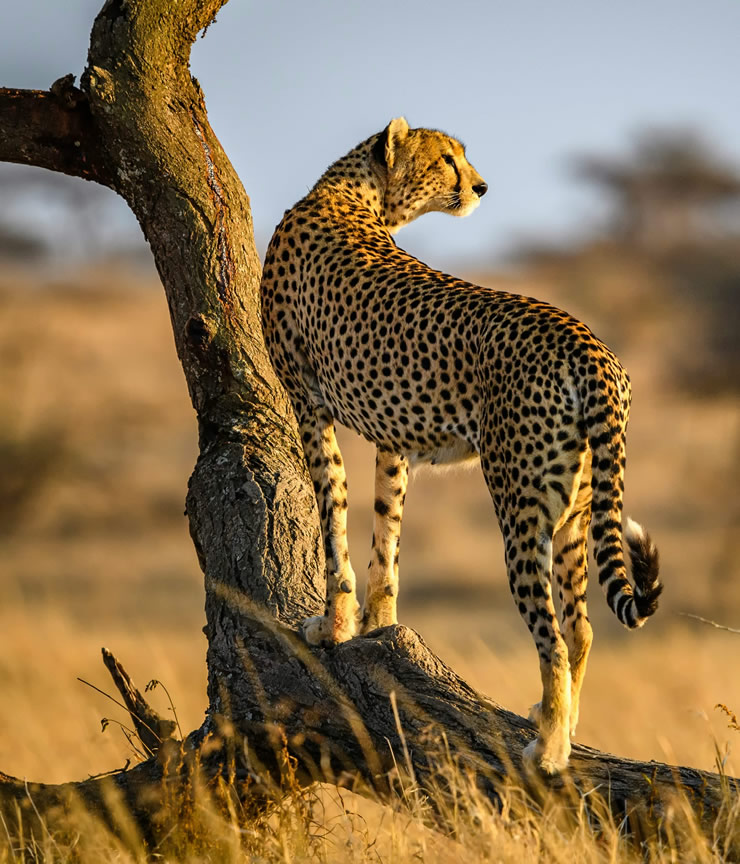
But the Serengeti is far more than its migration. The park's lion population is among the largest in Africa — estimated at over 3,000 individuals — and encounters with prides are frequent and often extraordinary, particularly in the famous kopje formations (granite outcroppings that rise from the plains and provide shelter, vantage points, and territorial boundaries for multiple generations of lions). Cheetahs are well represented across the open plains and are often encountered hunting during the morning hours, their acceleration from still to 112 kilometres per hour in under three seconds one of the most breathtaking sequences in nature. Leopards inhabit the riverine forest zones and the kopje margins. Hyenas are everywhere.
The river systems support large populations of Nile crocodile and hippopotamus, both of which can be observed at close quarters from safe vantage points on the banks. The plains support enormous herds of buffalo, topi, eland, Grant's gazelle, and impala. The Serengeti's 500+ bird species make it a superb birding destination too — raptors are particularly well represented, with martial eagles, bateleur eagles, and numerous vulture species all commonly observed.
Your guide spends six to seven hours in the field with you, reading animal movement, tracking behaviour, and positioning the vehicle for the best possible viewing and photography. Every hour in the Serengeti delivers something new — this is the nature of a living ecosystem of this scale and richness.
In the early afternoon, depart the Serengeti and begin the drive back east through the Ngorongoro Conservation Area to Kitela Lodge in Karatu, arriving in time for a late afternoon rest and dinner in the highland cool.
Highlights: Full Serengeti game drive, wildebeest migration, Big Five, cheetah, 3,000+ lions, Nile crocodile Meal Plan: Breakfast, Lunch, Dinner Accommodation: Kitela Lodge, Karatu
Day 5: Lake Manyara National Park & Return to Arusha
The final full day of your safari brings you to Lake Manyara National Park — one of Tanzania's smallest national parks and one of its most underestimated, packing exceptional wildlife diversity and a ravishingly beautiful landscape into just 325 square kilometres.
After breakfast at Kitela Lodge, the drive to Lake Manyara takes approximately 45 minutes east from Karatu — a straightforward journey that delivers you to the park gate and into a world of remarkable ecological contrast. Located 120 kilometres west of Arusha and set between the dramatic western escarpment of the Great Rift Valley and the alkaline expanse of Lake Manyara itself, the park encompasses a narrow strip of groundwater forest, open woodland, acacia savannah, open floodplain, and the lake's shimmering margins.
The groundwater forest at the park entrance is one of Tanzania's most beautiful and distinctive habitats — a dense, cathedral-like forest fed by underground springs from the escarpment, draped in fig and mahogany, and alive with olive baboons, blue monkeys, and vervet monkeys that move through the canopy and across the forest floor in large, active troops. The forest's enclosed, dappled atmosphere provides a complete sensory contrast to the open plains of Tarangire and the Serengeti, and its birdlife is exceptional — silvery-cheeked hornbills, trumpeter hornbills, and a variety of sunbirds and weavers are commonly encountered.
Beyond the forest, the park opens onto the alkaline shores of Lake Manyara, one of East Africa's famous soda lakes. The lake's chemistry varies seasonally — flooding during the rains and contracting in the dry season — but in its productive periods, it draws some of the most spectacular concentrations of waterbirds in the region. Lesser and greater flamingos gather along the shallows in flocks that can number in the tens of thousands, turning the lake's margins pink and making one of wildlife photography's most iconic images. The lake also attracts pelicans, storks, egrets, herons, and numerous wading species, while hippos wallow in the deeper pools year-round.
The savannah and woodland zones of the park support a fine selection of larger mammals — elephants that often emerge from the forest to cross the open floodplains, large herds of buffalo, giraffe feeding from the acacia canopy, zebra, wildebeest, impala, and the striking waterbuck along the lake margins. Lake Manyara is also famously associated with its tree-climbing lions — a local population that, like their counterparts in Queen Elizabeth National Park in Uganda, habitually rest in the branches of acacia and sausage trees, a behaviour that continues to intrigue researchers and delight visitors.
Your guide navigates the park's tracks through the morning and early afternoon, maximising the variety of habitats and wildlife encountered. A picnic lunch in the field rounds out your final day of game viewing before the drive back to Arusha — approximately two hours east along the main road — arriving in the late afternoon.
Depending on your international flight schedule, your guide will transfer you directly to Kilimanjaro International Airport or to accommodation in Arusha for an overnight before departure the following day.
Highlights: Groundwater forest primates, Lake Manyara flamingos, tree-climbing lions, Rift Valley escarpment views Meal Plan: Breakfast, Lunch Accommodation: Return to Arusha or departure (as per flight schedule)
What's Included in the 5-Day Tanzania Safari
- All airport transfers and ground transportation in a private 4WD safari vehicle with pop-up roof hatch
- Professional English-speaking private driver-guide throughout
- All accommodation on a full-board basis as per the meal plan
- All national park and conservation area entrance fees
- Ngorongoro Crater descent and conservation fees
- Picnic lunches in the field throughout
- Bottled water in the vehicle throughout the safari
What's Not Included
- International flights to and from Tanzania
- Tanzania visa fees (e-visa available at immigration.go.tz)
- Travel insurance (strongly recommended)
- Optional activities beyond those described
- Tips and gratuities for guides and lodge staff
- Personal expenditure and bar bills
Practical Information
Best Time to Visit: Tanzania's northern circuit can be visited year-round. The dry season (June–October) offers excellent game viewing at Tarangire and reliable big cat sightings in the Serengeti. The green season (November–May) brings dramatic landscapes, newborn wildlife, the Serengeti calving season (January–March), and significantly fewer visitors.
The Great Migration: The migration is present in the Serengeti year-round in different forms. River crossings occur in the north and west from June to September. The calving season on the southern plains runs from January to March. Your guide will orientate game drives to the best migration viewing for your travel dates.
What to Pack: Neutral-coloured clothing (khaki, olive, tan), a fleece or light jacket for Ngorongoro's cool mornings (the crater rim can be cold at 2,300m), a wide-brimmed hat, quality sunscreen, insect repellent, binoculars, and a camera with a zoom lens of at least 200mm.
Health: Yellow fever vaccination is recommended. Malaria prophylaxis is advised for Tarangire, the Serengeti, and Lake Manyara. Consult your travel health clinic well before departure.
Extend Your Safari
Five days in Tanzania's northern circuit will inspire you to return for longer — and Ntungo Wildlife Safaris can help you do exactly that. We offer extended itineraries incorporating Ruaha National Park, Selous Game Reserve (Nyerere National Park), Zanzibar beach extensions, and Kilimanjaro trekking packages. Contact us to build your perfect Tanzania journey.
For bookings, pricing, and availability enquiries, contact Ntungo Wildlife Safaris. We are happy to customise this itinerary to your travel dates, group size, and accommodation preferences across budget, midrange, and luxury tiers.
Where to Visit
-

Karibu KiliFair Experience
0 comments -
Nyungwe Forest National Park Rwanda
1 comments -
Ngorongoro Crater Tanzania
0 comments -
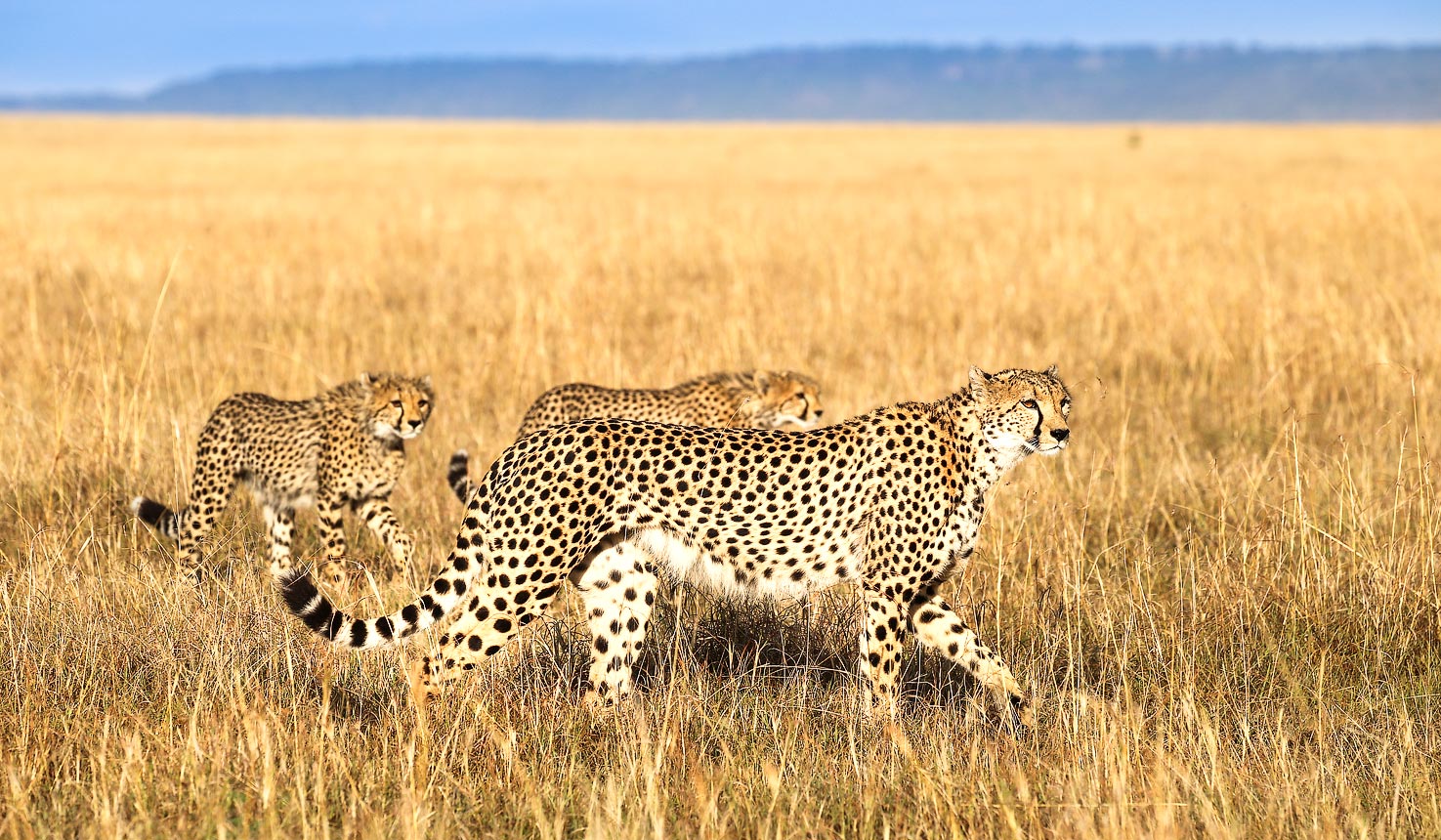
Serengeti National Park Tanzania
0 comments -
Mombasa
0 comments -
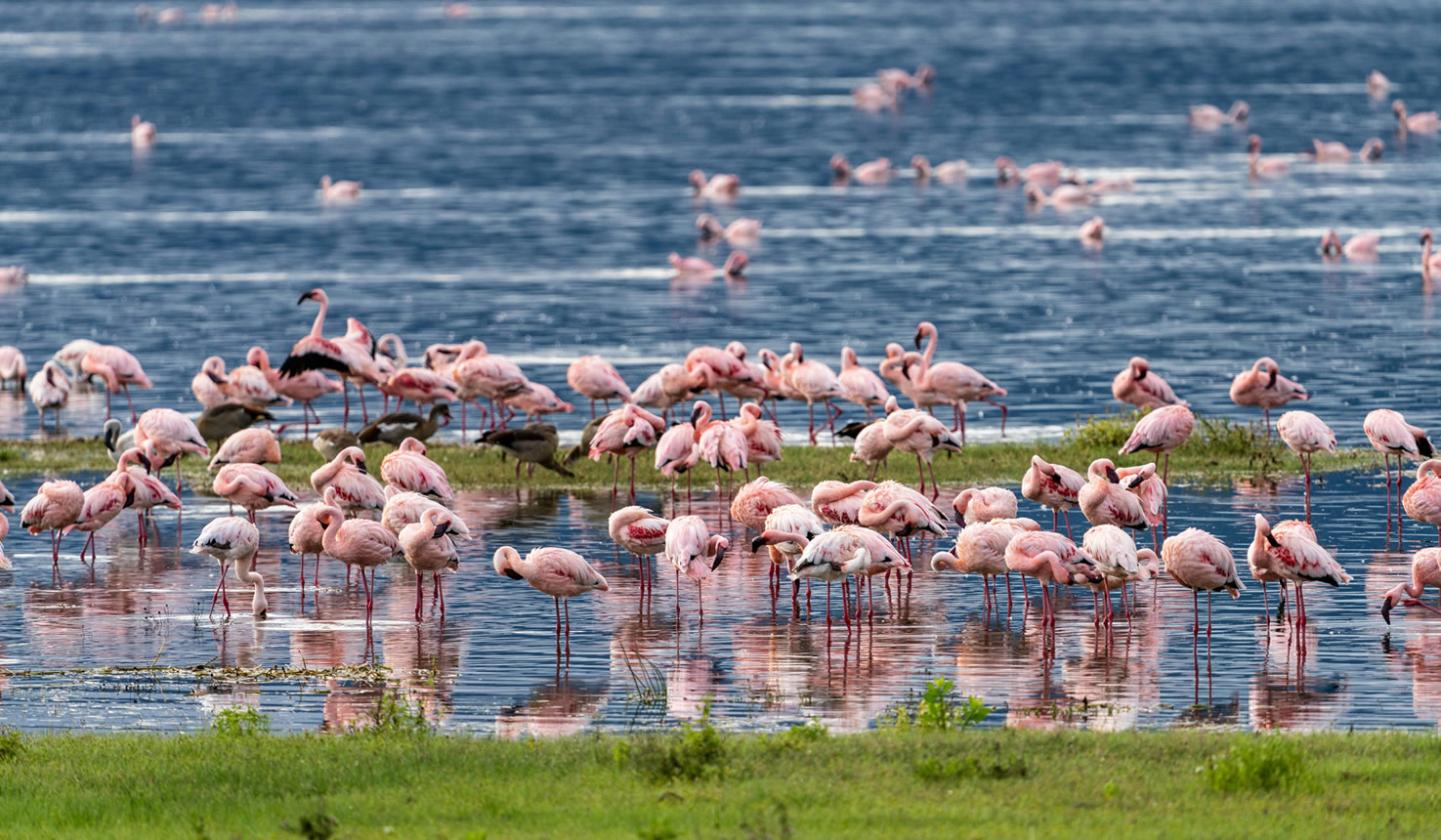
Lake Nakuru National Park
0 comments -
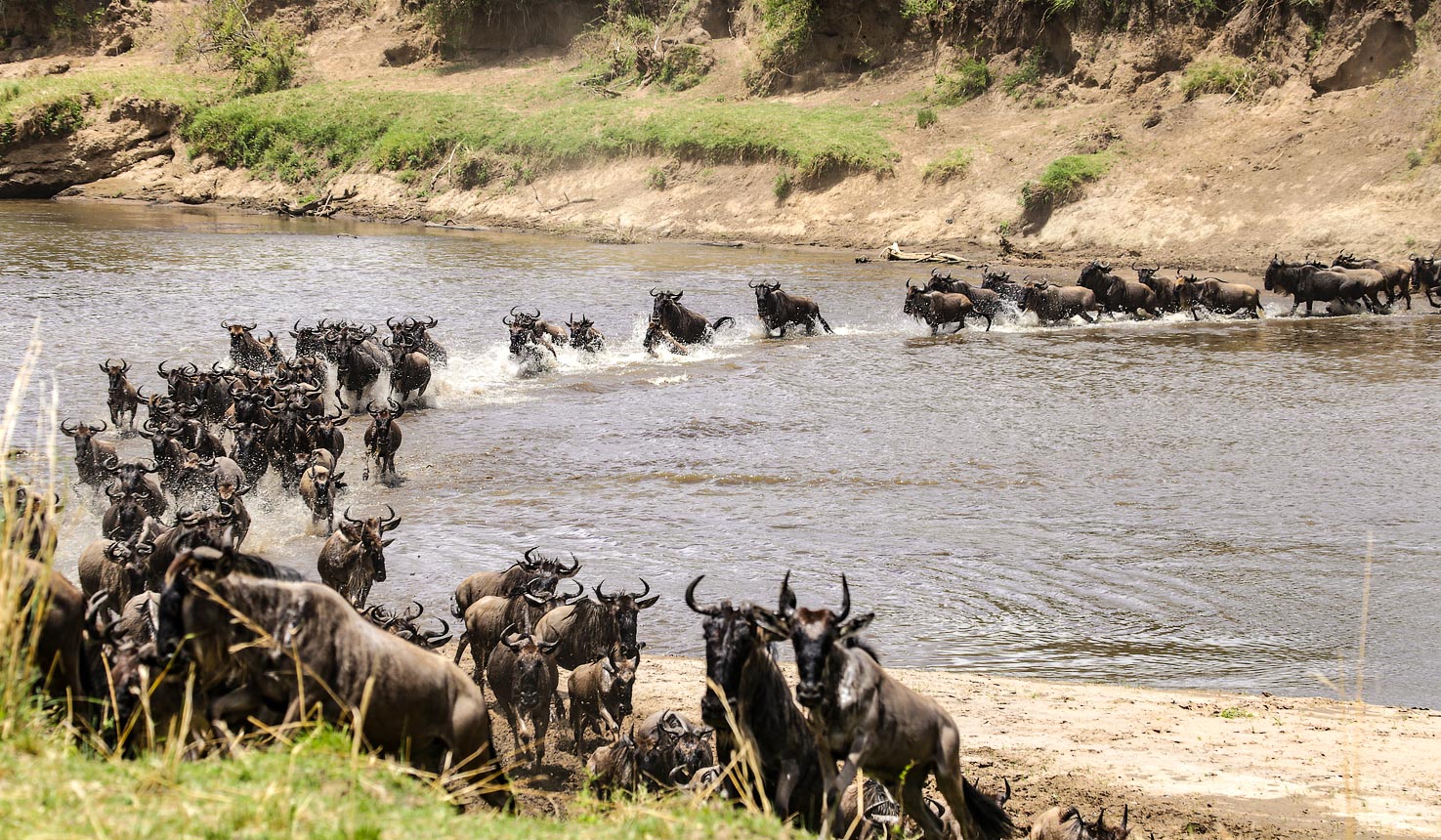
Masai Mara Safari Kenya
0 comments -
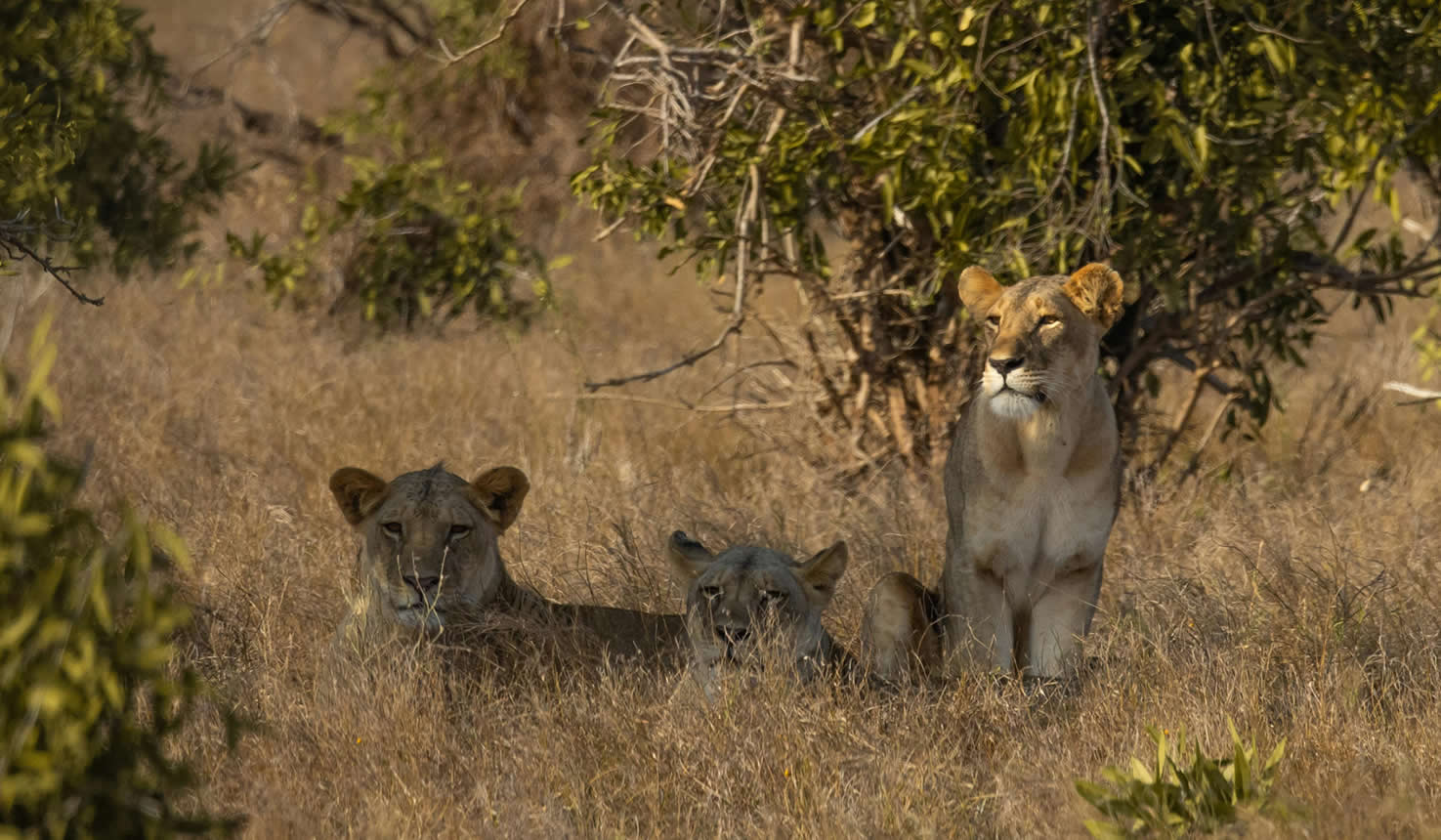
Kidepo Valley National Park
0 comments -
Bwindi Impenetrable National Park
0 comments -
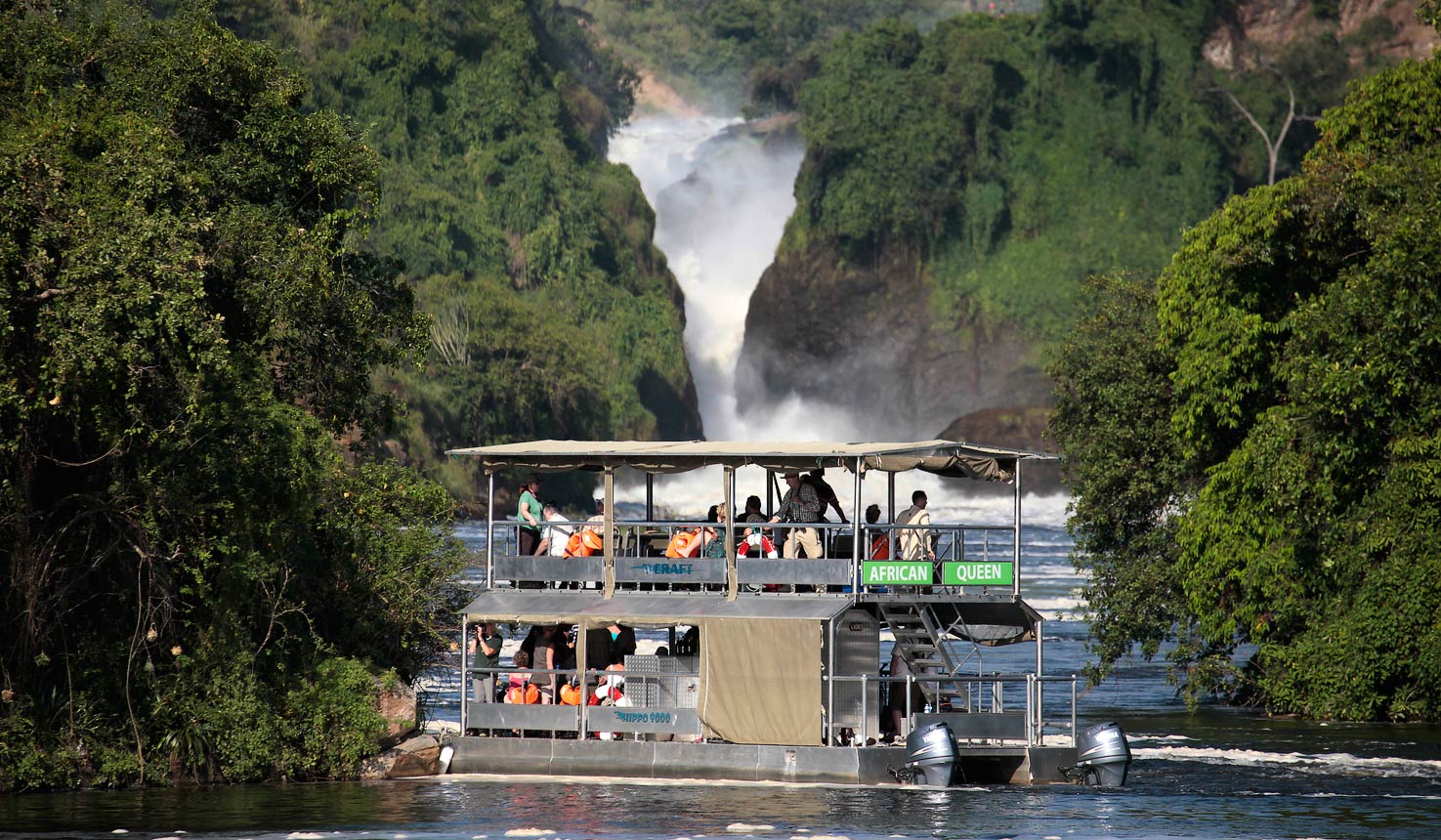
Murchison Falls National Park
1 comments -
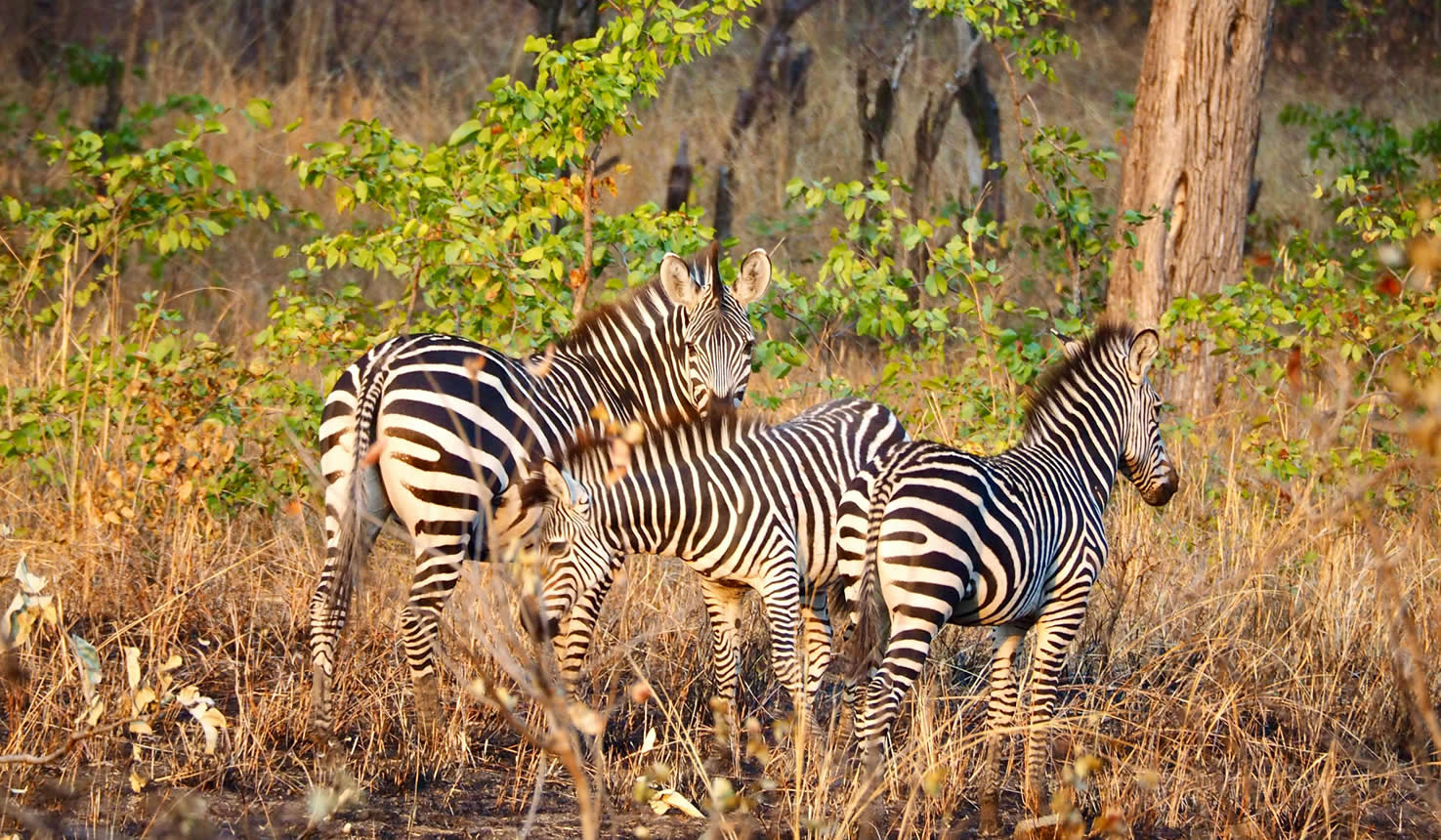
Lake Mburo national park
0 comments -
Akagera National Park
0 comments -
Queen Elizabeth National Park
1 comments