
Bird Watching in Uganda: Africa’s Premier Birding Destination
Uganda is, without question, one of the greatest bird watching destinations on the planet. Sitting astride the equator and spanning rainforests, wetlands, savannahs, and montane highlands, this small East African nation packs an extraordinary diversity of habitats into a compact geography — and the birdlife reflects it. With over 1,060 recorded species, Uganda holds more bird species than any country in mainland Africa relative to its size, making it a dream destination for birders of every level.

The country’s crown jewel is the prehistoric Shoebill Stork — a towering, slate-grey bird so bizarre in appearance it looks lifted from the age of dinosaurs. Spotting one in the papyrus swamps of Mabamba Bay or Murchison Falls is a bucket-list moment for birders worldwide. But Uganda’s appeal goes far beyond one iconic species. Bwindi Impenetrable Forest shelters Albertine Rift endemics found nowhere else on earth. Queen Elizabeth National Park draws flamingos, African skimmers, and over 600 species across its diverse landscapes. Kibale Forest rings with the calls of the elusive African Pitta. Every habitat tells a different story.
Whether you’re a seasoned lister chasing Albertine endemics, a casual traveller hoping to tick your first African kingfisher, or a photographer drawn by the light over Lake Victoria at dawn, Uganda’s birding scene will exceed every expectation. This guide covers the best birding sites, top species to look for, the ideal seasons to visit, and practical tips to help you get the most from your Ugandan birding safari.
Lake Mburo national park
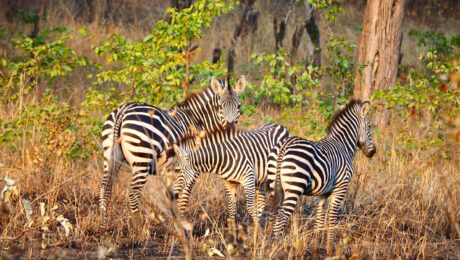
Lake Mburo National Park: Uganda’s Best Short Safari Escape
If you’re looking for a rewarding safari without traveling too far from Kampala, then Lake Mburo National Park is the perfect destination. Often overlooked in favor of Uganda’s larger parks, this compact yet vibrant reserve offers an authentic and relaxed wildlife experience—ideal for weekend getaways, first-time visitors, and seasoned travelers alike.
Where Is Lake Mburo National Park?
Located in western Uganda, Lake Mburo National Park lies approximately 240 kilometers from Kampala, along the highway to Mbarara. Its convenient location makes it one of the most accessible national parks in the country, often included as a stopover en route to Bwindi Impenetrable National Park or Queen Elizabeth National Park.
The journey itself is scenic, with rolling hills, Ankole cattle, and lush countryside setting the tone for your safari adventure.
What Makes Lake Mburo Special?
Unlike Uganda’s more famous parks, Lake Mburo offers a quieter, more intimate safari experience. Its landscape is a beautiful mix of open savannah, acacia woodland, wetlands, and lakes, with Lake Mburo as its centerpiece.
One of the park’s biggest advantages is the absence of large predators like lions, making it safe for activities that are rare elsewhere in Uganda—such as walking and horseback safaris.
Wildlife You Can Expect to See
Despite its small size, Lake Mburo National Park is rich in wildlife and is particularly famous for species not easily seen in other Ugandan parks.
You’ll likely encounter:
- Large herds of zebras grazing across the plains
- Impalas, the graceful antelope after which the park is named
- Elands, Africa’s largest antelope
- Buffaloes, warthogs, and waterbucks
- Hippos and crocodiles along the lakeshores
If you’re lucky, you might even spot a leopard resting in the trees during a night or early morning game drive.
Top Things to Do in Lake Mburo National Park
Game Drives
Game drives are the most popular way to explore the park. Early mornings and late afternoons offer the best chances to see wildlife in action.
Boat Safari on Lake Mburo
A boat cruise on the lake is a must-do experience. It brings you up close to hippos, crocodiles, and a variety of water birds in a peaceful setting.
Walking Safaris
Guided walking safaris allow you to explore the park on foot, offering a thrilling and immersive experience as you track animals and learn about the ecosystem.
Horseback Safaris
One of the most unique experiences in Uganda, horseback safaris let you ride alongside zebras and antelopes—something you won’t find in most national parks.
Birdwatching
With over 350 bird species, the park is a paradise for bird lovers. From the iconic African fish eagle to colorful kingfishers, there’s plenty to see year-round.
Best Time to Visit
Lake Mburo National Park can be visited at any time of the year, but the dry seasons—June to August and December to February—are ideal for wildlife viewing. During these months, animals gather around water sources, making them easier to spot.
The wet seasons, however, transform the park into a lush green haven and are perfect for birdwatching enthusiasts.
Where to Stay
The park offers a variety of accommodation options to suit different budgets. From luxury lodges overlooking the lake to mid-range camps and budget-friendly options, there’s something for everyone. Many lodges provide stunning views, especially at sunrise and sunset.
Why Lake Mburo Should Be on Your Safari List
Lake Mburo National Park is proof that great things come in small packages. Its accessibility, diverse activities, and peaceful atmosphere make it a standout destination for anyone looking to experience Uganda’s wildlife without the crowds.
Whether you’re planning a short escape from Kampala or adding it to a longer safari itinerary, this hidden gem offers a perfect balance of adventure and relaxation.
- Published in Destinations, National Parks
Akagera National Park
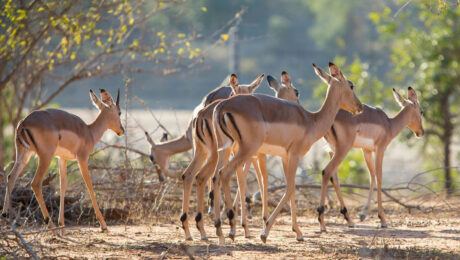
Akagera National Park: Rwanda’s Wild East and Africa’s Greatest Conservation Comeback
When most people think of a Rwanda safari, they think of mountain gorillas emerging from mist-draped volcanoes, or chimpanzees swinging through the ancient canopy of Nyungwe Forest. These are extraordinary experiences — among the finest wildlife encounters available anywhere on the continent. But Rwanda holds a third, equally compelling safari destination that is less widely known and, for that very reason, offers something increasingly rare in modern wildlife travel: the feeling of genuine discovery.
Akagera National Park occupies Rwanda’s northeastern corner along the border with Tanzania, protecting a sweeping mosaic of savannah, woodland, wetland, and lake ecosystems across approximately 1,122 square kilometres of the Albertine Rift Valley. It is Rwanda’s only savannah national park, its only Big Five destination, and — by almost any measure — one of Africa’s most remarkable conservation success stories of the past decade.
A visit to Akagera is not simply a game drive. It is an encounter with a landscape and a wildlife community that has been brought back from the edge of collapse by the combined commitment of local communities, conservation organisations, and the Rwandan government — and is now thriving in ways that would have seemed impossible just twenty years ago. To travel here is to witness conservation working in real time, and to participate in a story that gives genuine cause for hope.
The Akagera Story: From Crisis to Comeback
To understand what makes Akagera so extraordinary today, it is necessary to understand what happened to it in the recent past — and how profoundly it has been transformed.
In the years following the 1994 Rwandan Genocide, Akagera faced an existential crisis. Returning refugees settled within the park’s boundaries, converting wildlife habitat to farmland. Poaching devastated wildlife populations across the ecosystem. The park’s area was reduced by more than half, from over 2,500 square kilometres to approximately 1,100. Rhinos were completely eliminated. Lions disappeared. The elephant population fell to critically low numbers. By the early 2000s, Akagera was a shadow of the wilderness it had once been — a park in name only, its wildlife depleted and its future deeply uncertain.
The turnaround began in 2009 when the Rwanda Development Board entered into a partnership with African Parks — a South Africa-based non-profit conservation organisation that has since become one of the most effective park management bodies on the continent. Under this partnership, a systematic programme of anti-poaching enforcement, habitat restoration, community engagement, and wildlife reintroduction began transforming Akagera with a speed and ambition that has attracted global attention.
In 2017, lions were reintroduced to Akagera for the first time in decades — seven individuals from South Africa and Botswana that have since established a resident pride and begun breeding within the park. In the same year, black rhinoceros were reintroduced — the first rhinos to live in Rwanda since their local extinction — with a founding population sourced from European zoo conservation programmes that has since grown and stabilised. Combined with the park’s recovering elephant population, its hippopotamus and Cape buffalo herds, and the presence of leopards — always resident but rarely seen — Akagera now offers the full Big Five experience in a landscape that was, just a generation ago, unable to support any of them.
This is a conservation story without parallel in East Africa, and it makes Akagera not merely a safari destination but a living monument to what determined, community-centred conservation can achieve.
Wildlife in Akagera National Park
The Big Five
Akagera National Park is Rwanda’s only destination where the complete Big Five — lion, elephant, buffalo, leopard, and rhinoceros — can all potentially be encountered in a single visit.
Lions are the park’s most sought-after residents following their reintroduction. The founding pride has established itself across Akagera’s savannah and woodland zones, and sightings — while never guaranteed, as with all wildlife — are increasingly frequent as the population grows in confidence and range. Each lion sighting in Akagera carries a weight that extends beyond the visual encounter: these animals represent the restoration of an apex predator to an ecosystem that had been without one for decades, and their presence signals that Akagera’s recovery is approaching ecological completeness.
African elephants roam the park’s northern and central sectors, moving between the savannah and the lake margins in herds that have grown significantly under the protection of African Parks’ management. Akagera’s elephants are known for their relatively shy behaviour — a legacy of the decades of intensive poaching that preceded the park’s rehabilitation — but patient game driving in the right areas consistently delivers outstanding elephant encounters.
Black rhinoceros — critically endangered and among the most tightly protected animals on earth — are present in Akagera following their reintroduction and are monitored closely by the park’s dedicated rhino conservation team. Sightings require patience and local knowledge, and encounters when they occur are among the most profoundly moving wildlife moments available anywhere in Rwanda.
Cape buffalo are among Akagera’s most abundant large mammals, moving in herds that can number in the hundreds across the park’s open savannah and lakeshore grasslands. Buffalo herds in Akagera are frequently encountered on game drives in the southern and central regions, providing consistently excellent wildlife viewing and photographic opportunities.
Leopards inhabit Akagera’s denser woodland and riverine areas, as elusive as leopards everywhere but present and periodically encountered by patient observers and experienced guides. A leopard sighting in Akagera is a genuine prize — one that rewards dawn and dusk game drives along the park’s forested ridgelines and rocky outcrops.
Beyond the Big Five
Akagera’s wildlife extends well beyond its headline species. The park supports over 8,000 large mammals and a remarkable diversity of the broader savannah community.
Zebra — specifically the Burchell’s zebra — are among the most immediately visible and photogenic residents of Akagera’s open grassland, moving in herds across the savannah plains in classic East African fashion. Topi — one of Africa’s most elegant and fastest antelope species — are common and frequently encountered on the open plains. Oribi, reedbuck, waterbuck, bushbuck, impala, and klipspringer complete a diverse and rewarding antelope community that varies by habitat across the park.
African wild dog have been confirmed in the park, representing one of the most exciting recent wildlife developments in Akagera — this endangered species, with fewer than 6,600 individuals remaining in the wild, is one of Africa’s most compelling predator species and its confirmed presence in Rwanda is of significant conservation importance.
Hippopotamus are present in extraordinary numbers in Akagera’s lake and river systems — particularly on Lake Ihema, the park’s largest lake, where pods of dozens of hippos can be observed at close range from both the lakeshore and on boat safaris. Nile crocodiles inhabit the same water systems, their ancient stillness on exposed banks providing one of the park’s most primordially atmospheric wildlife encounters.
Birdwatching in Akagera: An East African Jewel
For birdwatchers, Akagera National Park is one of East Africa’s finest and most underrated destinations. The park has recorded over 520 bird species — an extraordinary total for a relatively compact protected area — drawn from a combination of savannah, wetland, lake, and woodland habitats that create exceptional ecological diversity for avian life.
The papyrus swamps and lake margins are of particular ornithological significance, sheltering several rare and sought-after species including the iconic shoebill stork — one of Africa’s most prehistoric-looking and most coveted bird sightings, a large, solitary species with an extraordinary bill and an almost prehistoric bearing that birders travel vast distances to encounter. The papyrus also shelters the papyrus gonolek, white-winged warbler, and numerous other wetland specialists.
The open savannah supports a compelling selection of large birds: kori bustards, secretary birds, grey crowned cranes (Rwanda’s national bird), martial eagles, bateleur eagles, and numerous species of vulture. The lakeshore and shoreline grasslands attract African fish eagles, pied kingfishers, malachite kingfishers, African jacanas, and an abundance of herons and storks. The woodland zones shelter Narina trogons, African broadbills, and a variety of sunbirds, barbets, and weavers.
Whether you are a dedicated ornithologist or simply someone who finds themselves unexpectedly captivated by East Africa’s extraordinary birdlife, Akagera will exceed expectations.
Lake Ihema Boat Cruise: Wildlife from the Water
One of Akagera’s most distinctive and rewarding safari experiences is the Lake Ihema boat cruise — a journey across the park’s largest lake that offers an entirely different perspective on the ecosystem and its wildlife.
Lake Ihema is part of a chain of interconnected lakes running along Akagera’s eastern boundary, fed by the Akagera River that forms Rwanda’s border with Tanzania. The lake system is embedded within extensive papyrus swamp and floodplain habitats that support an exceptional concentration of aquatic and semi-aquatic wildlife.
From the boat, game viewing takes on a new intimacy. Hippos surface and submerge at close range, their territorial displays and social interactions viewed from the same level as the water rather than from above. Nile crocodiles bask on exposed banks and slides, observing the passing boat with reptilian patience. African fish eagles call from lakeshore trees in the most evocative sound in African wildlife. Elephants occasionally wade into the shallows to drink and bathe. And the birdlife along the lake margins — herons, kingfishers, storks, jacanas, and the ever-sought shoebill — is extraordinary in both diversity and proximity.
A Lake Ihema boat cruise is typically conducted in the late afternoon, when the light on the water turns golden, the hippos become increasingly active, and the wildlife activity along the lakeshore reaches its daily peak. It is one of Akagera’s most memorable experiences and a must for every visitor to the park.
Night Game Drives: Akagera After Dark
One of Akagera’s most exciting and distinctive offerings — and one that sets it apart from many East African parks — is the night game drive. Conducted after sunset with spotlights, night drives reveal an entirely different community of wildlife: the nocturnal and crepuscular species that spend the daylight hours hidden and emerge after dark to feed, hunt, and move freely across the landscape.
Leopards are considerably more frequently observed on night drives than during the day, their eye-shine betraying their presence in the torch beam as they move between woodland and grassland. Servals — medium-sized spotted cats of exceptional elegance — are commonly encountered hunting through the long grass. Civets, genets, honey badgers, porcupines, bushbabies, and numerous species of owl all emerge after dark, and the experience of moving through the silent, star-filled African night with wildlife appearing and disappearing in the spotlight beam is one that guests consistently rate among their most memorable Akagera experiences.
Night drives in Akagera are conducted by trained park guides in specially equipped vehicles and represent an essential addition to any visit of more than one day.
Community and Conservation: Akagera’s Human Story
Akagera’s remarkable wildlife recovery would be meaningless — and ultimately unsustainable — without the genuine involvement and tangible benefit of the communities that share the park’s borders. African Parks has placed community engagement at the heart of Akagera’s management model, recognising that conservation succeeds only when local people have a genuine stake in its outcomes.
The Akagera community programme directs a portion of all park revenues directly to surrounding communities for infrastructure, education, healthcare, and livelihood development. Community members are employed as rangers, guides, hospitality staff, and conservation technicians — creating meaningful economic pathways from wildlife-based tourism. Community-run craft cooperatives, cultural experiences, and village visits are available for visitors seeking to engage directly with the human landscape that surrounds and sustains the park.
This model has produced one of the most important outcomes in conservation: communities that actively protect wildlife rather than compete with it, because they understand and directly experience the benefits that wildlife generates. The transformation of attitudes toward the park in surrounding communities over the past fifteen years is as remarkable, in its own way, as the return of the lions.
Planning Your Akagera Safari
Akagera National Park is easily accessible from Kigali — a drive of approximately 2.5 hours east along good roads, making it an ideal addition to any Rwanda safari itinerary and an excellent option for travellers with limited time who wish to experience savannah wildlife alongside Rwanda’s primate encounters.
Best Time to Visit: Akagera can be visited year-round. The dry seasons of June–September and December–February offer the most reliable game viewing, with shorter grass improving visibility and wildlife concentrating around permanent water sources. The wet season (March–May and October–November) brings lush green landscapes, excellent birdwatching with migratory species present, and fewer visitors — ideal for those seeking a quieter, more intimate experience.
Combining Akagera with Rwanda’s Other Destinations: Akagera pairs superbly with Volcanoes National Park (gorilla trekking, 3–4 hours northwest of Kigali) and Nyungwe Forest National Park (chimpanzee tracking and the canopy walk, 4–5 hours southwest) to create a comprehensive Rwanda safari that covers the full breadth of the country’s extraordinary wildlife offerings — from savannah Big Five to mountain gorillas and ancient rainforest primates.
Experience Akagera with Ntungo Wildlife Safaris
Ntungo Wildlife Safaris offers expertly guided Akagera National Park safaris as both standalone itineraries and as part of broader Rwanda and Uganda safari programmes. Our guides bring deep knowledge of Akagera’s wildlife, terrain, and conservation story, ensuring that every game drive, boat cruise, and night drive delivers the maximum possible wildlife encounter — and the full context that makes those encounters truly meaningful.
Akagera is Rwanda’s best-kept safari secret. Come and discover it before the rest of the world does.
Contact Ntungo Wildlife Safaris to incorporate Akagera National Park into your Rwanda safari itinerary. We offer day trips from Kigali, overnight stays at Akagera’s lodges, and multi-day itineraries combining Akagera with gorilla trekking, Nyungwe Forest, and Lake Kivu.
- Published in National Parks