
Tanzania is a country of superlatives. It holds Africa's highest mountain, its most famous wildlife migration, its deepest crater ecosystem, and some of the largest elephant herds on the continent. Even in just three days, a Tanzania safari can deliver wildlife encounters of extraordinary depth and variety — and this carefully crafted 3-day Tanzania safari from Arusha proves exactly that.
Beginning in Arusha — Tanzania's safari capital, set beneath the dramatic flanks of Mount Meru — this itinerary takes you first into the wild riverine landscapes of Tarangire National Park, famous for its massive elephant population and spectacular baobab-studded scenery, before descending into the ancient volcanic caldera of the Ngorongoro Crater, one of the natural wonders of the world and the setting for some of the most concentrated wildlife viewing on earth.
This is a safari designed for the traveller with limited time but unlimited appetite for the wild. Ntungo Wildlife Safaris provides private transport, expert guiding, and carefully chosen accommodation to ensure that every hour of your three days counts.
Day 1: Arrival in Arusha — Gateway to the African Wild
Your Tanzania safari begins in Arusha, the bustling, cosmopolitan city that serves as the launch point for most of Tanzania's northern circuit safaris. Situated at an altitude of approximately 1,400 metres on the lower slopes of Mount Meru — Tanzania's second-highest peak and a dramatic volcanic cone visible from much of the surrounding region — Arusha enjoys a pleasantly cool climate year-round and a vibrant energy drawn from its status as East Africa's safari hub.
Upon arrival at Kilimanjaro International Airport or Arusha Airport, your Ntungo Wildlife Safaris representative will be waiting in the arrivals hall to welcome you and assist with your luggage. The transfer to your accommodation in Arusha is short and comfortable, passing through streets lined with curio shops, coffee houses, and the organised bustle of a city that thrives on adventure travel.
Check into Mount Meru Hotel, a well-established property offering comfortable rooms and lovely gardens that frame views toward the mountain itself. This evening is yours to rest, unwind, and acclimatise after your journey. A good dinner and an early night are the ideal preparation for the early start and full days of wildlife viewing that lie ahead.
Your guide will check in with you this evening or early the following morning to confirm the day's plan, answer any questions, and ensure you have everything needed for the safari — including sun protection, sturdy footwear, binoculars, and a sense of adventure.
Highlights: Arrival in Arusha, first views of Mount Meru, safari orientation Meal Plan: Dinner Accommodation: Mount Meru Hotel, Arusha
Day 2: Tarangire National Park — Elephants, Baobabs & the Great Savannah
An early morning start today marks the true beginning of your safari as your private Ntungo Wildlife Safaris guide collects you from the hotel in a customised 4WD safari vehicle — equipped with a pop-up roof hatch for unobstructed wildlife viewing and photography — and sets course southwest toward Tarangire National Park.
The drive to Tarangire takes approximately two hours on a well-maintained tarmac road that cuts across the wide, rolling Maasai Plains — a landscape of gently undulating grassland scattered with acacia and umbrella thorn trees, golden in the morning light. This journey through Maasai country is itself a compelling introduction to Tanzania's living cultural heritage. The road is lined with life: Maasai pastoralists in their distinctive red shukas (garments) move alongside the roadside herding long-horned cattle and goats; women carry water and firewood with remarkable grace; warriors stride with the unhurried confidence of people whose culture has inhabited this landscape for centuries. It is a vivid, colourful, entirely unperformed portrait of a way of life that has endured for generations.
As you approach Tarangire, the first baobab trees begin to appear — ancient, vast, impossibly gnarled giants that can live for over 3,000 years and store tens of thousands of litres of water in their swollen trunks. The baobab is both the symbol and the signature of Tarangire, and the park's landscape of acacia savannah, seasonal swamp, and riverine forest — all anchored by the permanent waters of the Tarangire River — creates one of Tanzania's most distinctive and beautiful wilderness settings.
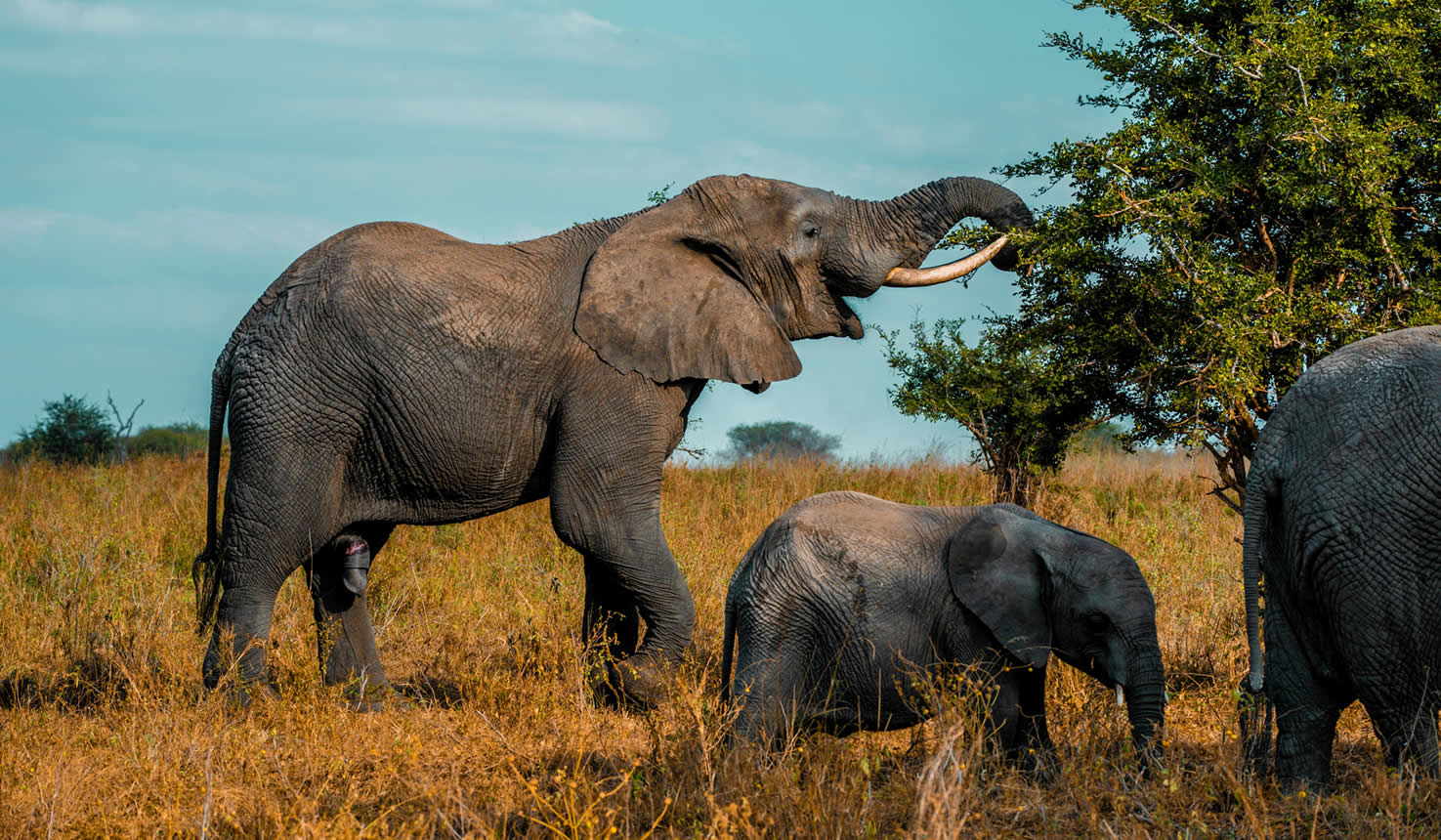
Tarangire National Park covers 2,850 square kilometres and is celebrated above all for the sheer scale of its elephant population. During the dry season (June to October), when water sources across the broader ecosystem dry up, elephants converge on the Tarangire River in their hundreds — sometimes thousands — creating one of the greatest elephant gatherings anywhere in Africa. Even outside peak season, encounters with large family groups are virtually guaranteed, and the opportunity to spend extended time observing elephant behaviour — social bonding, mother-calf interactions, the authority of the matriarch, the exuberance of young bulls — is among the finest wildlife experiences Tanzania offers.
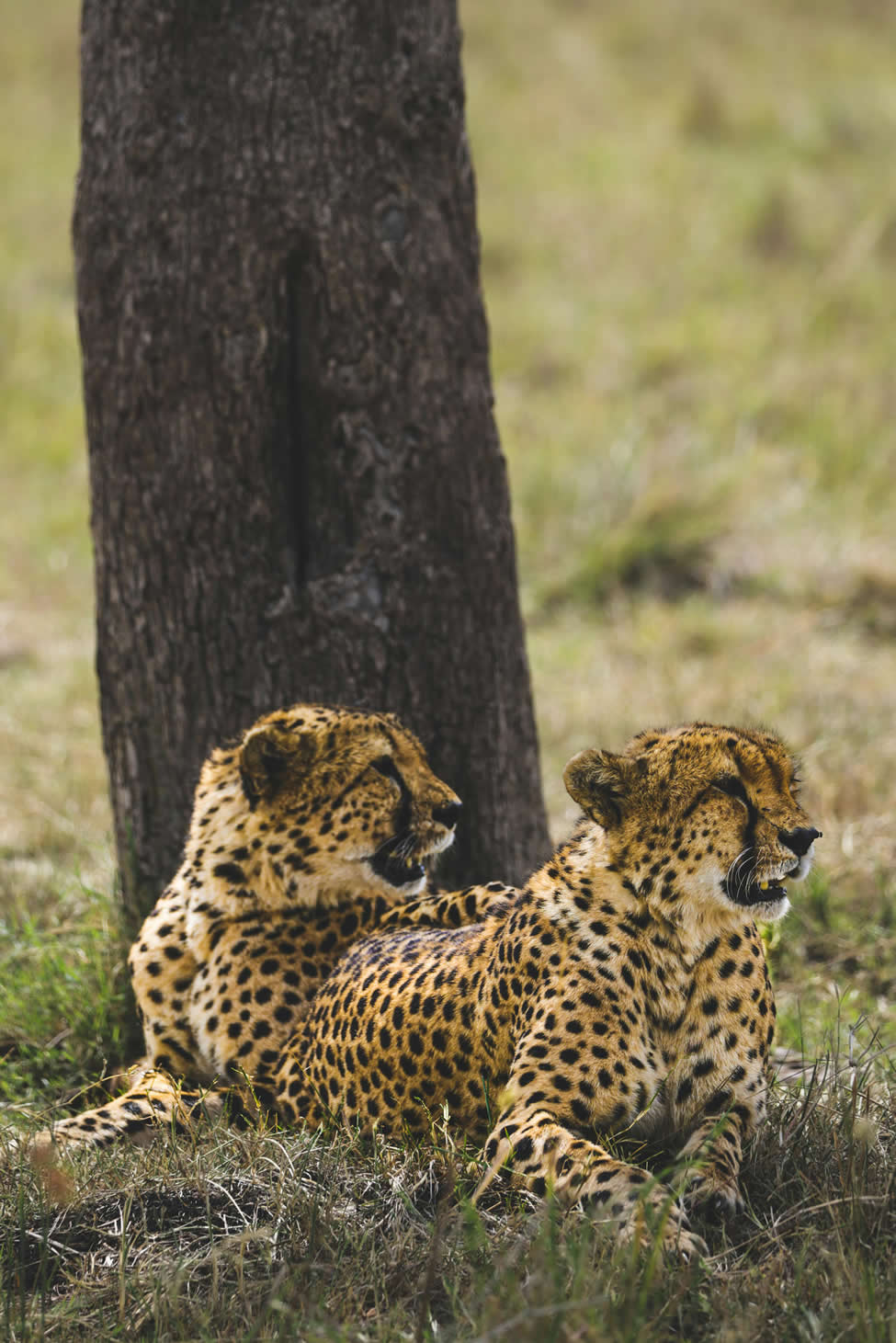
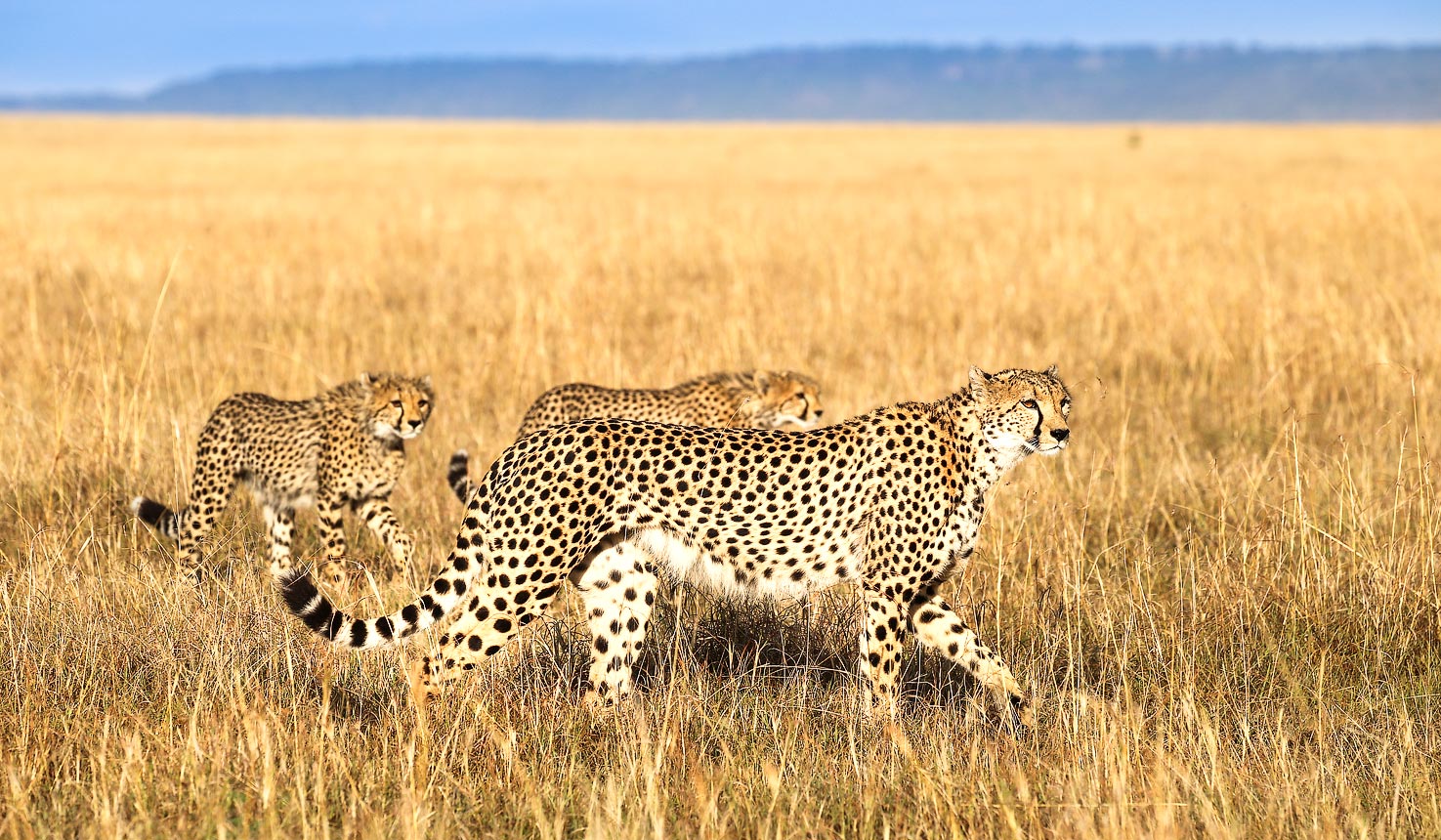
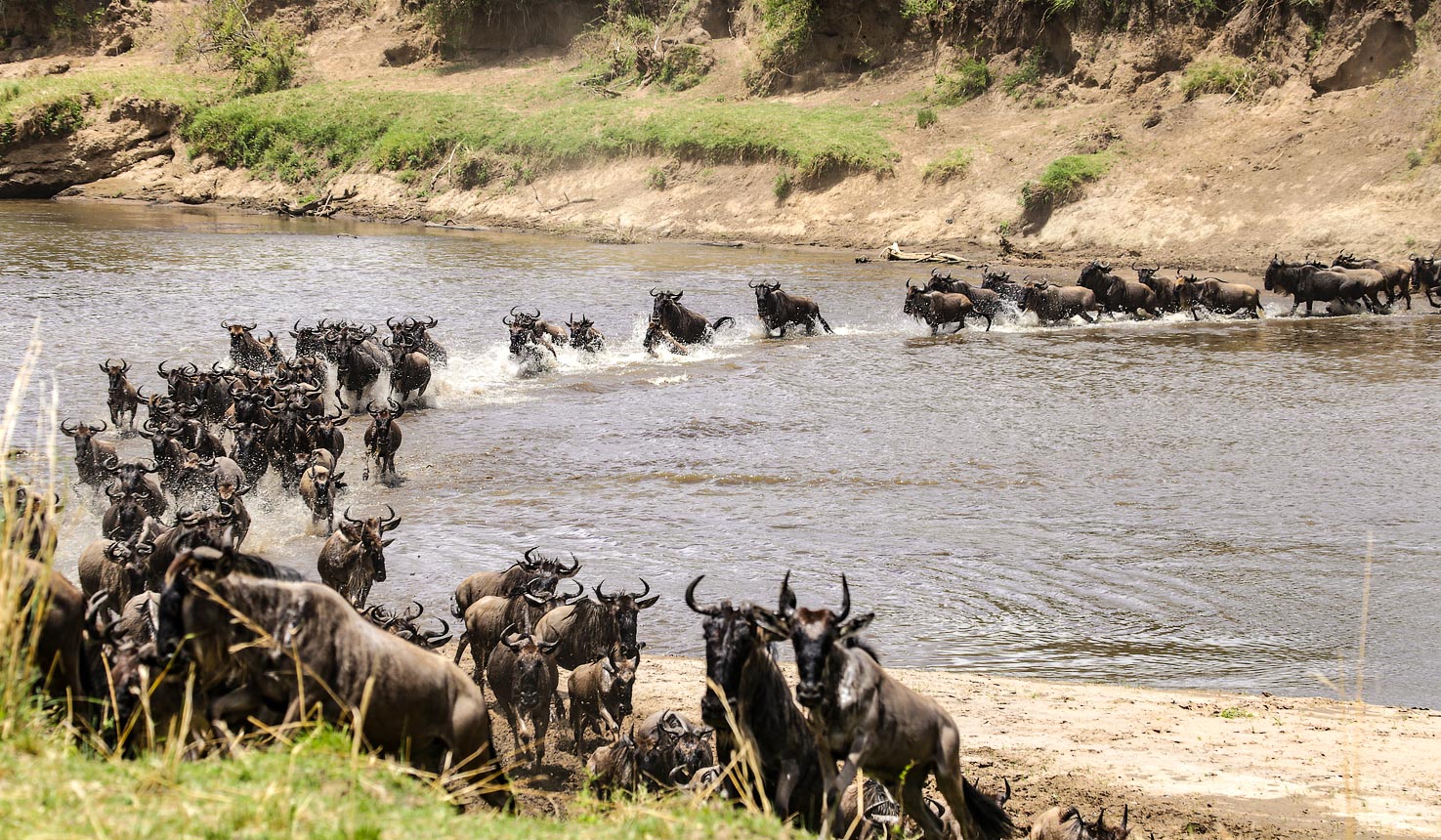
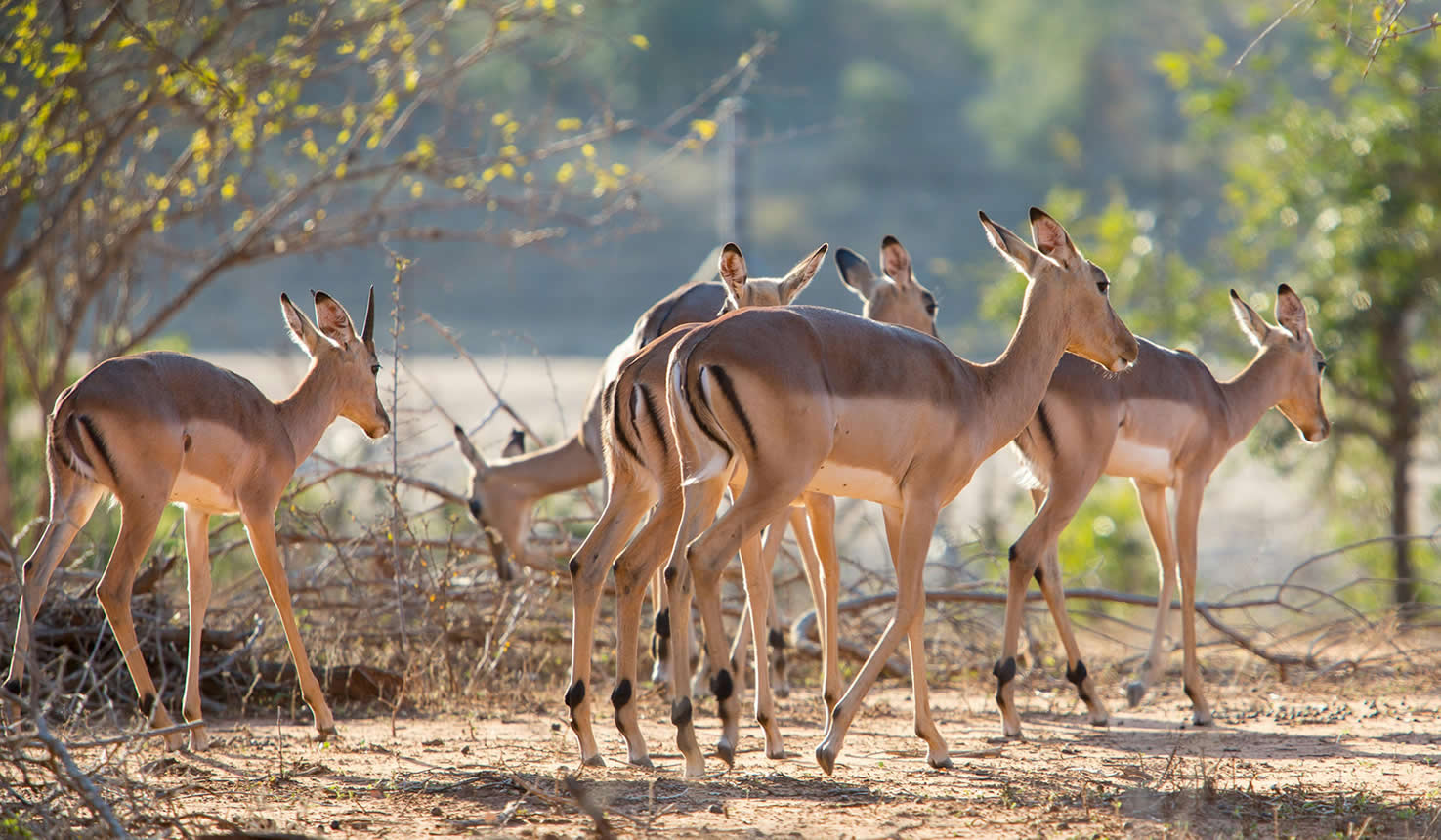
Beyond the elephants, Tarangire's diversity is remarkable. The Tarangire River and its flanking swamps draw enormous concentrations of wildlife during dry periods, including large herds of zebra, wildebeest, buffalo, giraffe, impala, and hartebeest. Predators are well represented too — lions are frequently encountered, both in classic open savannah hunts and resting in the shade of riverine fig trees, while leopards favour the dense riparian forest along the river's banks, sometimes visible draped across branches in classic, languid fashion. Cheetahs are occasionally spotted on the open plains, and the park supports a healthy population of the endangered African wild dog.
The birdlife in Tarangire is exceptional. Over 550 species have been recorded, and even non-birders tend to be captivated by the sheer spectacle — huge flocks of yellow-collared lovebirds exploding from trees in a cascade of colour, ground hornbills stalking solemnly across the grassland, lilac-breasted rollers perched brilliantly against the grey bark of dead acacias, and the iconic yellow-billed and Maasai ostriches striding across the open plains.
Your guide navigates the park's network of tracks with expert knowledge, positioning the vehicle for the best viewing angles and offering ongoing commentary on animal behaviour, ecology, and the broader story of this remarkable ecosystem. A packed picnic lunch is enjoyed in the field — either at a designated picnic site or in the vehicle with wildlife visible in every direction.
In the late afternoon, depart Tarangire for the short drive to your lodge in the Karatu Highlands, situated on the fertile rim of the Ngorongoro Conservation Area. Kitela Lodge is a charming, coffee-estate property surrounded by indigenous forest and offering a warm welcome, excellent food, and comfortable rooms that provide a perfect restorative base ahead of tomorrow's crater descent.
Dinner at the lodge this evening is accompanied by the cool highland air of the Ngorongoro escarpment and, if the skies are clear, a canopy of stars of extraordinary density and brilliance.
Highlights: Maasai Plains drive, Tarangire's elephant herds, baobab landscapes, Tarangire River wildlife Meal Plan: Breakfast, Lunch, Dinner Accommodation: Kitela Lodge, Karatu
Day 3: Ngorongoro Crater — The World's Greatest Wildlife Arena
There are places on earth that earn the word extraordinary without qualification. The Ngorongoro Crater is one of them — a natural wildlife sanctuary of such concentrated beauty and biological richness that it has been declared both a UNESCO World Heritage Site and a UNESCO Biosphere Reserve, and consistently ranks among the top wildlife destinations on the planet.
Rise early — the crater rewards those who enter first, before the midday heat and the peak visitor hours — and after a light breakfast at the lodge, your guide drives the short distance to the Ngorongoro Conservation Area gates and then up and over the crater rim along a dramatically steep, winding road that reveals the caldera in all its vastness as you crest the top.
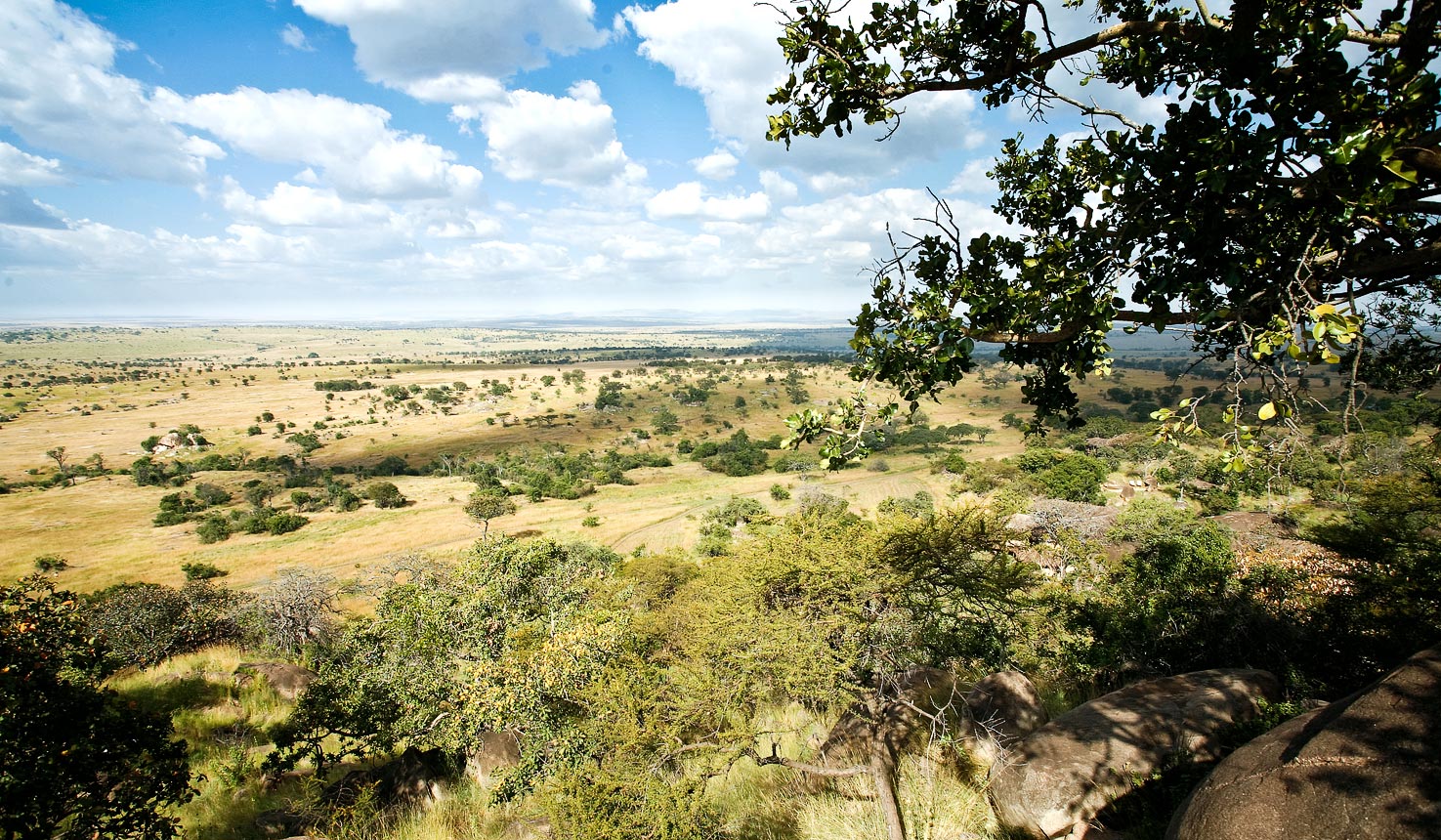
From the crater rim, the view is breathtaking. The Ngorongoro Crater is the world's largest intact and unflooded volcanic caldera — approximately 19 kilometres across, 600 metres deep, and covering a floor area of roughly 260 square kilometres. It was formed approximately two to three million years ago when a massive volcano — likely comparable in height to Mount Kilimanjaro — erupted and collapsed in on itself, creating this perfectly enclosed bowl of grassland, forest, swamp, and lake. The result is a self-contained ecosystem of extraordinary completeness — a world entirely unto itself, visible from above as a patchwork of gold, green, and blue framed by the dark green walls of the caldera rim.
The descent into the crater on the steep, unpaved access road is exhilarating — a slow, careful wind down through forest that gives way to open grassland as the crater floor opens around you. And then the wildlife begins.
Ngorongoro Crater is home to approximately 25,000 large mammals living within the caldera's boundaries year-round — a resident wildlife population of extraordinary density. The crater floor supports all of the Big Five: lions, African elephants, Cape buffaloes, leopards, and critically, one of the last remaining populations of the black rhinoceros (Diceros bicornis) — a species that has been largely eliminated across much of its former range by poaching, making a rhino sighting in Ngorongoro among the most significant and moving wildlife encounters in Africa today.
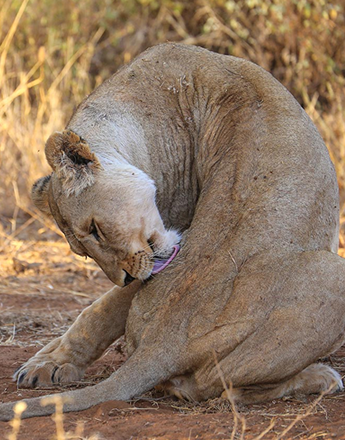
The crater's lion population is one of the densest in Africa — over 60 individuals living within the caldera — and encounters are frequent and often exceptional. Ngorongoro's lions are known for their bold, unhurried behaviour around vehicles, and watching a pride move across the open grassland, hunt, or simply rest in the morning light from just metres away is an experience that does not diminish no matter how many times it is repeated.
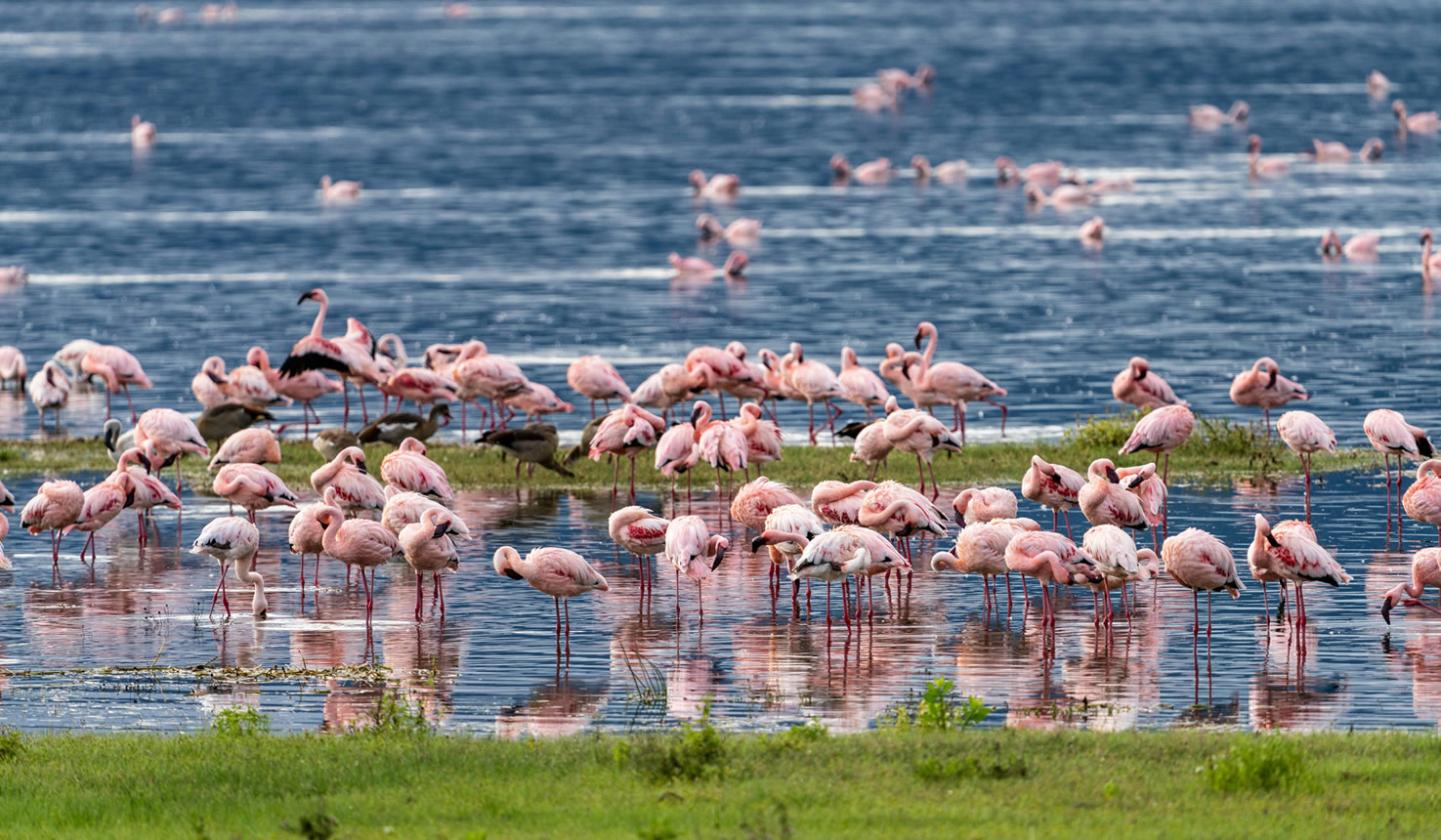
The Lerai Forest in the crater's southwestern section provides important habitat for leopards, elephants, and the striking yellow fever tree — a photogenic acacia with vivid lime-yellow bark that turns the forest floor into a gallery of natural art. Lake Magadi in the crater's floor attracts flocks of flamingos that turn the shallows pink during the right seasons, along with hippos that wallow in the lake's deeper sections throughout the year.
With over 500 bird species recorded in the Conservation Area, Ngorongoro is also one of Tanzania's premier birding destinations — the crater floor hosting everything from grey crowned cranes and secretary birds to kori bustards, augur buzzards, and numerous species of raptor riding the thermals above the rim.
Your guide navigates the crater floor's network of tracks throughout the day, reading animal movement, positioning optimally for observation and photography, and sharing the depth of knowledge that comes from years of experience in this extraordinary place. A picnic lunch is enjoyed at one of the crater's designated picnic sites — eating in the open air with wildlife grazing peacefully in every direction is an experience as memorable as any game drive.
In the late afternoon, the vehicle rejoins the steep ascent road and climbs back to the crater rim as the light turns golden and the vast caldera recedes below you — an image that stays with every traveller long after they return home.
The drive back to Arusha takes approximately two hours, arriving in the early evening. Your guide will drop you at your accommodation or, if your departure flight allows, transfer you directly to the airport — completing an itinerary that has delivered, in just three days, some of the finest wildlife encounters East Africa has to offer.
Highlights: Ngorongoro Crater descent, Big Five including black rhino, 25,000 resident mammals, picnic lunch in the crater Meal Plan: Breakfast, Lunch, Dinner Accommodation: Return to Arusha or departure (as per flight schedule)
Safari Inclusions
- Airport transfers and all ground transportation in a private 4WD safari vehicle with pop-up roof
- Professional English-speaking private driver-guide throughout
- All accommodation on a full-board basis as per the meal plan
- All national park and conservation area entrance fees
- Ngorongoro Crater descent fees
- Picnic lunches in the field on Days 2 and 3
- Bottled water throughout
What's Not Included
- International flights to and from Tanzania
- Tanzania visa fees (e-visa available in advance at immigration.go.tz)
- Travel insurance (strongly recommended)
- Optional activities and excursions
- Tips and gratuities for guides and lodge staff
- Personal expenditure and bar bills
Practical Tips for Your Tanzania Safari
Best Time to Visit: Tarangire and Ngorongoro can be visited year-round. The dry season (June–October) offers the most concentrated wildlife viewing at Tarangire's river. The green season (November–May) brings fewer visitors, dramatic skies, and excellent birdlife including migratory species.
What to Pack: Lightweight, neutral-coloured clothing (khaki, olive, tan), a fleece or light jacket for Ngorongoro's cool highland mornings, a sun hat, quality sunscreen, insect repellent, and a good camera with a zoom lens. Binoculars make a significant difference to the quality of your game drives.
Vehicle: All safaris operate from a private 4WD safari vehicle with a pop-up roof hatch, allowing standing wildlife photography in all directions.
Health: Yellow fever vaccination is recommended. Malaria prophylaxis is advised for Tarangire (lower altitude). Ngorongoro's higher altitude (crater rim at approximately 2,300 metres) is generally malaria-free. Consult your travel health clinic before departure.
Extend Your Safari
Three days in Tanzania will leave you wanting more — which is exactly as it should be. Ntungo Wildlife Safaris offers extended Tanzania itineraries incorporating the Serengeti National Park (including the Great Migration), Lake Manyara National Park, Kilimanjaro trekking, and Zanzibar beach extensions. Contact us to build your perfect Tanzania journey.
For bookings, availability, and pricing enquiries, contact Ntungo Wildlife Safaris. We are happy to tailor this itinerary to your travel dates, group size, and accommodation preferences.
Where to Visit
-

Karibu KiliFair Experience
0 comments -
Nyungwe Forest National Park Rwanda
1 comments -
Ngorongoro Crater Tanzania
0 comments -
Serengeti National Park Tanzania
0 comments -
Mombasa
0 comments -
Lake Nakuru National Park
0 comments -
Masai Mara Safari Kenya
0 comments -
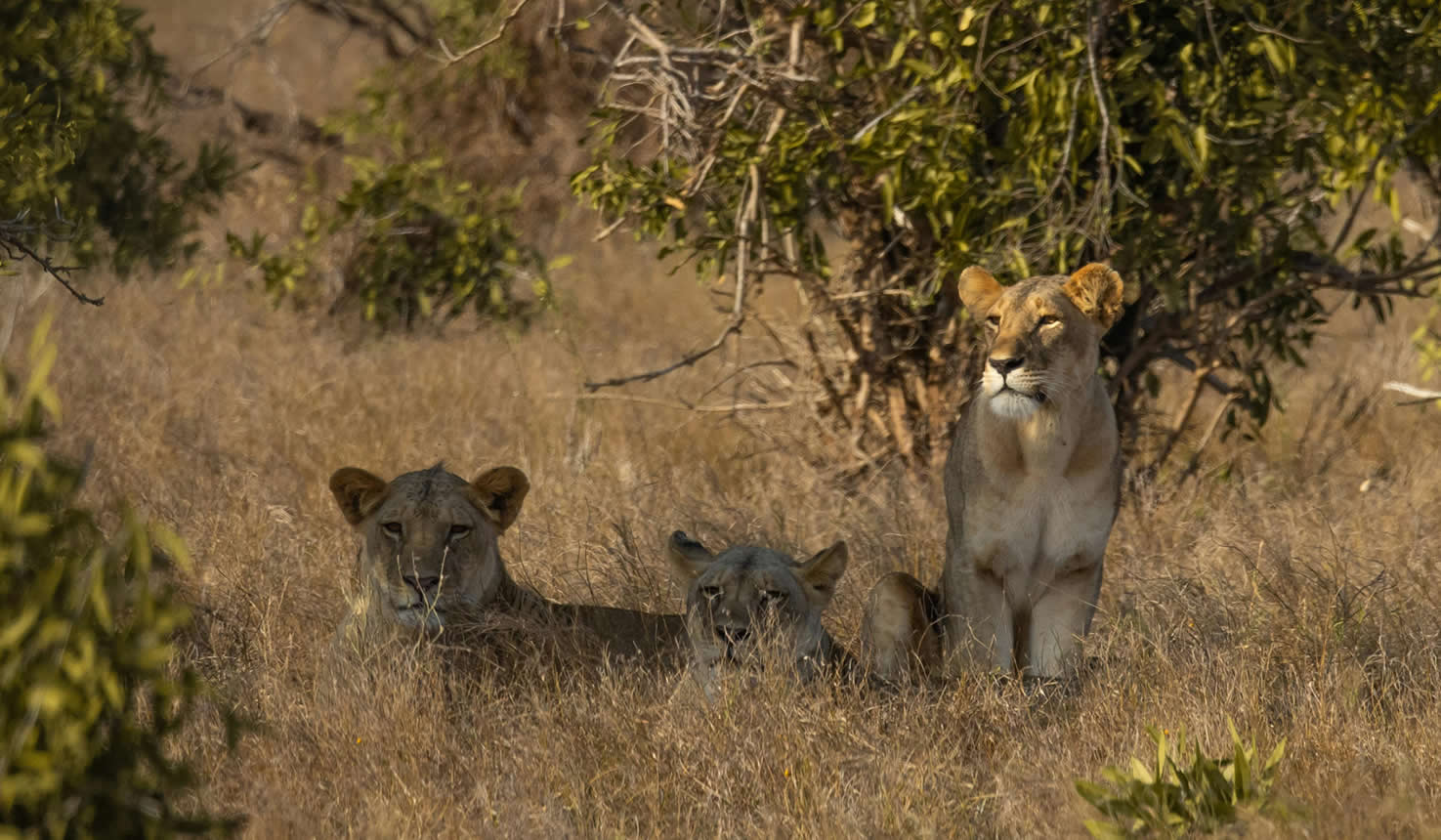
Kidepo Valley National Park
0 comments -
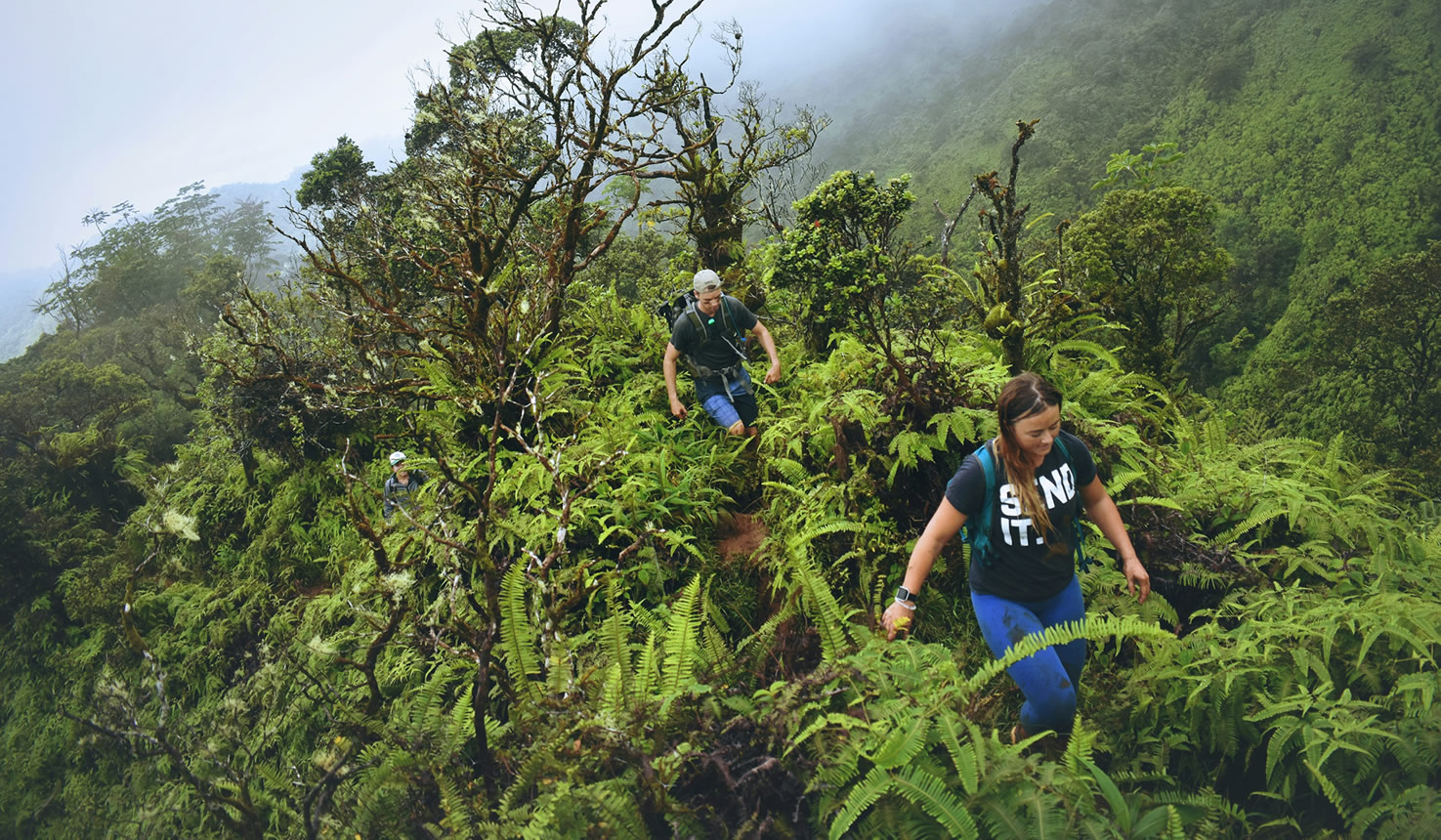
Bwindi Impenetrable National Park
0 comments -
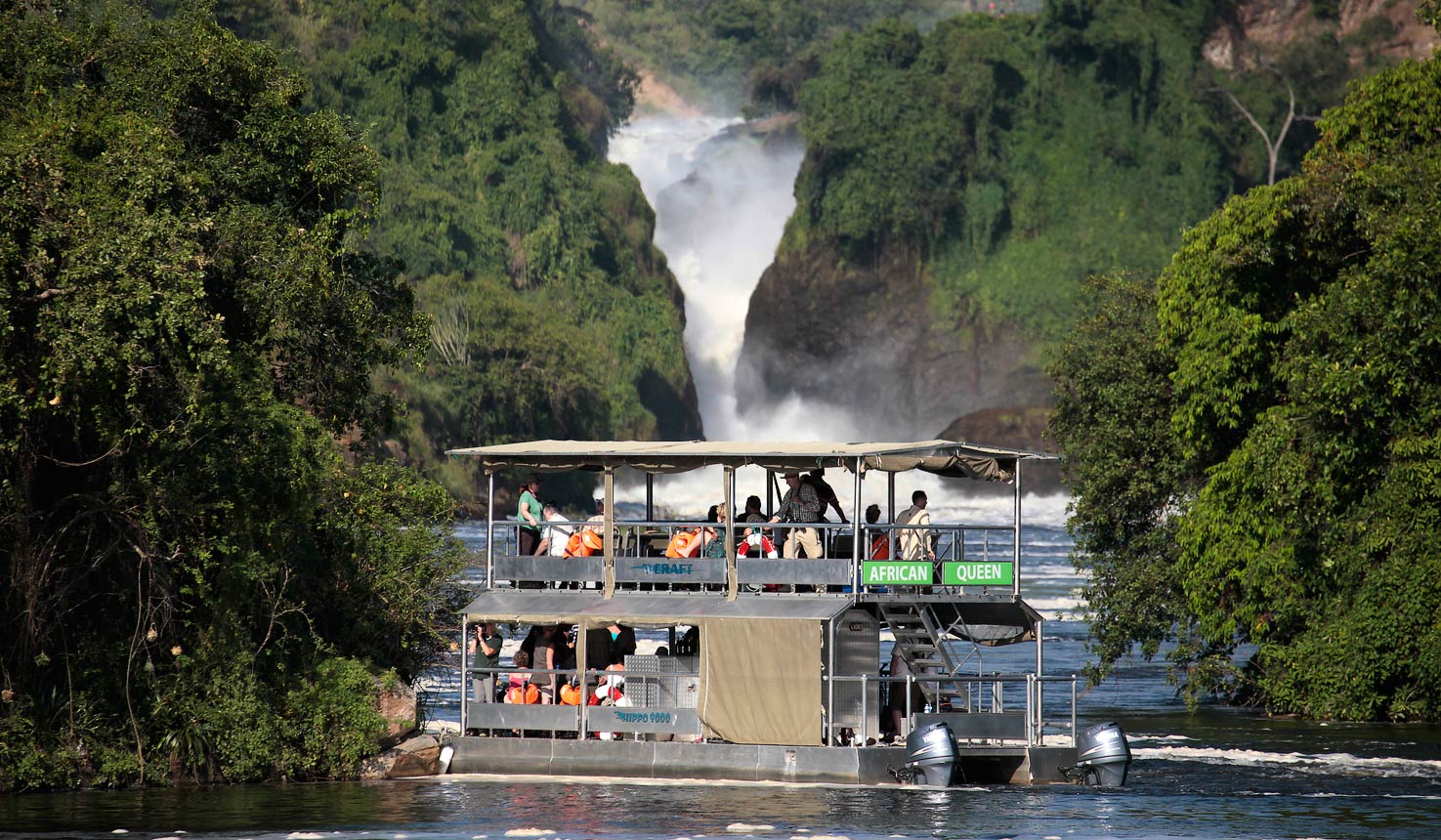
Murchison Falls National Park
1 comments -
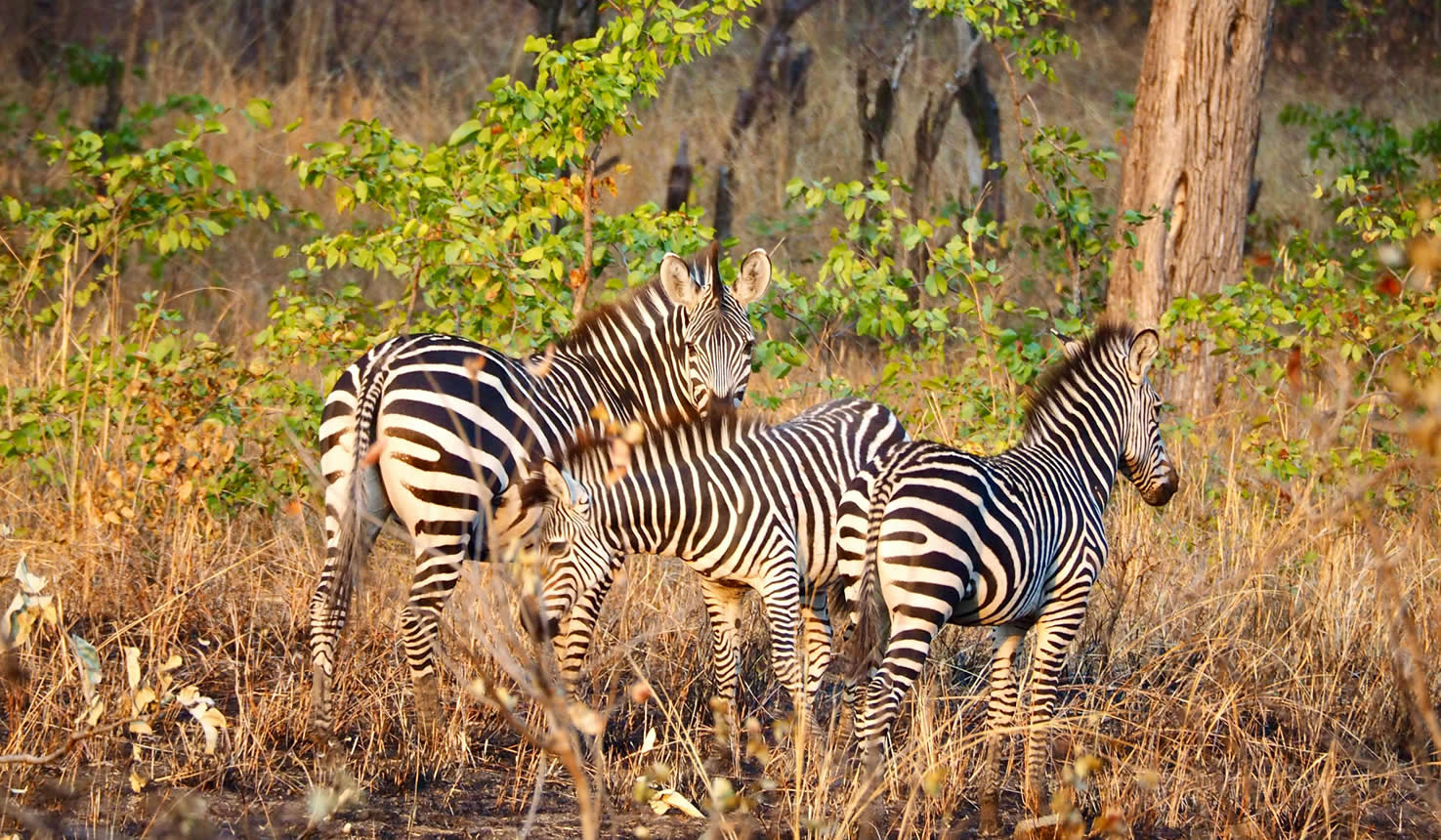
Lake Mburo national park
0 comments -
Akagera National Park
0 comments -
Queen Elizabeth National Park
1 comments