
Some safari itineraries show you Africa. This one lets you live inside it. The 10-day Tanzania northern circuit safari is the definitive journey through the country's most celebrated wilderness destinations — a carefully sequenced expedition that moves from the elephant-dense riverine landscapes of Tarangire, across the crater highlands into the boundless Serengeti, northward to the dramatic Mara River where the Great Migration reaches its most spectacular crescendo, and finally into the ancient volcanic cauldron of Ngorongoro Crater before returning via the flamingo-pink shores of Lake Manyara.
Ten days is the sweet spot for Tanzania's northern circuit. It is long enough to move through the landscape at a genuine safari pace — mornings in the field, afternoons to absorb what you have seen, evenings under African skies that make city life feel like a distant memory — and comprehensive enough to cover the full geographic and ecological range of one of the great wildlife regions on earth. You will witness the world's greatest animal migration. You will encounter the Big Five. You will sleep inside working national parks and wake to lions calling in the darkness.
Ntungo Wildlife Safaris provides private guiding, handpicked accommodation across the circuit, and the expert local knowledge that turns a spectacular itinerary into an extraordinary personal journey.
Day 1: Arrival in Arusha — The Launchpad of East African Safaris
Your 10-day Tanzania safari begins at Kilimanjaro International Airport or Arusha Airport, where your Ntungo Wildlife Safaris representative will be waiting in the arrivals hall to greet you and transfer you comfortably to your accommodation in Arusha.
Arusha is Tanzania's northern safari capital — a city of genuine character and remarkable energy set at approximately 1,400 metres above sea level on the lower flanks of Mount Meru, a magnificent 4,566-metre dormant volcano whose forested cone provides a dramatic backdrop to the city skyline. The air is clean and cool, the streets busy with the purposeful hum of a place that exists at the precise intersection of the civilised world and the wild one: safari operators, specialty coffee shops, Maasai curio markets, and excellent restaurants all occupy the same animated streets.
Check into the Mount Meru Hotel, a well-regarded Arusha property with comfortable rooms, pleasant gardens, and on clear mornings, views of the great mountain itself. This evening is yours entirely — rest after your journey, enjoy dinner at the hotel, and let the quiet anticipation of the days ahead settle over you.
Your guide will contact you this evening or early the following morning to confirm schedules, discuss the itinerary, and ensure you are equipped for the safari. Neutral-coloured clothing, a warm layer for cool highland mornings, binoculars, and a good camera with a zoom lens are your essential companions for the days ahead.
Highlights: Arrival in Arusha, Mount Meru views, safari orientation Meal Plan: Dinner Accommodation: Luxury: Mount Meru Hotel
Day 2: Tarangire National Park — Kingdom of the Elephant
After breakfast, your private guide collects you from the hotel in a customised 4WD safari vehicle with a pop-up roof hatch and sets course southwest toward Tarangire National Park, approximately two hours from Arusha on good tarmac road.
The drive across the Maasai Plains is an immediate immersion in Tanzania's living cultural landscape. Wide, gently undulating grassland scattered with flat-topped acacia trees rolls to every horizon, and alongside the road, the life of the Maasai people unfolds without performance or pretence. Warriors stride in their signature red shukas, women balance water and firewood, young herders move long-horned cattle and goats across the dusty verges, and families cycle between distant villages. It is a compelling portrait of a culture that has coexisted with — and fundamentally shaped — this landscape for centuries.
Tarangire National Park covers 2,850 square kilometres of richly diverse habitat: open savannah, seasonal swamp, rocky kopjes, riverine forest, and the extraordinary baobab groves that give the park its most distinctive visual character. At the ecological heart of it all runs the permanent Tarangire River — the single most critical dry-season water source for wildlife across a vast surrounding ecosystem, and the reason Tarangire delivers some of the most concentrated wildlife viewing in all of Tanzania during the dry months of June through October.
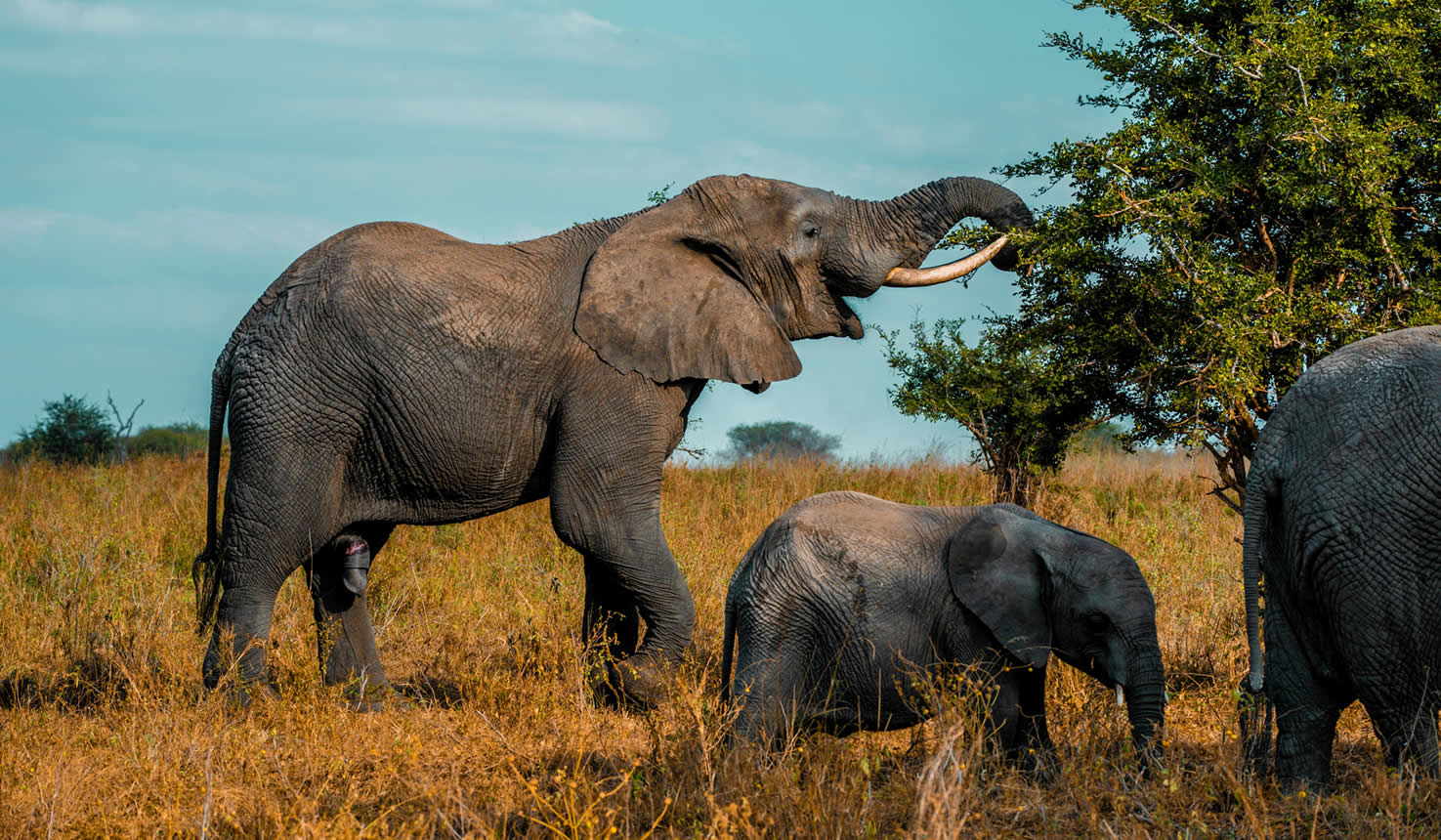
The park's signature residents are its elephants — one of Tanzania's largest populations, present year-round in family groups, bachelor herds, and the enormous solitary bulls that wander the riverine forest with the unhurried confidence of animals who fear nothing. Watching an elephant family cross the river, or witnessing a matriarch's social authority over her extended family, is an experience of genuine emotional resonance that sets the tone for the entire safari.
The baobab trees punctuating Tarangire's landscape deserve equal attention. Some estimated to be over 3,000 years old, these gravity-defying giants — with their swollen, moisture-storing trunks and sparse canopies — are among Africa's most ancient living organisms. Standing beside one is an encounter with deep time.
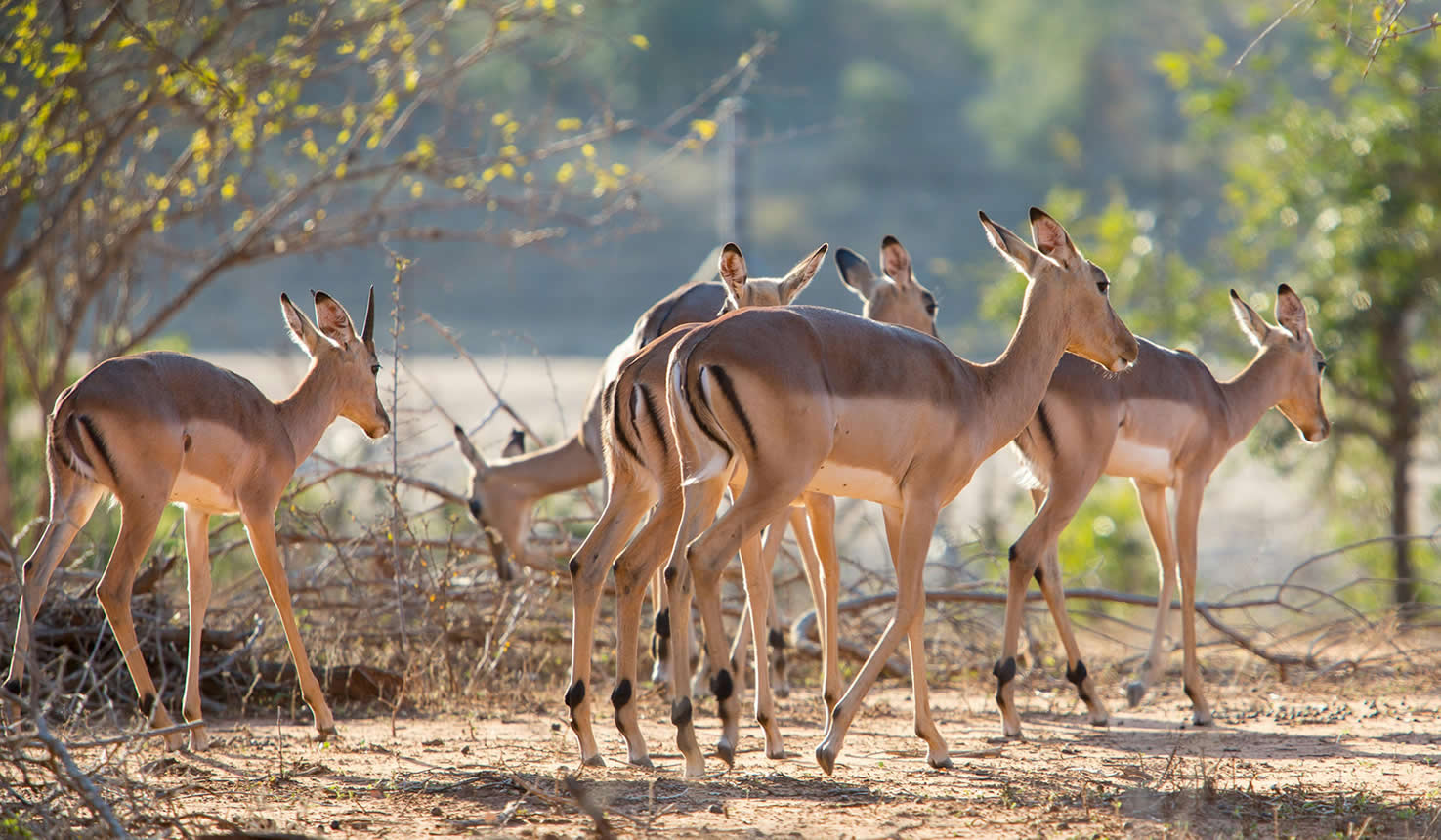
Wildlife diversity is exceptional throughout: large herds of zebra, wildebeest, buffalo, giraffe, and impala graze the open plains. Lions hunt at dawn and dusk. Leopards rest in the branches of sausage trees along the river. African wild dogs are occasionally encountered. The park's 550+ bird species — including the vivid lilac-breasted roller, the magnificent kori bustard, and vast flocks of yellow-collared lovebirds — reward every level of birdwatching interest.
A picnic lunch in the field today is followed by a late afternoon departure to your lodge in the highlands.
Highlights: Maasai Plains drive, Tarangire elephant herds, ancient baobab landscape, Tarangire River wildlife, 550+ bird species Meal Plan: Breakfast, Lunch, Dinner Accommodation: Luxury: Kitela Lodge / Lake Manyara Kilima Moja / The Retreat at Ngorongoro
Day 3: Into the Central Serengeti — The Endless Plains Await
Today's drive is one of the great scenic journeys of the African safari world. After breakfast, your guide sets course northwest, climbing steadily into the cool Ngorongoro highlands before cresting the crater rim — where a stop reveals the astonishing first view of the caldera, 600 metres below, a circular world of grassland, forest, and glinting lake that you will descend into later in the itinerary. The view from the rim at this moment is a powerful preview — breathtaking in scale, and a reminder of the geological drama that shaped this entire region.
Continuing northwest, the road crosses the high plateau and begins its descent toward the Serengeti. As the woodland thins and the horizon expands, the landscape transforms in one of East Africa's most thrilling reveals — the Serengeti plains opening before you in a sweep of golden grass that seems, exactly as the Maasai name siringet promises, to run on forever.
Serengeti National Park covers approximately 18,000 square kilometres and supports the greatest concentration of large mammals on earth. Its centrepiece is the Great Wildebeest Migration — the annual movement of over 1.5 million wildebeest, 400,000 zebra, and 200,000 gazelle in a continuous clockwise circuit around the ecosystem, driven entirely by rainfall patterns and the growth of fresh grass. It is the largest overland animal migration on the planet, and the Serengeti is its stage.
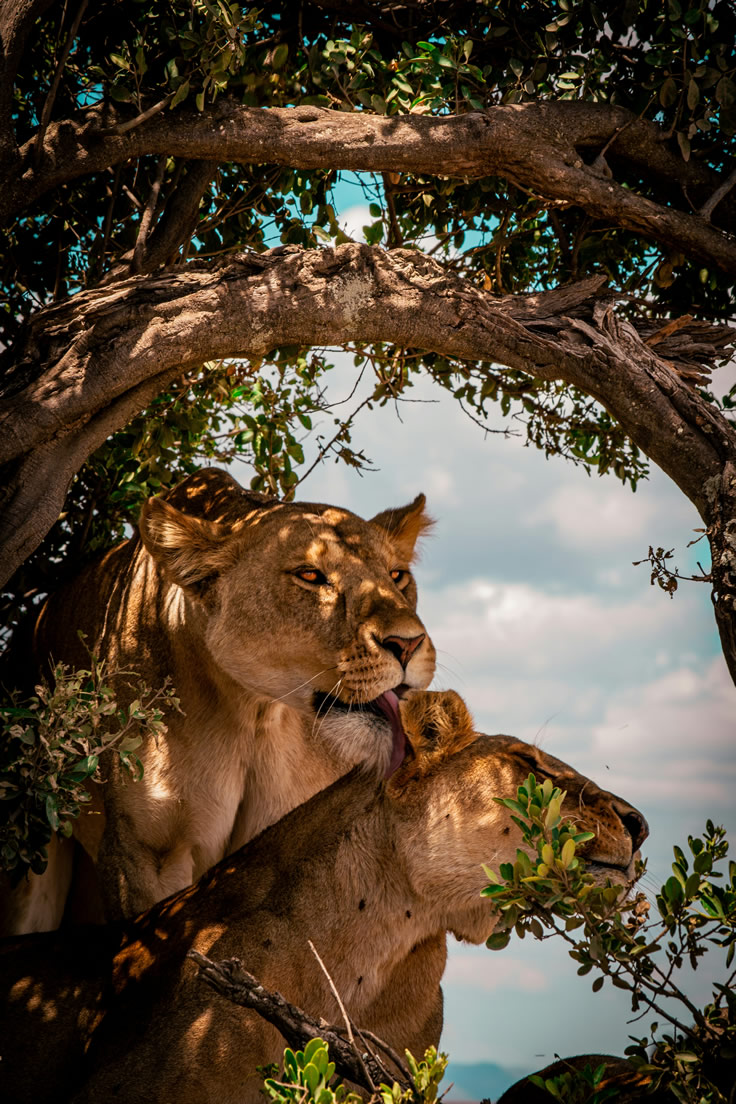
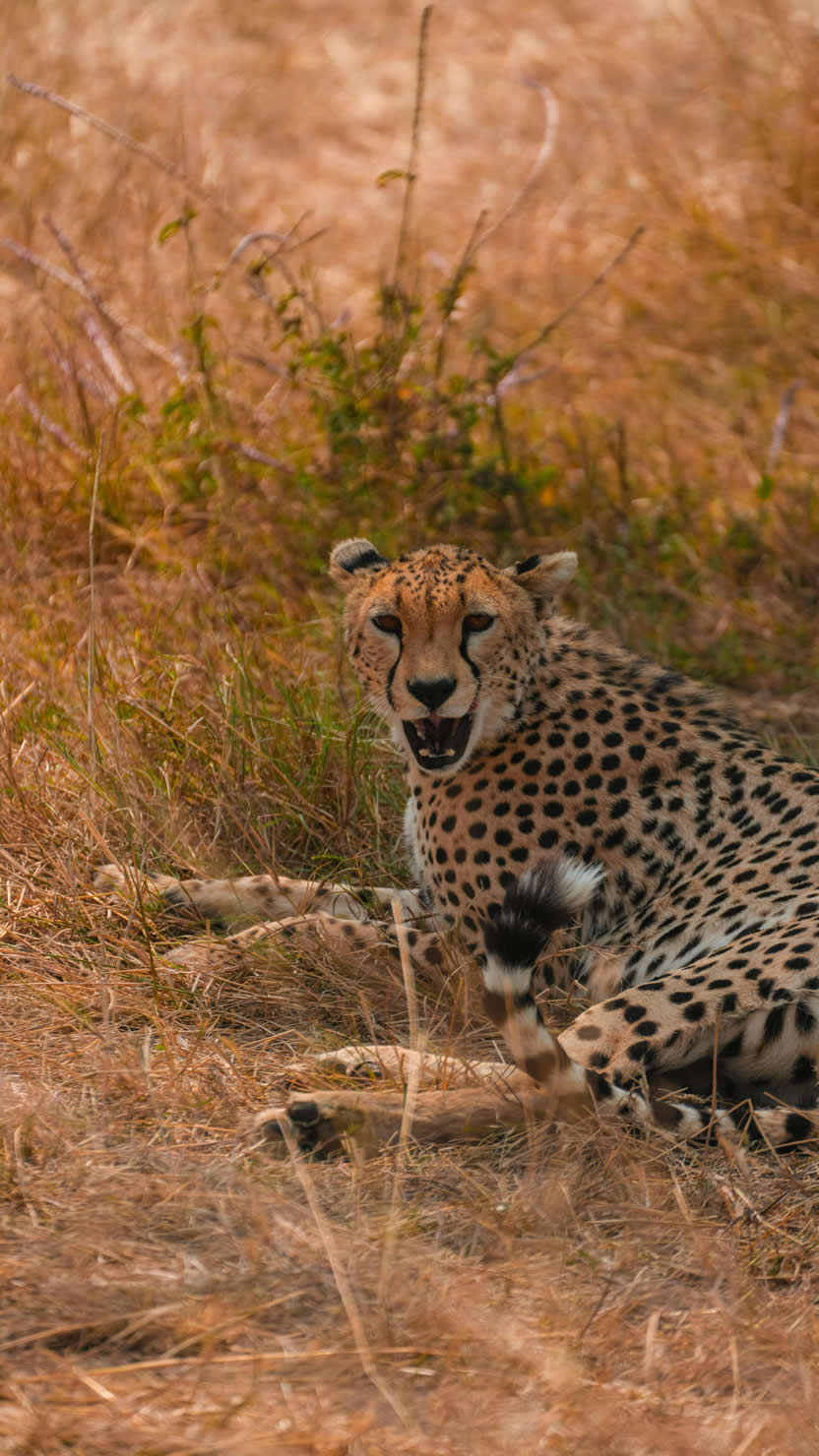
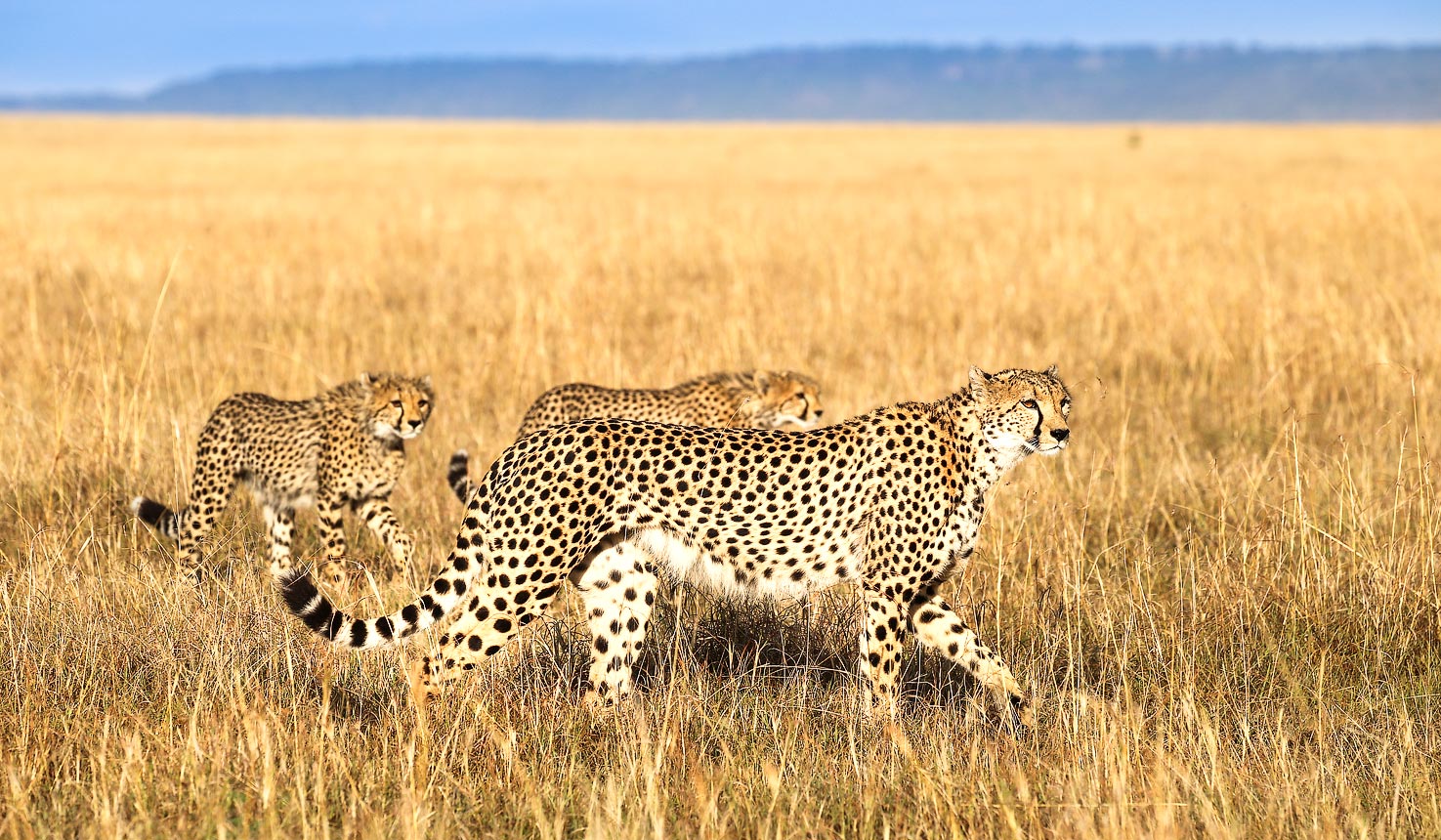
This afternoon's game drive in the Seronera Valley — the productive central Serengeti — introduces the ecosystem and its resident wildlife: lion prides on the famous granite kopjes, cheetahs scanning the open plains, leopards in the riverine forest along the Seronera River, hippos filling the river pools, and the endless backdrop of migrating or resident herbivore herds.
Arrive at Kubu Kubu Tented Lodge as the evening settles over the plains. Dinner tonight is accompanied by the sounds of the Serengeti night — hyenas calling, a lion roaring in the distance, the world operating on schedules older than human memory.
Highlights: Ngorongoro Crater rim viewpoint, descent onto Serengeti plains, Seronera Valley game drive, tented camp experience Meal Plan: Breakfast, Lunch, Dinner Accommodation: Kubu Kubu Tented Lodge, Central Serengeti

Day 4: North Serengeti — Following the Migration
An early departure this morning as your guide drives north from Seronera toward the Northern Serengeti — a journey of approximately 100 kilometres that takes you through increasingly dramatic and varied landscapes into one of Africa's most spectacular and least visited safari regions.
The Northern Serengeti is a world apart from the open plains of the south and centre. The terrain here becomes gently rolling, punctuated by small rivers, seasonal streams, scattered hills, and the extraordinary Lobo Kopjes — ancient granite formations of striking geological beauty that rise dramatically from the surrounding landscape and harbour resident lion prides, leopards, klipspringers, and vast colonies of rock hyrax. The Northern Serengeti receives fewer visitors than the park's more accessible southern areas, giving game drives here a quality of solitude and intimacy that is increasingly rare in popular safari destinations.
But the defining feature of the Northern Serengeti — particularly from August through October — is the Mara River crossing: the most dramatic single spectacle of the Great Migration and one of the most extraordinary wildlife events on earth.
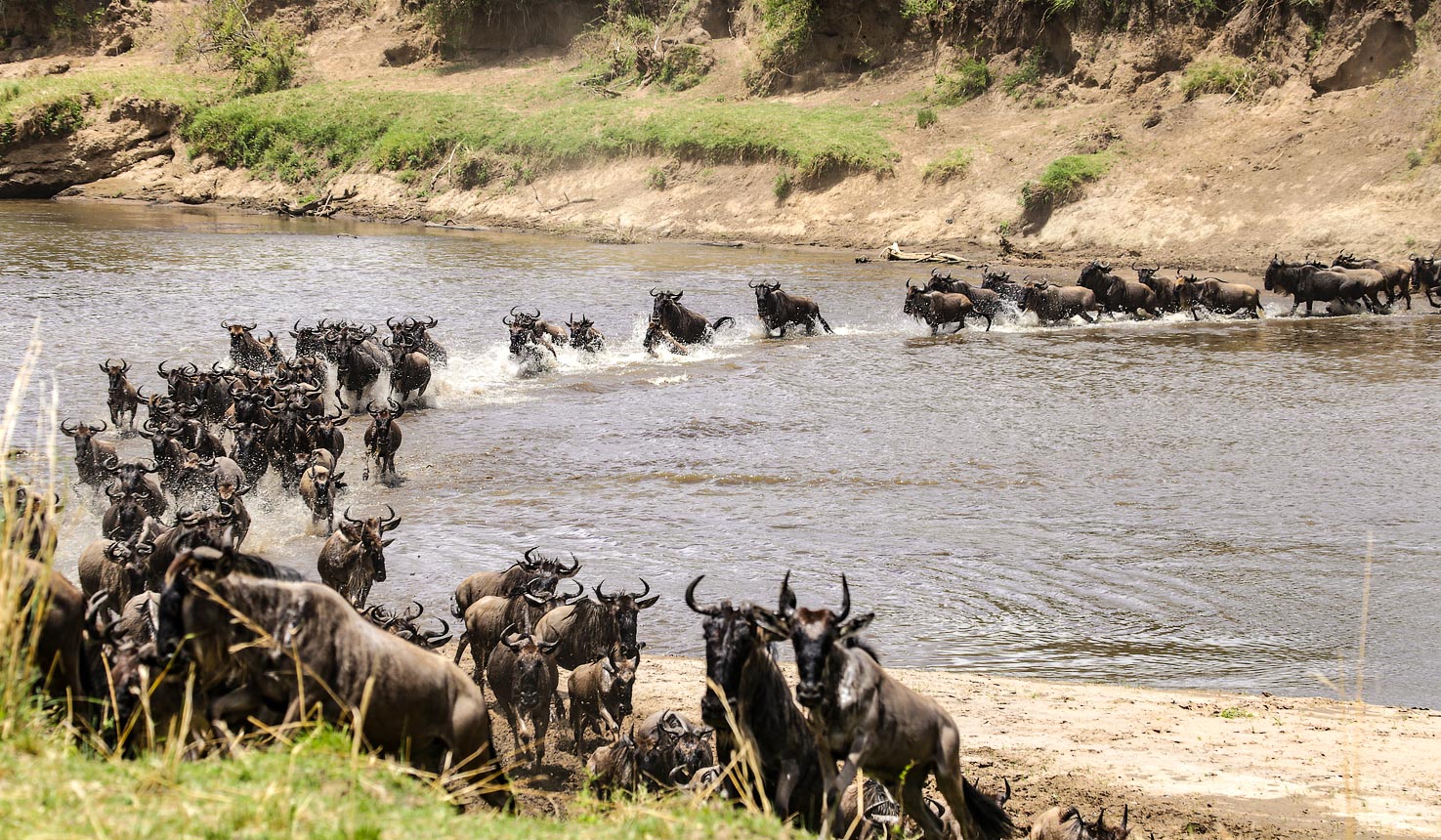
As the migration pushes northward toward the Kenyan Masai Mara, the vast wildebeest and zebra herds must cross the Mara River — a wide, fast-flowing, crocodile-patrolled barrier that stands between the exhausted animals and the fresh, rain-greened grass on the far bank. The crossings that result are scenes of primal intensity: hundreds of thousands of animals massing on the southern bank, the herd surging forward with collective panic, the river churning with the force of their crossing, and enormous Nile crocodiles — some exceeding five metres in length — launching from the depths to take individuals at the water's edge. It is raw, brutal, and utterly unforgettable — the cycle of life made viscerally visible.
Your guide will use knowledge of the herd movements, river levels, and local ranger communications to position you at the most productive crossing points. Crossings are never guaranteed — they happen on the wildebeest's own terms — but patient observation is almost always rewarded, and the drama of thousands of animals massing on the riverbank is extraordinary even before the first one jumps.
Arrive at your luxury tented camp in the Northern Serengeti for dinner and an overnight under a sky of extraordinary star density.
Highlights: Northern Serengeti landscape, Lobo Kopjes, Mara River crossing (August–October), low visitor density Meal Plan: Breakfast, Lunch, Dinner Accommodation: Luxury: Mara Mara Tented Lodge / Mara Under Canvas (August–October)
Day 5: North Serengeti — The River, The Crossing, The Wild
A full second day in the Northern Serengeti, dedicated to maximising the extraordinary wildlife opportunities this remote and spectacular region offers.
Rise early — the Mara River crossings, when they occur, most commonly happen in the morning hours when the herd's momentum builds and the light on the river is dramatic and photogenic. After a pre-dawn breakfast, your guide drives to the river with knowledge of the previous day's herd movements and positioning.
The experience of waiting at the Mara River for a crossing is itself a compelling wildlife encounter. The northern bank bristles with thousands of wildebeest and zebra, pacing, calling, pushing toward the water's edge. The collective noise — a constant, rolling thunder of hooves and grunts and alarm calls — is something you feel in your chest as much as hear. The crocodiles hold position in the river, motionless and patient. And then, with a logic known only to the herd, a single animal commits — and within seconds, the bank erupts.
Each crossing is different. Some are panicked and chaotic, with animals doubling back and surging forward repeatedly before the mass movement begins. Others are swift and decisive. Some involve thousands of animals at once; others, smaller groups testing particular sections of the bank. Your guide's experience of the river and the herd's behaviour maximises the time spent at the most productive vantage points.
Beyond the crossings, the Northern Serengeti supports excellent resident wildlife. Elephants move through the riverine forest. Lions rest on the kopjes. Leopards inhabit the fig trees along the Mara's banks. Giraffes, topis, eland, and various antelope species provide the backdrop to the migration drama. The birdlife is exceptional — raptors patrol the skies above every crossing event, and the river's margins support kingfishers, herons, hammerkops, and the magnificent African fish eagle.
Another night under the stars of the Northern Serengeti, with the sounds of the wild and the memory of the river crossing settling into something that will stay with you for the rest of your life.
Highlights: Mara River crossings (August–October), resident wildlife, Northern Serengeti exclusivity, exceptional birdwatching Meal Plan: Breakfast, Lunch, Dinner Accommodation: Luxury: Mara Mara Tented Lodge / Mara Under Canvas
Day 6: Return to the Central Serengeti — Lions, Kopjes & the Endless Plains
This morning, after a final early game drive in the Northern Serengeti, your guide begins the drive south back toward the central Serengeti and the Seronera Valley — the predator-rich heartland of the park and one of the finest game-viewing areas in Africa.
The drive south through the Serengeti is itself a game drive, with wildlife visible continuously across the landscape — herds of wildebeest and zebra on the move, cheetahs using elevated termite mounds as vantage points, and the endless visual rhythm of the open plains punctuated by the dramatic granite formations of the Serengeti kopjes.
The Seronera area is renowned for its resident predator density — arguably the highest of any area in the Serengeti. Lion prides are encountered with extraordinary regularity, particularly around the kopjes that serve as territorial landmarks and resting places across generations. The Seronera River supports a reliable leopard population, with individuals commonly observed in the riverine trees that line the banks — draped with the languid elegance that makes leopard sightings so consistently satisfying. Cheetahs hunt across the open grassland between kopje clusters, their explosive acceleration one of nature's most exhilarating spectacles.
The migratory herds, depending on the season, may be present in the central Serengeti in vast numbers during the transitional months — and even when the peak migration has moved north or south, the resident herbivore populations of buffalo, topi, eland, Grant's gazelle, and Thomson's gazelle ensure that the Serengeti never feels empty.
This evening, enjoy dinner at your central Serengeti lodge — one of the finest in the park — with the vast plains and their resident wildlife visible from the camp's elevated viewpoints.
Highlights: Seronera Valley predators, resident lion and leopard encounters, central Serengeti plains Meal Plan: Breakfast, Lunch, Dinner Accommodation: Luxury: Kubu Kubu Tented Camp / Melia Serengeti Lodge / Four Seasons Serengeti
Day 7: Serengeti to Ngorongoro Crater Rim — The World Below
A final morning game drive in the Serengeti — one last pass through the kopjes and across the golden grassland as the early light stretches long across the plains — before departure southeast toward Ngorongoro.
This morning's drive offers a final opportunity to encounter the Big Five across the Serengeti's open, unfenced landscape: lion, elephant, buffalo, leopard, and the critically endangered black rhinoceros — all present within the ecosystem and findable with your guide's expertise and knowledge of the park's resident populations.
The drive east carries you back across the Serengeti toward the Ngorongoro Conservation Area, climbing steadily through the highlands as the savannah gradually gives way to montane forest. Arriving at the crater rim in the late afternoon, the vast caldera opens below you once again — and this time, knowing you will descend into it tomorrow morning, the view carries a particular anticipation.
Check into your crater-rim lodge as the evening light turns the caldera walls gold and the temperature drops pleasantly in the highland air. Dinner tonight is taken with one of Africa's most extraordinary landscapes spread below you, the crater floor a vast shadowed world preparing for the night.
Highlights: Final Serengeti game drive, Big Five opportunity, scenic drive to Ngorongoro rim, first crater view Meal Plan: Breakfast, Lunch, Dinner Accommodation: Luxury: Ngorongoro Serena Lodge / Sanctuary Ngorongoro Crater Camp
Day 8: Ngorongoro Crater — Into the Caldera
This is the day every Tanzania safari traveller anticipates with particular intensity. After an early breakfast and the reward of sunrise over the crater rim — the morning mist lying in the caldera below, the first light turning the escarpment walls from grey to amber — your guide begins the steep, winding descent into the Ngorongoro Crater.
The Ngorongoro Crater is the world's largest intact and unflooded volcanic caldera, formed between two and three million years ago when a massive volcano collapsed inward upon itself. The caldera spans approximately 260 square kilometres, plunges 610 metres below the rim, and encloses a self-sustaining ecosystem of extraordinary biological richness. Its walls form a natural boundary that has produced a permanently resident wildlife population of approximately 25,000 large mammals — the most concentrated wildlife density of any ecosystem in Africa.
All members of the Big Five are present year-round. Lion prides — some of the most studied in Africa — are encountered across the open grassland with remarkable frequency, commanding the landscape with the unhurried authority of apex predators who have no serious competition within the caldera. Cape buffalo gather in vast herds along the wetland margins. African elephants, predominantly old bulls with impressive ivory, move across the grassland with measured dignity. Leopards inhabit the Lerai Forest — a beautiful grove of yellow fever trees in the crater's southwestern corner — though their cryptic nature makes each sighting genuinely special.
Most significantly, Ngorongoro is home to one of Africa's last surviving populations of the black rhinoceros — a critically endangered species with fewer than 6,000 individuals remaining globally. To see a black rhino in the Ngorongoro Crater floor, moving through the grassland in a landscape it has occupied for millennia, is one of wildlife travel's most moving and meaningful experiences — a reminder of both what we risk losing and what dedicated conservation can protect.
Beyond the Big Five, the crater floor is alive with wildebeest, zebra, Grant's and Thomson's gazelles, spotted hyenas in complex clan interactions, golden jackals, and enormous flocks of flamingos on Lake Magadi — the alkaline crater lake whose pink-tinged shallows are one of Tanzania's most iconic images. The crater's 500+ bird species include grey crowned cranes, secretary birds, kori bustards, and numerous raptor species riding the thermals above the rim.
A picnic lunch on the crater floor — one of the most memorable dining locations in the world — precedes an afternoon of further game driving before the steep ascent back to the rim and the drive down to the highland lodges of Karatu.
Highlights: Ngorongoro Crater full-day game drive, Big Five including black rhino, 25,000 resident mammals, Lake Magadi flamingos, crater picnic lunch Meal Plan: Breakfast, Lunch, Dinner Accommodation: Luxury: Kitela Lodge / Lake Manyara Kilima Moja / The Retreat at Ngorongoro
Day 9: Lake Manyara National Park & Return to Arusha
The penultimate day of your 10-day Tanzania safari brings a final and fitting wildlife chapter: a morning game drive through Lake Manyara National Park, one of Tanzania's most beautiful and most underestimated protected areas, before the return to Arusha.
After breakfast at your Karatu lodge, the drive east to Lake Manyara takes approximately 45 minutes. The park covers 325 square kilometres between the dramatic western escarpment of the Great Rift Valley and the alkaline expanse of Lake Manyara, and packs extraordinary ecological variety into that relatively compact space. Five distinct habitat zones — groundwater forest, acacia woodland, open floodplain, lakeshore grassland, and the lake itself — create a game drive of constantly shifting character, each zone with its own distinctive wildlife community.
The groundwater forest at the park's northern entrance is among Tanzania's most beautiful habitats — a dense, cathedral-canopied forest fed by underground springs seeping from the Rift Valley escarpment, draped in mahogany, fig, and strangler fig, and alive with olive baboons and blue monkeys moving in large, active troops through the canopy and across the forest floor. The atmosphere here — enclosed, dappled, intensely green — provides complete sensory contrast to the open plains of the Serengeti and the volcanic drama of Ngorongoro, and its birdlife is exceptional: silvery-cheeked hornbills, trumpeter hornbills, African paradise flycatchers, and numerous sunbird species among the highlights.
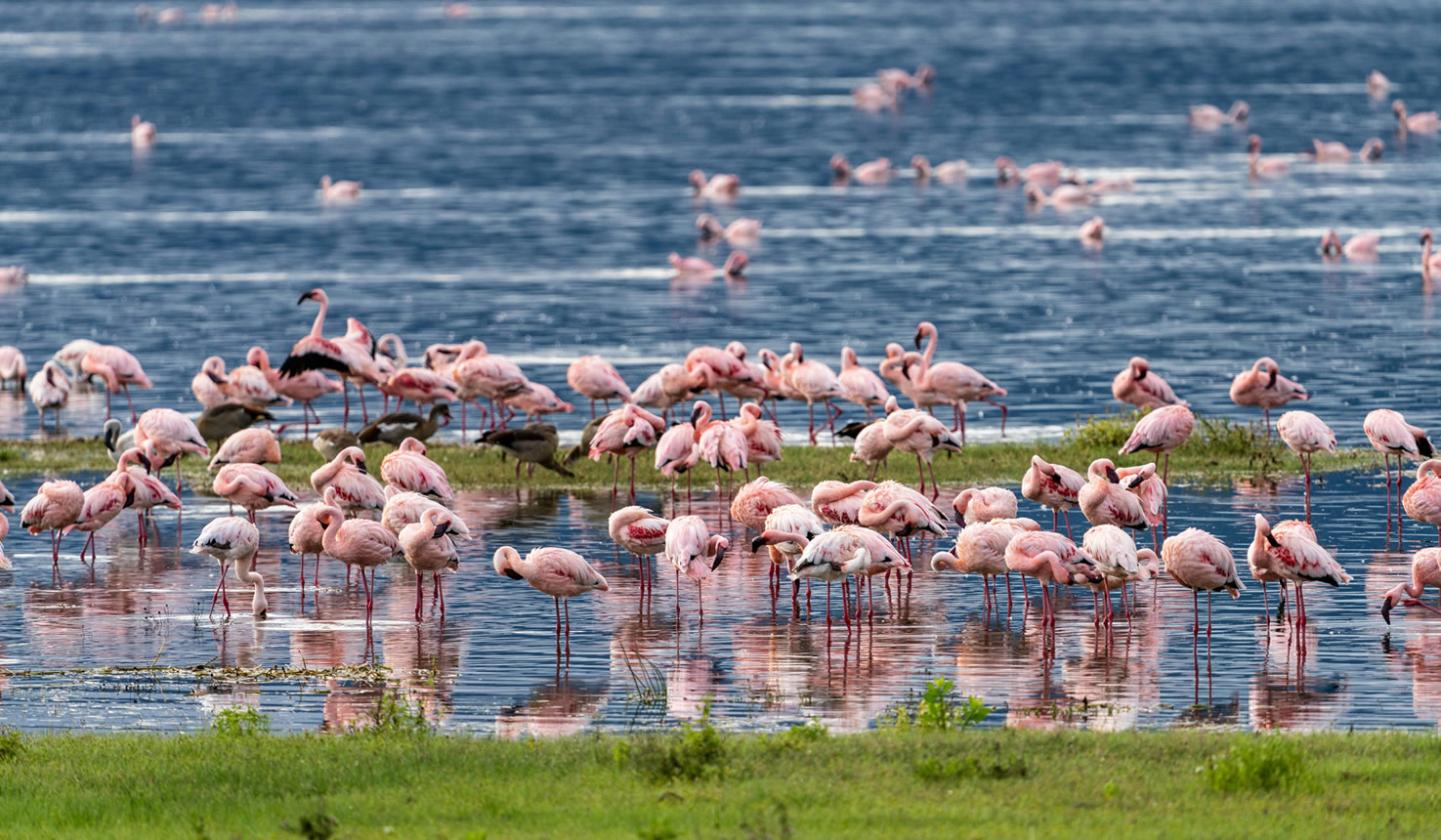
Beyond the forest, the park opens onto the Lake Manyara shoreline — and here the park's most iconic spectacle unfolds. Lake Manyara is one of East Africa's famous soda lakes, its alkaline chemistry supporting astonishing concentrations of lesser and greater flamingos during productive periods — tens of thousands gathering along the shallows in a vision of pink that is one of the most celebrated images in African wildlife photography. Pelicans, yellow-billed storks, great white egrets, and numerous wading species share the margins, while hippos wallow in the deeper pools and Nile crocodiles bask on exposed banks.
The savannah and woodland zones deliver African elephants emerging from the forest onto open floodplain, large buffalo herds, giraffe browsing the acacia canopy, zebra, waterbuck, and impala — and potentially Lake Manyara's most famous residents: its tree-climbing lions. A local lion population here has long practised the unusual habit of resting in the branches of acacia and sausage trees — a behaviour shared with only a handful of lion populations worldwide, including those of Ishasha in Uganda. It is as much a mystery as a spectacle, and every sighting is unrepeatable.
After a morning game drive, depart Lake Manyara for the two-hour drive back to Arusha, arriving in the late afternoon.
Highlights: Groundwater forest primates, Lake Manyara flamingos, tree-climbing lions, Rift Valley escarpment, final game drive Meal Plan: Breakfast, Lunch, Dinner Accommodation: Luxury: Grand Melia Lodge / Mount Meru Hotel / Arusha Coffee Lodge
Day 10: Departure — Until Africa Calls You Back
Your final morning in Tanzania. Depending on your international flight schedule, the day may offer time for a relaxed breakfast, a last coffee in Arusha, or perhaps a brief visit to one of the city's excellent craft markets for final souvenirs before departure.
Your Ntungo Wildlife Safaris representative will collect you from your accommodation in good time and transfer you to Kilimanjaro International Airport or Arusha Airport — ensuring a comfortable, stress-free departure after ten days in the wild.
You leave Tanzania having experienced the full range of its northern circuit: the elephant herds of Tarangire, the drama of the Mara River crossings, the predator density of the Serengeti's Seronera Valley, the ancient volcanic wonder of the Ngorongoro Crater, and the flamingo-pink shores of Lake Manyara. You leave with the Big Five encountered, the Great Migration witnessed, and a set of memories that no photograph alone can fully contain.
Africa has a way of calling people back. We look forward to welcoming you again.
Highlights: Final Arusha morning, airport departure, ten extraordinary days complete Meal Plan: Breakfast Accommodation: N/A (departure day)
What's Included
- All airport transfers and ground transportation in a private 4WD safari vehicle with pop-up roof hatch
- Professional English-speaking private driver-guide throughout all 10 days
- All accommodation on a full-board basis as per the meal plan
- All national park and conservation area entrance fees
- Ngorongoro Crater descent and conservation fees
- Picnic lunches in the field throughout
- Bottled water in the vehicle at all times
What's Not Included
- International flights to and from Tanzania
- Tanzania visa fees (e-visa available in advance at immigration.go.tz)
- Comprehensive travel insurance (strongly recommended)
- Optional activities beyond those specified
- Tips and gratuities for guides and lodge staff
- Personal expenditure and bar bills
Practical Information
Best Time for the Mara River Crossings: The Northern Serengeti river crossings occur predominantly from late July through October, when the migration pushes into the northern sector and the Mara River becomes the critical barrier between the herds and the Kenyan Masai Mara. This itinerary is specifically designed for the August–October window to maximise crossing opportunities.
Year-Round Safari: For travel outside the migration crossing season, this itinerary can be adapted to focus on the southern Serengeti calving season (January–March) or the transitional months with excellent all-round game viewing. Contact us to discuss the best timing for your travel dates.
What to Pack: Neutral-coloured clothing (khaki, olive, tan), a warm fleece or jacket for cool Ngorongoro mornings (the crater rim sits at 2,300m and can be genuinely cold at dawn), a wide-brimmed hat, quality sunscreen, insect repellent, binoculars, and a camera with a zoom lens of at least 200–300mm. A rain jacket is useful in the transitional months.
Health: Yellow fever vaccination is recommended. Malaria prophylaxis is strongly advised for Tarangire, the Serengeti, and Lake Manyara. Ngorongoro's high-altitude rim is generally considered malaria-free. Consult your travel health clinic well before departure.
Ready to book your 10-day Tanzania northern circuit safari? Contact Ntungo Wildlife Safaris to confirm availability, discuss your preferred accommodation tier, and secure your itinerary. Serengeti camps during the migration season book up many months in advance — early reservation is strongly recommended.
Where to Visit
-

Karibu KiliFair Experience
0 comments -
Nyungwe Forest National Park Rwanda
1 comments -
Ngorongoro Crater Tanzania
0 comments -
Serengeti National Park Tanzania
0 comments -
Mombasa
0 comments -
Lake Nakuru National Park
0 comments -
Masai Mara Safari Kenya
0 comments -
Kidepo Valley National Park
0 comments -
Bwindi Impenetrable National Park
0 comments -
Murchison Falls National Park
1 comments -
Lake Mburo national park
0 comments -
Akagera National Park
0 comments -
Queen Elizabeth National Park
1 comments