
11 Day Uganda Arabica Coffee Origin and Gorilla Safari
Ntungo Wildlife Safaris · Uganda Coffee Origin Journeys · 11 Days
I Followed Uganda's Arabica Coffee From Farm to Gorilla Forest — And It Changed How I See Coffee Forever
An 11-day journey through Mount Elgon's highlands, Murchison Falls, and the ancient forests of Bwindi
"What if your morning cup of coffee had a face, a name, a mountain behind it — and a gorilla at the end of the road?" That's the question this safari answers. And the answer is more extraordinary than you'd expect.
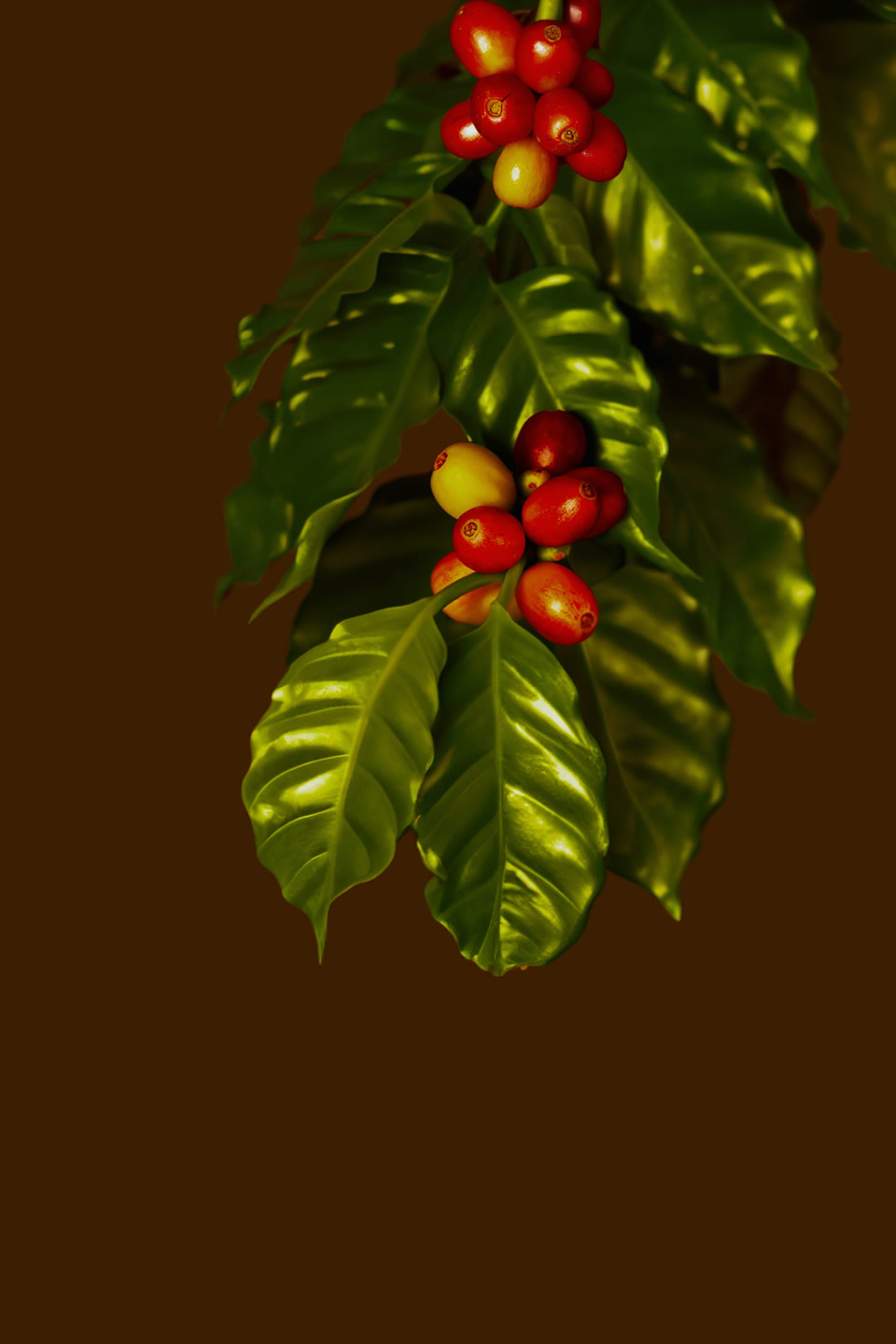
I'll be honest with you. I've drunk a lot of Ugandan coffee. I've cupped it, sourced it, described it to customers using words like "stone fruit" and "bright acidity" and "clean finish." I thought I understood it. I didn't. Not really. Not until I stood on the slopes of Mount Elgon at 2,000 metres, reached into a coffee tree, and pulled a ripe red cherry off the branch with my own hands while the farmer next to me laughed and said, "You see? This is where your morning starts."
That moment — that simple, unhurried moment in the cool highland air above eastern Uganda — rearranged something in the way I think about coffee. And it was only Day 5 of eleven.
Here's what the full journey looked like.
Day 1 Entebbe: Africa Greets You on the Shore of Lake Victoria
You land at Entebbe International Airport and the first thing you notice is the light — that thick, golden, equatorial afternoon light that sits differently on things than any light you've seen elsewhere. Your Ntungo Safaris guide meets you in arrivals, calm and unhurried, and drives you to your hotel on the shores of Lake Victoria.
Lake Victoria is Africa's largest lake. It's so large that from the shore it just looks like the sea — a silver-blue horizon with papyrus reeds and fishing canoes and the calls of African fish eagles carrying across the water. You sit on the hotel terrace with a cup of Ugandan Robusta (the beginning of a pattern), watch the sun go down over the lake, and feel the specific relief of having arrived somewhere that was absolutely worth the journey.
Dinner is at leisure. Get an early night. Tomorrow begins the education.
Days 2 & 3 Kampala: The Business Behind the Bean
Before you reach any farm, you spend two days in Kampala meeting the people who run Uganda's coffee sector at the commercial level — and this, unexpectedly, is one of the most valuable parts of the entire journey.
Day 2 is structured industry briefings: an overview of Uganda's position in the global coffee market, the distinction between its Arabica and Robusta production regions, quality grading systems, sustainability certifications, and the specialty market opportunities that Uganda is only beginning to tap. The conversations are frank and forward-looking. Uganda produces exceptional coffee. It is not yet paid like it does. Understanding why — and what is changing — gives everything that follows on the farms a sharper, more urgent context.
Day 3 shifts to exporters, warehouse visits, and freight forwarders. This is where the romance of coffee collides with the reality of global trade — shipping containers, transit times, moisture measurements, export documentation. If you're a buyer, an importer, or a roaster building direct-trade relationships, these sessions are worth the price of the entire journey on their own. The contacts you make here are genuine, long-term commercial partners.
Worth knowing: Uganda is Africa's largest coffee exporter. Most of that volume is Robusta heading to European blend markets. But the country's Arabica sector — smaller, higher-altitude, more complex — is where the specialty coffee world's attention is increasingly turning. These meetings help you understand exactly why.
Day 4 The Road to Sipi Falls: When the Coffee Landscape Appears
You leave Kampala after breakfast and drive east. For the first couple of hours the landscape is flat and agricultural — maize fields, banana groves, roadside markets selling tomatoes and sugarcane and live chickens. And then the road starts to climb.
Gradually, almost imperceptibly at first and then suddenly and dramatically, the landscape changes. The banana plantations thin out. The air cools. And the coffee trees appear — first scattered, then terraced, then dominating every hillside as far as you can see. By the time you're approaching Sipi Falls, you are deep in Uganda's Arabica heartland, and the trees are everywhere: dark-leaved, shade-grown, heavy with the red and yellow cherries of the harvest season.
Your lodge sits on the escarpment above the falls, looking out across the Karamoja plains that stretch east toward Kenya. The sunset is the kind that makes you understand why people use the phrase "Africa at its most beautiful" without embarrassment. You eat dinner on the veranda, the falls audible in the valley below, and feel like you've arrived somewhere genuinely remote and genuinely extraordinary.
Day 5 The Farm: Where the Story Actually Begins
This is the day that changes things.
You walk into a working Arabica plantation at 1,900 metres with a farmer named [name] who has been growing coffee on this hillside his entire life, as his father did before him. The trees are his age. Some of them are older. He picks a ripe cherry and hands it to you and you bite into it — sweet and faintly citrusy, with a slippery mucilage around the bean — and he watches your face and smiles.
He shows you how selective harvesting works: how his family moves through the trees picking only the perfectly ripe red cherries, leaving the green ones for another pass in ten days' time. He explains how the wet mill works — the pulping, the fermentation tank where the beans sit in water for 24 to 48 hours to develop their acidity, the washing channels, the raised drying beds where the parchment coffee dries slowly in the highland sun. Every step, done by hand, by his family, on this hillside.
"We don't think about the roaster. We think about the tree. If you treat the tree well, the tree gives you everything."
In the afternoon, the guided hike through Sipi Falls feels like a reward for the morning's work. The trail winds through coffee farms and volcanic caves and viewpoints that look out across one of the most dramatic landscapes in East Africa. Three separate waterfalls. A local guide who grew up climbing these paths. The sound of rushing water and birds and wind in the coffee trees. It is, by any measure, a spectacular afternoon.
Day 6 Crossing Uganda to Murchison Falls
Today is a travel day — a long, beautiful, endlessly interesting drive across Uganda's heartland from east to northwest. The road takes you through agricultural plains, across the Nile at Karuma Bridge (hippos visible in the river below if you're quick with your eyes), and into the flat savannah belt that surrounds Murchison Falls National Park.
Uganda is a country that rewards you through the windscreen. Every town has a story. Every roadside market tells you something about what grows in the soil around it. Your guide fills the hours with context — about the country's history, its farming communities, its wildlife corridors — and by the time you reach your lodge as the sun sets over the park's western boundary, you feel like you're beginning to understand Uganda in a way that a week in Kampala hotels never would have given you.
Day 7 Murchison Falls: Uganda's Wild Side
There are mornings in Africa that you simply never forget. The Murchison dawn game drive is one of them.
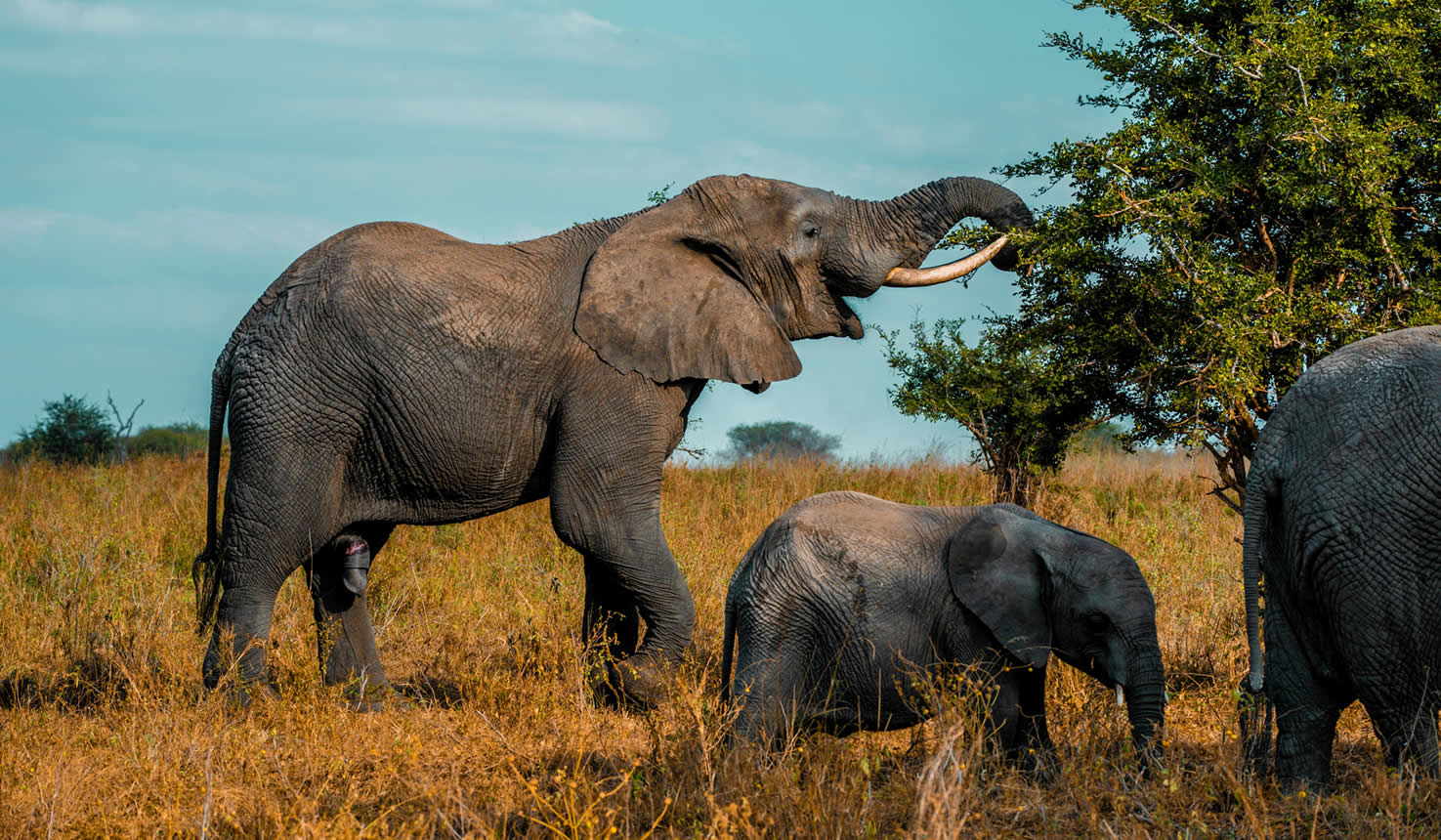
You leave the lodge before sunrise, the savannah still dark and cool, and within twenty minutes of the first grey light you have your first elephant sighting — a breeding herd of thirty or forty animals moving through the acacia woodland in the kind of unhurried, ancient procession that makes everything else feel very small and very recent. Later: Rothschild's giraffes grazing the treetops, Cape buffalo in massive herds, Uganda kob bounding across the grassland, and the distant, thrilling silhouette of a lion watching you from a termite mound.
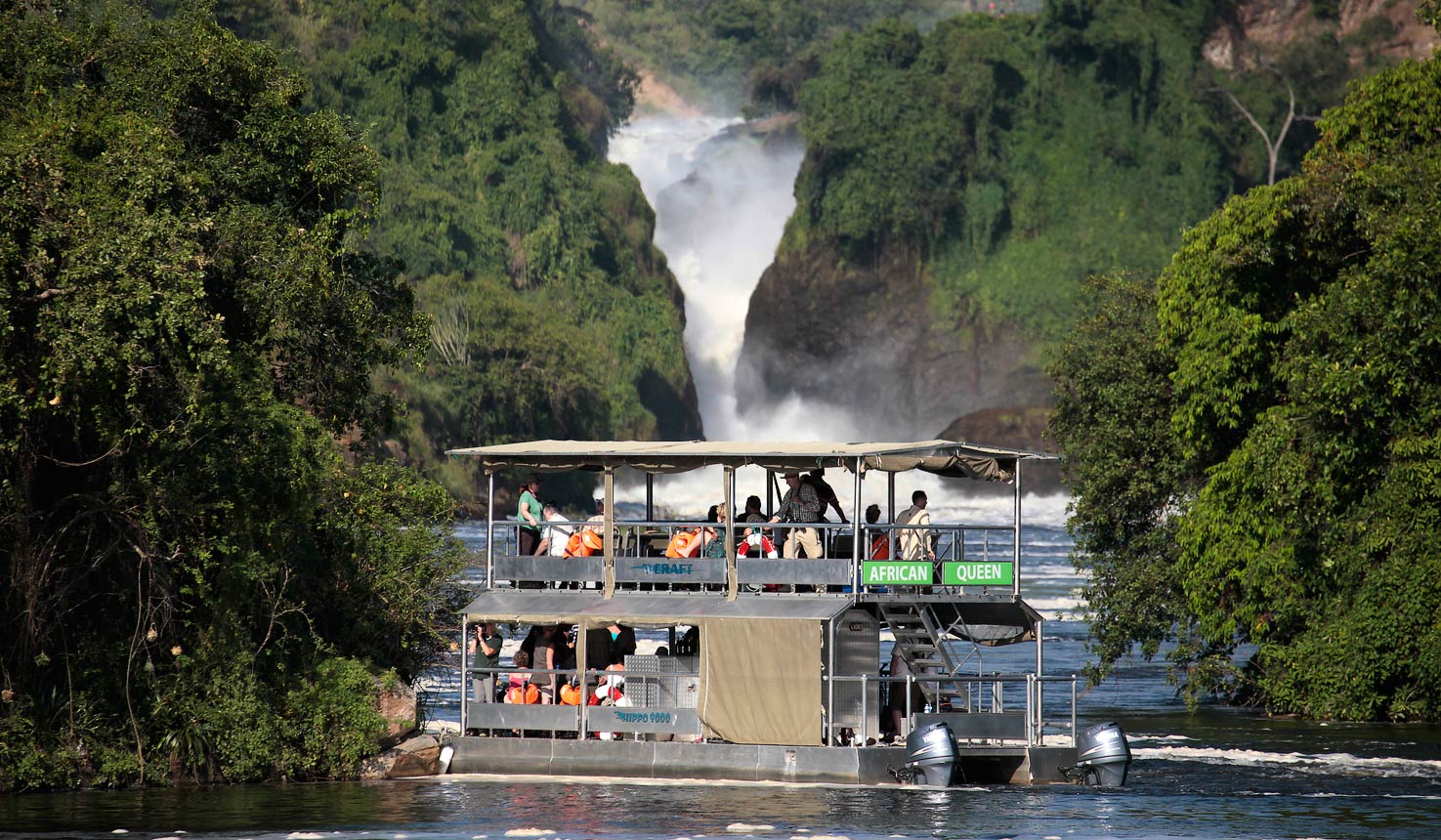
The afternoon boat cruise on the Victoria Nile is something else entirely. Drifting toward the base of Murchison Falls — where the entire Nile forces itself through a seven-metre gap with a roar you feel in your chest — you pass through a corridor of wildlife: hippos in enormous pods rolling and snorting around the boat, Nile crocodiles on every sandbank, elephants wading at the river's edge, and a procession of extraordinary birds — pied kingfishers, African fish eagles, goliath herons, carmine bee-eaters — working the water around you.
It is, in a word, overwhelming. In the best possible sense.
Day 8 Into the Sky: The Domestic Flight to Bwindi
After one more morning game drive, a small aircraft lifts you off a grass airstrip inside Murchison Falls National Park and carries you south across Uganda in under an hour. From the window, the country unrolls below you like a map: the Nile glinting silver, lakes scattered like mirrors across the plateau, tea estates combed into geometric green, and eventually — on the horizon — the extraordinary dark green bulk of Bwindi's ancient forest appearing against the sky.
You land at Kihihi Airstrip and transfer to your lodge in the Bwindi area, where the forest is close enough to hear at night: insects, tree frogs, the occasional call of something you can't identify. The rangers brief you over dinner on what tomorrow holds. You go to bed early, slightly nervous in the best possible way.
Day 9 Bwindi: The Hour That Changes Everything
I'm going to try to describe the gorilla trek, knowing that I'm going to fall short.
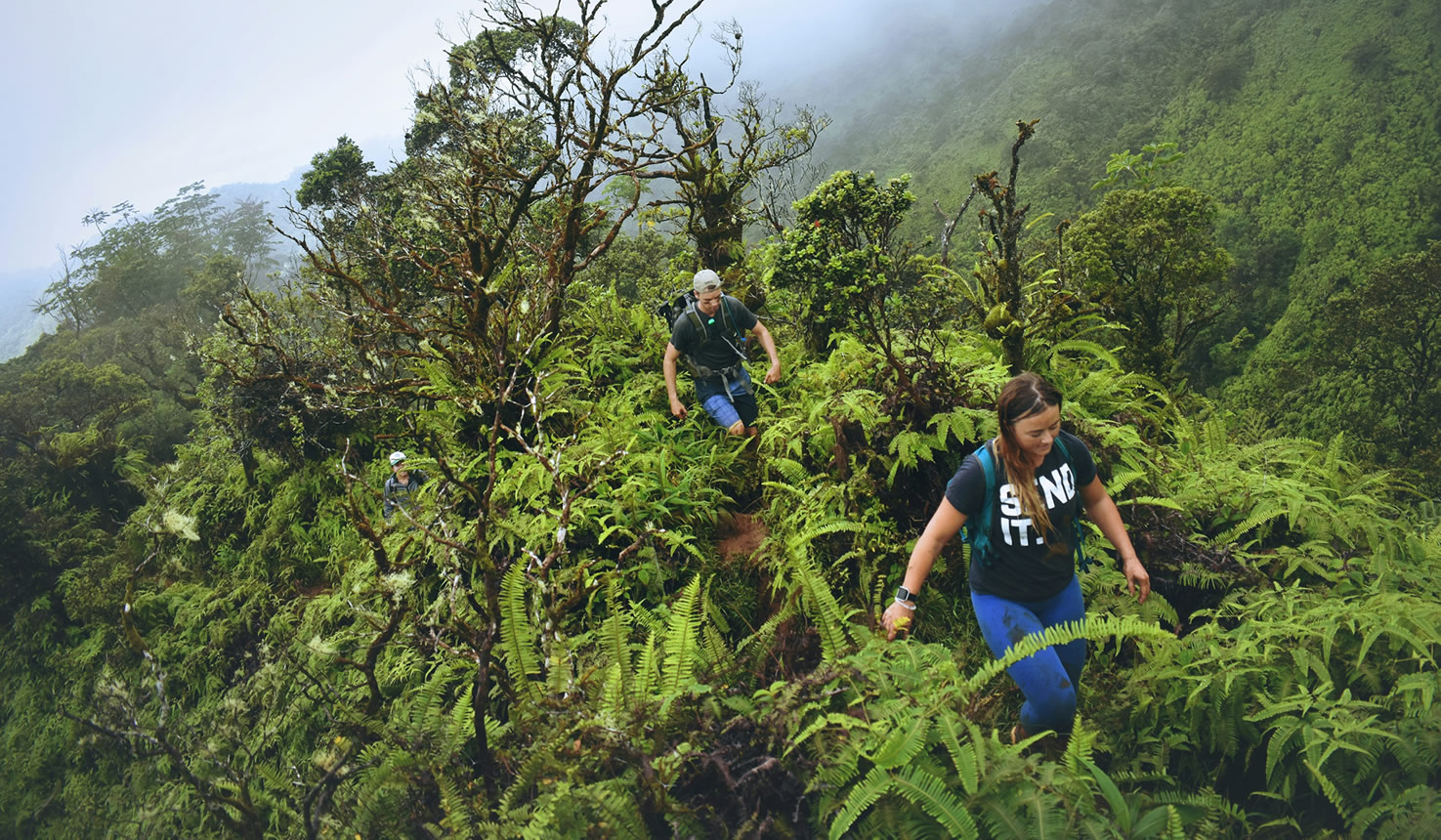
You enter Bwindi Impenetrable Forest before dawn with a Uganda Wildlife Authority ranger and a tracker who has spent years learning to read this forest like a text. The terrain is steep and dense and beautiful — ancient trees draped in moss, the forest floor a tangle of roots and ferns and fallen branches. You hear the forest before you see much of it: the drip of overnight rain, the call of a hornbill somewhere in the canopy, the creak of something large shifting its weight in the undergrowth ahead.
And then you find them.
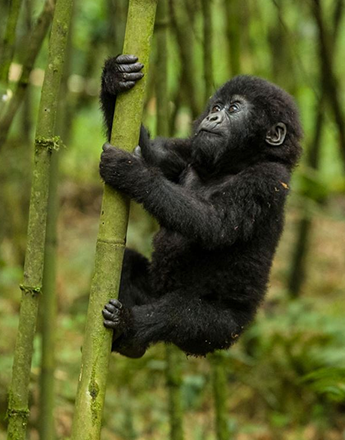
A silverback, perhaps 200 kilograms, sitting in a clearing eating celery stalks with a kind of delicate, unhurried concentration that is almost comical given his size. Around him: females grooming, juveniles chasing each other through the low branches, an infant clinging to its mother's back and staring at you with enormous dark eyes that hold something very close to recognition.
You have one hour. It passes in about four minutes, subjectively. When the ranger says time is up and you turn to leave, you don't talk. Nobody does. Not for a while.
The afternoon visit to Ride 4 A Woman — a community initiative supporting local women through skills training and tourism — brings you back to earth in the warmest possible way. The women who host you have a kind of grounded, generous warmth that feels like the other side of the same Uganda coin: wild and human, ancient and alive, all at once.
Days 10 & 11 The Return: When the Cup Finally Makes Sense
The drive back to Kampala through southwestern Uganda's rolling hills and tea estates gives you time to process everything. And the final morning — a professional coffee cupping session with experienced Ugandan quality analysts — brings it all full circle.
You sit in front of a flight of Ugandan Arabica coffees from different farms and altitudes and processing methods, and you cup them the way you've cupped hundreds of coffees before. Except this time, every descriptor carries a face. The "stone fruit" note is the farmer on the hillside above Sipi. The "clean finish" is those raised drying beds in the afternoon sun. The "bright acidity" is exactly what the fermentation tank looked like when you peered into it on Day 5.
That's what this journey gives you that no amount of cupping data can: the full story, from the tree to the cup. And once you have it, you can't unknow it. Nor would you want to.
Ready to Experience Uganda's Arabica for Yourself?
The 11-Day Arabica Coffee Origin & Gorilla Safari runs year-round, tailored to your dates and group. Designed for coffee buyers, roasters, importers, and serious enthusiasts.Plan Your Journey →
Where to Visit
-

Karibu KiliFair Experience
0 comments -
Nyungwe Forest National Park Rwanda
1 comments -
Ngorongoro Crater Tanzania
0 comments -
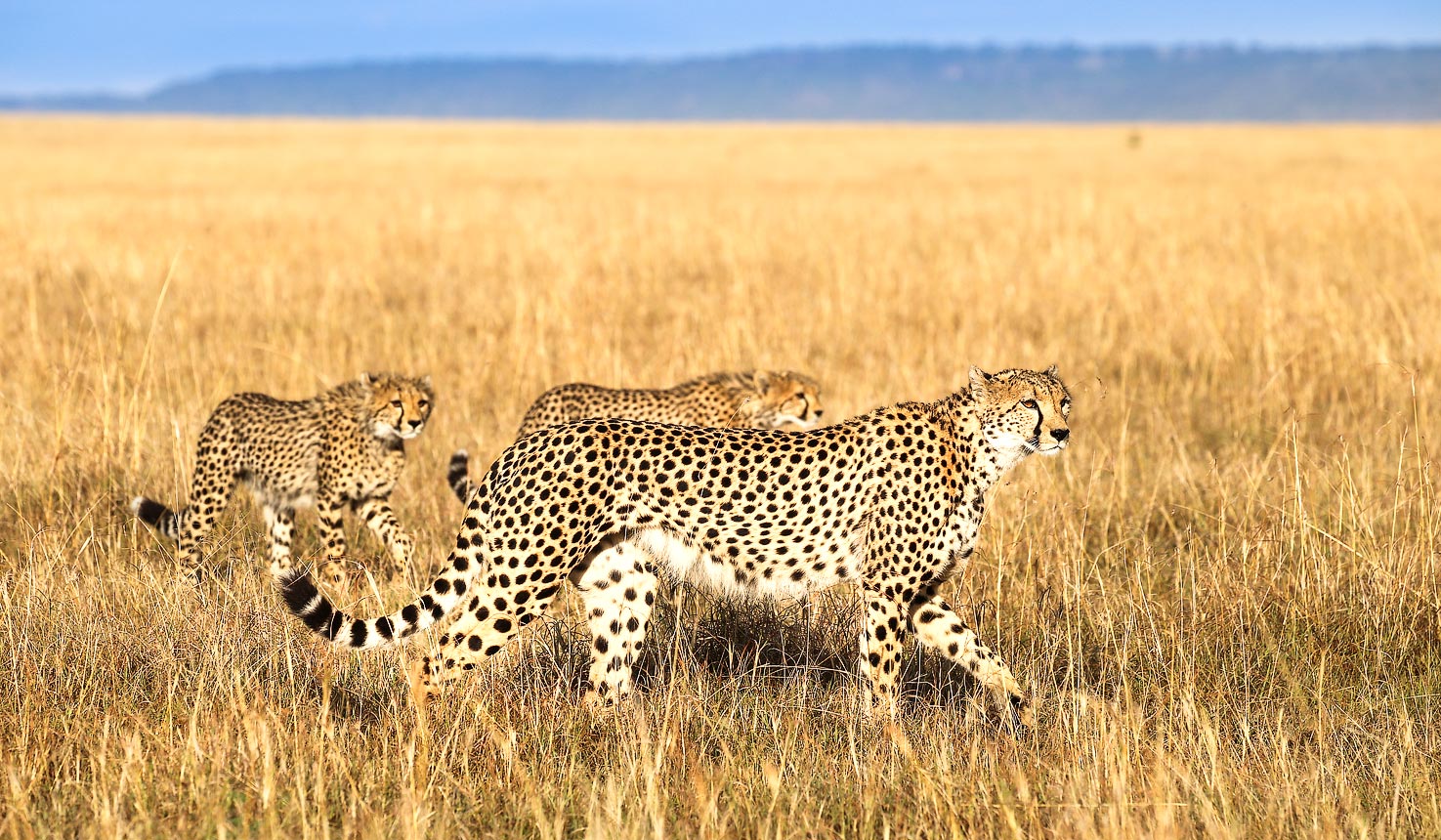
Serengeti National Park Tanzania
0 comments -

Mombasa
0 comments -
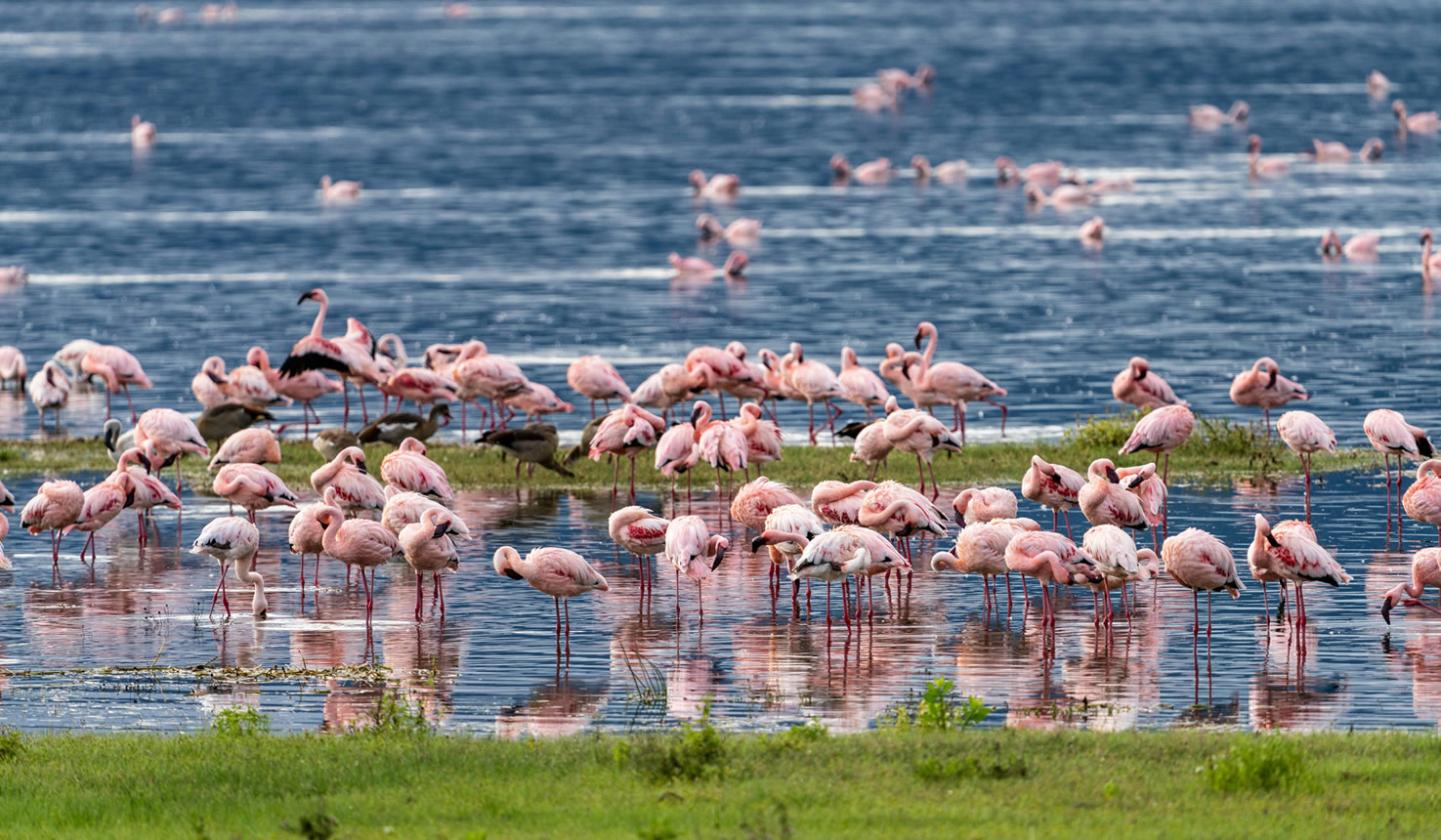
Lake Nakuru National Park
0 comments -
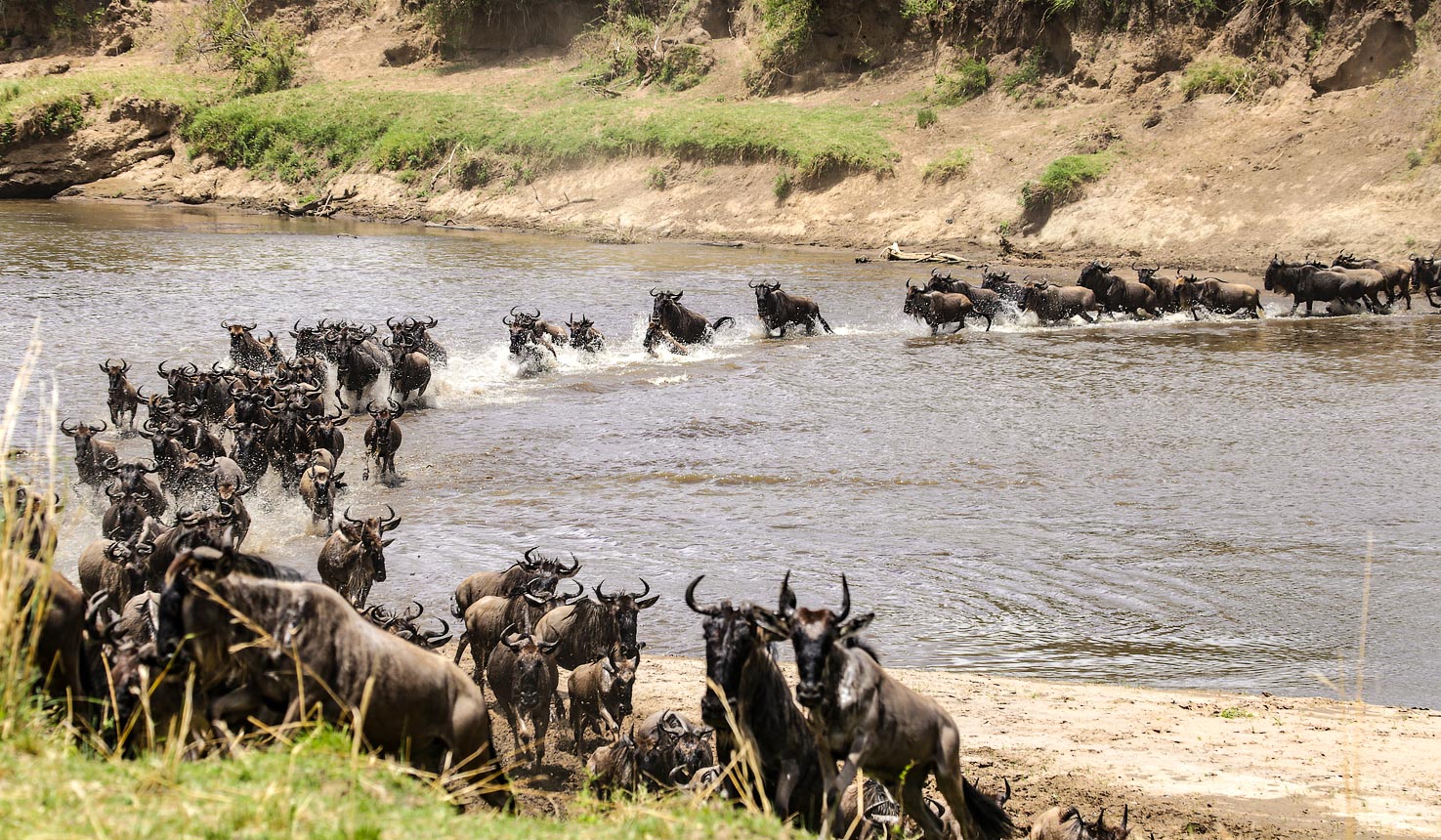
Masai Mara Safari Kenya
0 comments -
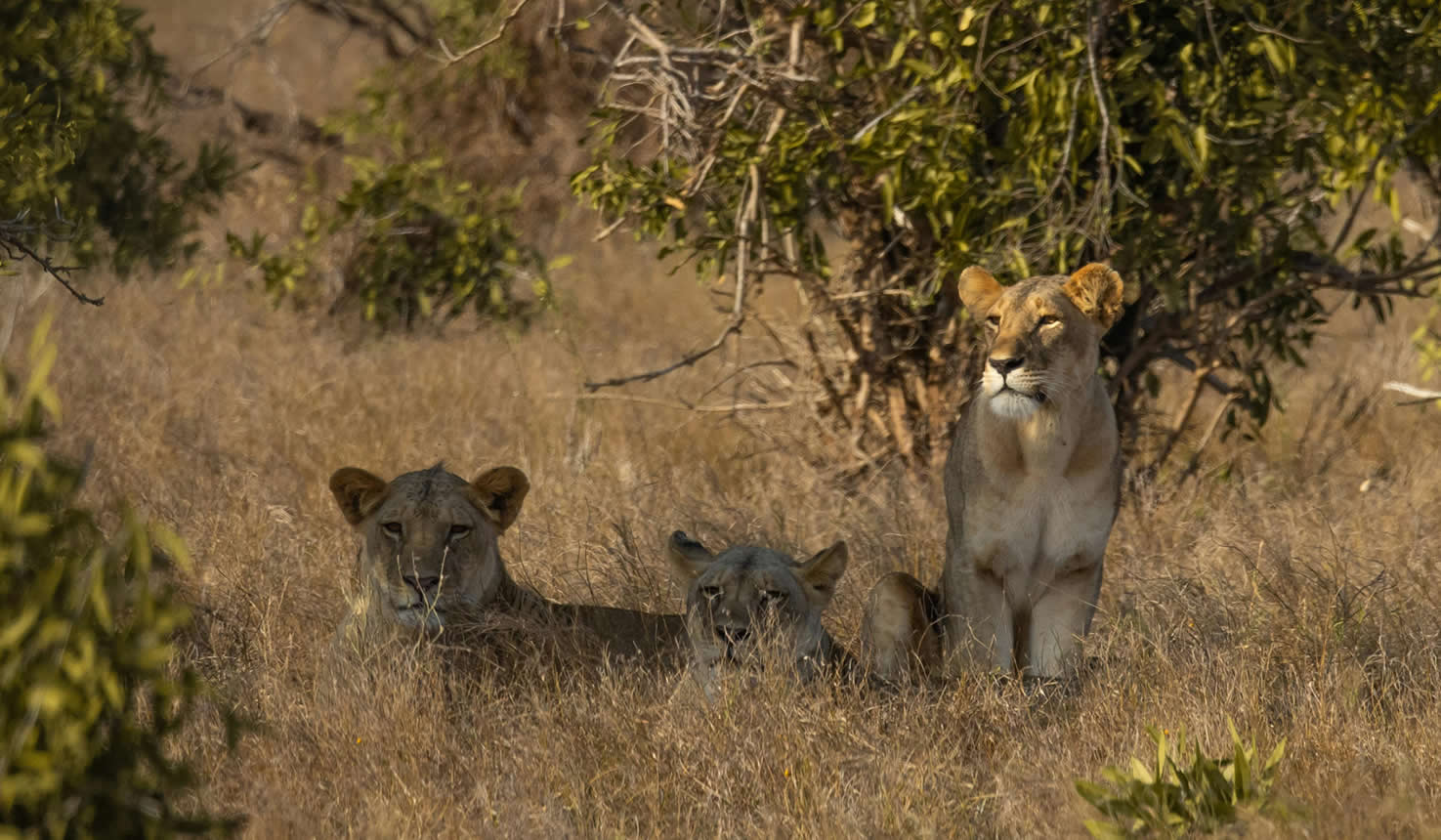
Kidepo Valley National Park
0 comments -
Bwindi Impenetrable National Park
0 comments -
Murchison Falls National Park
1 comments -
Lake Mburo national park
0 comments -
Akagera National Park
0 comments -
Queen Elizabeth National Park
1 comments