
Uganda is developing a series of coffee tourism routes that connect visitors with the country's agricultural heritage, highland landscapes and growing role in global specialty coffee production. Timed to align with international coffee promotion calendars and the Uganda Coffee Development Authority's ongoing tourism push, the initiative presents curated travel experiences across the country's key coffee-producing regions.
Coffee is central to Uganda's identity and economy. With a history dating back over a century, coffee has become deeply entrenched in the fabric of Ugandan society, shaping its economy, culture, and global reputation. It all began with wild Robusta, which grew natively throughout the shores of Lake Victoria and was domesticated by the Baganda people, who cultivated it in their household gardens, where it held significance for traditional ceremonies and as a symbol of friendship and hospitality.
Uganda is Africa's leading coffee exporter and among the world's top producers, with cultivation spread across five growing regions at elevations ranging from 900 to 2,300 metres above sea level. The country exports over six million bags of coffee annually, farmed by approximately 1.7 million smallholders whose average farm size is just 0.18 hectares. In the financial year 2023/24, Uganda's coffee subsector reached a pivotal milestone, earning a record-breaking USD 1.14 billion in export revenue.
This agricultural base is now supporting the development of tourism routes designed to connect visitors with the full coffee value chain. Farms, cooperative facilities and highland communities are opening to travellers, offering experiences that range from plantation walks and tastings to cultural performances and regional cuisine.
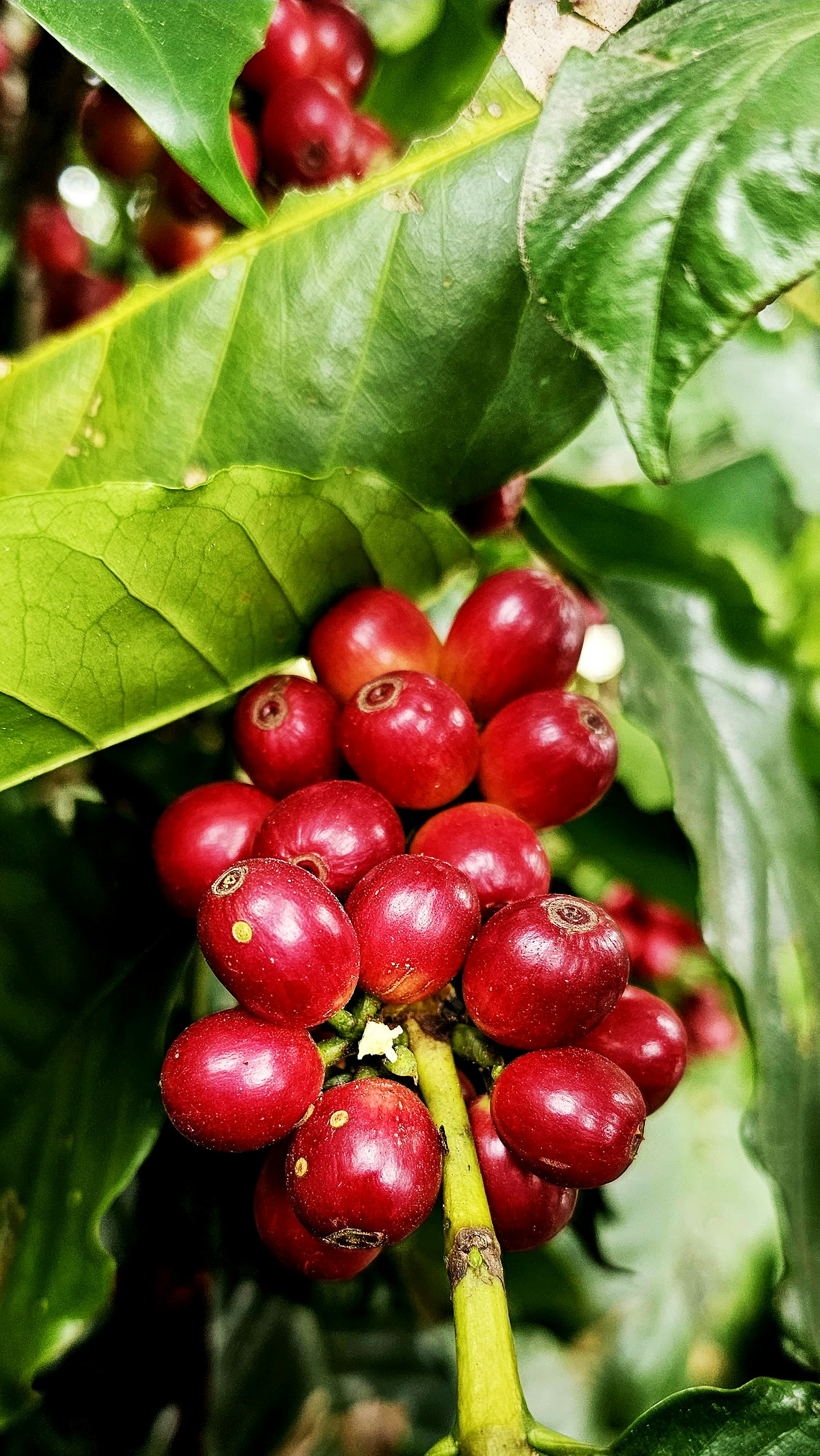

The Mount Elgon and Sipi Falls Coffee Route, in eastern Uganda, is the country's most established coffee tourism destination. The volcanic fertile soil surrounding Mount Elgon offers well-shaded coffee farms at altitudes of 1,300 to 2,300 metres above sea level, producing Arabica coffees marketed as Bugisu — known for their fruity, winey notes and East African tropical fruit aftertaste. Tours are organised through guides with knowledge of coffee farming, processing and roasting, offering visitors a masterclass experience: from nursery beds to mature coffee trees, through harvesting, pulping, drying, pounding, winnowing, roasting and final brewing. Visitors to the area also encounter the warm hospitality of the Sabiny people, with evenings often featuring cultural performances by local dancers.
The Rwenzori Mountains Coffee Route, in western Uganda, centres on high-altitude Arabica cultivation along the slopes of the "Mountains of the Moon." The Rwenzoris rise dramatically along the border with the Democratic Republic of Congo, yielding exceptional Arabica coffee — also known as Drugar, or Dried Uganda Arabica — that is sun-dried by farmers to produce a sweet, fruity and aromatic cup. A focal point of the route is the Bukonzo Joint Cooperative Union, a community-driven cooperative that empowers local farmers and produces exceptional Arabica coffee, with tours covering facilities from coffee nurseries to processing stations and offering insights into sustainable farming practices.
The Buganda Robusta Route, in central Uganda, traces the origins of Uganda's coffee heritage. Robusta coffee grew natively across this region for centuries before gaining commercial value, cultivated in household gardens and used in cultural ceremonies long before the crop entered global trade. Routes through the Buganda region pass through Robusta-growing areas and beneath the dense canopy of Mabira Forest, connecting visitors with the story of Uganda's original coffee culture. The circuit provides insight into how Robusta underpins Uganda's export economy, with bold, earthy beans forming the backbone of international blends.
The Western Wildlife and Coffee Circuit, encompassing communities surrounding Bwindi Impenetrable National Park, Queen Elizabeth National Park and Kibale National Park, presents a model that integrates coffee tourism with wildlife and nature experiences. Tours in these regions offer a unique blend of nature and culture, allowing visitors to learn about Robusta farming and interact with small-scale farmers in communities adjacent to Uganda's most celebrated national parks. Stays on community farms and visits to processing stations are combined with guided forest walks, connecting agricultural and ecological heritage in a single itinerary.
The Ntungamo Coffee Park Route, in southwestern Uganda, represents a newer phase of Uganda's coffee ambitions. Located on a sprawling 150-acre estate, the Africa Coffee Park houses state-of-the-art wet and dry mills, a roastery, as well as spray-dry and freeze-dry plants, producing not just roasted coffee but also instant coffee, coffee energy drinks and coffee-based beauty products. Inspired by the growth of coffee tourism globally, the park is developing a comprehensive tourism programme that will showcase Uganda's rich coffee culture while offering visitors access to Lake Nyabihoko and the Coffee Beach Resort. The park also includes a coffee academy and is positioned as a model for Uganda's broader industrial development goals.
The Jinja and Source of the Nile Coffee Experience, in eastern Uganda, connects coffee culture with the country's most iconic geographic landmark. Jinja is not only known as the adventure capital of Uganda but also for its burgeoning coffee scene, with coffee cooperatives and roasteries offering visitors the chance to witness the bean-to-cup journey firsthand. The route links coffee market visits and specialty café culture with boat cruises on the Nile, situating Uganda's coffee story within a broader landscape of natural spectacle and urban energy.
Across all routes, tourism is positioned as a means to connect agricultural production with cultural heritage and regional development. Uganda's overarching tourism theme — "From Bean to Beauty: Experience Uganda" — celebrates the harmony between the country's coffee heritage, cultural richness and adventure tourism, reflecting an ambition to be seen not merely as a raw commodity exporter but as a destination where the full story of coffee can be experienced firsthand.
Uganda has a 15-year Coffee Roadmap programme, implemented by the Uganda Coffee Development Authority, with the goal of increasing production to 20 million bags by 2030 and tripling the income for producers. Coffee tourism is increasingly viewed as integral to that vision — connecting landscapes, livelihoods and the communities whose knowledge and labour have shaped one of Africa's most remarkable coffee cultures.
Where to Visit
-

Karibu KiliFair Experience
0 comments -
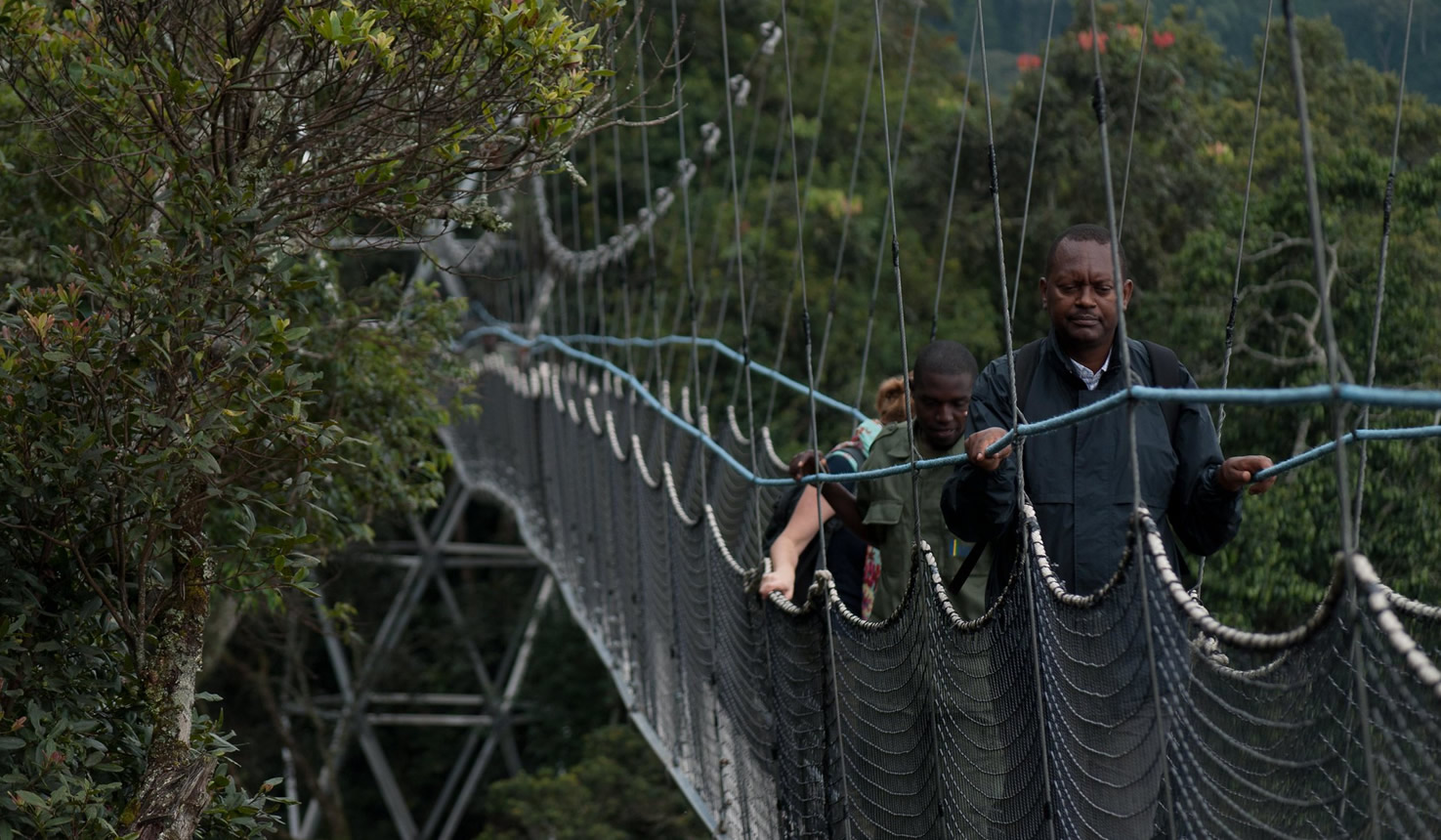
Nyungwe Forest National Park Rwanda
1 comments -
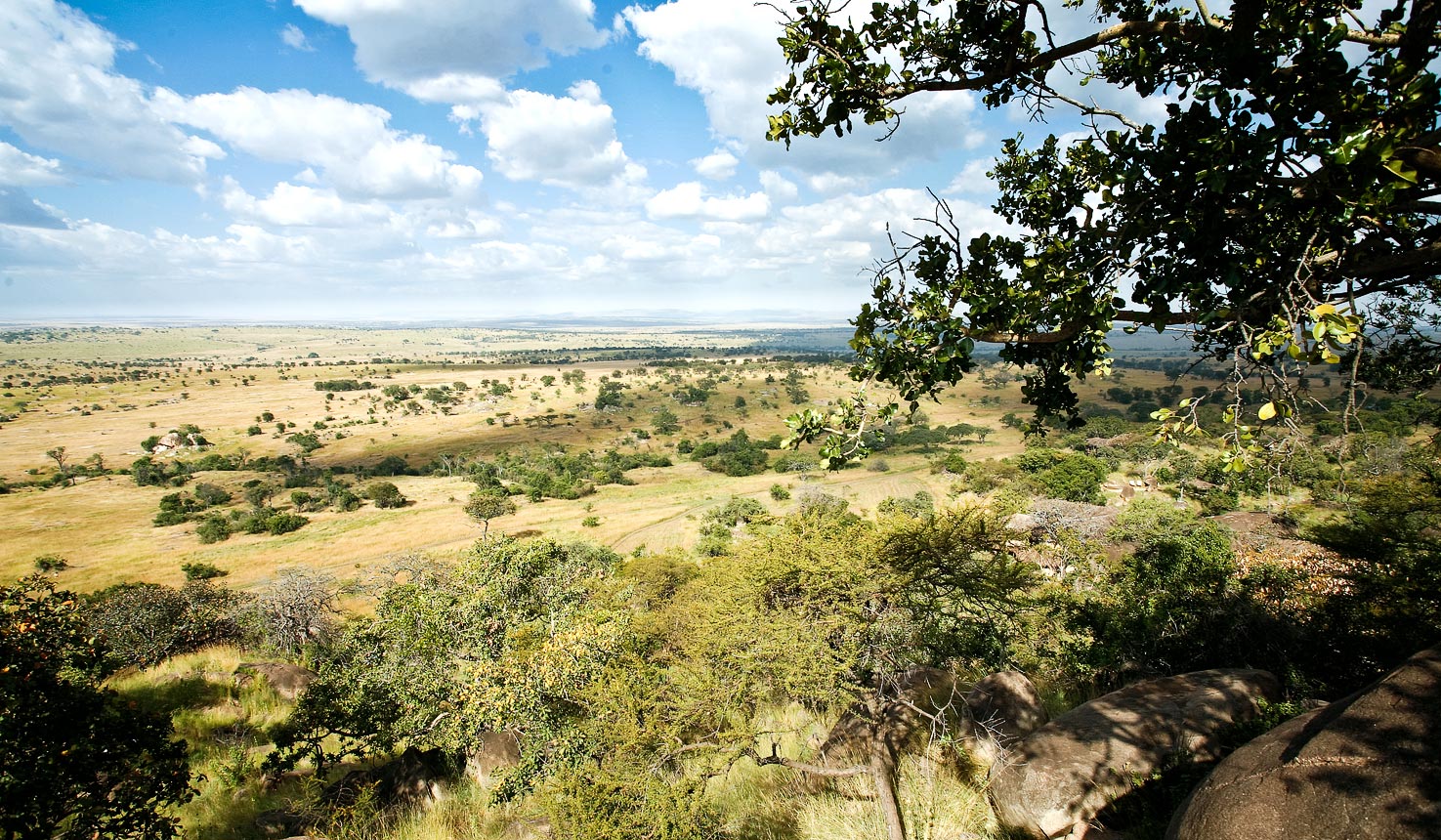
Ngorongoro Crater Tanzania
0 comments -
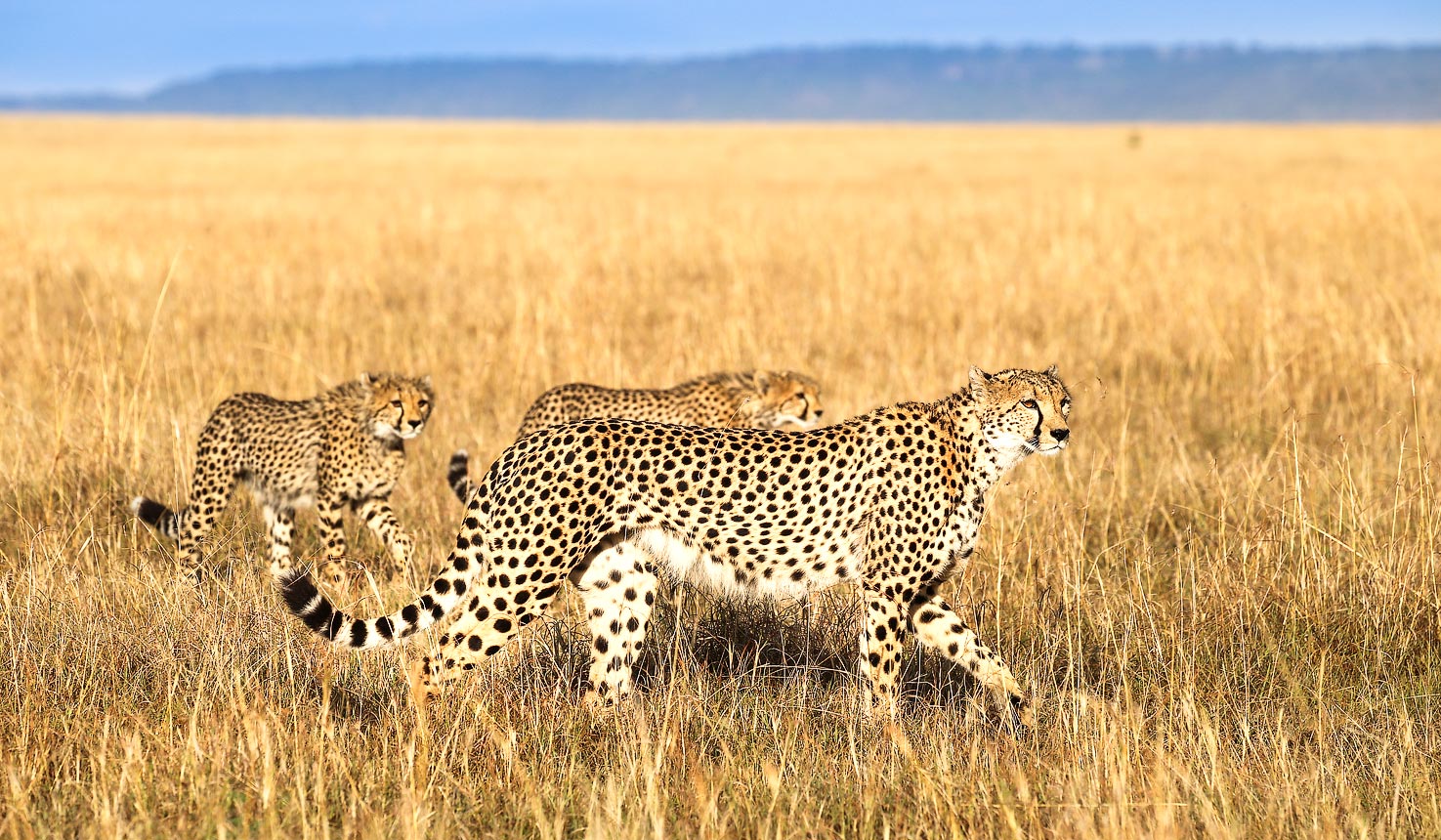
Serengeti National Park Tanzania
0 comments -

Mombasa
0 comments -
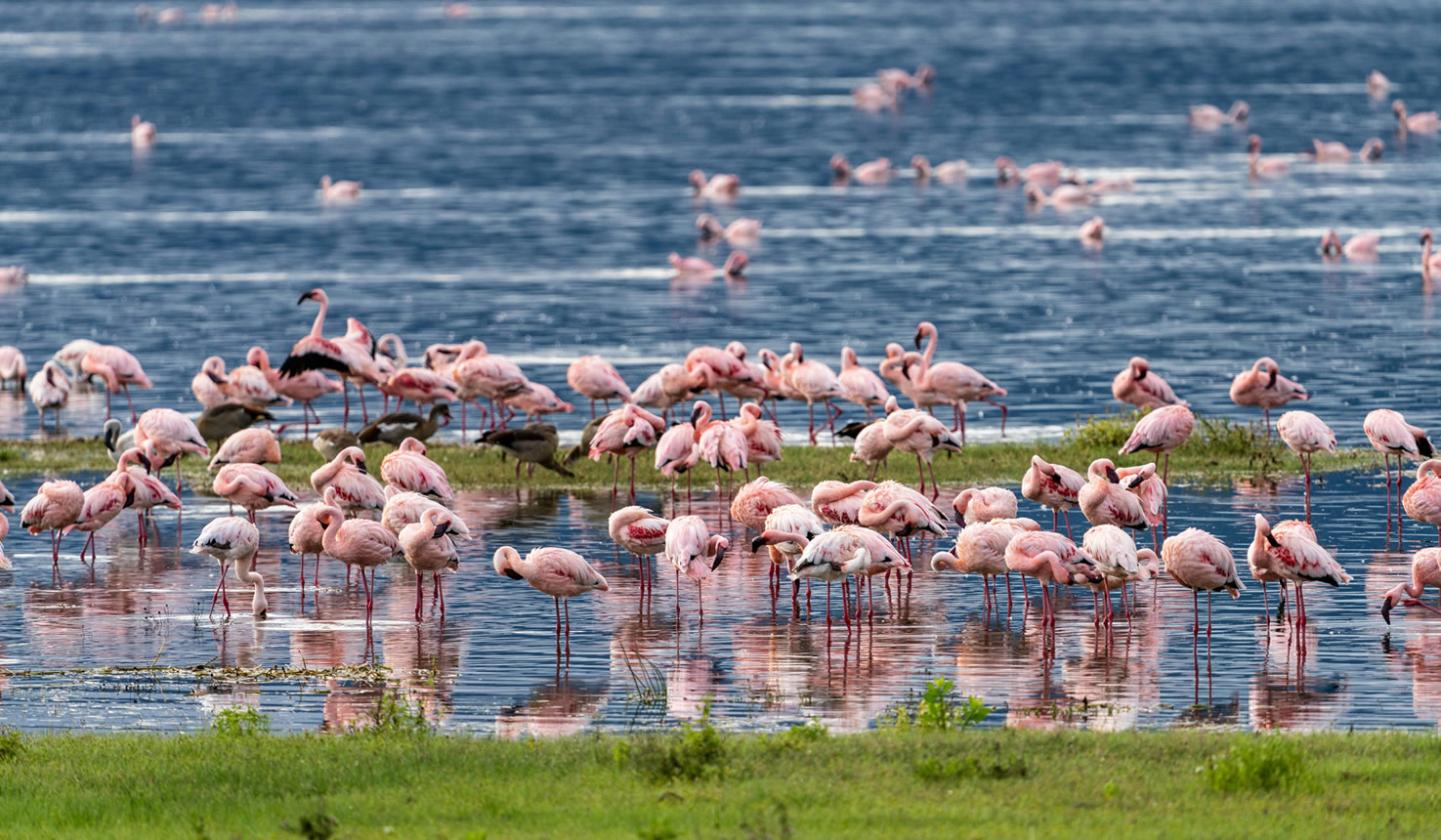
Lake Nakuru National Park
0 comments -
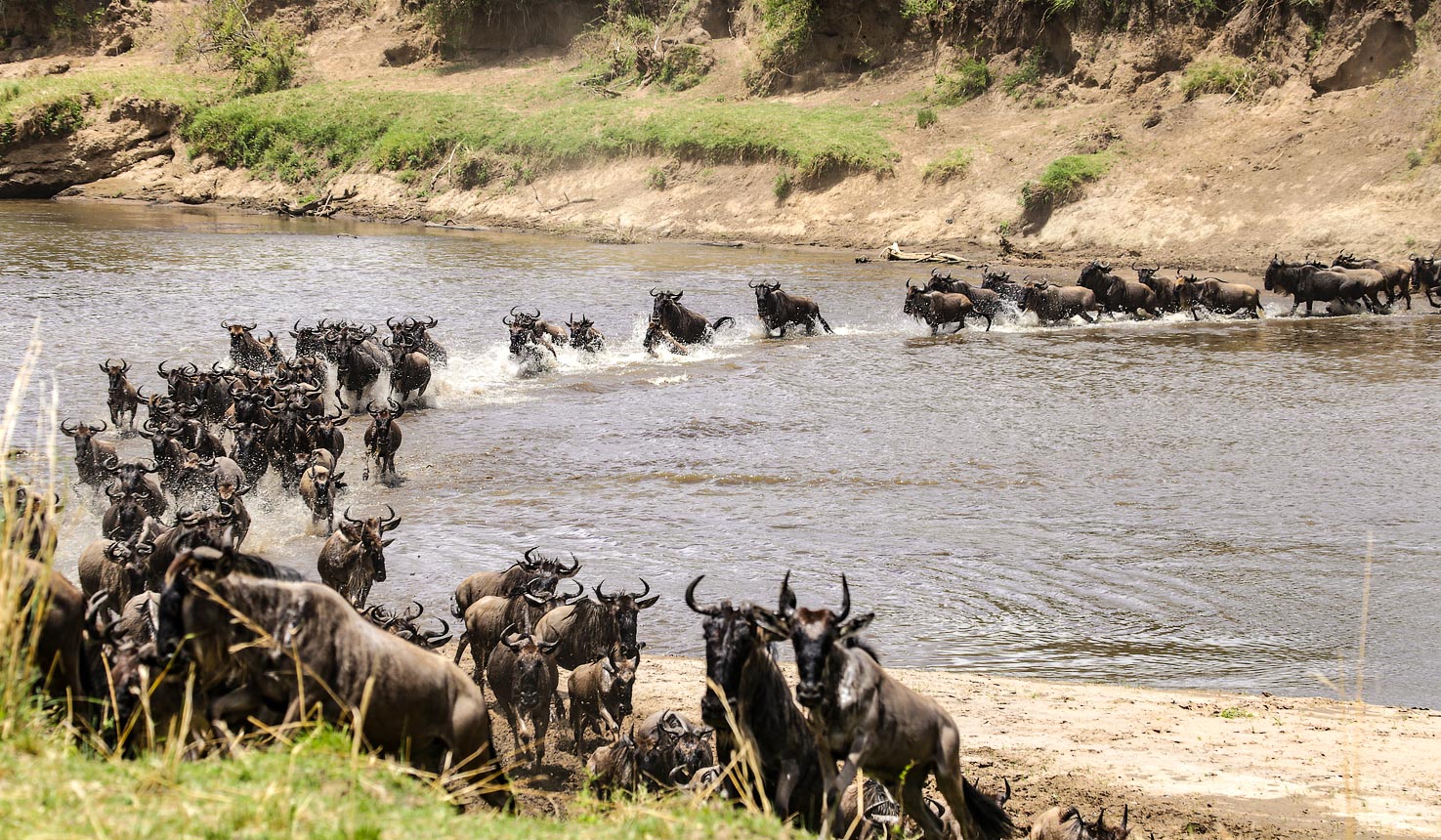
Masai Mara Safari Kenya
0 comments -
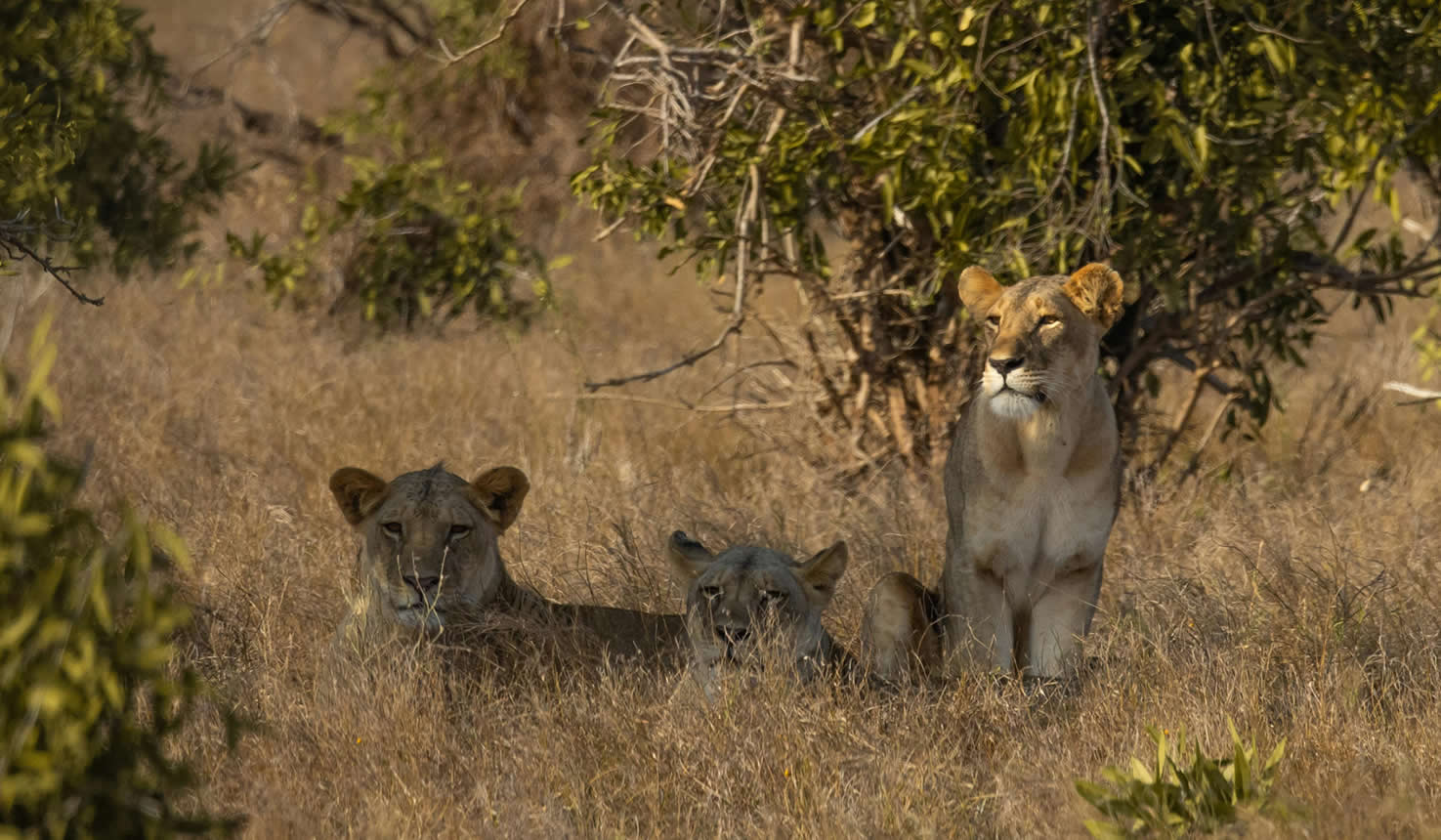
Kidepo Valley National Park
0 comments -
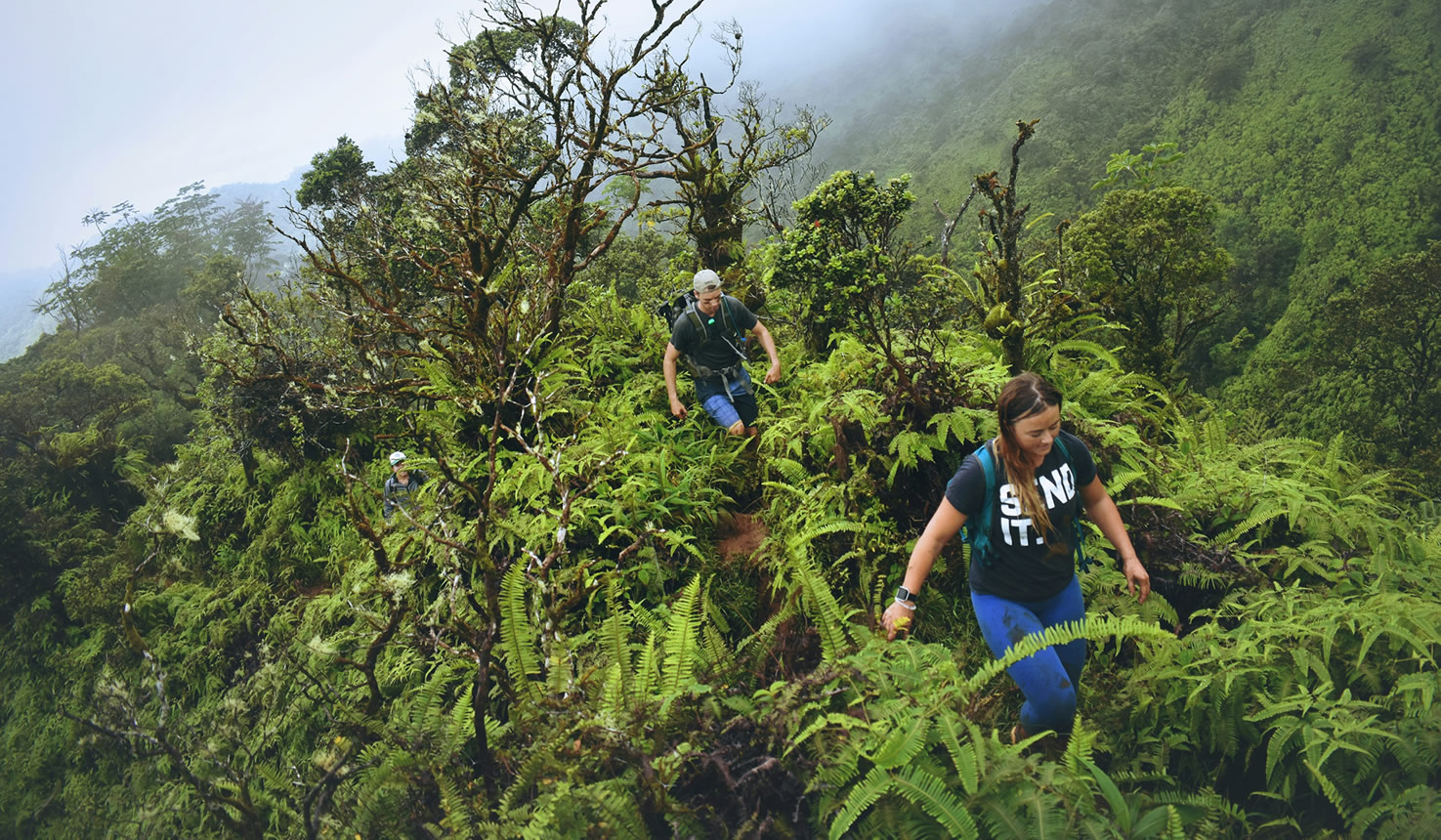
Bwindi Impenetrable National Park
0 comments -
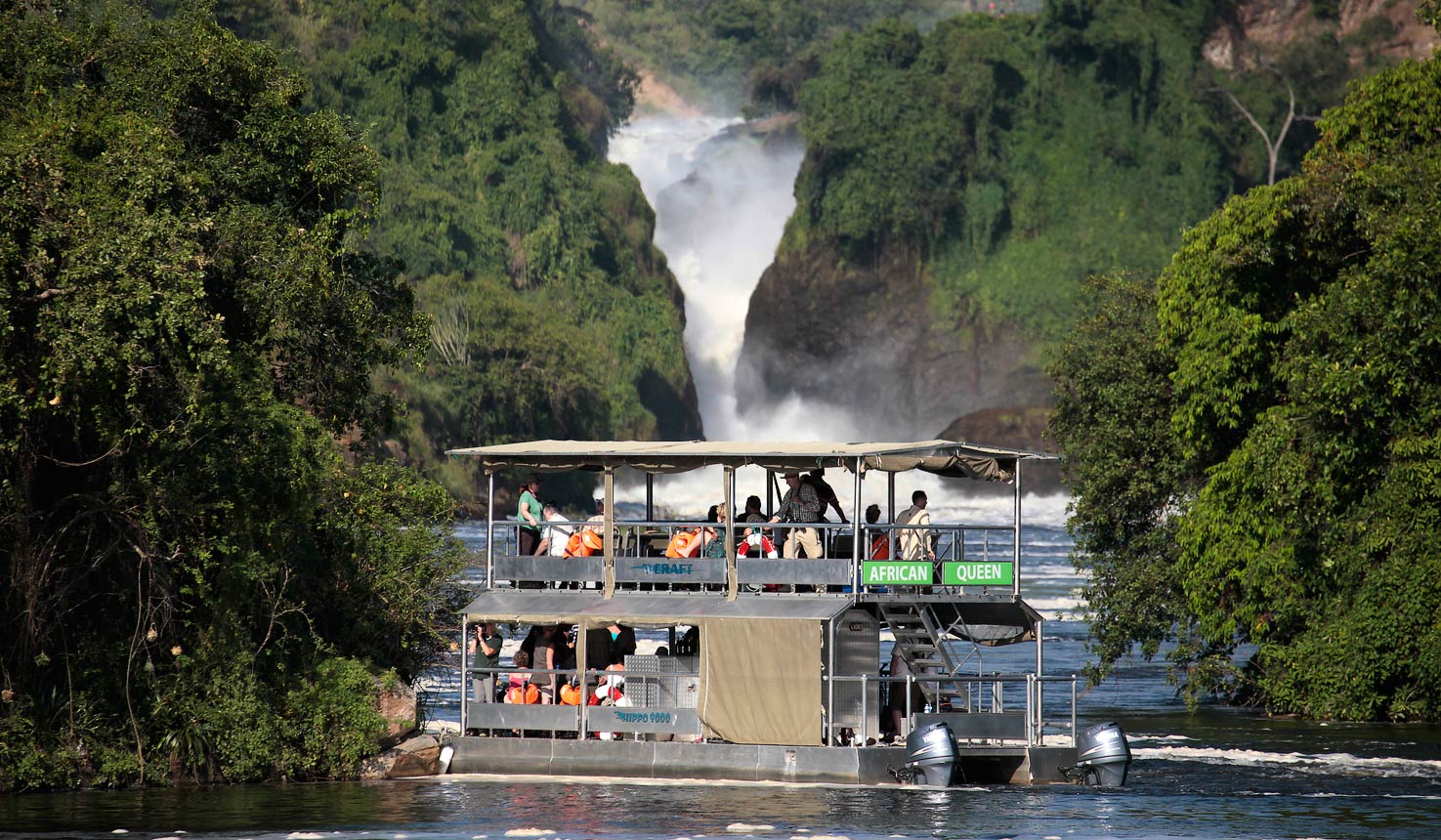
Murchison Falls National Park
1 comments -

Lake Mburo national park
0 comments -
Akagera National Park
0 comments -
Queen Elizabeth National Park
1 comments