
Deep within the ancient forests of southwestern Uganda, mist hangs between towering trees while the sounds of the rainforest surround you. Somewhere beyond the vegetation, a mountain gorilla moves silently through the forest.
Your guide stops.
The trackers look ahead.
You take another step.
And suddenly, through the leaves, you see him.
A magnificent silverback sits peacefully in the forest.
For a moment, everything else disappears.
This is the magic of a gorilla trekking safari in Uganda.
It is not simply about seeing a rare animal. It is about entering an ancient ecosystem, walking through some of Africa's most beautiful landscapes, meeting a wild family of mountain gorillas, and experiencing a connection with nature that few journeys can offer.
Uganda is one of only three countries where travelers can trek mountain gorillas. The country's gorillas live in Bwindi Impenetrable National Park and Mgahinga Gorilla National Park, and Uganda is home to more than half of the world's mountain gorilla population.
For discerning international travelers, Uganda offers the opportunity to combine this extraordinary primate encounter with luxury accommodation, private transportation, expert guides, wildlife safaris, cultural experiences, and beautifully designed tailor-made itineraries.
Your journey can begin in Entebbe.
It can continue through the forests of Kibale, the savannahs of Queen Elizabeth National Park, the hills of southwestern Uganda, and finally into the misty mountains of Bwindi.
Then comes the trek.
And the gorillas.
Why Go Gorilla Trekking in Uganda?
There are wildlife encounters, and then there are encounters that become lifelong memories.
Gorilla trekking belongs firmly in the second category.
Uganda's mountain gorillas live in high-altitude forests where ancient trees, dense vegetation, bamboo, vines, ferns, and mist create an extraordinary environment.
The experience is intimate.
You do not watch gorillas from a vehicle.
You walk.
You listen.
You follow the forest trails.
And eventually, you meet them.
Uganda Wildlife Authority states that gorilla trekking takes place in Bwindi Impenetrable National Park and Mgahinga Gorilla National Park. Treks can last approximately two to seven hours depending on where the gorilla family is located, with one hour allowed for viewing a habituated family under the standard trekking experience.
That uncertainty is part of the adventure.
You never know exactly where the gorillas will be.
You may walk for an hour.
You may walk for several hours.
You may climb a steep forest slope.
You may cross muddy ground.
Then suddenly your ranger whispers:
"They are here."
Bwindi Impenetrable National Park
Bwindi is Uganda's most famous gorilla trekking destination.
The ancient rainforest is one of Africa's most extraordinary ecosystems and is home to roughly half of the world's mountain gorilla population, according to Uganda Wildlife Authority.
The name itself captures the character of the forest.
Bwindi means "place of darkness."
As you enter the forest, sunlight becomes filtered through an enormous canopy.
The vegetation is dense.
The air feels cool and fresh.
Birdsong echoes through the trees.
The forest floor is alive with ferns, vines, roots, moss, and fallen leaves.
Then somewhere in the distance comes a sound you have been waiting for.
A gorilla call.
Your guide pauses.
The trackers move ahead.
The excitement grows.
Bwindi is divided into several major gorilla trekking sectors:
- Buhoma
- Ruhija
- Rushaga
- Nkuringo
Each sector has its own character, accommodation options, landscapes, and habituated gorilla families.
Choosing the right sector is therefore an important part of planning a luxury gorilla safari.
Buhoma Gorilla Trekking
Buhoma is one of Bwindi's best-known trekking areas and has a long history of gorilla tourism.
The landscape around Buhoma is spectacular.
Steep forested hills surround the community, while trails disappear into the ancient rainforest.
For travelers who want to combine gorilla trekking with cultural experiences, nature walks, community encounters, and comfortable forest lodges, Buhoma is an excellent choice.
The area can also work beautifully within a broader itinerary through Queen Elizabeth National Park.
Travelers arriving from the Ishasha sector can experience the contrast between savannah wildlife and the rainforest of Bwindi.
One day you may be searching for elephants and tree-climbing lions.
The next morning, you may be standing beneath ancient trees watching a silverback.
That contrast is one of the great pleasures of a Ugandan safari.
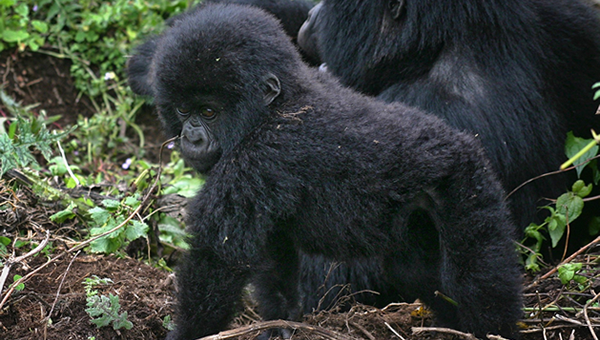
Ruhija Gorilla Trekking
Ruhija lies on the eastern side of Bwindi.
The sector is surrounded by beautiful highland scenery and forested hills.
It is particularly attractive to travelers who want to combine gorilla trekking with birdwatching and scenic drives through southwestern Uganda.
The journey toward Ruhija can itself be spectacular.
Rolling hills rise into the distance.
Small farms cover the slopes.
Villages appear along winding roads.
And eventually, the forest takes over.
For a luxury itinerary, Ruhija can be paired with carefully selected accommodation and private transportation, creating a peaceful and exclusive experience before and after the trek.
Rushaga Gorilla Trekking
Rushaga is located in southern Bwindi.
It is an important trekking area and is also associated with Uganda's chimpanzee and gorilla conservation tourism experiences in the wider region.
Rushaga can be particularly appealing for travelers interested in the Gorilla Habituation Experience, subject to availability and current park arrangements.
This experience provides an opportunity for a longer encounter with gorillas that are undergoing habituation.
For photographers, wildlife enthusiasts, and repeat safari travelers, the additional time can provide a deeper appreciation of gorilla behavior.
Nkuringo Gorilla Trekking
Nkuringo offers one of the most dramatic landscapes in the Bwindi region.
The area sits among steep hills and high-altitude landscapes overlooking the forest.
The scenery is extraordinary.
On clear mornings, the Virunga Volcanoes can rise dramatically on the horizon.
Nkuringo is an excellent choice for travelers who appreciate beautiful scenery, boutique accommodation, privacy, and a more adventurous atmosphere.
The terrain can also be demanding.
That makes good preparation and a suitable level of fitness particularly important.
Mgahinga Gorilla National Park
Bwindi is not the only place to experience gorilla trekking in Uganda.
There is also Mgahinga Gorilla National Park.
Located in the Virunga Mountains, Mgahinga offers a very different visual experience.
The landscape is dominated by dramatic volcanic peaks and high-altitude forests.
The park forms part of the wider Virunga ecosystem shared by Uganda, Rwanda, and the Democratic Republic of Congo.
For travelers looking for dramatic mountain scenery alongside gorilla trekking, Mgahinga can be an exceptional choice.
Uganda Wildlife Authority notes that Mgahinga provides an alternative to the denser jungles of Bwindi.
The park can also be combined with volcano hiking and other experiences in the Kisoro region.
What Is Gorilla Trekking?
Gorilla trekking is a guided wildlife experience in which visitors walk through the forest in search of a habituated mountain gorilla family.
Before the trek begins, you receive a briefing from Uganda Wildlife Authority staff.
Your ranger explains the rules.
Your guide prepares you for the forest.
Trackers move ahead to locate the gorillas.
Then your trek begins.
You follow forest paths.
Sometimes the terrain is gentle.
At other times, the trail climbs sharply.
You may walk through thick vegetation.
You may cross muddy sections.
You may stop frequently to catch your breath and listen to the forest.
Eventually, your ranger signals that you are approaching the gorilla family.
You move slowly.
Quietly.
Respectfully.
Then you see them.
A mother grooming her infant.
A young gorilla playing.
A blackback feeding on vegetation.
And perhaps, watching over them all, an enormous silverback.
That first sight is difficult to describe.
It is one of those moments when photographs never quite capture what your eyes are seeing.
Meeting a Mountain Gorilla
A mountain gorilla encounter can feel surprisingly peaceful.
Despite their immense size and strength, gorillas are generally calm animals when observed appropriately.
A silverback may look directly at you.
For a few seconds, your eyes meet.
He may then return to feeding.
A juvenile might roll through the vegetation.
A mother may cradle her infant.
Another gorilla may move slowly through the forest.
The experience is not a performance.
The gorillas are not there for visitors.
They are living their lives.
You are simply being allowed to witness them.
That is what makes the encounter so powerful.
The Silverback: Guardian of the Family
The silverback is perhaps the most iconic image of the mountain gorilla.
As male gorillas mature, the hair across their back and shoulders develops a silver coloration.
The silverback often serves as the dominant leader of a gorilla family.
He protects the group.
He helps maintain order.
He may defend the family against threats.
And he plays an important role in the social structure of the group.
Standing only a few meters away from such an animal is unforgettable.
The sheer size and physical presence of a silverback are difficult to understand until you see one in the forest.
Yet alongside that power, there can be an extraordinary sense of calm.
How Long Does Gorilla Trekking Take?
Gorilla trekking does not have a fixed duration.
Uganda Wildlife Authority states that a trek may take approximately two to seven hours, depending largely on where the gorilla family is located.
This is important when planning your itinerary.
You should not schedule a demanding transfer immediately after your trek.
Instead, luxury travelers are best served by staying close to the trekking sector and allowing the rest of the day for relaxation.
After the trek, return to your lodge.
Take a shower.
Enjoy lunch.
Relax on your terrace.
Have a massage if your lodge offers one.
Then watch the forest change as afternoon light moves through the trees.
The safari should feel unhurried.
How Difficult Is Gorilla Trekking?
Gorilla trekking requires moderate fitness.
The forest is mountainous and terrain can be uneven.
Some treks involve steep climbs.
Others may require navigating dense vegetation, mud, roots, and narrow trails.
The distance and difficulty depend on the location of the gorilla family on the day of your trek.
For this reason, travelers should prepare physically before their safari.
Walking regularly before your trip can help.
Hill walking and cardiovascular exercise are particularly useful.
However, you do not need to be an elite athlete.
Your ranger and guide will manage the trek and help you navigate the terrain.
Porters are also available in the Bwindi region and can be extremely valuable.
Hiring a porter provides practical assistance while also creating direct economic benefits for people living around the forest.
What Should You Wear for Gorilla Trekking?
The forest environment can be unpredictable.
Good preparation makes a major difference.
We recommend packing:
- Long hiking trousers
- Long-sleeved shirts
- Waterproof hiking boots
- Lightweight rain jacket
- Gardening or trekking gloves
- Wide-brimmed hat
- Warm layer
- Insect repellent
- Sunscreen
- Sunglasses
- Small backpack
- Reusable water bottle
- Camera
- Spare batteries
- Waterproof bags for electronics
Waterproof hiking boots are especially important.
Bwindi receives rainfall throughout the year, and forest trails can become muddy.
Your clothing should also protect you from vegetation and insects.
For a luxury safari, your lodge and safari operator can help you prepare for the specific conditions expected during your visit.
When Is the Best Time for Gorilla Trekking in Uganda?
Gorilla trekking is available throughout the year.
However, many international travelers prefer the drier periods because forest trails can be easier to navigate.
June to September
This is one of the most popular periods for East African safari travel.
Conditions are often favorable for combining gorilla trekking with other wildlife experiences.
It is an excellent period for travelers planning a classic Uganda safari.
December to February
Another popular period for gorilla trekking and general safari travel.
The combination of relatively favorable trekking conditions and good wildlife opportunities makes these months attractive for international visitors.
March to May
The long rains bring lush vegetation and dramatic forest conditions.
Trails can be wetter and muddier, but the landscapes are incredibly green.
For photographers and travelers who prefer quieter travel periods, this season can be rewarding.
October to November
The shorter rains refresh the landscape.
The forest becomes beautifully vibrant, and travelers may enjoy fewer crowds compared with peak travel periods.
Ultimately, there is no single "perfect" month for gorilla trekking.
The best time depends on your priorities, budget, preferred accommodation, and the other destinations you want to visit.
Gorilla Trekking Permits in Uganda
A gorilla trekking permit is required to participate in the trekking experience.
Because permit rules and prices can change, international travelers should always confirm the current requirements when booking.
Uganda Wildlife Authority publishes official tariff and permit guidance, and its current publications include the 2024–2026 conservation tariff and guidelines for managing gorilla and chimpanzee permits.
The current UWA guidelines also classify visitors into categories including East African Community citizens, Rest of Africa citizens, foreign residents, and foreign non-residents.
For international travelers, booking through a reputable Uganda safari operator simplifies the process.
Your operator can coordinate the permit together with:
- Private transportation
- Accommodation
- Safari guide
- Park arrangements
- Meals
- Airport transfers
- Additional activities
- Inter-park transfers
- Porter arrangements
This allows you to concentrate on the experience rather than the logistics.
Who Can Go Gorilla Trekking?
Uganda Wildlife Authority's current guidelines state that the minimum age for gorilla tracking and viewing is 15 years.
Travelers should also consider their physical fitness.
Because gorilla trekking can involve several hours of walking over challenging terrain, guests should be comfortable undertaking a moderate forest hike.
If you have mobility concerns, discuss them with your safari operator before booking.
A professional operator can help determine the most suitable trekking sector and accommodation arrangement.
Gorilla Trekking Rules and Responsible Tourism
Gorilla trekking is carefully regulated because mountain gorillas are vulnerable to human disturbance and disease.
The rules exist to protect both visitors and gorillas.
Visitors should:
- Follow the ranger's instructions.
- Maintain the required viewing distance.
- Avoid loud noises.
- Never attempt to touch a gorilla.
- Never feed wildlife.
- Avoid visiting when suffering from an infectious illness.
- Never leave rubbish in the forest.
- Avoid flash photography where prohibited.
- Avoid sudden movements.
- Never chase a gorilla.
- Follow all current UWA health and wildlife regulations.
Uganda Wildlife Authority's published guidelines emphasize following its tracking procedures and establish a minimum age of 15 for gorilla tracking.
Older UWA published park guidance also states that gorilla visits are limited to one hour per gorilla group under the standard experience and that visitors should maintain the prescribed distance. Because operational rules can be updated, travelers should follow the instructions given by rangers on the day of the trek.
The principle is simple:
Observe the gorillas without changing their natural behavior.
Gorilla Conservation in Uganda
Gorilla trekking is inseparable from conservation.
Mountain gorillas once faced serious threats from habitat loss, poaching, disease, and human pressure.
Today, conservation programs, protected forests, veterinary monitoring, research, community participation, and responsible tourism play important roles in protecting the species.
Uganda Wildlife Authority reports that Uganda is home to more than half of the world's mountain gorillas.
Tourism also creates economic value around protected areas.
In June 2025, Uganda Wildlife Authority announced a distribution of more than UGX 2.19 billion in revenue-sharing funds to communities around the Bwindi-Mgahinga Conservation Area. The funds came from park entry fees and the gorilla permit levy and were intended to support local development and community participation in conservation.
This is one of the most important reasons to choose responsible gorilla tourism.
Your journey does not end when you leave the forest.
The money generated through tourism helps support a wider conservation system involving rangers, communities, protected forests, guides, accommodation providers, and conservation organizations.
When you trek responsibly, you become part of that story.
Gorilla Trekking and the Local Communities
The communities surrounding Bwindi and Mgahinga are an important part of the conservation story.
A gorilla safari should therefore be more than a visit to the forest.
It can include opportunities to meet local people, experience traditional crafts, learn about community life, visit cultural projects, and support locally owned businesses.
You might visit a community project after your trek.
You could meet local artisans.
You might enjoy a cultural performance.
Or simply share a conversation with people who live beside one of the world's most important wildlife habitats.
These experiences add another dimension to the safari.
You begin to understand that conservation is not just about animals.
It is also about people.
Gorilla Trekking and Luxury Travel
Luxury does not mean removing adventure from your journey.
It means making the adventure more comfortable, personal, and memorable.
After several hours walking through Bwindi's rainforest, imagine returning to an elegant lodge.
Warm towels await.
A hot shower.
A beautiful lunch.
A quiet terrace overlooking the forest.
Perhaps a massage.
Perhaps a glass of wine while the afternoon mist settles over the hills.
That is the beauty of a luxury gorilla safari.
The adventure remains authentic.
The comfort comes afterward.
For honeymooners, couples, families, photographers, and experienced safari travelers, private travel allows the entire journey to be designed around individual preferences.
Luxury Lodges Around Bwindi
Your accommodation can become part of the gorilla experience.
The best lodges around Bwindi combine:
- Exceptional views
- Comfortable rooms or suites
- Fine dining
- Personalized service
- Private terraces
- Fireplace or lounge areas
- Spa or wellness services where available
- Easy access to trekking headquarters
Location matters.
The ideal lodge is one that allows you to reach your trekking sector without a long early-morning transfer.
For this reason, accommodation should be selected after deciding which gorilla sector you will trek.
This is one of the advantages of using a specialist safari company.
Your operator can match your accommodation to your trekking permit and itinerary.
How to Get to Bwindi Impenetrable National Park
Bwindi can be reached by road or air.
For luxury travelers, a private 4x4 safari vehicle provides flexibility and allows the journey to become part of the experience.
The roads toward Bwindi pass through some of Uganda's most beautiful landscapes.
You travel through rolling hills, villages, farms, forests, and mountain scenery.
Uganda Wildlife Authority recommends a 4WD vehicle for several approaches to Bwindi because of the mountainous and sometimes rough road conditions.
For travelers who prefer to reduce road travel time, scheduled and chartered flights are available to airstrips serving different sectors.
UWA notes that flights from Entebbe serve Kisoro for the southern sectors and Kihihi for the northern side of Bwindi, followed by a 4WD transfer to the lodge.
A luxury itinerary can therefore be designed around either:
Private road safari
or
Fly-in luxury safari
or a combination of both.
Gorilla Trekking and Queen Elizabeth National Park
One of the finest combinations is gorilla trekking and Queen Elizabeth National Park.
The experience begins on the savannah.
Game drives take you in search of elephants, buffaloes, lions, leopards, antelopes, and other wildlife.
You may also enjoy a boat cruise along the Kazinga Channel.
Then you travel south toward Bwindi.
The landscape changes.
Savannah becomes forest.
The air becomes cooler.
The hills rise.
And eventually you reach the gorilla sanctuary.
The contrast is extraordinary.
Big game in the morning.
Mountain gorillas the next day.
This is the essence of a classic Ugandan safari.
Gorilla Trekking and Chimpanzee Tracking
For travelers passionate about primates, Uganda offers an extraordinary combination.
Begin in Kibale National Park with chimpanzee trekking.
Walk through tropical rainforest searching for our closest living relatives.
Then continue south toward Bwindi.
The forest changes.
The altitude rises.
And your second great ape experience begins.
Chimpanzees and gorillas behave very differently.
Chimpanzees are energetic, vocal, and frequently active in the canopy.
Mountain gorillas are larger, calmer, and often found feeding or resting within the vegetation.
Experiencing both creates a fascinating comparison between two of humanity's closest relatives.
Gorilla Trekking and Murchison Falls
Travelers with more time can extend their journey north to Murchison Falls National Park.
Here, the Nile River squeezes through a narrow gorge before exploding into the powerful Murchison Falls.
Game drives offer opportunities to see elephants, giraffes, buffaloes, lions, leopards, antelopes, and numerous bird species.
A Nile boat cruise adds another perspective.
Then continue south toward Kibale and Bwindi.
This creates a comprehensive Uganda itinerary combining:
Nile River + Savannah + Chimpanzees + Mountain Gorillas
It is one of the finest ways to experience the diversity of the Pearl of Africa.
Gorilla Trekking for Honeymooners
Few safari experiences are more romantic than gorilla trekking.
The journey can be designed around privacy and comfort.
Imagine waking up in a luxury forest lodge.
Breakfast is served overlooking misty mountains.
You prepare for your trek.
Then you walk into the rainforest together.
Hours later, you find yourselves standing quietly beside a gorilla family.
Afterward, you return to a private suite.
The evening is slow.
Dinner is intimate.
The forest surrounds you.
For honeymooners and couples celebrating anniversaries, Uganda offers the perfect combination of adventure and romance.
Gorilla Trekking for Photographers
Gorilla trekking provides exceptional photography opportunities.
The forest creates natural frames everywhere.
Leaves.
Branches.
Mist.
Trees.
Filtered sunlight.
And, of course, the gorillas themselves.
A silverback looking through the vegetation can create a powerful portrait.
A mother with an infant can tell an emotional story.
Young gorillas playing can provide moments of energy and humor.
However, photography should never come before the welfare of the animals.
Always follow your ranger's instructions.
Avoid flash where prohibited.
Keep the required distance.
And never attempt to move closer simply to obtain a better photograph.
The best photograph is one that respects the animal.
What Is the Gorilla Habituation Experience?
For travelers who want more time with gorillas, Uganda also offers the Gorilla Habituation Experience in the appropriate sector and subject to current availability.
Unlike standard trekking, habituation involves spending longer with gorilla groups that are becoming accustomed to human presence.
The experience is particularly attractive to:
- Wildlife photographers
- Researchers
- Primatologists
- Serious wildlife enthusiasts
- Repeat Africa travelers
- Travelers seeking a deeper gorilla experience
The additional time allows you to observe more behavior and gain a deeper understanding of gorilla social life.
Because availability and rules can change, travelers should confirm the current arrangements when booking.
How Much Does a Gorilla Trekking Safari Cost?
The cost of a gorilla trekking safari in Uganda depends on more than the gorilla permit.
Your total safari price can include:
- Gorilla trekking permit
- Accommodation
- Private 4x4 vehicle
- Professional safari guide
- Fuel
- Park fees
- Meals
- Airport transfers
- Domestic flights
- Porter services
- Cultural experiences
- Additional wildlife activities
- Number of travelers
- Travel season
- Accommodation level
A luxury private safari will naturally cost more than a budget or group safari.
However, for international travelers, the advantage is personalization.
You are not simply buying a gorilla permit.
You are creating a complete journey.
At Ntungo Safaris, the itinerary can be designed around your preferred accommodation, travel dates, safari style, and other destinations you wish to visit.
5-Day Luxury Gorilla Trekking Safari
Day 1: Entebbe to Bwindi
Your private safari begins in Entebbe.
Meet your professional guide and depart in a comfortable 4x4 safari vehicle.
Travel through Uganda's beautiful countryside toward southwestern Uganda.
Depending on your route and travel arrangements, enjoy scenic stops along the way.
Arrive at your luxury forest lodge.
Dinner.
Relaxation.
Early night.
Tomorrow, the adventure begins.
Day 2: Gorilla Trekking in Bwindi
Wake early.
Breakfast is served.
You prepare your trekking gear and transfer to the briefing point.
Your ranger introduces the experience and explains the gorilla trekking guidelines.
Then you enter the forest.
The trek begins.
You walk through dense vegetation.
You climb.
You descend.
You listen.
Your guide interprets signs of gorilla movement.
And then:
The gorillas appear.
You spend your allocated viewing time observing the family.
A silverback watches.
A mother cares for her infant.
Young gorillas play nearby.
The forest is quiet except for the sounds of the family.
Eventually, your ranger signals that it is time to leave.
You begin walking back.
The experience is over.
But the memory has just begun.
Return to your lodge for lunch and relaxation.
Spend the evening enjoying the peaceful forest environment.
Day 3: Bwindi Cultural Experience
After breakfast, enjoy a cultural or community experience.
Meet local people.
Learn about traditional life.
Visit craft projects.
Experience local music or dance.
Or simply enjoy a guided nature walk.
Return to your lodge.
Spend the afternoon relaxing.
Day 4: Bwindi to Queen Elizabeth National Park
Depart Bwindi and travel toward Queen Elizabeth National Park.
The landscape gradually changes from highland forest to open savannah.
Arrive at your luxury lodge.
Enjoy lunch.
Later, take an afternoon game drive.
Search for elephants, buffaloes, lions, antelopes, and other wildlife.
Return to the lodge for dinner.
Day 5: Safari and Departure
Enjoy an early morning game drive.
The morning light is beautiful across the savannah.
Wildlife is often active.
After breakfast, continue your journey toward your next destination or return to Entebbe depending on your international flight schedule.
Your gorilla safari ends.
But Uganda stays with you.
7-Day Luxury Gorilla and Wildlife Safari
For travelers with additional time, a seven-day itinerary can combine gorilla trekking with several of Uganda's major attractions.
A possible journey includes:
Day 1: Entebbe to Queen Elizabeth National Park
Day 2: Queen Elizabeth game drive and Kazinga Channel cruise
Day 3: Queen Elizabeth to Bwindi
Day 5: Bwindi cultural or nature experience
Day 6: Bwindi to Lake Mburo National Park
Day 7: Lake Mburo safari and return to Entebbe
This itinerary provides an excellent balance between primates, savannah wildlife, culture, landscapes, and relaxation.
10-Day Luxury Uganda Gorilla Safari
For travelers flying from Europe, North America, Australia, or Asia, a longer journey can provide a much richer experience.
A ten-day itinerary can include:
- Entebbe
- Kibale Forest
- Queen Elizabeth National Park
- Bwindi Impenetrable National Park
- Gorilla trekking
- Entebbe
This creates a spectacular journey through Uganda's major ecosystems.
You experience the Nile.
The rainforest.
Chimpanzees.
Savannah wildlife.
Mountain gorillas.
Lakes.
Rolling hills.
And local communities.
Rather than rushing from attraction to attraction, a luxury itinerary allows you to slow down and enjoy each destination.
Why Book a Private Gorilla Safari?
A private safari gives you control over your journey.
You choose:
- Your travel dates
- Your accommodation
- Your trekking sector
- Your safari pace
- Your activities
- Your vehicle
- Your meal preferences
- Your additional destinations
You also have a dedicated safari guide.
This makes a significant difference.
Your guide becomes more than a driver.
They become your interpreter of Uganda.
They explain the landscape.
Identify birds.
Track animals.
Recommend photographic locations.
Explain local culture.
And help you understand the forest.
For international travelers making a once-in-a-lifetime gorilla journey, that level of service can make all the difference.
Frequently Asked Questions About Gorilla Trekking in Uganda
Where is gorilla trekking done in Uganda?
Gorilla trekking takes place in Bwindi Impenetrable National Park and Mgahinga Gorilla National Park.
Is Uganda good for gorilla trekking?
Yes. Uganda is one of the world's leading mountain gorilla trekking destinations and is home to more than half of the world's mountain gorilla population, according to Uganda Wildlife Authority.
How long does gorilla trekking take?
A trek can take approximately two to seven hours depending on the location of the gorilla family.
How old must you be to go gorilla trekking?
Uganda Wildlife Authority's current guidelines state that the minimum age for gorilla tracking and viewing is 15 years.
Is gorilla trekking difficult?
It can be moderately challenging because the terrain is mountainous, forested, and sometimes muddy. The difficulty depends on the gorilla family's location and the trekking sector.
What is the best time for gorilla trekking in Uganda?
Gorilla trekking is possible throughout the year. Many travelers prefer the drier periods, particularly June to September and December to February, because trekking conditions can be easier.
Can I combine gorilla trekking with a safari?
Absolutely.
Gorilla trekking can be combined with Queen Elizabeth National Park, Kibale National Park, Murchison Falls National Park, Lake Mburo, and other Ugandan destinations.
Can I combine gorilla and chimpanzee trekking?
Yes.
A Kibale chimpanzee experience followed by gorilla trekking in Bwindi creates one of the world's most remarkable great-ape safari experiences.
Is gorilla trekking safe?
Gorilla trekking is conducted under strict regulations and with trained rangers and guides. Visitors must follow all current UWA instructions and health protocols.
Can I take photographs?
Yes, photography is permitted subject to the current park rules. Flash photography should not be used where prohibited, and visitors must follow ranger instructions.
Should I hire a porter?
A porter can be extremely helpful, particularly on challenging terrain.
Hiring a porter also provides direct economic support to communities around the park.
Can I visit gorillas if I am sick?
Visitors should not enter the forest with infectious illnesses because mountain gorillas are vulnerable to human diseases. Follow current UWA health guidance before trekking.
The Ultimate Gorilla Trekking Experience in Uganda
There are places you visit.
There are journeys you remember.
And then there are experiences that become part of your story.
Gorilla trekking in Uganda is one of those experiences.
It begins with a journey into the mountains.
You enter the forest.
The world becomes quieter.
Your guide points toward a narrow trail.
You follow.
The vegetation becomes thicker.
The anticipation grows.
And then you see them.
A mother.
An infant.
A young gorilla playing.
And the silverback.
For a few unforgettable moments, you stand in the presence of one of the world's most extraordinary animals.
No glass.
No vehicle.
No barrier between you and the ancient forest.
Only respectful distance, experienced rangers, and the incredible privilege of witnessing a wild gorilla family in its natural habitat.
This is why travelers cross oceans to come to Uganda.
And the gorillas are only part of the story.
You can combine your trek with chimpanzees in Kibale.
Lions and elephants in Queen Elizabeth National Park.
The Nile at Murchison Falls.
The volcanic landscapes of Mgahinga.
The rolling hills of southwestern Uganda.
The communities that live beside these protected forests.
And luxury lodges where every evening becomes part of the journey.
At Ntungo Safaris, we create tailor-made Uganda gorilla trekking safaris for international travelers who want more than a standard tour.
We coordinate your gorilla permit, private 4x4 transportation, expert safari guide, luxury accommodation, domestic flights where appropriate, cultural experiences, wildlife safaris, and airport transfers.
Every journey is designed around you.
Your pace.
Your interests.
Your preferred level of comfort.
Your dream of meeting the mountain gorillas.
Your journey into the mist begins here.
Where to Visit
-

Karibu KiliFair Experience
0 comments -
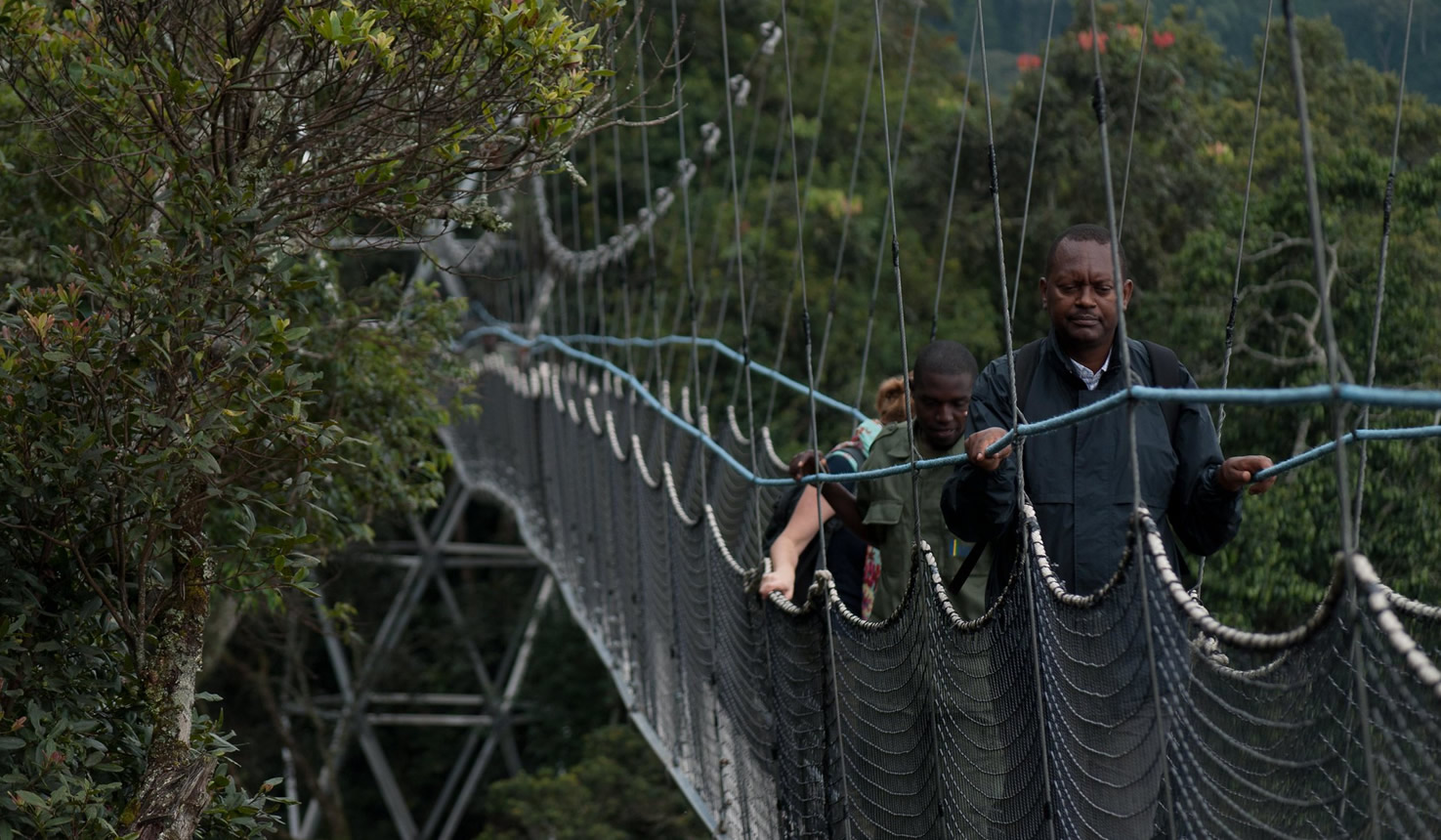
Nyungwe Forest National Park Rwanda
1 comments -
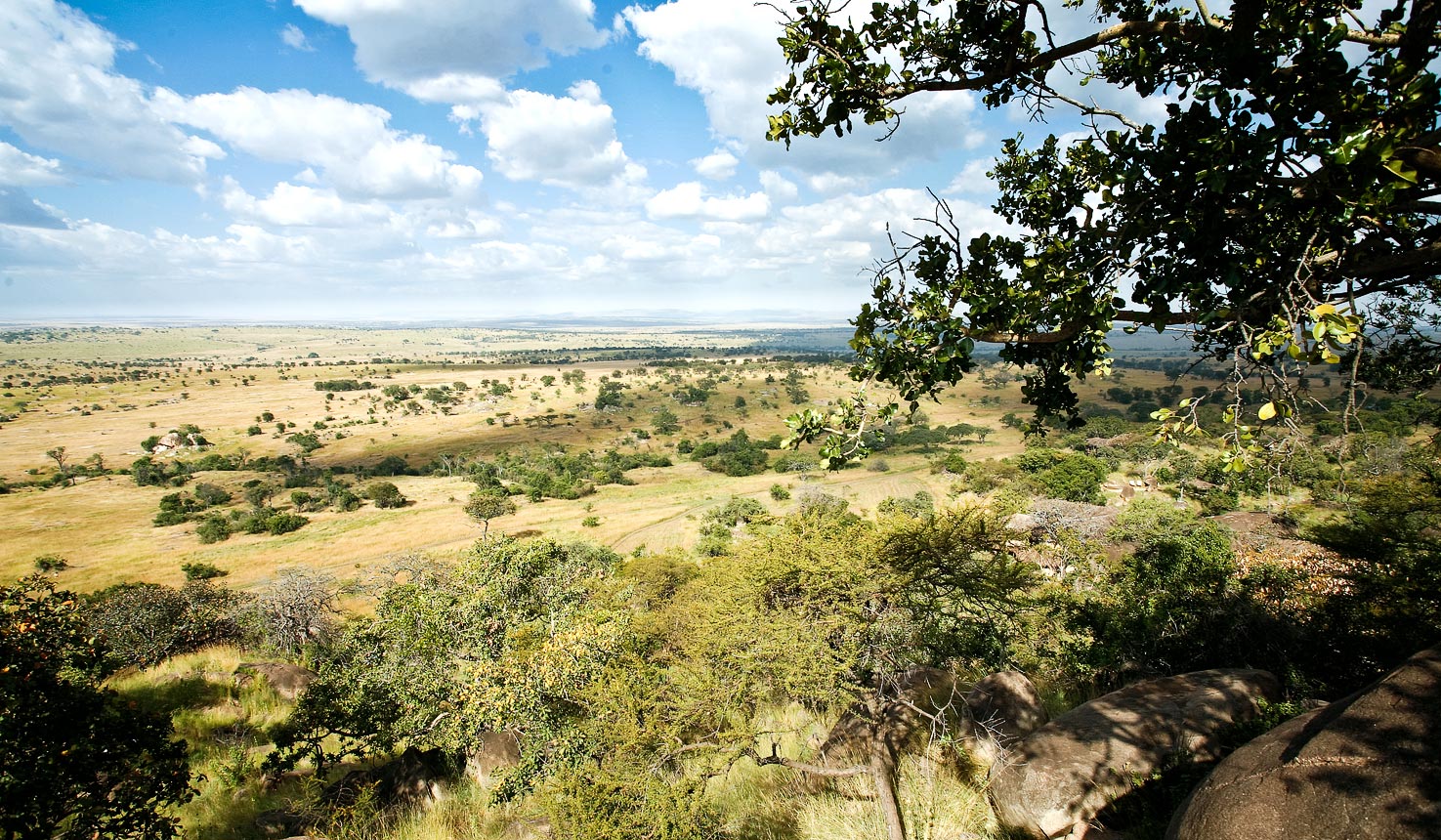
Ngorongoro Crater Tanzania
0 comments -
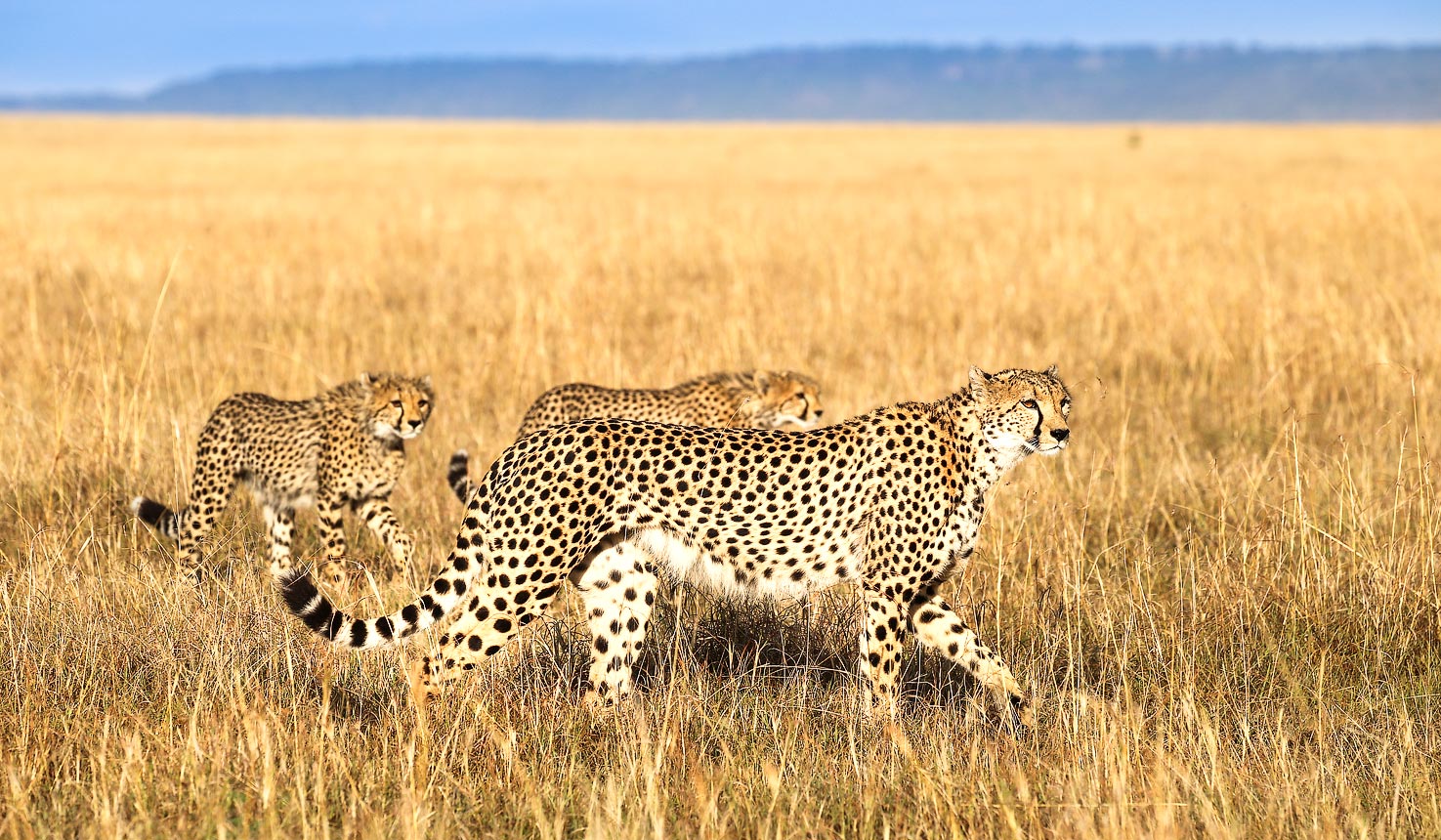
Serengeti National Park Tanzania
0 comments -
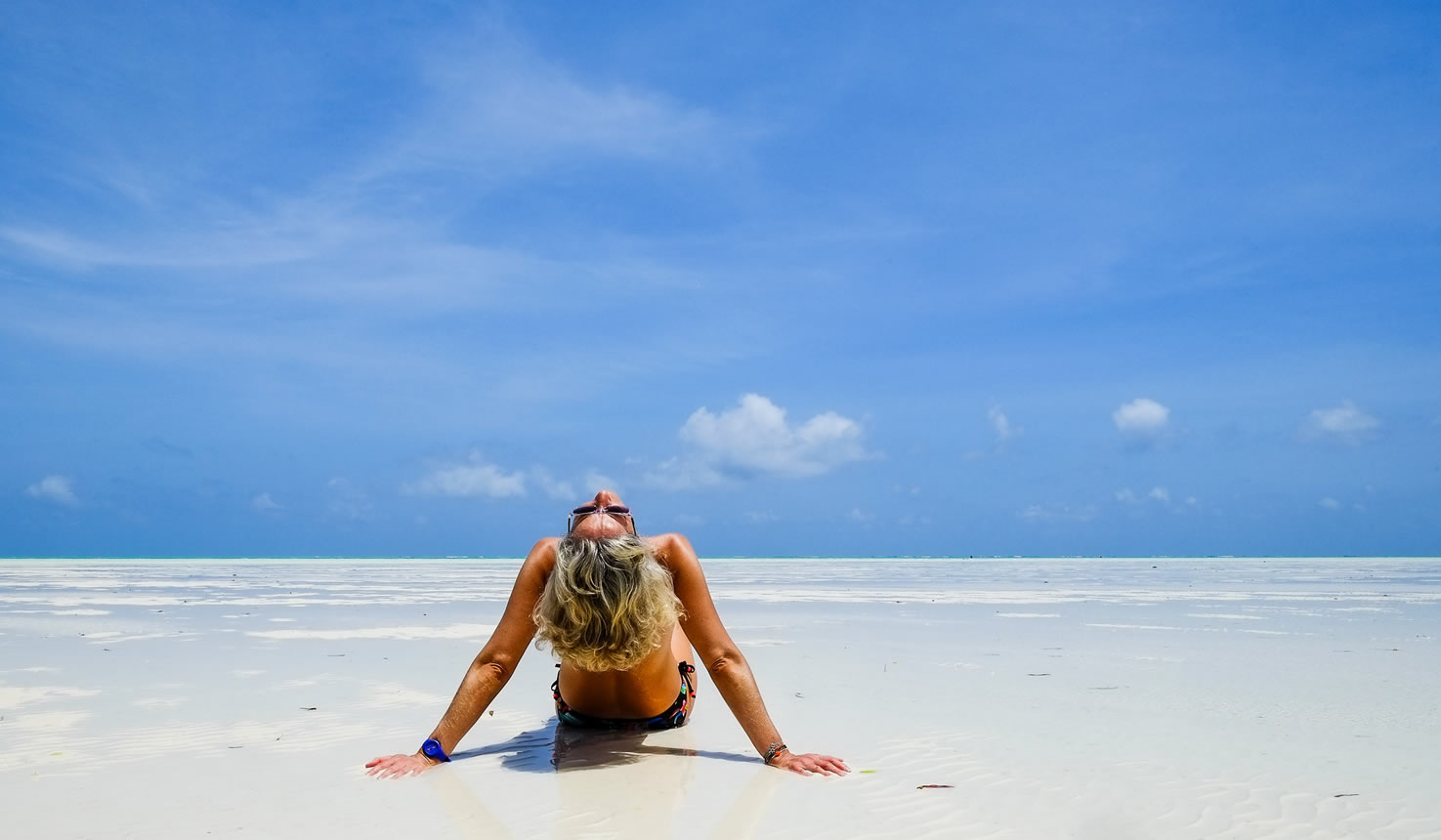
Mombasa
0 comments -
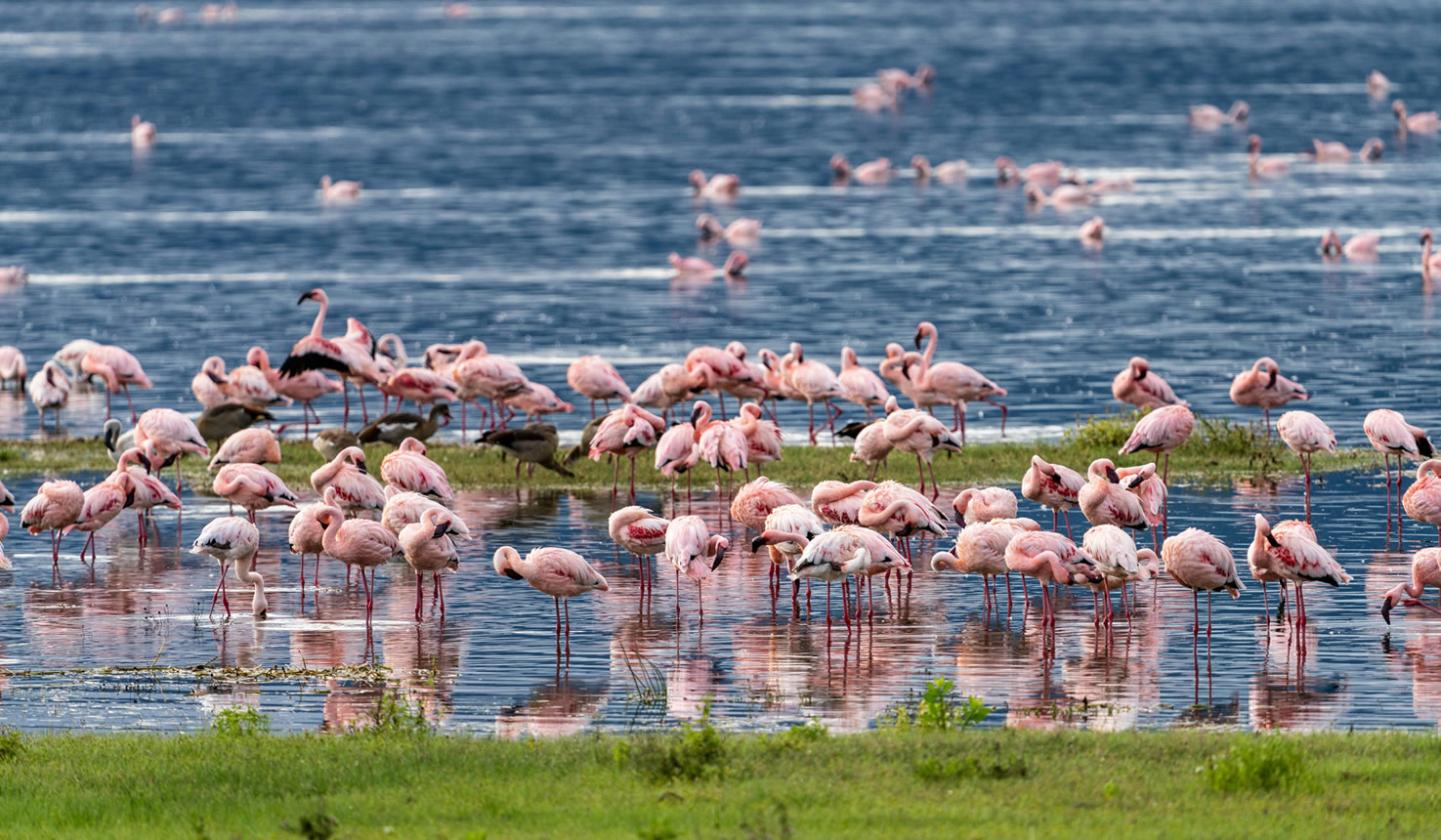
Lake Nakuru National Park
0 comments -
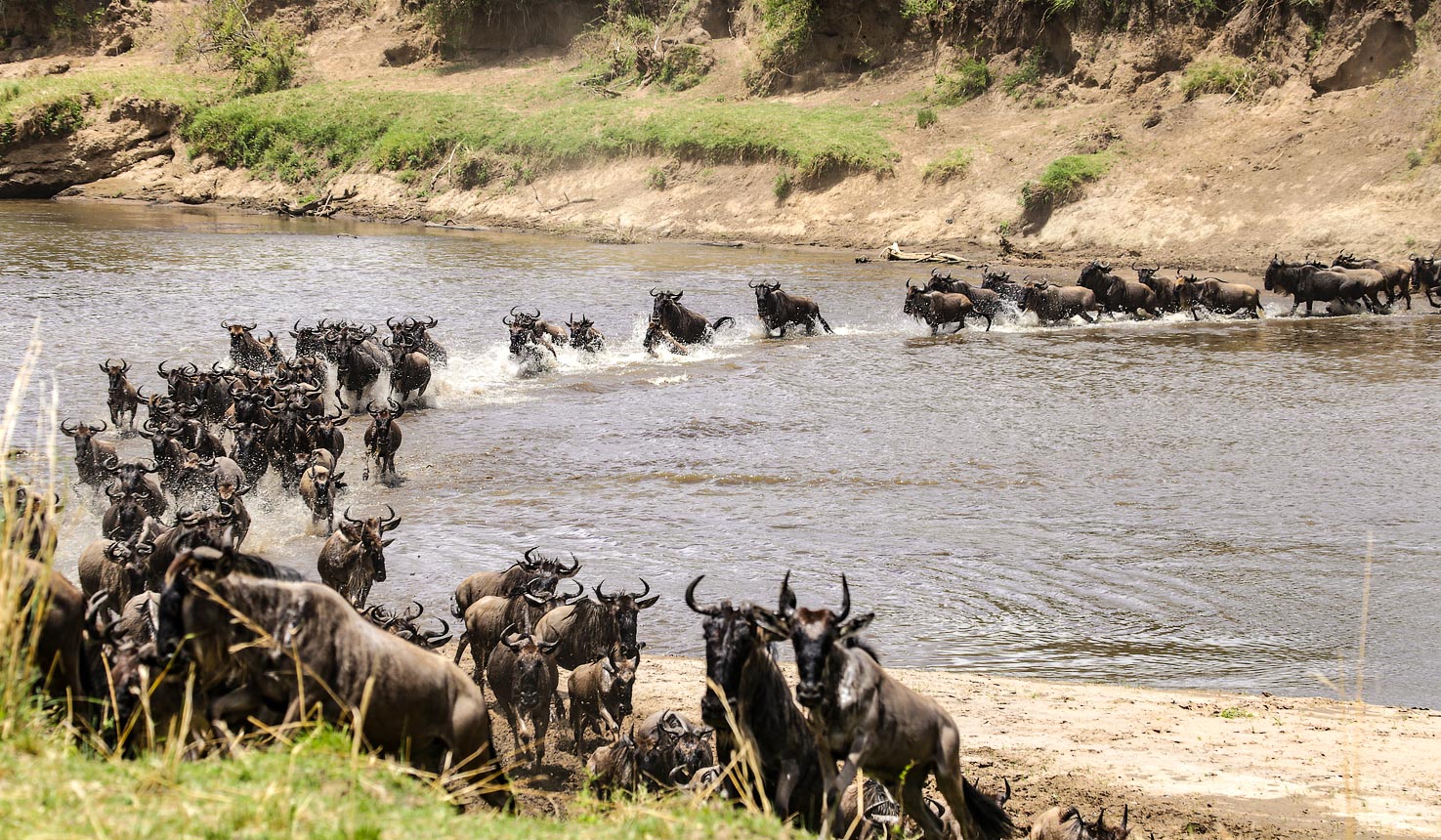
Masai Mara Safari Kenya
0 comments -
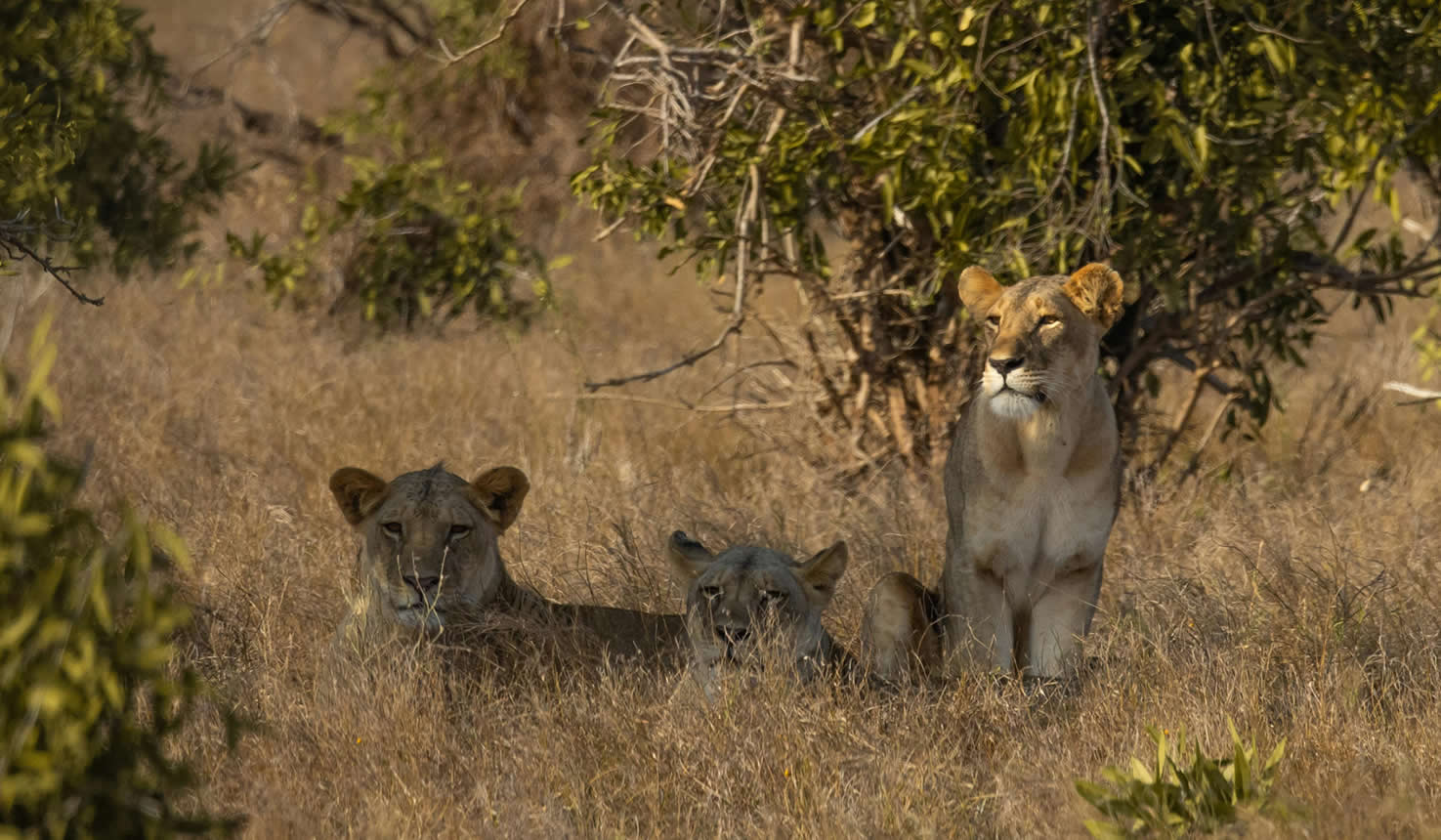
Kidepo Valley National Park
0 comments -
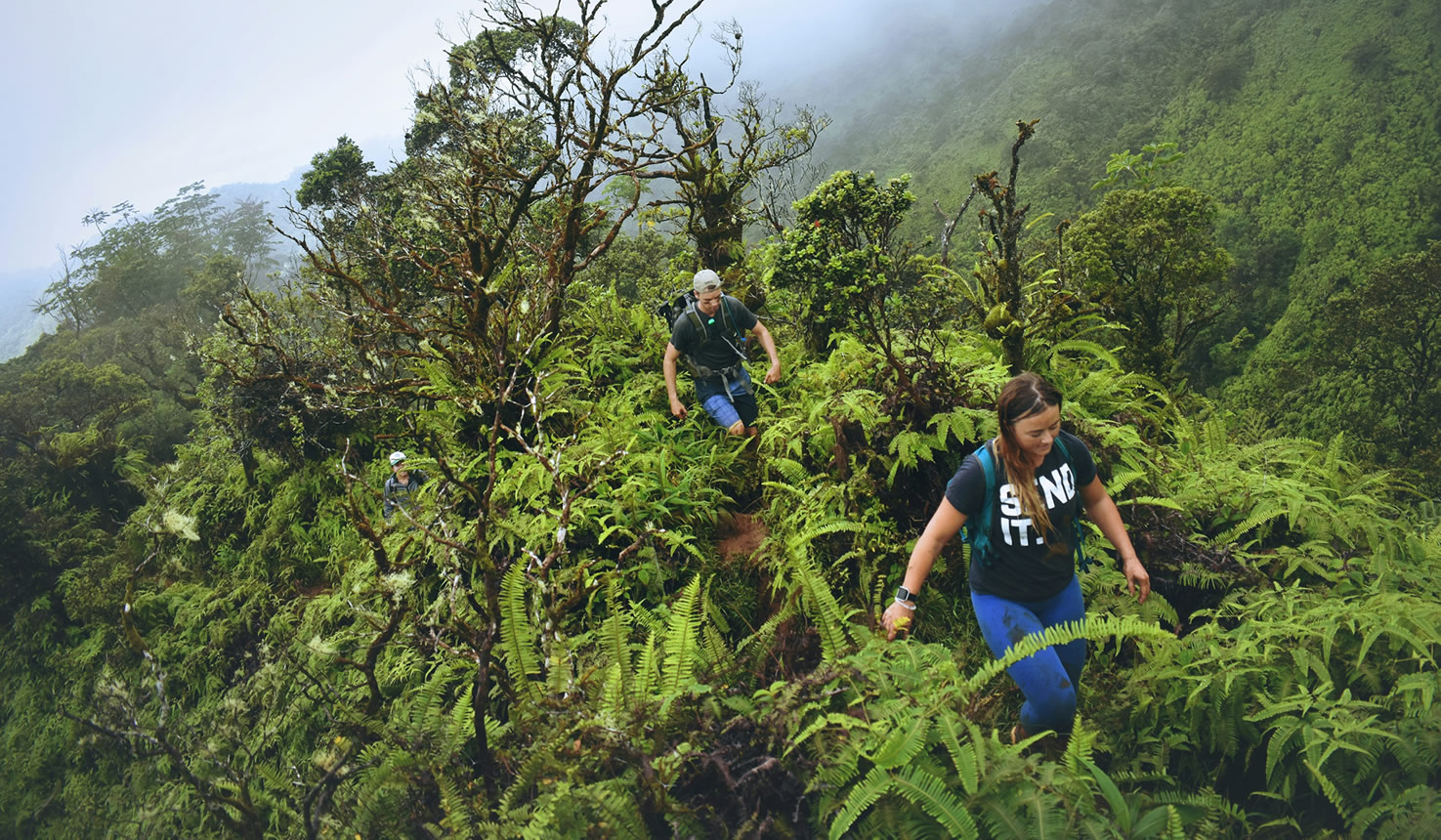
Bwindi Impenetrable National Park
0 comments -
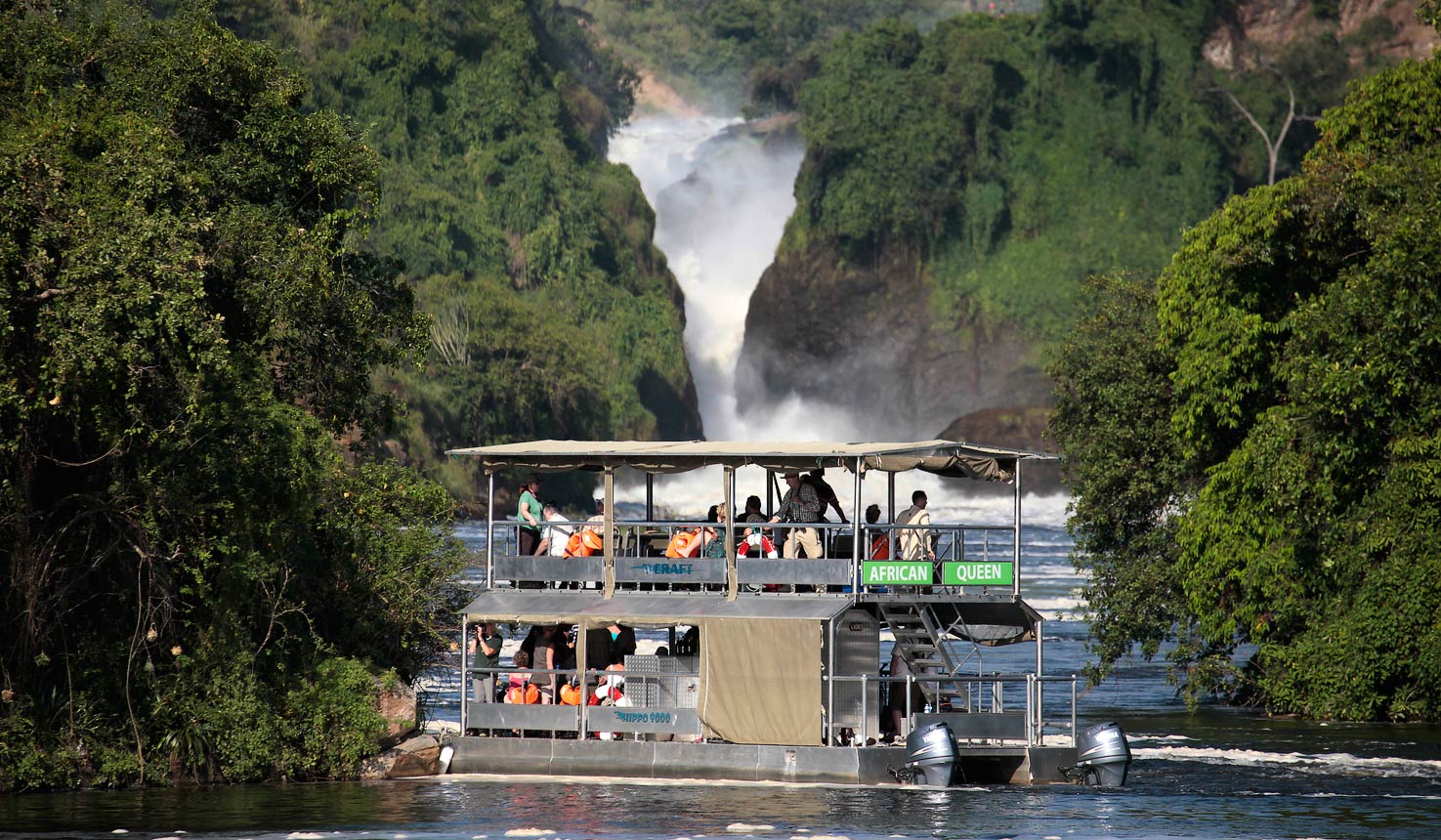
Murchison Falls National Park
1 comments -
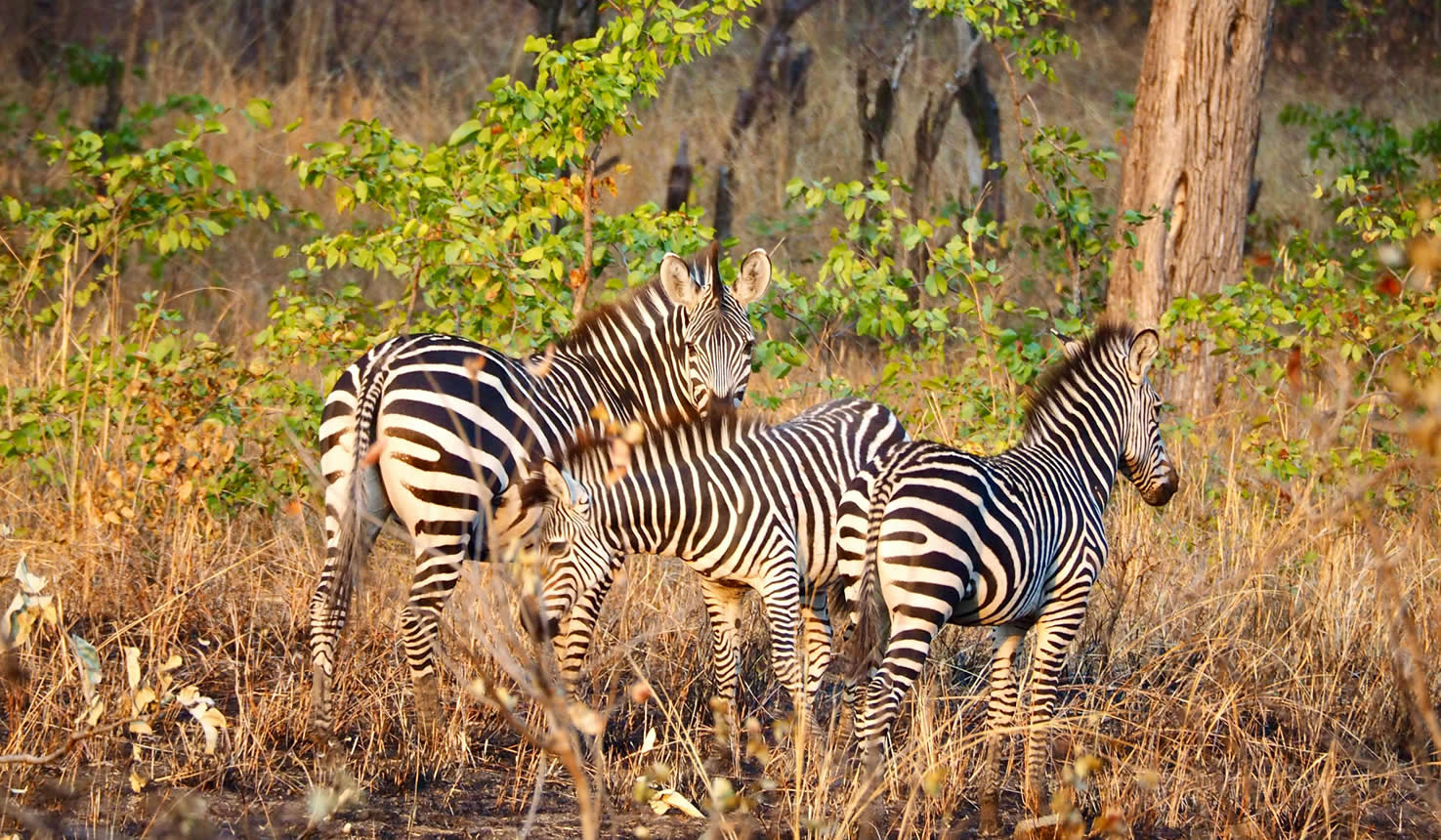
Lake Mburo national park
0 comments -
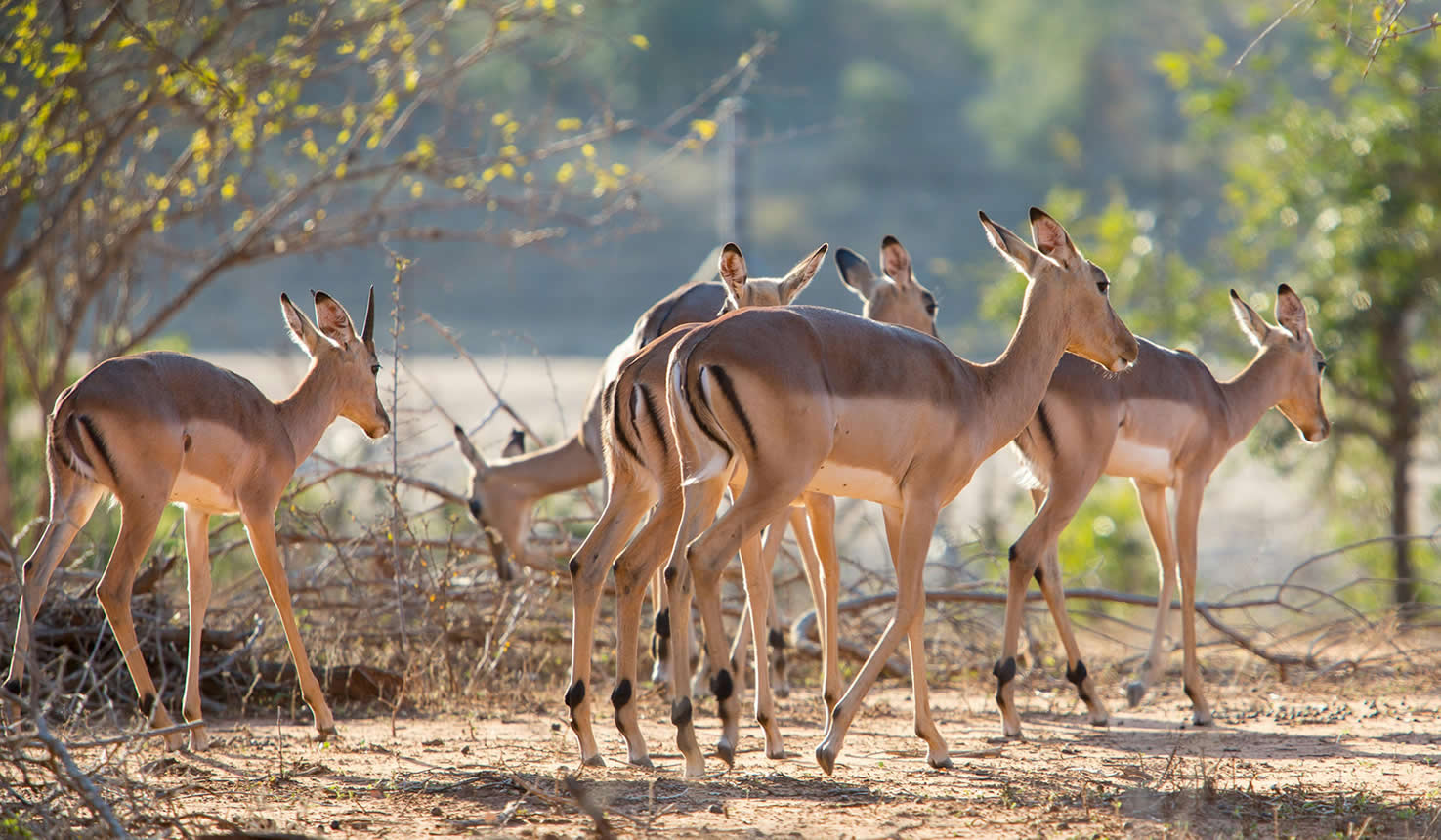
Akagera National Park
0 comments -
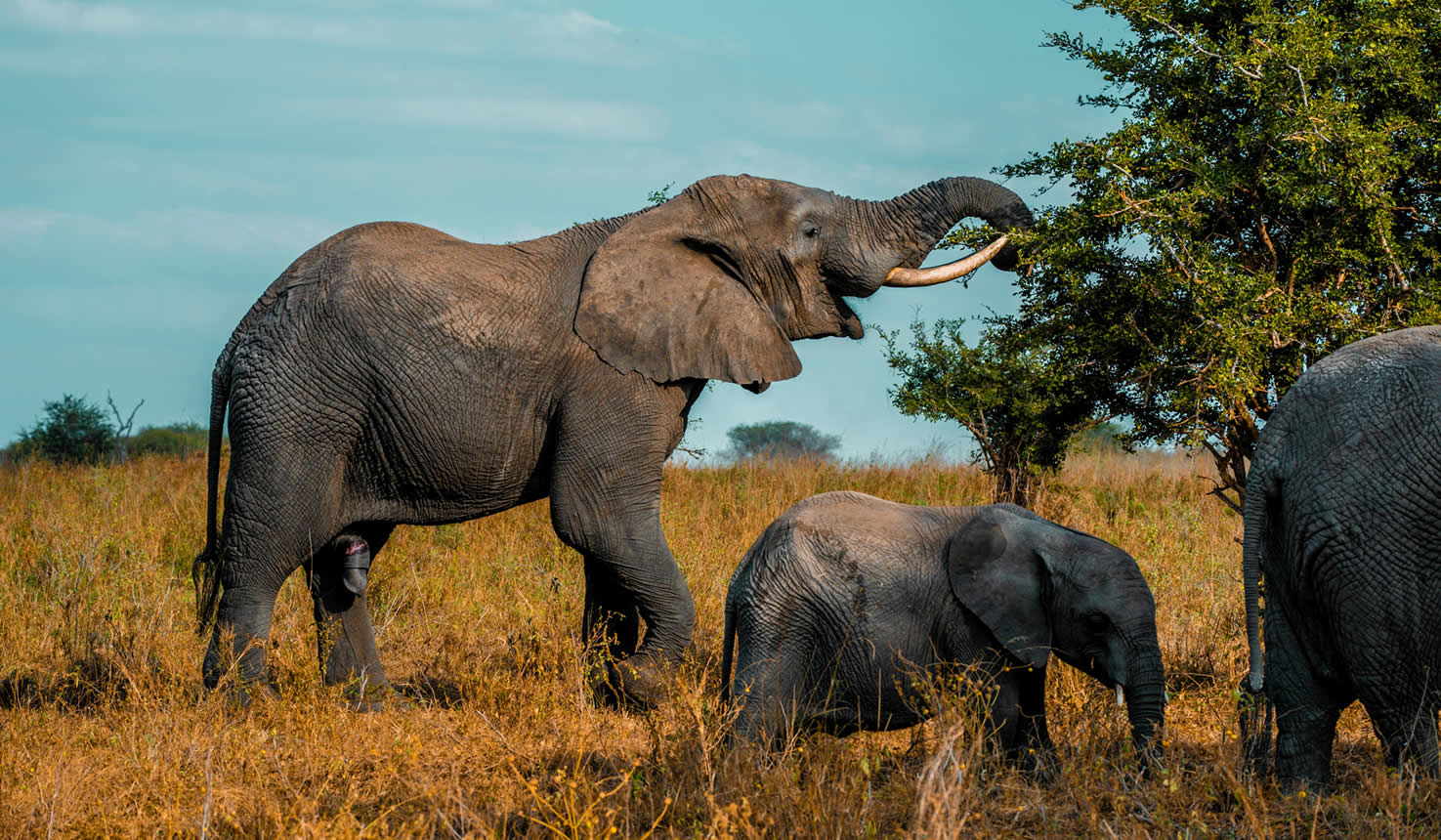
Queen Elizabeth National Park
1 comments