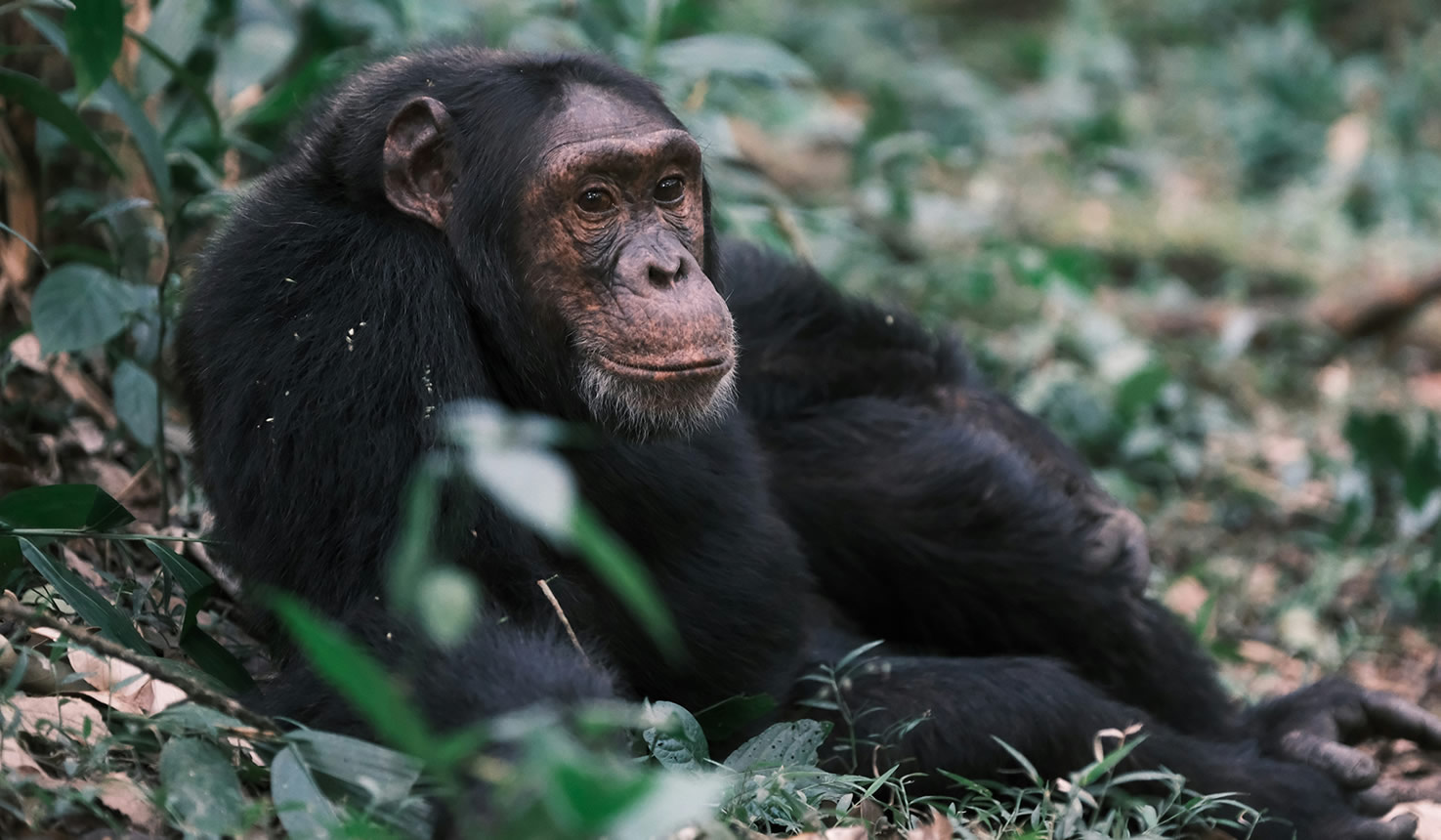
Bwindi Impenetrable National Park
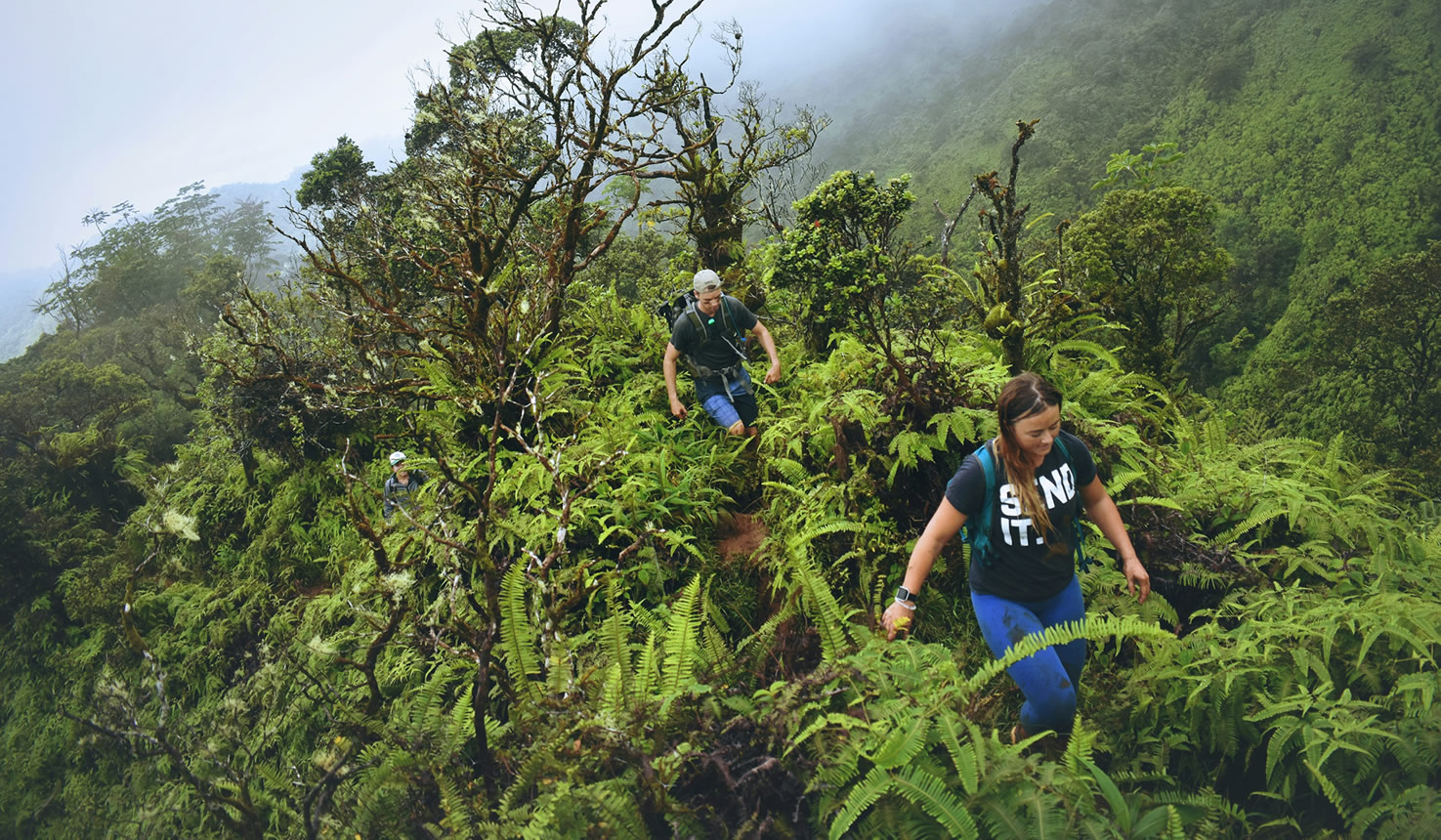
Guide to Bwindi Impenetrable National Park
Deep in the southwestern corner of Uganda lies one of Africa’s most extraordinary natural treasures—Bwindi Impenetrable National Park. Renowned worldwide for its mountain gorillas, this UNESCO World Heritage Site offers an unparalleled wildlife experience, combining ancient rainforest, rich biodiversity, and life-changing encounters with one of humanity’s closest relatives.
If you are dreaming of an authentic African safari that goes beyond traditional game drives, Bwindi is a destination that delivers adventure, conservation, and deep connection with nature.
Introduction to Bwindi Impenetrable National Park
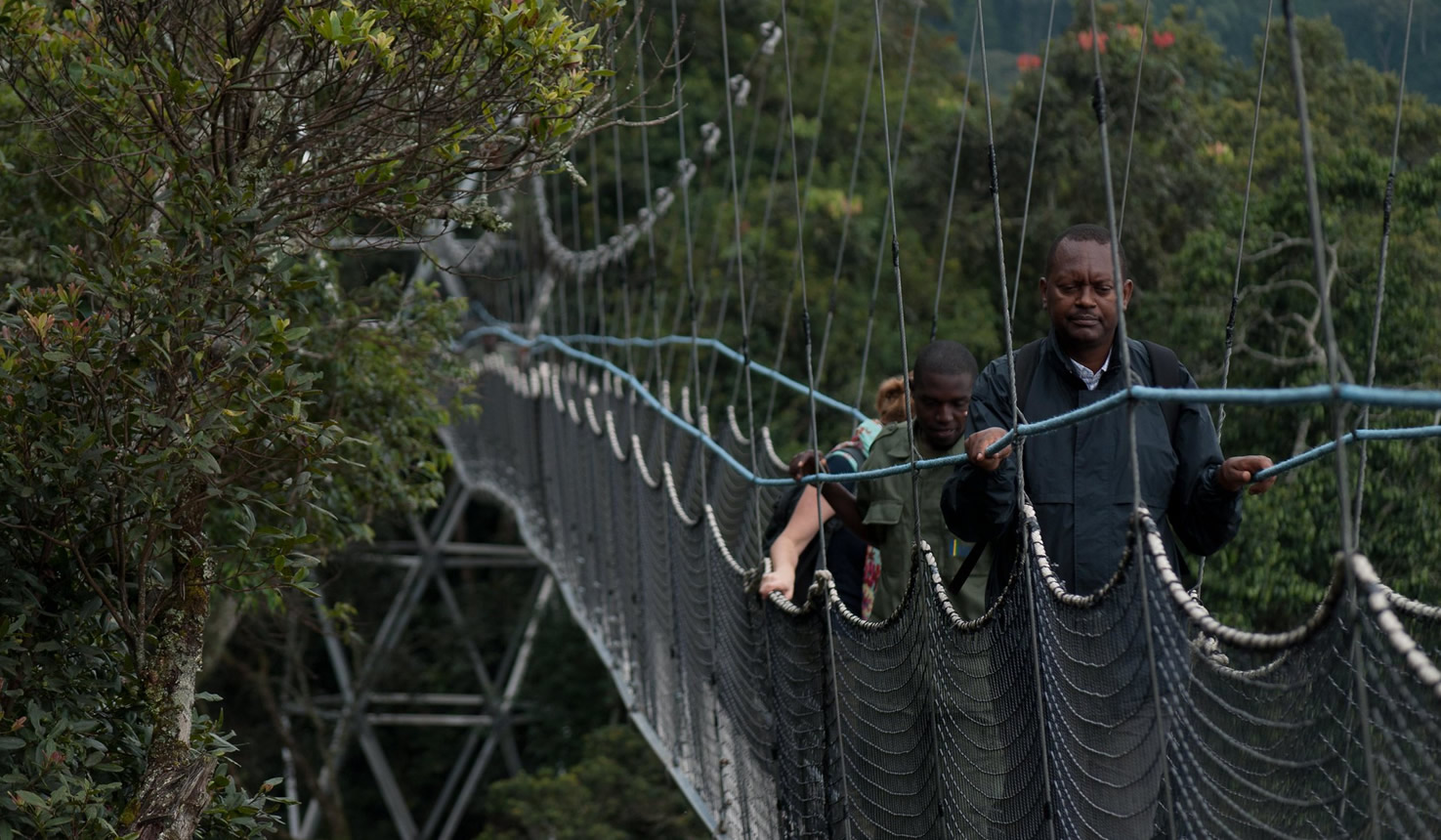
Bwindi Impenetrable National Park covers approximately 331 square kilometers of dense tropical rainforest, making it one of the oldest ecosystems in Africa, estimated to be over 25,000 years old. The park’s name “impenetrable” reflects its thick vegetation, steep ridges, and tangled undergrowth, which once made it extremely difficult to explore.
Today, Bwindi stands as a global conservation success story, protecting nearly half of the world’s remaining mountain gorilla population. These gentle giants are the main attraction, drawing visitors from across the globe for a rare and intimate wildlife experience.
Location and How to Get There
Bwindi is located in southwestern Uganda, near the borders of Rwanda and the Democratic Republic of Congo. The park is divided into four main sectors: Buhoma, Ruhija, Rushaga, and Nkuringo, each offering unique trekking experiences.
By Road
Traveling from Kampala or Entebbe takes approximately 8–10 hours, depending on the sector. Many travelers combine this journey with a stop at Lake Mburo National Park or Queen Elizabeth National Park.
By Air
Domestic flights from Entebbe International Airport to nearby airstrips such as Kihihi or Kisoro significantly reduce travel time, followed by a short road transfer to your lodge.
Why Bwindi Is Famous Worldwide
The global fame of Bwindi stems from its population of mountain gorillas, one of the rarest primates on Earth. Gorilla trekking here is not just a wildlife activity—it is a once-in-a-lifetime experience.
Meeting a gorilla family in their natural habitat is both humbling and emotional. Watching them feed, groom, and interact offers a profound glimpse into their social structure and intelligence.
Gorilla Trekking Experience
What Is Gorilla Trekking?
Gorilla trekking involves hiking through dense forest terrain in search of a habituated gorilla family. Each trek is led by experienced guides and trackers who locate the gorillas based on their movements.
The trek can last anywhere from 2 to 8 hours depending on the location of the gorillas, but the reward is extraordinary: one full hour spent in close proximity to these magnificent creatures.
What to Expect
The experience begins early in the morning with a briefing at the park headquarters. Visitors are grouped into small teams and assigned a specific gorilla family.
As you hike through the forest, you will encounter diverse flora and fauna, hear birds calling overhead, and feel the thrill of tracking wildlife. Once the gorillas are located, you will have one hour to observe and photograph them while maintaining a safe distance.
Gorilla Trekking Rules
To ensure the safety of both visitors and gorillas, strict guidelines are followed:
- Maintain a distance of at least 7 meters
- Do not visit if you are sick
- Avoid sudden movements or loud noises
- Follow your guide’s instructions at all times
Gorilla Habituation Experience
For travelers seeking a deeper encounter, Bwindi offers the Gorilla Habituation Experience, available mainly in the Rushaga sector. This allows visitors to spend up to four hours with a semi-habituated gorilla family, observing researchers as they gradually acclimate the gorillas to human presence.
This experience is more immersive and ideal for photographers, researchers, and wildlife enthusiasts.
Biodiversity Beyond Gorillas
While gorillas are the highlight, Bwindi is incredibly rich in biodiversity and is often referred to as the “Place of Darkness” due to its dense canopy.
Wildlife
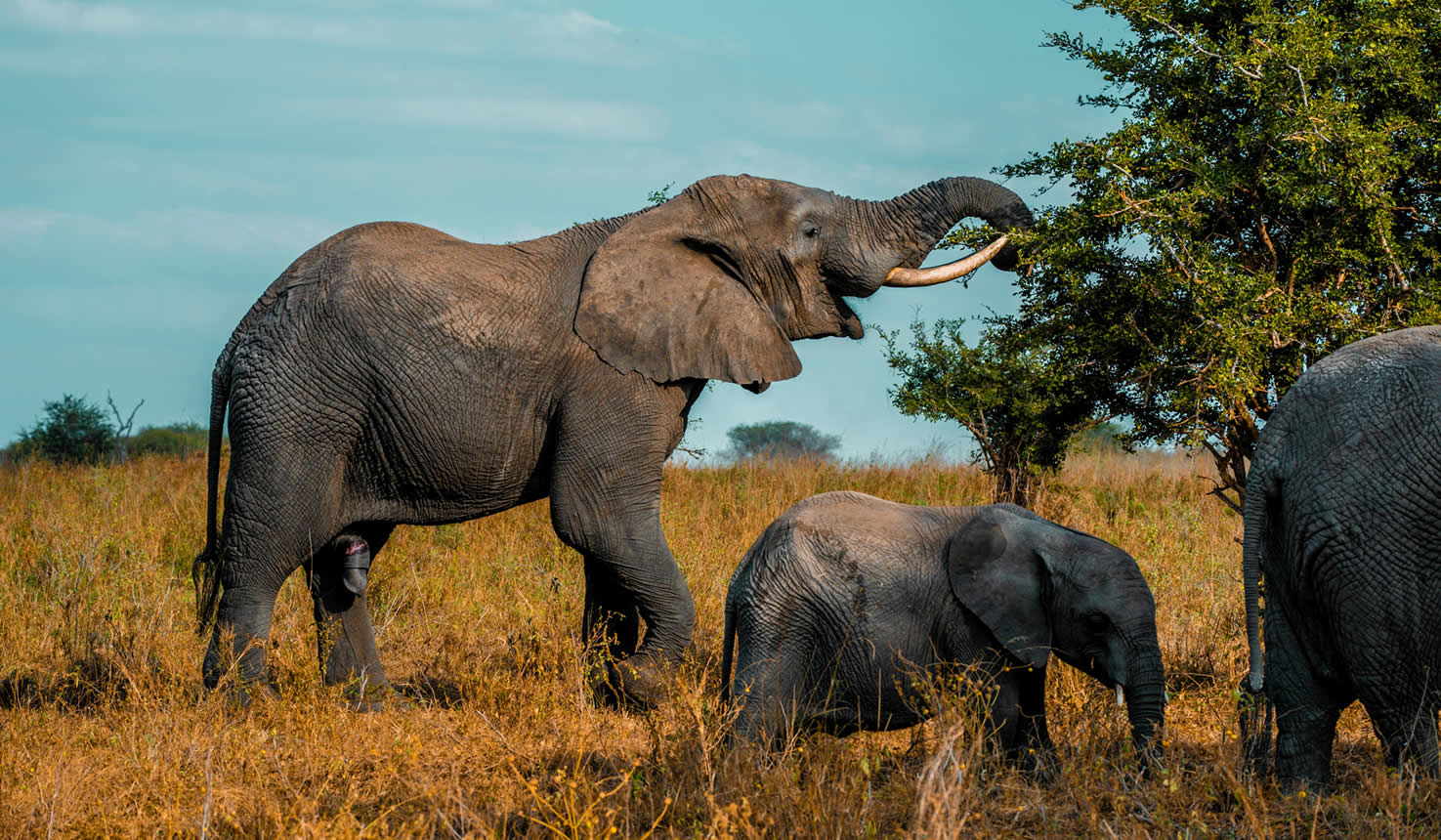
- Over 120 mammal species including forest elephants and duikers
- Several primates such as black-and-white colobus monkeys and L’Hoest’s monkeys
Birdlife
Bwindi is a birdwatcher’s paradise, hosting over 350 bird species, including 23 Albertine Rift endemics such as:
- African green broadbill
- Shelley’s crimsonwing
- Grauer’s warbler
Flora
The forest contains more than 1,000 flowering plant species, including ferns, vines, and towering hardwood trees.
Best Time to Visit Bwindi
Bwindi Impenetrable National Park can be visited year-round, but the best times are during the dry seasons:
- June to August
- December to February
During these months, trails are less slippery and trekking conditions are more manageable. However, the rainforest climate means rain is possible at any time.
Accommodation Options
Bwindi offers a wide range of accommodations across its four sectors, catering to all budgets:
Luxury Lodges
High-end lodges provide exceptional comfort, stunning forest views, and personalized service.
Mid-Range Lodges
Comfortable and well-equipped, these lodges offer great value and proximity to trekking starting points.
Budget Options
Affordable guesthouses and campsites are available for budget-conscious travelers.
Cultural Experiences Around Bwindi
Beyond wildlife, Bwindi is surrounded by vibrant communities that offer enriching cultural experiences.
Batwa Cultural Experience
The Batwa people, also known as the “forest keepers,” were the original inhabitants of the Bwindi forest. Cultural tours provide insight into their traditional lifestyle, hunting techniques, and deep connection to the forest.
Community Visits
Visitors can explore local villages, schools, and craft centers, supporting community-based tourism initiatives.
Conservation and Sustainability
Bwindi Impenetrable National Park plays a critical role in global conservation efforts. Revenue from tourism directly supports gorilla protection, anti-poaching initiatives, and community development.
The increase in gorilla populations over the years is a testament to the success of these efforts, making Bwindi a model for conservation worldwide.
What to Pack for Bwindi
Preparing properly ensures a comfortable trekking experience:
- Waterproof hiking boots
- Long-sleeved shirts and trousers
- Rain jacket
- Gardening gloves (for gripping vegetation)
- Insect repellent
- Camera with extra batteries
Combining Bwindi with Other Destinations
Many travelers combine Bwindi with other iconic Ugandan destinations:
- Queen Elizabeth National Park for classic game drives
- Lake Bunyonyi for relaxation after trekking
- Lake Mburo National Park for a short safari
This combination offers a well-rounded safari experience, blending primate encounters with savannah wildlife and scenic landscapes.
Why Bwindi Should Be on Your Bucket List
Bwindi Impenetrable National Park is not just a destination—it is an experience that stays with you forever. The opportunity to stand just meters away from a mountain gorilla, in the heart of an ancient forest, is both humbling and unforgettable.
It offers:
- A rare chance to see endangered mountain gorillas
- Rich biodiversity and stunning natural beauty
- Cultural interactions with local communities
- A meaningful contribution to conservation